


Trademark Class 42 in India covers scientific, technological, and IT services under the Nice Classification system. It protects brand names, logos, and identifiers for software development, research and design, technical consultancy, and analysis services. Trademark registration under this class gives IT and R&D businesses exclusive rights and legal protection against imitation.
India has 45 trademark classes. These include 34 classes for goods and 11 for services. Class 42 covers IT, software, design, and R&D services. Companies like Infosys, Wipro, and TCS use Class 42 to protect their brands.
Key Takeaways
- Class 42 protects tech, software, research, and consultancy services.
- Legal services moved to Class 45 and are no longer part of Class 42.
- Hardware installation and repair fall under Class 37, not Class 42.
- IT training and computer education fall under Class 41.
- Specific service descriptions prevent objections.
- A trademark search before filing avoids conflicts.
- Filing costs ₹4,500 per class for individuals, startups, and MSMEs; ₹9,000 for others.
- Registration typically takes 12–18 months if uncontested.
- Valid for 10 years from the date of application, renewable indefinitely.
- Multi-class filing is needed if your business also offers retail, training, or other non-Class-42 services.
What is Trademark Class 42 in India? Definition and Scope
Trademark Class 42 covers scientific and technological services and related research and design work. Legal services moved from Class 42 to Class 45 in the mid-2000s, so they are no longer included here.
Class 42 covers industrial analysis, research, design, quality control, authentication, and computer hardware and software development. It applies to IT, software, engineering, and scientific research businesses. It protects brand identifiers such as names, logos, and taglines, not the underlying technology, source code, or research methods.
India follows the Nice Classification, an international system under the Nice Agreement and administered by the World Intellectual Property Organization (WIPO). The Trade Marks Act, 1999, uses this system to classify trademarks.
Which Services are Covered Under Trademark Class 42?
Trademark Class 42 covers scientific, technological, and IT services. It also includes related research, design, and analysis services:
| Category | Services Covered |
|---|---|
| Software Design and Development | Software and app design, development, updates, and maintenance |
| Cloud and Platform Services | SaaS, PaaS, and cloud computing |
| IT and Technology Consultancy | Computer consultancy, IT strategy, systems analysis, and technology consultancy |
| Scientific and Technological Research | Scientific, technological, industrial, and non-medical research |
| Industrial Analysis and Design | Industrial analysis, design, and product R&D |
| Engineering Services | Engineering, consultancy, and research |
| Quality Control and Authentication | Quality control, testing, calibration, and authentication |
| Computer Security Services | Data encryption, virus protection, and unauthorized-access monitoring |
| Web Hosting and Server Services | Web hosting, server hosting, and website development |
| Architectural and Design Services | Architecture, interior design, packaging design, and graphic design |
| AI and Emerging Technology | AIaaS, AI consultancy, and BaaS |
| Chemical and Physical Research | Chemical, physics, bacteriological, and biological research |
Note: If you offer software development and IT consultancy, list both services for broader Class 42 protection. Vague descriptions may lead to examiner objections.
Services Not Covered Under Trademark Class 42
Although Class 42 covers a wide range of scientific, technological, and IT-related services, some items fall outside its scope. These include:
- Installation, maintenance, and repair of computer hardware: Physical setup and repair of computer equipment (covered under Class 37).
- IT training and computer education: Coding bootcamps, software training courses, and technical certification programs (covered under Class 41).
- Online data transmission and telecommunications services: Internet access provision, data transmission, and online messaging services (covered under Class 38).
- Business, marketing, and advertising research: Market research, business data analysis, and advertising research (covered under Class 35).
- Legal services and legal research: Legal consultancy, IP licensing services, and legal research (covered under Class 45).
If you know what the trademark class for IT and technology services excludes, you can file your trademark correctly on the first try. Use a free trademark class search tool to identify the right class for your services and avoid classification errors.
How to Register a Trademark Under Class 42?
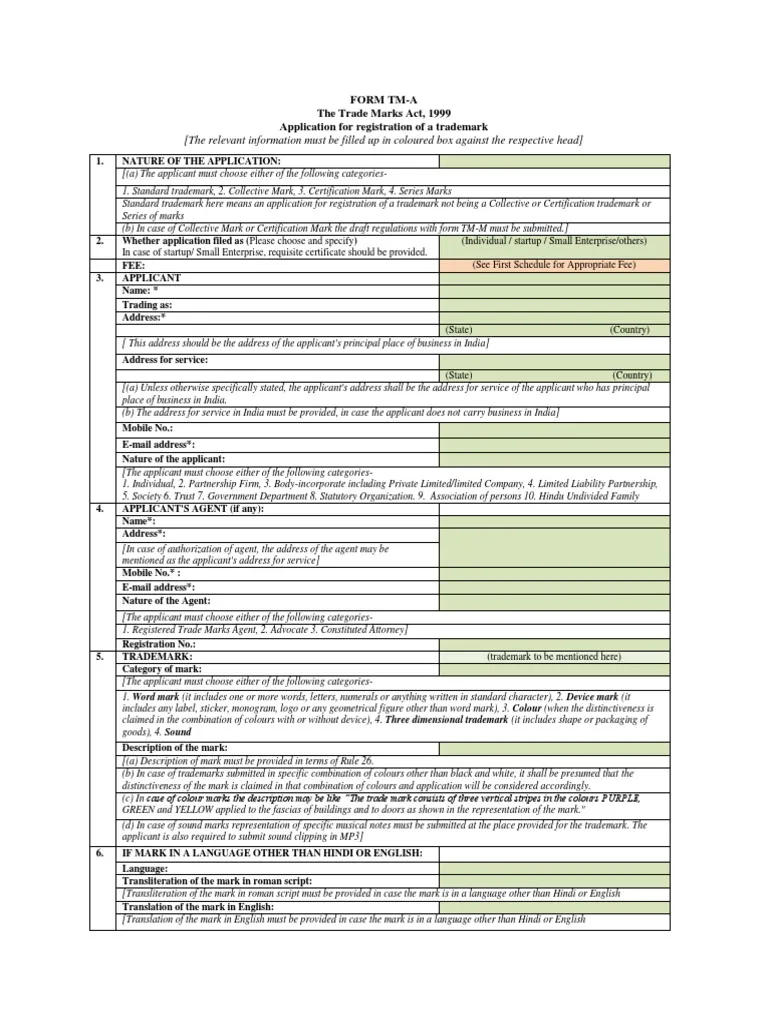
You can register a Class 42 trademark by filing Form TM-A online or offline with the Trademark Registry. Select “proposed to be used” for an unlaunched service or “already in use” for a service already on the market. Here’s the process:
1. Conduct a Trademark Search
- Check whether your brand name or logo already exists under Class 42.
- Use the official IP India trademark database or take professional assistance for a detailed search.
Use a free trademark name availability check tool to quickly verify whether your desired name or logo is available.
2. Select the Right Services Description
- Clearly mention all scientific, technological, or IT-related services you want to protect under Class 42.
- Include specifics such as software consultancy, SaaS, web hosting, industrial design, or technological research, rather than a vague catch-all term.
3. File the Trademark Application (Form TM-A)
- Submit the application online through the IP India portal or offline at the Trademark Registry.
- Provide your brand name, logo (if any), detailed services description, and applicant information.
- Pay the applicable filing fee. Typically, the registration fee is ₹4,500 for individuals or small enterprises and ₹9,000 for other applicants.
4. Examination by the Trademark Office
- The Trademark Registrar examines your application for similarity, errors, or legal issues.
- If required, an Examination Report may be issued seeking clarification or changes, and you must respond within 30 days to keep the application active.
5. Publication in the Trademark Journal
- Once accepted, your trademark is published in the Trademark Journal.
- This allows the public to file opposition within the statutory period, usually four months.
6. Registration and Issuance of Certificate
- If no opposition is filed or objections are resolved, the trademark is registered.
- You receive the Trademark Registration Certificate, granting exclusive rights under Class 42.
- The registration is valid for 10 years from the date of application, not the certificate-issue date, under Section 25 of the Trade Marks Act, 1999, and you can renew the trademark every 10 years.
Once approved, you receive the certificate, granting exclusive rights under Class 42 of trademarks. The entire registration process of this trademark class takes around 12–18 months.
Common Mistakes When Filing Under Class 42 and How to Avoid Them
Tech, research, and IT businesses often face delays or limited protection due to avoidable filing errors. Here are the most frequent mistakes and how to steer clear of them:
- Misclassifying Services: Business or marketing research belongs to Class 35, IT training to Class 41, and hardware installation to Class 37, not Class 42. Use the trademark class search tool to confirm you’re filing your services in the correct class.
- Using Vague Service Descriptions: Broad terms like “technology services” or “software” trigger objections. Use precise wording, such as “software consultancy, SaaS, web hosting, and web design services,” not just “software development.”
- Skipping a Comprehensive Trademark Search: Search the Indian Trademark Registry before filing to identify identical or phonetically similar marks already registered under Class 42.
- Submitting Incomplete Documentation: Missing details or inconsistent applicant information can trigger objections or delay examination. Double-check every field before submission.
- Missing the Examination Report Deadline: Failing to reply within 30 days can get your application abandoned. Respond to any objection on time.
- Ignoring Multi-Class Filing: Filing only under Class 42 may leave your online retail (Class 35) or IT training services (Class 41) unprotected. File under all relevant classes from the outset.
