Trademark Renewal in India
Renew your registered trademark before it expires and keep exclusive rights over your brand name, logo, or slogan under the Trade Marks Act, 1999. RegisterKaro handles TM-R filing and documentation.
 TM-R Form Filing & Compliance SupportExpert Assistance with Documentation & Legal RequirementsTimely Renewal to Prevent Expiry, Removal & Brand LossComplete Monitoring & Filing Support with IP IndiaRestoration Support for Expired or Lapsed Trademarks

 What Sets Us ApartWhat Sets Us Apart
What is Trademark Renewal?
A trademark registration in India can be renewed after every 10 years, indefinitely, by filing Form TM-R. Renewal extends the mark's validity for another 10-year term, and the new period always starts from the original expiry date, not the renewal date. Renewing early doesn't reduce your protection, and renewing late doesn't extend it
Missing your renewal deadline doesn't mean losing your mark immediately; the law gives you a few chances to fix it before that happens:
- Within 6 months after expiry: You get a grace period to renew by paying a surcharge.
- Between 6 months and 1 year after expiry: If you still haven't renewed, the mark may be removed from the register, but you can apply for restoration, subject to the Registrar's approval.
- After 1 year: Neither renewal nor restoration is available; the mark is permanently off the register.
To renew a trademark in India, you need to file Form TM-R online using a Class 3 Digital Signature Certificate (DSC) or submit it physically at the Trademark Registry.
Why Trademark Renewal Matters in India?
Renewing your trademark on time keeps your legal rights and brand protection intact. Here's why it matters:
- Maintain Legal Protection: Renewal keeps your exclusive rights to use the trademark and prevents unauthorized use.
- Keep Your Legal Rights: A valid registration makes it easier to take legal action for trademark infringement. Without it, you may have to rely on a passing-off claim, which is harder to prove.
- Avoid Trademark Expiry: A trademark is valid for 10 years. If you don't renew it within the allowed time, it can be removed from the Register of Trademarks, and you lose your legal rights of brand protection.
- Protect Your Brand Identity: Renewal helps preserve your brand's identity, reputation, and customer recognition.
- Reduce Infringement Risks: If your trademark expires, others may register or use a similar mark, increasing the risk of consumer confusion, disputes, and even lost customers to a copycat brand.
- Protect Commercial Value: A valid trademark can be sold, assigned, or licensed. An expired trademark loses much of its commercial value.
- Support International Protection: If your trademark is linked to international registrations, such as under the Madrid Protocol, renewing it in India helps keep those registrations valid.
Who Can File for Trademark Renewal in India?
Trademark renewal can be filed by authorized parties connected to the registered trademark:
- The Proprietor: The registered owner (individual, company, or entity) can file directly.
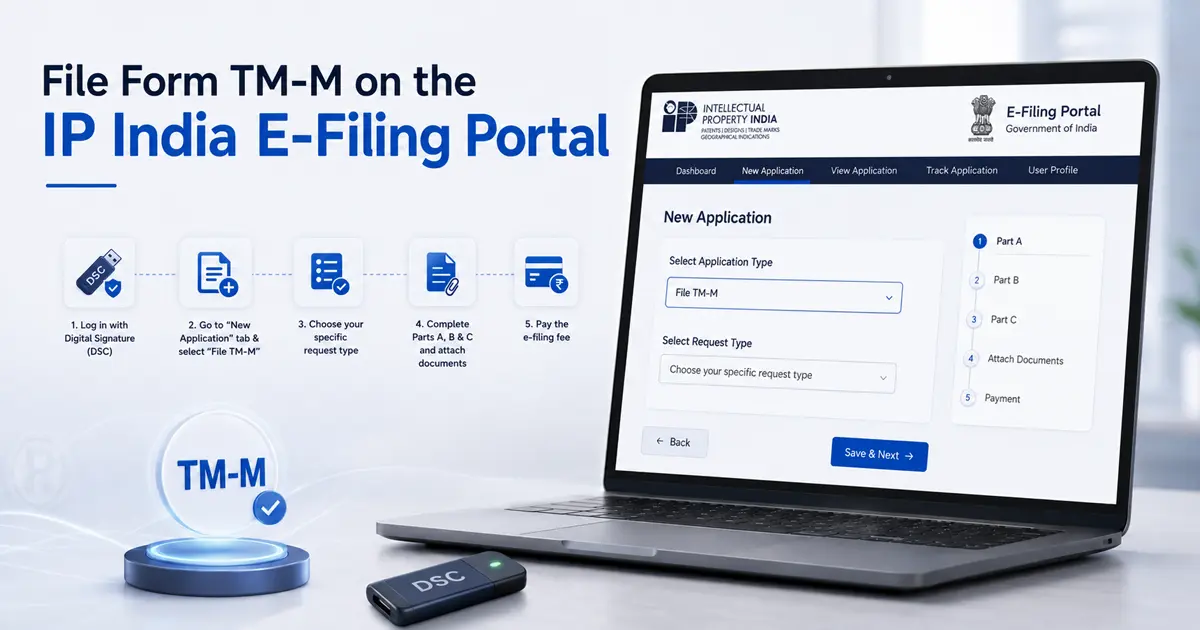
- An Authorized Agent or Attorney: The proprietor can appoint a trademark agent or attorney to file, using Form TM-M to record the authorization.
- Assignee or Legal Successor: If ownership has been legally transferred, the assignee can file, provided the assignment is recorded with the Registry or in process.
- Legal Heirs: If the proprietor has passed away, heirs can file after establishing their legal right through succession documents or a formal transfer.
- Don't Rely Solely on the Registry's Reminder: The Registry sends an official notice (Form RG-3) six months before expiry, but only to the address on the original application, often filed a decade earlier. If your address has since changed, that notice never reaches you.
Documents Required for Trademark Renewal in India
Filing your renewal correctly the first time avoids unnecessary back-and-forth with the Registry. Here's what you'll typically need:
- Trademark Registration Certificate Copy: A copy of your original trademark registration certificate is required for verification.
- Applicant/Proprietor Details: Basic details of the trademark owner, including name, address, and contact information.
- Trademark Number: The unique registration number, used to drive both processing and the applicable fee (since fees are charged per class).
- Proof of Identity and Address: Aadhaar, PAN, or Certificate of Incorporation (CoI) for verification purposes.
- Form TM-M (if applicable): Required if an agent or attorney is filing the renewal on your behalf.
- New Representation of the Mark: If the visual representation is being altered, the new representation must be submitted.
- Class 3 Digital Signature Certificate (DSC): Required to sign and submit Form TM-R on the IP India e-filing portal.
How to Renew Your Trademark Online? Detailed Process Explained
Trademark renewal in India is done online through the IP India portal. Unlike a new trademark registration, it does not involve examination or opposition. Here's the complete step-by-step trademark renewal process:
Step 1: Prepare Form TM-R
- Fill in the trademark's application or registration number, class, and proprietor details.
- Add agent or attorney information if someone is filing on your behalf.
Verify every detail carefully; errors in this step can delay the entire renewal.
Step 2: Pay the Government Fee
- Pay the prescribed fee for each class the mark is registered in.
- ₹9,000 per class for e-filing, ₹10,000 per class for physical filing.
- Multi-class marks require the fee to be paid separately for each class.
Step 3: File Online
- Log in to the IP India e-filing portal at gov.in using a Class 3 DSC.
- Locate your registered mark by its application or registration number.
- Select the renewal option and submit the completed Form TM-R electronically.
Step 4: Receive Acknowledgement
- The system generates an acknowledgement receipt with a filing number.
- Use this number to track your renewal's status on the portal.
Step 5: Examination (If Required)
- Most straightforward renewal process without further review.
- The Registrar may occasionally examine the application, particularly if changes to the mark are involved.
Step 6: Publication (If Required)
- Renewals involving significant changes to the mark may be published in the Trademark Journal.
- Unchanged renewals typically skip this step entirely.
Step 7: Approval and Record Update
- Once accepted, the Trademark Registry updates its official records.
- The mark is renewed for another 10 years, reflected immediately in the registry database.
Step 8: Claim the Concessional Fee, If Eligible
- DPIIT-recognized startups and Udyam-registered MSMEs qualify for a reduced fee.
- ₹4,500 per class online, ₹5,000 physical, instead of the standard ₹9,000-₹10,000.
- Submit your valid certificate at the time of filing to claim this rate.
Trademark renewal in India usually takes 3-15 working days for straightforward applications. It may take longer if the Registrar raises a query.
What Happens if an Objection is Raised During Renewal?
Although uncommon, the Trademark Registry may raise a query if:
- The renewal application is incomplete or contains incorrect information.
- The Registry needs clarification to verify the details of the renewal application.
If a query is raised, the Trademark Registry will send an official communication asking you to provide the required information or corrections.
Trademark Renewal Fees in India
Trademark renewal in India starts at ₹9,000 per class for online filing before the expiry date. The government fee structure is as follows:
| Renewal Type | Form | E-filing Fee (Per Class) | Physical Filing Fee (Per Class) |
| Renewal on or before expiry | TM-R | ₹9,000 | ₹10,000 |
| Late renewal (within 6 months after expiry) | TM-R | ₹13,500 | ₹15,000 |
| Restoration and renewal (6 months to 1 year after expiry) | TM-R | ₹18,000 | ₹20,000 |
Note: Government fees are based on the official IP India fee schedule and were last verified in June 2026. These fees are prescribed under the Trade Marks Rules and may change if the Rules are amended.
Trademark Renewal Timeline in India: Key Dates and Deadlines
Trademark renewal follows a series of deadlines, each with its own fees and risks. Here's what you can do at each stage, based on your trademark's expiry date:
| Timing | What You Can Do | Cost |
| Up to 1 year before expiry | File the renewal early (Form TM-R) | Standard renewal fee |
| Within 6 months before expiry | The Registry sends a reminder notice (Form RG-3) to your address on record | Standard renewal fee |
| On or before the expiry date | Renew normally | Standard renewal fee |
| Up to 6 months after expiry | Renew with a surcharge; the mark stays on the register | Renewal fee + surcharge |
| 6 months to 1 year after expiry | Apply to restore and renew under Section 25(4), at the Registrar's discretion | Renewal fee + higher restoration fee |
| More than 1 year after expiry | No renewal or restoration; the mark is off the register | Must file a fresh application |
Note: You can file for renewal up to one year before expiry under Rule 57 of the Trade Marks Rules, 2017, so there's no need to wait. Also, don't rely only on the RG-3 reminder. It is sent only to the address on record, so if your details are outdated, you may not receive it. Set your own renewal reminder to avoid missing the deadline.
Trademark Renewal Certificate
The Trademark Renewal Certificate is an official document issued by the Trademark Registry as proof that the validity of a registered trademark has been extended. It confirms continued protection of the mark under the Trade Marks Act, 1999.
How to Check Your Trademark Renewal Status Online?
You can check the status of your trademark renewal on the official IP India website by following these steps:
- Go to the official IP India portal.
- Click "Trade Mark Application/Registered Mark" under the Trade Marks section.
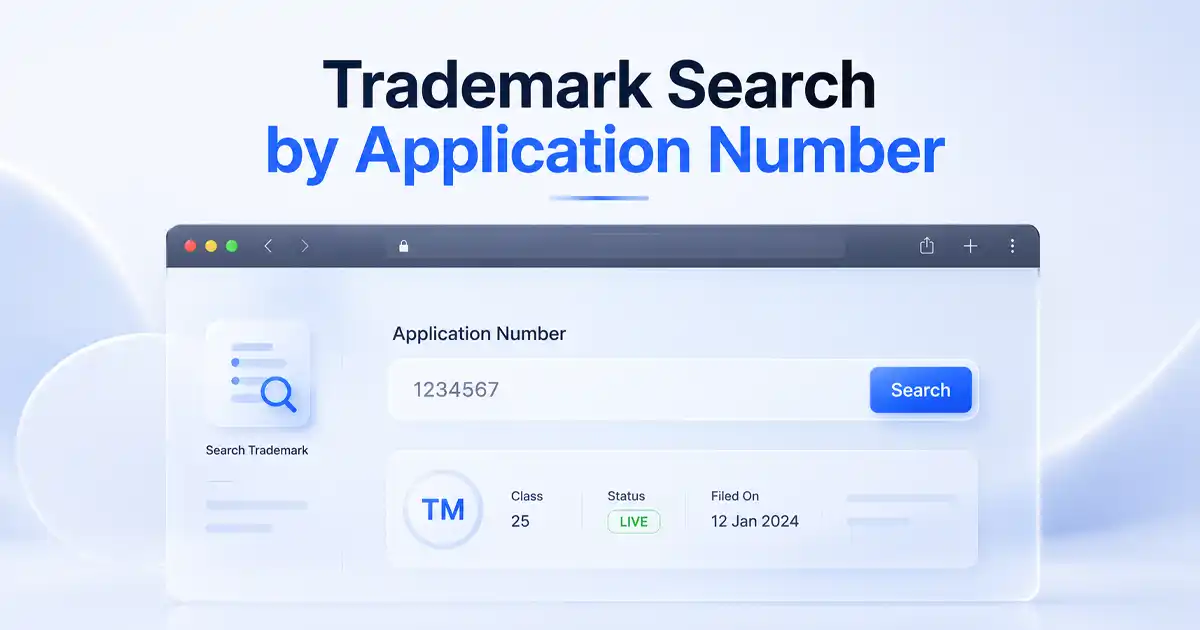
- Enter your trademark application number and the captcha code.
- Click "View" to see the current status and complete application history.
- Review the status and validity information to confirm whether the renewal has been processed.
- You can print the page or save it as a PDF for your records.
Trademark Renewal vs Restoration
Trademark renewal and restoration are easy to confuse, but they apply at different points and carry different levels of risk. Here's the practical distinction:
| Renewal | Restoration | |
| When it applies | On time, or within 6 months after expiry (with surcharge) | After the 6-month grace window, up to 1 year from expiry |
| Mark's status | Still on the register | Removed, or liable to removal |
| Registry's stance | Routine; allowed as a matter of course | Discretionary under Section 25(4); Registrar weighs the interests of any other affected person under Rule 60 |
| Form and cost | Form TM-R, lower fee | Form TM-R, higher combined fee |
If your trademark hasn't been removed, you can renew it. If it has been removed, you must apply for restoration, which is not guaranteed. The Registrar may reject the request if it could affect someone who has since applied for a similar trademark.
Connect with RegisterKaro and let our experts handle the legal hassle while you grow your business.
Frequently Asked Questions (FAQs)
How long is a trademark valid in India?
A registered trademark remains valid for 10 years from the date the application was filed, not from when the certificate is later issued. Each renewal after that also runs for 10 years from the previous term's expiry. Timely renewal preserves your exclusive rights and prevents the Trademark Registry from removing your mark from the register.
What is the grace period for trademark renewal in India?
If you miss the renewal deadline, you get a 6-month grace period to renew your trademark by paying the prescribed surcharge. During this period, the trademark remains on the register. Renewing within the grace period helps you avoid removal and maintain uninterrupted legal protection.
What happens if I fail to renew my trademark?
If you do not renew your trademark within the prescribed period and the 6-month grace period, the Trademark Registry may remove it from the register. You can still apply for restoration within one year of expiry. Otherwise, you must file a fresh trademark application.
Can I renew my trademark after it has expired?
Yes, you can renew your trademark within 6 months after expiry by paying the applicable surcharge. If you miss this period, you can apply for restoration and renewal within one year of the expiry date, subject to the Registrar's approval and prescribed government fees.
What is the government fee for trademark renewal?
Trademark renewal government fees start at ₹9,000 per class for online filing and ₹10,000 per class for physical filing before expiry. Additional government fees apply for late renewal and restoration. Professional fees charged by trademark agents or attorneys are separate from government charges.
Is it possible to change my trademark during the renewal process?
No, trademark renewal only extends the validity of your existing registered trademark. You cannot make significant changes to the mark during renewal. If you want to change the trademark itself, you generally need to file a fresh trademark application with the Trademark Registry.
What is the difference between trademark renewal and trademark restoration?
Trademark renewal applies before expiry or within the 6-month grace period after expiry. Trademark restoration applies after the grace period if the trademark has been removed from the register. Restoration requires the Registrar's approval and involves higher government fees than a standard renewal.
How long does the trademark renewal process take?
Straightforward trademark renewal applications are usually processed within 3-10 working days. The timeline may increase if the Trademark Registry raises a query or requests additional information. Filing accurate documents and paying the correct government fee can help avoid unnecessary delays during processing.
Can I use the ® symbol while my trademark renewal is in process?
Yes, if your trademark remains valid and you have filed the renewal within the prescribed period, you can continue using the ® symbol. It represents a registered trademark and remains applicable as long as your registration continues to stay in force.
Do I need to submit proof of trademark use for renewal?
No, the Trademark Registry generally does not require proof of trademark use when processing a renewal application. You only need to file Form TM-R, pay the prescribed government fee, and provide the required details and documents for successful renewal.
Can someone else renew my trademark on my behalf?
Yes, an authorized trademark agent or attorney can renew your trademark on your behalf. They must be properly authorized by the registered proprietor. This option helps businesses complete the renewal process accurately while ensuring compliance with Trademark Registry requirements.
What is Form TM-R in trademark renewal?
Form TM-R is the official form used to renew or restore a registered trademark in India. You can file it online through the IP India portal using a Class 3 Digital Signature Certificate or submit it physically at the Trademark Registry.
What happens if my trademark is removed from the register?
If your trademark is removed due to non-renewal, you can apply for restoration and renewal within one year of the expiry date. If the restoration period also expires, you lose the registration and must file a new trademark application to regain protection.
Is trademark renewal required for international trademarks?
Yes, if your international trademark registration depends on your Indian registration, keeping the Indian trademark active through timely renewal helps maintain the validity of the related international registration, including registrations made under systems such as the Madrid Protocol.
When can I renew my trademark in India?
You can renew your trademark up to one year before its expiry date under the Trade Marks Rules, 2017. Filing early does not reduce your next 10-year validity period. Early renewal also helps you avoid late fees, missed deadlines, and unnecessary compliance risks.
How can I check my trademark renewal status?
Visit the official IP India website and open the Trade Mark Application/Registered Mark section. Enter your trademark application number and captcha code to view the latest status, renewal details, validity period, and complete application history maintained by the Trademark Registry.
Is trademark renewal mandatory?
Yes, trademark renewal is mandatory if you want to keep your registration active. Renewing every 10 years preserves your exclusive legal rights, protects your brand from unauthorized use, and prevents your trademark from being removed from the Register of Trademarks.
Can I renew multiple trademark classes together?
Yes, you can renew a trademark registered in multiple classes. However, the government charges the prescribed renewal fee separately for each class. Make sure you renew every registered class to maintain complete protection for your goods or services.
Does trademark renewal require publication in the Trademark Journal?
No, most trademark renewals do not require publication in the Trademark Journal. Publication is generally unnecessary for routine renewals and may occur only in exceptional cases where the Trademark Registry considers it necessary during the renewal process.

Reviewed by
Abhilash ShuklaAbhilash Shukla is an Intellectual Property Attorney and Commercial Legal Professional with over 13 years of experience advising businesses on trademark law, brand protection, intellectual property strategy, and commercial legal matters. His tenure as an Examiner of Trade Marks & Geographical Indications with the Government of India allowed him to gain first-hand expertise in trademark examination, registrability assessment, classification, and trademark registry procedures. With a deep understanding of both legal and commercial considerations, Abhilash helps businesses develop practical strategies to protect and scale the value of their brands.
Why Choose RegisterKaro for Trademark Renewal in India?
RegisterKaro ensures your trademark stays protected throughout without delays, compliance issues, or risk of removal from the registry. Here’s how we support you in renewing your trademark:
- Expert Trademark Compliance Support: Our IP professionals handle the entire renewal process in line with the Trade Marks Act, 1999, ensuring accurate filing, proper classification, and zero compliance errors.
- Proactive Deadline Tracking & Alerts: We monitor your trademark validity and proactively notify you before expiry, helping you avoid penalties, grace period complications, or loss of rights.
- 100% Online Stress-Free Filing: From Form TM-R preparation to submission on the IP India portal, we manage the entire process digitally for quick, smooth, and error-free execution.
- End-to-End Documentation & Status Tracking: We handle documentation, verification, filing, and continuous status tracking until your renewal is approved and the updated certificate is issued.
- Trusted by 50,000+ Businesses Across India: Startups, MSMEs, and businesses trust RegisterKaro for reliable trademark renewal and uninterrupted brand protection.

What Our Clients Say
View All
Parag Wasekar
 Verified
Registerkaro is best service for registering your company and other services. I have taken their services. You can trust them, they will take care of... Read more

Raghubir Singh
VerifiedRegisterKaro has been managing our company registration and compliance for the last two years very efficiently. Since Neha Kumari started handling our... Read more

Amit Yadav
VerifiedFinding reliable service can be difficult, but RegisterKaro exceeded my expectations. Mr. Shubham Bharti was courteous, knowledgeable, and always one... Read more

sujit barman
VerifiedStartup india team is very good n team is helpful. Best of luck guys ,I will tell my friend circle also about your company that this company is good n... Read more

Prasant Kumar Thodet...
VerifiedVery professional and timely , It was very smooth and hasslefree journey to register a new company, Register Karo is just an awesome and best way to g... Read more

Ashok Kumar
VerifiedI have opted for director removal process and share transfer which was smoothly completely by Ms. Rupali ,she was giving me prompt response. Thank... Read more

Acamus Retails
VerifiedI have taken services from registerkaro for company incorporation I was assigned with a good and promt team lead Bindiya Anand she was very helpfull w... Read more

aravind raj
VerifiedWe did startup registeration with their team, it was point to point approach and they were clear in those procedures and their followup is too good...

Shahebaz Khan
VerifiedI had an outstanding experience with REGISTER KARO service! From start to finish, the team was professional, responsive, and genuinely committed to en... Read more

Dheeraj Kumar
VerifiedGreat experience with RegisterKaro! The entire incorporation process was handled professionally. Special appreciation to Vandana for her prompt assist... Read more
Related Blogs
View All
Difference Between Brand and Trademark in India
How to File Trademark Form TM-M: Purpose, Fees & Process
Design Registration Fees in India: 2026 Cost Breakdown
How to Search a Trademark by Application Number on IP India?
11 Trademark Class Selection Mistakes to Avoid in 2026
Wordmark vs Logo: Difference, Examples & Trademark Rules in India

How to Register Your Trademark in Flipkart Brand Registry?

Burger King Pune Trademark Battle Case: Local vs Global Brand

Trademark Class 99 in India: Multi-Class Filing Guide (2026)
Difference Between Logo and Trademark in India