Trademark Class Search
Avoid trademark rejection by choosing the correct class before filing with RegisterKaro’s Trademark Class Search. Our tool helps you accurately identify the correct NICE trademark class for your product or service, ensuring a smoother registration process and stronger brand protection. Start your trademark class search now.
What is a Trademark?
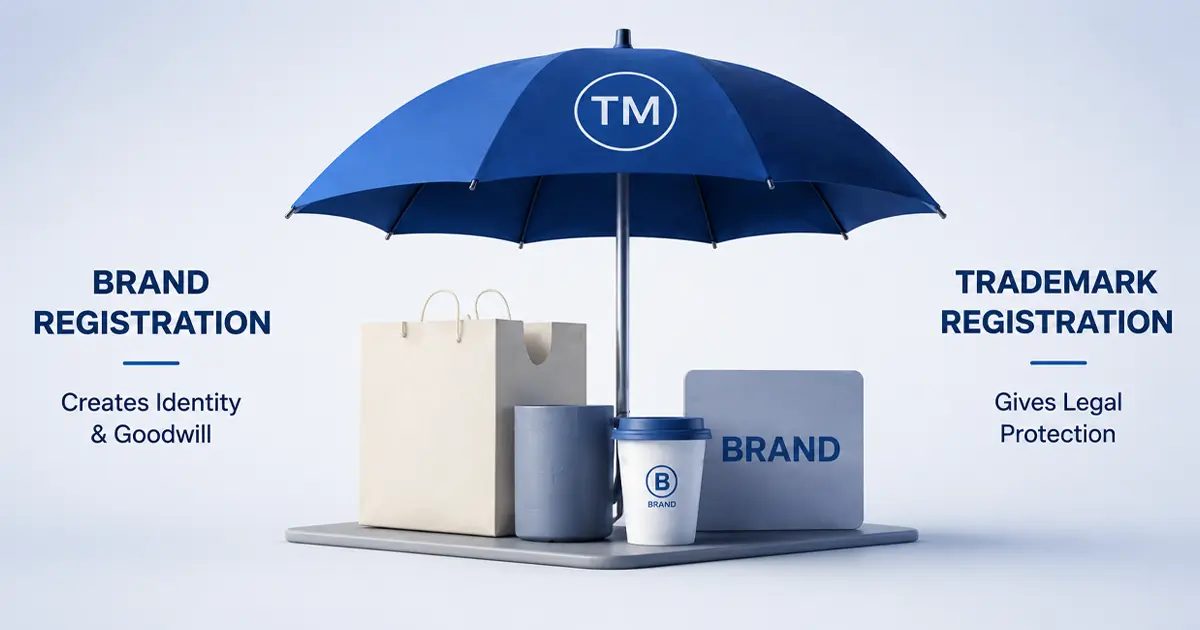
A trademark is a legal sign, such as a name, logo, symbol, word, or slogan, that differentiates one business's products or services from others. In India, trademarks are governed by the Trademark Act, 1999, which regulates their registration, use, and enforcement.
Trademarks help consumers identify the source of goods or services, prevent market confusion, and allow businesses to distinguish their brand from competitors in the same industry. Trademark registration gives the owner exclusive rights to use the mark. It also prevents others from copying or misusing the brand.
For example, the word "Nike" and its swoosh logo are registered trademarks that identify Nike's products worldwide.
What is a Trademark Class?
A trademark class is a category used to classify goods and services for trademark registration under the Nice Classification system. The system organizes all goods and services into 45 distinct classes, as shown below:
- Classes 1 to 34 for goods
- Classes 35 to 45 for services.
For example, if your business deals with clothing, footwear, or headgear, it falls under Class 25. A business with these products can classify them by checking out the Class 25 trademark search options.
When you apply for a trademark, you must select the class that matches your business activity. By following the right process for trademark class check, you can ensure your trademark receives proper legal protection. Filing under the wrong class can limit protection or lead to trademark objections or rejection.
In simple terms, a trademark class defines the category of goods or services your trademark protects. However, your trademark needs to be unique and must not conflict with any legally existing trademark. To ensure that you can search your trademark online.
Benefits of Registering a Trademark Under the Right Class
Registering a trademark under the right class provides long-term benefits to a business. It protects the brand from infringement and reduces the risk of legal disputes. Certain other advantages of registering your trademark under the right class are:
- Exclusive ownership: Grants legal rights to use the trademark for your registered goods or services.
- Brand protection: Safeguards your brand from misuse, imitation, or counterfeiting.
- Customer trust: Enhances credibility and assures customers of authenticity.
- Legal enforcement: Allows legal action against unauthorized use and strengthens dispute protection.
- Business value: Acts as a valuable asset that can be licensed, franchised, or sold.
- Market advantage: Helps your business stand out in a competitive market.
Trademark Class List for Goods and Services
The Nice Classification system is an internationally accepted framework used to classify goods and services for trademark registration. The classification makes it easy for businesses and trademark authorities to identify goods and services under different categories. Here is a detailed classification of goods and services for reference.
Businesses can use this trademark class list to check in which category their product or services lie.
Classification of Goods
| Class | Description of Goods |
| Class 1 | Chemicals for industry, science, agriculture, horticulture, and forestry |
| Class 2 | Paints, varnishes, lacquers, dyes, and preservatives against rust |
| Class 3 | Cosmetics, perfumes, soaps, cleaning and polishing preparations |
| Class 4 | Industrial oils, greases, fuels, lubricants, candles |
| Class 5 | Pharmaceuticals, medical and veterinary preparations |
| Class 6 | Common metals, metal alloys, metal goods, hardware |
| Class 7 | Machines, machine tools, motors, engines (except vehicles) |
| Class 8 | Hand tools and implements, cutlery, side arms |
| Class 9 | Scientific instruments, computers, software, electronics |
| Class 10 | Medical and surgical instruments, prosthetics |
| Class 11 | Lighting, heating, cooling, cooking, and sanitary appliances |
| Class 12 | Vehicles, apparatus for locomotion by land, air, or water |
| Class 13 | Firearms, ammunition, explosives, fireworks |
| Class 14 | Precious metals, jewellery, watches, clocks |
| Class 15 | Musical instruments |
| Class 16 | Paper, cardboard, printed matter, stationery |
| Class 17 | Rubber, plastics, insulation materials |
| Class 18 | Leather, bags, luggage, wallets |
| Class 19 | Building materials (non-metallic) |
| Class 20 | Furniture, mirrors, plastic goods (not included elsewhere) |
| Class 21 | Household utensils, kitchenware, glassware |
| Class 22 | Ropes, nets, tents, tarpaulins, sacks |
| Class 23 | Yarns and threads for textile use |
| Class 24 | Textiles and textile goods |
| Class 25 | Clothing, footwear, headgear |
| Class 26 | Lace, embroidery, buttons, hooks, zippers |
| Class 27 | Carpets, rugs, mats, linoleum |
| Class 28 | Games, toys, sporting articles |
| Class 29 | Meat, fish, poultry, dairy products |
| Class 30 | Coffee, tea, sugar, rice, bakery products |
| Class 31 | Agricultural, horticultural, and forestry products |
| Class 32 | Beers, soft drinks, mineral waters |
| Class 33 | Alcoholic beverages (except beer) |
| Class 34 | Tobacco, cigarettes, smokers' articles |
Classification of Services
| Class | Description of Services |
| Class 35 | Advertising, business management, marketing services |
| Class 36 | Insurance, banking, financial, and real estate services |
| Class 37 | Construction, repair, and installation services |
| Class 38 | Telecommunications and broadcasting services |
| Class 39 | Transport, packaging, storage, travel services |
| Class 40 | Treatment of materials, manufacturing services |
| Class 41 | Education, training, entertainment, sports activities |
| Class 42 | Scientific, technological, IT, and software services |
| Class 43 | Food and drink services, temporary accommodation |
| Class 44 | Medical, healthcare, beauty, and agricultural services |
| Class 45 | Legal services, security services, and personal and social services |
Commonly Searched Trademark Classes in India
Some trademark classes are used more frequently because they cover a broad range of commonly traded goods and services. The most often used trademark classes include:
- Trademark Class 25 - For clothes, footwear, headgear, etc.
- Trademark Class 35 - For services such as advertising, business management, marketing, and retail services.
- Trademark Class 9 - Includes electronics such as computers, software, digital products, etc.
- Trademark Class 42 - For IT services, software development, and technology-related services.
What is a Trademark Class Search Finder?
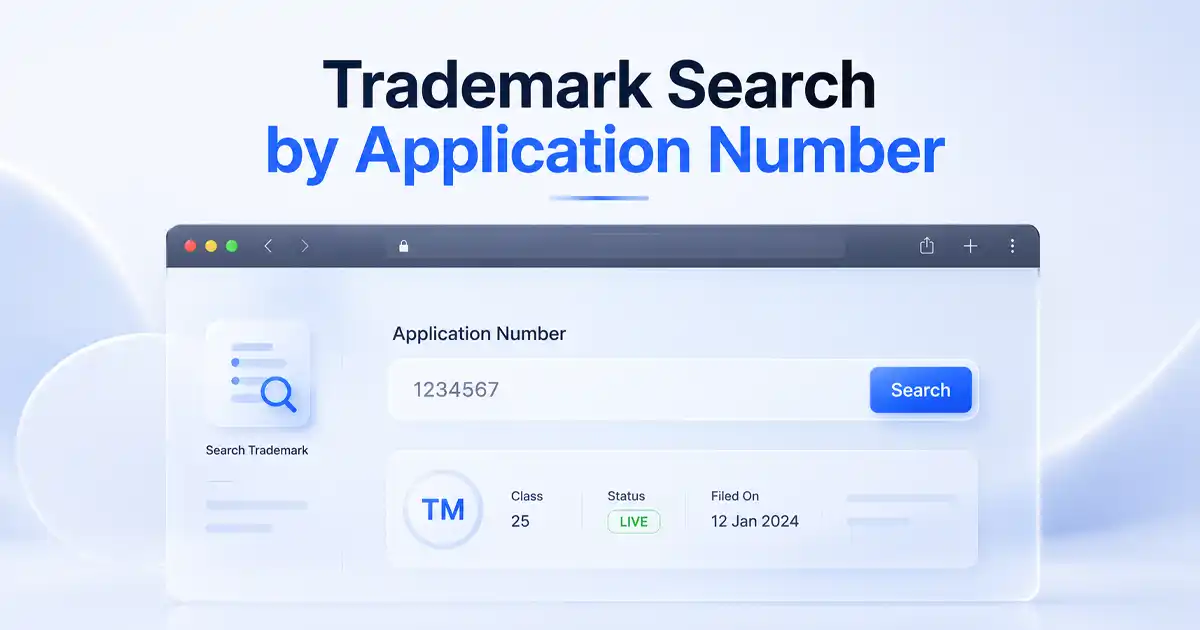
A TM Class Search Finder is used to check whether a similar or identical trademark already exists in the same class or not. It helps businesses avoid conflicts, trademark objections, and rejection during registration. All the trademark class finder tools are based on the NICE classification system that ensures their credibility and reliability.
How to Check Trademark Class Using RegisterKaro’s Trademark Class Finder?
RegisterKaro's Free Trademark Class Search Finder is simple to use and helps you identify the correct trademark class before filing your application. Follow these steps:
- Enter your goods or services: Type the product or service you offer in the search bar (for example, clothing, software, or food services).
- Review suggested classes: The tool automatically shows your input to the relevant trademark class under the Nice Classification.
- Check class descriptions: Read the class details to confirm that your goods or services fall within the selected category.
- Identify single or multiple classes: Determine whether your business requires registration in one class or multiple classes.
- Proceed with filing: Once you finalize the class, you can move ahead with trademark registration confidently.
- Get expert validation: If your business operates across multiple categories, RegisterKaro’s trademark experts can help validate your class selection before filing.
Why Use RegisterKaro’s Trademark Class Search Tool?
RegisterKaro's Trademark Class Search Finder is a reliable tool that will help you avoid misclassification and further legal troubles. Here's what our tool offers:
- Accurate Classification: Designed for trademark class search in India, the tool follows the official NICE Classification system used by the Indian Trademark Registry.
- Time-Saving: It eliminates the need to manually check all 45 classes, making the trademark filing process faster and easier.
- Reduce Errors: By selecting the right class, you minimize the risk of objections or rejections due to misclassification.
- User-Friendly Interface: The platform is simple to use, even for first-time applicants, guiding you step by step.
- Comprehensive Suggestions: The tool provides multiple relevant classes if your business spans different products or services.
- Trusted Platform: With RegisterKaro, you get reliable, legally aligned results, ensuring your trademark is properly protected.
Frequently Asked Questions
Yes, you can check trademark availability by class using the RegisterKaro tool. It helps you identify the correct trademark class based on your goods or services and allows you to search for existing trademarks within that class. This ensures that your proposed trademark does not conflict with already registered or applied marks. Class-wise searching reduces the risk of objections and legal disputes. It also saves time by narrowing the search to the most relevant category.