Wordmark Registration in India
Secure exclusive rights to your brand name with expert Wordmark Registration in India. RegisterKaro ensures a smooth, compliant process for protecting your business identity under trademark law.
 Trademark Search & Eligibility CheckFiling of Wordmark Application (Online/Offline)Response Handling for Objections & OppositionsLegal Guidance on Trademark Classes & Use of ™/®Complete Support from Filing to Certificate Issuance & Renewal

 What Sets Us ApartWhat Sets Us Apart
What is a Wordmark?
A wordmark, also called a logotype, is a text-only logo that uses a company's name styled in a specific font. Unlike logos with symbols or images, a wordmark’s power comes from its unique typography.
It's more than just a name – it uses specific fonts, colors, and spacing to make the brand stand out and be easy to remember. Good wordmarks, like Google or Coca-Cola, match the brand’s look and feel, helping people recognize and remember them better.
How Wordmark Registration Protects Your Brand from Copycats
A wordmark registration protects your brand name as a legal asset under the Trademarks Act, 1999 in India (and similar laws globally).
1. Establishes Statutory Ownership under Trademark Law
Once registered, a wordmark becomes your exclusive legal property under Section 28 of the Trade Marks Act. You gain the statutory right to use the mark in connection with the specified class of goods/services. This ownership is enforceable in court and overrides mere usage rights.
2. Confers the Right to Sue for Infringement
With registration, you can sue anyone who uses an identical or deceptively similar mark under Section 29 of the Act. This includes:
- Unauthorized commercial use
- Use in business names, domain names, product packaging, or marketing
- Sound-alike or lookalike names that cause confusion
You can claim damages, injunctions, and even seizure of goods.
3. Prevents Similar Marks from Being Registered
The Trademark Registry performs a relative grounds check (Section 11) before accepting new applications. If your wordmark is registered, similar or identical marks will be refused, reducing the risk of future copycats being legally recognized.
4. Protects Across the Entire Class of Goods/Services
Registration protects your mark within the entire class you apply under (as per the Nice Classification system). Even if another party uses the same word for a different product in the same class, it may still amount to infringement.
5. Shifts the Burden of Proof in Your Favor
In case of dispute, the registered owner does not have to prove usage to claim rights. The registration certificate itself is prima facie evidence of your ownership, saving time and money in litigation.
6. Allows Recordation with Enforcement Authorities
Registered wordmarks can be recorded with Customs or enforcement agencies (e.g., under IPR (Imported Goods) Enforcement Rules). This enables officials to identify and block counterfeit goods before they enter the market.
7. Enables Trademark Watch and Oppositions
With registration, you can monitor new filings and oppose similar marks within the prescribed window (typically 4 months from publication in the TM Journal). This proactive measure blocks potential infringers from gaining legal ground.
8. Supports Cross-Border Protection through the Madrid Protocol
If your wordmark is registered in India, you can apply for international protection under the Madrid Protocol. This protects your brand globally and helps prevent foreign entities from registering your name abroad.
9. Strengthens Your Position in Domain Name Disputes
In cases of cybersquatting or domain name hijacking, a registered wordmark can be used as evidence under the UDRP (Uniform Domain-Name Dispute-Resolution Policy) to recover domain names deceptively registered by third parties.
Wordmark vs. Logo (Device Mark)
A wordmark is a logo based on text, fundamentally a stylized depiction of an organization's name, whereas a device mark (or logo) is a graphic symbol or image that signifies the brand.
Here's a comparison of Wordmark vs. Logo (Device Mark):
| Feature | Wordmark (Logotype) | Logo (Device Mark / Pictorial Mark / Symbol) |
| Definition | A logo type that solely employs the name of a company, product, or organization, rendered in a stylized or distinctive typeface. | A graphic symbol, icon, or image that represents a company, product, or organization, without relying on text. |
| Primary Element | Text (Company/Brand Name) | Symbol, Icon, Graphic, Abstract Shape, or Imagery |
| Reliance On | Typography, Font Choice, Color, Spacing, Kerning | Visual imagery, Shape, Color, Abstract Representation |
| Purpose | To make the brand name itself recognizable and memorable through its unique text styling. | To create instant visual recognition and association with the brand, often without needing the name. |
| Memorability | Achieved through the distinctive typography of the name. | Achieved through a unique, often abstract or symbolic, visual. |
| Examples | Google, Coca-Cola, FedEx, Visa, Disney | Apple (bitten apple), Nike (swoosh), Mercedes-Benz (three-pointed star), Target (bullseye) |
| Versatility | It can be highly versatile if the font is adaptable across various applications. | Highly versatile; can be recognized even at small sizes or when the name isn't present. |
| Brand Identity | The name is the identity, expressed typographically. | The image is the identity; the name often accompanies it, but isn't strictly necessary for recognition. |
| Complexity | Generally simpler in concept, focusing on text design. | Can range from simple abstract shapes to more complex illustrations. |
| Application | Often used alone, or sometimes paired with a tagline. | Can be used alone or combined with a wordmark (creating a combination mark). |
| Protection Scope | A wordmark registration protects only the word/text itself, regardless of its styling. | A device mark registration protects only the specific graphic/image. To protect a logo that combines both, you may need a 'combination mark' registration for comprehensive security. |
Benefits of Wordmark Registration
Registering a wordmark provides several benefits, primarily focused on safeguarding your brand's name and guaranteeing its exclusive usage.
- Exclusive Rights: Gain the sole legal right to use your brand name nationwide for your specified goods/services.
- Legal Protection: Lets you take legal action against anyone using a similar or identical mark without permission.
- Remedies for Infringement: Allows you to stop the misuse, claim compensation for losses, and seize fake products.
- Unique Brand Identity: Helps create a distinct brand name that customers can easily recognize and remember.
- Increased Brand Value: Makes your brand appear more trustworthy, high-quality, and professional.
- Customer Trust and Loyalty: Builds strong relationships with customers who associate your brand with consistency and reliability.
- Easy Marketing and Sales: Makes it simpler to promote your products or services and attract more customers.
- Support for Business Growth: Helps you expand your brand both in India and internationally.
- Opportunities for Licensing and Franchising: Lets you license or franchise your brand name to generate more income.
- Flexible Use: Protects the word itself, so you can use it in any font, color, or design.
- Broad Visual Protection: Ensures your brand name stays protected no matter how it is visually presented.
Who is Eligible for Wordmark Registration in India?
To apply for a wordmark, different eligibility criteria apply depending on the type of entity:
- Individual: Any individual can apply for a wordmark, even if they do not own a company. The trademark can be registered for prospective use.
- Partnership Firm: A partnership firm is eligible to apply for a wordmark, as long as all partner names (up to 10) are clearly stated in the application. If any partner is a minor, the guardian’s name must be mentioned.
- Joint Owners: Joint owners can jointly apply for a wordmark, provided both their names are listed in the trademark application.
- Proprietorship Firm: A proprietorship firm may submit a trademark application under the proprietor's name. If the firm’s name is also mentioned, it will be treated as a distinct entity.
- Limited Liability Partnership (LLP): In the case of an LLP, the wordmark must be registered under the LLP’s name. The partners are considered separate from the LLP and are not mentioned in the application.
- Trust and Society: Trusts and societies may register a wordmark through a representative—such as the chairman, trustee, or secretary—whose name is used in the application.
- Indian Company: Any Indian company—whether formed through new private company registration, limited by shares, limited by guarantee, or with unlimited liability—can register a wordmark under the company’s official name.
- Foreign Company: A foreign company may register a wordmark in India using its name as registered in its home country. The application must include details like the company’s official name, type of business, and country of incorporation.
Documents Required for Wordmark Registration
To register a wordmark in India, you need to submit certain documents that establish your identity, ownership, and business legitimacy.
1. Applicant’s Identity Proof
This document confirms the identity of the individual or business entity applying for the trademark. Acceptable documents include a PAN Card, Aadhar Card, Passport, Voter ID, or Driving License. If the applicant is a company or LLP, identity proof of the director or authorized signatory must be submitted.
2. Address Proof of the Applicant
Address proof helps determine jurisdiction and ensures communication from the Trademark Registry reaches the correct location. You can submit a recent electricity bill, telephone bill, bank statement, or rent agreement in the name of the applicant.
3. Certificate of Incorporation or Business Registration Proof
For businesses such as Private Limited Companies, LLPs, or Partnerships, it’s important to submit proof of business existence. This includes the Certificate of Incorporation, LLP Agreement, or Partnership Deed. Sole proprietors may also submit MSME or Udyam Registration as supporting documentation.
4. Logo or Wordmark Image (Optional for Wordmark)
For a standard wordmark application, a logo is not mandatory. However, if you wish to protect a stylized version of the wordmark (with a unique font or design), you should provide a high-resolution image (JPG format, under 200 KB) of the logo.
5. Power of Attorney (Form TM-48)
When the application is filed through a trademark agent or attorney, you must authorize them by submitting Form TM-48. This form should be signed by the applicant and may be required on plain or stamped paper, depending on the legal representative’s policy.
6. User Affidavit (If the Mark is Already in Use)
If your wordmark has been in use before filing, you must submit a User Affidavit. This declaration should include proof of usage, such as invoices, product labels, social media posts, or website screenshots, along with the date of first use to support your claim.
7. Trademark Application Form (Form TM-A)
This is the primary form used to apply for wordmark registration. It contains all essential information like applicant details, trademark class, description of goods/services, and the mark itself. This form is generally prepared and submitted by your attorney or service provider.
Wordmark Registration Process in India
The step-by-step process for registering a wordmark in India is as follows:
Step 1: Conducting a Trademark Search
Before finalizing a brand name or logo, it's essential to perform a trademark search on the official portal of the Controller General of Patents, Designs & Trade Marks. This helps determine whether the mark is available and ensures there are no legal conflicts associated with it.
Step 2: Submission of Application
After confirming the availability of the desired mark, the application for trademark registration can be filed either online or offline. Upon online submission, an application number is generated for tracking and future use.
Step 3: Application Review and Examination
The application and accompanying documents are reviewed by the trademark examiner. If all details are accurate and complete, the application is approved and sent for publication. In case of objections, the applicant must respond within one month. If the reply resolves the issues, the application proceeds. Otherwise, it is declined.
Step 4: Publication and Public Notice
The approved trademark is then published in the official trademark journal for four months. If no oppositions are raised, the registration process continues. If objections arise, the applicant has 30 days to respond. A satisfactory response leads to further processing.
Step 5: Grant of Registration Certificate
Once all reviews and objections (if any) are cleared, the Registrar issues the official certificate of registration to the applicant.
Step 6: Renewal of the Registered Wordmark
The issued trademark registration remains valid for ten years. After the expiry, it can be renewed indefinitely by paying the prescribed government renewal fee.
Wordmark Registration Fees
The expenditure for registering a wordmark in India encompasses both government charges and professional service fees.
1. Government Fees
- Individuals, MSMEs, and Startups: ₹4,500 per class for online submission, and ₹5,000 per class for physical submission.
- Companies, LLPs, and other entities: ₹9,000 per class for online submission, and ₹10,000 per class for physical submission.
2. Professional Fees
- Professional fees for these services typically range from ₹5,000 to ₹30,000, depending on the complexity of your case.
- These fees encompass services such as application drafting, submission, and potentially managing any objections or oppositions that may arise.
3. Renewal Fees
- A registered wordmark must be renewed every 10 years.
- Government Renewal Charges:
- ₹9,000 (online renewal)
- ₹10,000 (physical renewal)
4. Opposition & Hearing Fees
If a third party files an opposition after publication:
- ₹2,700 for filing a notice of opposition
Additional fees may apply for:
- Filing counter-statements
- Attending hearings
- Submitting evidence
5. Expedited Examination Fees
If you want faster processing of your wordmark application:
- ₹40,000 (for Request for Expedited Examination)
- Available only for e-filing
6. GST Applicability
- Government Fees: Exclusive of GST (not applicable)
- Professional Fees: Subject to 18% GST
After Registration Using the ™ and ® Symbols Correctly in India
The ™ symbol shows that you are claiming a word or logo as your trademark, including throughout the application phase, whereas the ® symbol is utilized solely once the trademark has been formally registered.
Incorrectly applying the ® symbol before registration can lead to legal complications. Following registration, the ® symbol signifies that the trademark enjoys legal safeguarding.
1. The ™ Symbol (Trademark)
This symbol can be utilized by anyone asserting rights to a trademark, whether about goods or services, even before or during the registration procedure.
- Implication: It signals to the public that you consider the mark your own and that you are asserting trademark rights.
- Legitimacy: It is entirely permissible to use the ™ symbol while your trademark application is pending or even if you have not yet applied.
- Illustration: You may place the ™ symbol adjacent to your logo or brand name on your website, merchandise, or promotional content.
2. The ® Symbol (Registered Trademark)
This symbol should exclusively be used after your trademark has been officially recorded with the Indian Trademarks Registry.
- Implication: It denotes that your trademark is officially registered and legally protected within India.
- Legitimacy: Employing the ® symbol before registration is unlawful and can result in legal ramifications. It may also lead to the rejection of your application by the Trademark Registry.
- Illustration: Once your trademark is registered, you may append the ® symbol alongside it to signify your legal ownership.
3. Key Distinctions
The ™ symbol is applicable for both registered and unregistered trademarks, while the ® symbol is strictly reserved for registered trademarks.
The ® symbol provides comprehensive legal protection and exclusive rights to the trademark proprietor, whereas the ™ symbol confers common law rights. Incorrect use of the ® symbol can incur legal penalties.
4. Importance of Accurate Usage
Properly using these symbols enhances brand trustworthiness and professional standing. Correct application aids in safeguarding your intellectual property by discouraging potential infringers. It informs consumers that the mark is officially registered and legally safeguarded.
5. Method of Symbol Application
The symbols are typically positioned in the upper right corner, lower right corner, or horizontally aligned with the mark. Maintain uniformity in the deployment of these symbols across all your materials.
Wordmark Registration Renewal Process
The wordmark renewal process in India involves submitting Form TM-R with the required fee, either online or offline, to the Trademark Registry.
- Application Submission: File Form TM-R online or offline with the Trademark Registry.
- Fee Payment: Pay the prescribed renewal fee, which is INR 9,000 for online filing and INR 10,000 for offline filing. Additional surcharges apply for renewals filed within the grace period after expiry.
- Scrutiny: The Registry will review the application to ensure it meets all requirements.
- Publication (If Applicable): While general renewals typically do not require re-publication, if any significant changes or specific circumstances arise, the renewed trademark might be advertised in the Trademark Journal.
- Opposition Period (If Published): If the renewal is published in the Trademark Journal, third parties have a period of four months from the date of its publication to oppose the renewal.
- Certificate Issuance: Upon successful scrutiny (and resolution of any opposition, if applicable), the Trademark Renewal Certificate will be issued, confirming the extension of the trademark's validity.
Common Mistakes to Avoid in Wordmark Filing
Common mistakes to avoid when filing for a wordmark include the following:
1. Choosing a Non-Distinctive or Generic Word
Selecting a word that lacks uniqueness—such as common, descriptive, or generic terms—can lead to immediate rejection. A wordmark must be capable of distinguishing your goods or services from others in the market. Using names like “Fresh Water” for bottled water may not qualify for registration.
2. Skipping a Proper Trademark Search
Many applicants make the mistake of not conducting a detailed trademark search before filing. This can result in applying for a wordmark that is already in use or registered, which increases the risk of opposition or rejection. Always check existing trademarks using official databases like the IP India portal.
3. Filing Under the Wrong Class
Trademark protection is categorized under different classes based on the nature of goods or services. Applying under the wrong class—or missing relevant ones—means your mark won’t be protected in your actual line of business. Refer to the Nice Classification and consult experts if unsure.
4. Incorrect Applicant Information
Errors in the applicant’s name, business structure, or address can create legal discrepancies and delays. The trademark should be registered under the correct name, whether it’s an individual, partnership, LLP, or private limited company, with details matching official documents.
5. Misuse of TM or ® Symbols
Using the ® (registered) symbol before official registration is a violation of trademark law. The ™ symbol can be used for applied or unregistered marks, while ® should only be used once the wordmark is officially registered with the Trademark Registry.
6. Ignoring Examination Reports or Objections
After filing, your application may receive objections under Section 9 (descriptive) or Section 11 (similar mark). Ignoring or delaying a response to these objections can result in abandonment. A well-drafted reply, usually by a legal expert, can help move your application forward.
7. Not Monitoring the Application Status
Many applicants forget to track the progress of their trademark application. This can cause them to miss opposition notices, deadlines for responses, or renewal alerts. Regular monitoring of the IP India website is crucial to ensure a smooth registration process.
8. Forgetting to Renew the Trademark
A registered wordmark is valid for 10 years in India, after which it must be renewed. Failing to renew on time can lead to removal from the trademark register, resulting in loss of exclusive rights. Timely renewal is essential to keep your brand legally protected.
9. Failing to Use the Wordmark
If a trademark is not used for five consecutive years after registration, it can be legally challenged and cancelled due to non-use. Ensure your wordmark is used in marketing, packaging, or services to maintain your rights.
10. Filing Without Legal Support
Attempting to file a wordmark application without proper legal knowledge increases the risk of errors and rejections. Engaging a trademark attorney or professional service provider, like RegisterKaro, helps ensure your application is filed correctly and efficiently.
Connect with RegisterKaro and let our experts handle the legal hassle while you grow your business.
Frequently Asked Questions (FAQs)
Can You Sell Your Registered Wordmark?
Yes, a registered wordmark (which is a type of trademark) can be sold or transferred through a process called "Trademark Assignment." This involves transferring the ownership rights of the wordmark to another individual or entity.
There are different types of assignments, including complete assignments, partial assignments, assignments with goodwill, and assignments without goodwill.
What is the difference between a wordmark and a trademark?
A "trademark" is a broad term that refers to any sign used to distinguish the goods or services of one enterprise from those of others. This can include words, logos, slogans, shapes, colors, sounds, and even smells.
A "wordmark" is a specific type of trademark that consists solely of words, letters, or numbers without any stylized design, font, color, or graphic elements. It protects the textual representation of your brand name. So, while all wordmarks are trademarks, not all trademarks are wordmarks.
Is wordmark registration compulsory in India?
No, wordmark (trademark) registration is not compulsory in India. You can use a brand name without registering it. However, it is highly recommended to register your wordmark. While unregistered marks are protected under common law rights through "passing off" actions, proving these rights can be difficult and time-consuming. A registered wordmark provides exclusive legal rights, stronger protection against infringement under the Trademarks Act, 1999, and enhances brand value and goodwill.
How long does it take to get a wordmark registered in India?
The entire process of getting a wordmark registered in India can take anywhere from 12 to 36 months in a straightforward case without objections or opposition.
- Trademark Search: 1-2 days
- Filing Application (Form TM-A): 1 day (you can use the ™ symbol after filing)
- Examination by Trademark Office: 6-12 months (may involve objections)
- Publication in Trademark Journal: 4 months (for third-party opposition)
- Issuance of Registration Certificate: 1-2 months (if no opposition or if opposition is resolved)
Can I use my brand name before the wordmark is registered?
Yes, you can use your brand name before it is officially registered. Upon filing the trademark application, you can use the ™ (trademark) symbol to indicate that you are claiming rights over the mark. However, you can only use the ® (registered trademark) symbol once your wordmark is officially registered and you have received the registration certificate. While you can use your brand name, legal protection for an unregistered mark is limited to common law rights (passing off), which are harder to enforce.
What happens if someone objects to my wordmark application?
If your Indian wordmark application is objected to by an examiner or opposed by a third party, you must respond within specified timeframes (typically 30 days for examiner objections, 2 months for third-party oppositions) or risk abandonment/rejection. This process may involve hearings.
For how long is a wordmark registration valid in India?
A wordmark registration in India is valid for 10 years from the date of application. It can be renewed indefinitely for subsequent periods of 10 years by paying the prescribed renewal fees.
Can I register a wordmark that is not in English?
Yes, you can register a wordmark in India that is not in English. The Indian Trademark Rules, 2017, allow for the registration of marks in regional or foreign languages. However, if your wordmark contains words or numbers in scripts other than Hindi or English, you are required to provide a precise transliteration and translation of each such word or number into English or Hindi in your application. The language of the word(s) or numbers should also be stated.
What are the main grounds for refusal of a wordmark?
The main grounds for refusal of a wordmark registration in India fall under two categories:
Absolute Grounds for Refusal (Section 9 of the Trademarks Act, 1999):
- Lack of Distinctiveness: If the wordmark is not capable of distinguishing the goods or services of one person from those of others (e.g., generic terms like "Coffee" for a coffee shop, or descriptive terms like "Sweet" for candies).
- Descriptive Marks: If the wordmark directly describes the quality, quantity, purpose, geographical origin, or other characteristics of the goods or services.
- Customary in Trade: If the wordmark has become customary in the current language or the established practices of the trade.
- Deceptive Marks: If the wordmark is likely to deceive or cause confusion among the public (e.g., a mark implying a geographical origin that is false).
- Offensive/Scandalous Marks: If the wordmark contains any scandalous or obscene matter, or is likely to hurt religious susceptibilities.
- Prohibited by Law: If the wordmark is prohibited under the Emblems and Names (Prevention of Improper Use) Act, 1950, or other laws (e.g., national flags, government emblems).
Relative Grounds for Refusal (Section 11 of the Trademarks Act, 1999):
- Similarity to Existing Marks: If the wordmark is identical or similar to an earlier registered trademark or a trademark for which an application has been filed, and it covers identical or similar goods or services, leading to a likelihood of confusion.
- Well-Known Trademarks: If the wordmark is identical or similar to a well-known trademark, even if the goods or services are different, and its use would take unfair advantage of, or be detrimental to, the distinctive character or repute of the well-known trademark.
Who is eligible to apply for a wordmark in India?
Any person or legal entity can apply for a wordmark registration in India. This includes:
- Individuals (sole proprietors)
- Partnership Firms
- Limited Liability Partnerships (LLPs)
- Companies (Private Limited, Public Limited, One Person Company)
- Trusts
- Societies
- Associations
- Foreign nationals or foreign entities
Do I need a GST registration to apply for a wordmark?
No, GST registration is not explicitly mandatory for all wordmark applications in India. You can file a trademark application without a GST certificate.
- Reduced Fees for Start-ups and Small Enterprises: If you are applying for reduced filing fees as a "start-up" or "small enterprise" under government schemes, a GST certificate (along with a DPIIT Recognition certificate for start-ups or an MSME certificate for small enterprises) can serve as valid supporting documentation and proof of business identity.
- Professional Services: While GST is not levied on the trademark registration fee itself by the Trademark Office, the professional fees charged by lawyers, trademark agents, or other service providers for assisting with trademark registration are subject to GST (currently 18%).

Reviewed by
Abhilash ShuklaAbhilash Shukla is an Intellectual Property Attorney and Commercial Legal Professional with over 13 years of experience advising businesses on trademark law, brand protection, intellectual property strategy, and commercial legal matters. His tenure as an Examiner of Trade Marks & Geographical Indications with the Government of India allowed him to gain first-hand expertise in trademark examination, registrability assessment, classification, and trademark registry procedures. With a deep understanding of both legal and commercial considerations, Abhilash helps businesses develop practical strategies to protect and scale the value of their brands.
Why Choose RegisterKaro for the Wordmark Registration Services?
Secure your brand identity with RegisterKaro's wordmark registration services.
- Simple and Stress-Free Process: Our team aims to simplify the often complex wordmark registration journey, making it easy for you to navigate.
- Expert Guidance: Benefit from the knowledge and experience of their intellectual property professionals, who provide accurate advice and support throughout.
- Dedicated Support from Start to Finish: We offer continuous assistance, from the initial consultation and search to filing the application and addressing any objections.
- Your Brand's Protection is Our Priority: They focus on securing your wordmark effectively, safeguarding your brand identity and intellectual property rights.

What Our Clients Say
View All
Kapil Wahi
 Verified
Prompt and proper is how I would define the service from register karo. Piyush Jamwal is exceptionally responsible and reliable. One call away to answ... Read more

Ronam Nial
VerifiedThank you so much to RegisterKaro and especially to Shruti mam for making our company incorporation process incredibly smooth and hassle-free. Her gu... Read more

Dinesh Kumar
VerifiedI had an excellent experience with your RegisterKaro. From the very beginning, everything was handled with professionalism and care. The team was resp... Read more

Nilam Shivarkar
VerifiedGreat service and a very smooth process. Everything was clearly explained and completed on time. The staff is polite and very supportive throughout. I... Read more

CAREER FORUM
VerifiedHave great experiance with Registerkaro for company registration and compliance related services. The entire process was very fast. A special thanks t... Read more

Rupesh Singh
VerifiedI had a smooth and hassle-free experience with RegisterKaro for my company registration. The team was professional, responsive, and guided me clearly... Read more

Sanoj kumar padhi
VerifiedIt's a very Nice Place For Further requirement Of Company and Firm registration, I am Too Much Satisfied For the all Services and Support, Thank You R... Read more

Satendra Sahani
VerifiedGreat experience with RegisterKaro! The team was professional, responsive, and made my company registration process quick and hassle-free. Highly reco... Read more

Rozy Deori
VerifiedGreat experience with RegisterKaro! Satyapriya Tripathi handled my tax filing efficiently and professionally. Their guidance and support made the proc... Read more

Charles Finney (Neur...
VerifiedI had a fantastic experience with RegisterKaro when registering my company as an LLP. Their team was incredibly helpful and knowledgeable throughout t... Read more
Related Blogs
View All
How to Start a Chocolate Business From Home in India (2026)?
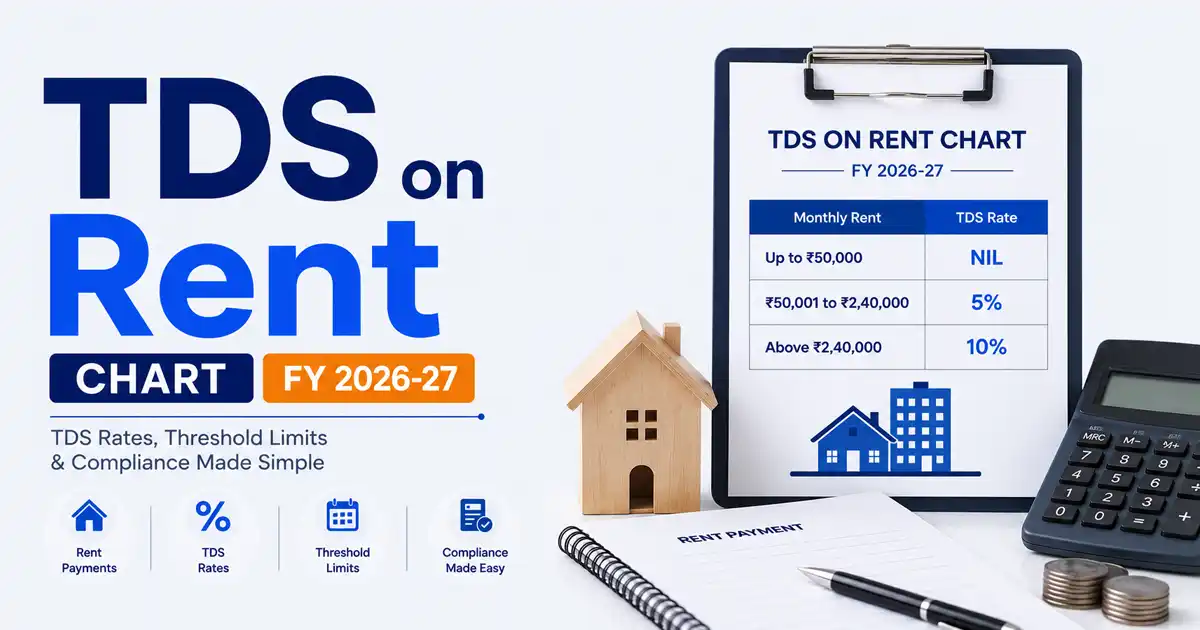
TDS on Rent Chart FY 2026–27: Rates, Limits, Sections and Complete Guide
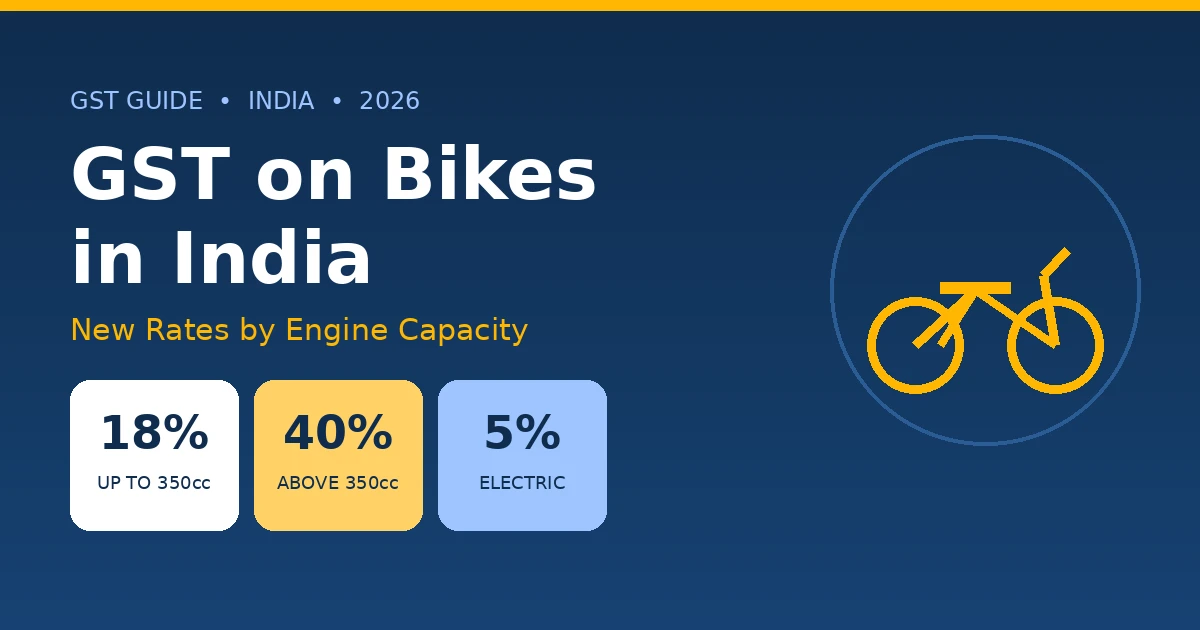
GST on Bikes in India: New Rates by Engine Capacity
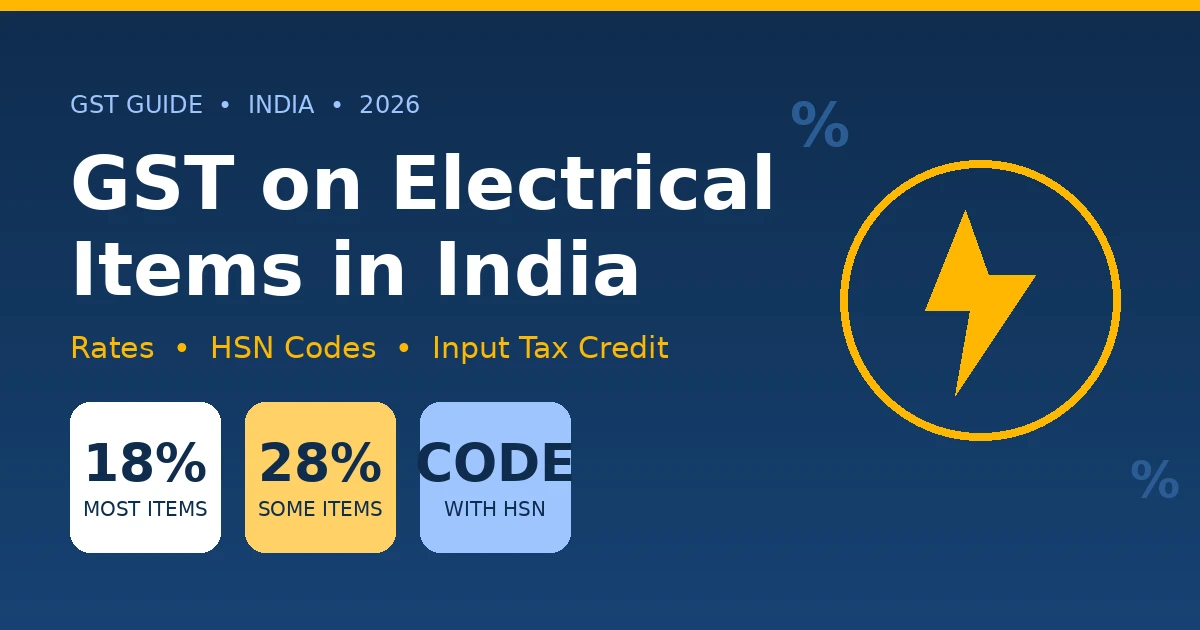
GST for Electrical Items in India: Rates & HSN Codes
GST on Cars in India 2026: New Rates, Slabs & Impact

GST on Car Insurance in India: Rate, ITC, and Latest Rules
GST on Vehicle Insurance in India: Rate, ITC & Rules
How to Check IEC Code Application Status Online on DGFT Portal? Complete 2026 Guide
Difference Between Brand and Trademark in India
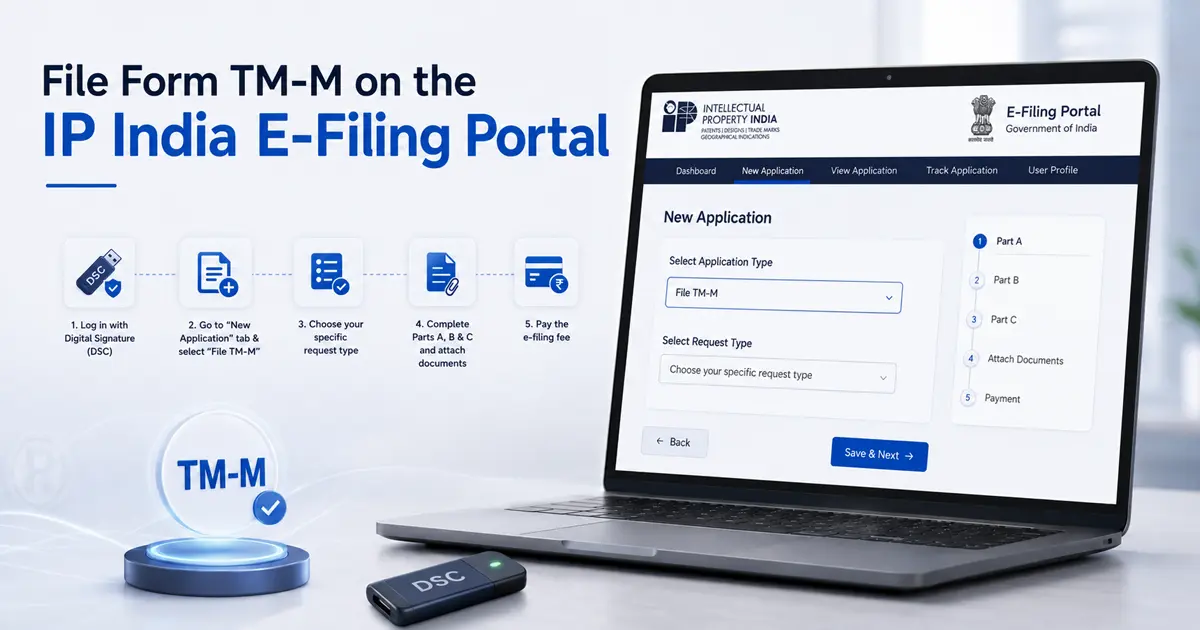
How to File Trademark Form TM-M: Purpose, Fees & Process