

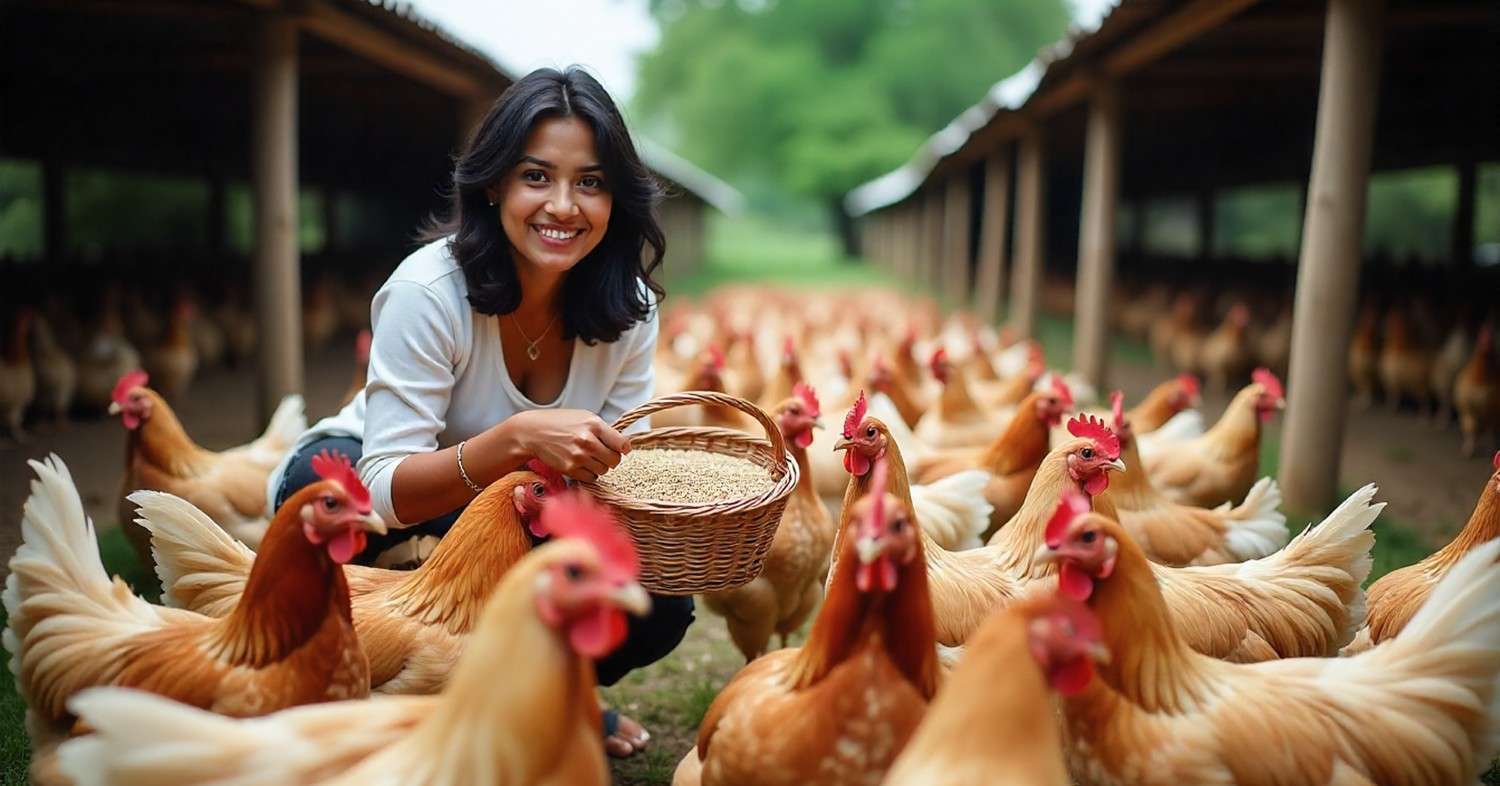
A poultry farm business involves raising birds for eggs, meat, breeding, or other poultry-related products. Entrepreneurs can start poultry farming on different scales based on available capital, land, labour, and market demand.
Before starting a poultry farm business, you should understand bird selection, housing, feeding, healthcare, biosecurity, marketing, and applicable regulations. You should also prepare a realistic financial plan because feed, labour, veterinary care, utilities, equipment, and bird purchases create regular expenses.
The poultry industry offers different business models, with broiler farming focusing mainly on meat production and layer farming focusing on egg production. Your choice should depend on local demand, available resources, production knowledge, and access to suitable buyers.
This guide explains how to start a poultry farm business, prepare a poultry business plan, understand licensing requirements, choose suitable birds, and estimate the cost of poultry farming.
What Are the Benefits of Poultry Farming?
Poultry farming can provide several business opportunities when farmers manage production costs, bird health, and market demand effectively. The main benefits include the following:
1. Multiple Production Opportunities
A poultry farm can focus on meat production, egg production, breeding, or more than one activity. This flexibility allows entrepreneurs to select a model that matches their resources and local demand.
2. Regular Market Demand
Consumers, retailers, restaurants, hotels, institutions, and food businesses purchase poultry products through different market channels. However, market prices can change because supply, demand, feed costs, and seasonal conditions influence poultry prices.
3. Scalable Business Operations
Entrepreneurs can begin with a small-scale poultry farm and increase capacity after gaining experience. However, expansion requires additional housing, equipment, working capital, labor, and reliable market access.
4. Employment Opportunities
Poultry farms can create employment for workers involved in feeding, cleaning, bird handling, maintenance, transportation, administration, and other farm activities. Larger operations generally require more specialized management and technical support.
5. Government Support
The National Livestock Mission supports entrepreneurship development and breed improvement in poultry through its relevant programs. Eligible applicants can review current scheme conditions before planning their poultry farm investment.
How to Start a Poultry Farm Business?
Starting a poultry farming business requires proper planning and execution. Below are the key steps to establish a successful poultry farm:
1. Develop a Business Plan
A well-structured poultry business plan is crucial for how to start a poultry farm business. It should include:
- The type of poultry farm (egg production, meat production, or both)
- Selection of bird varieties
- Infrastructure requirements
- Financial projections
- Marketing strategy
2. Choose the Right Location
The success of how to start a poultry farm business largely depends on location. Consider:
- A pollution-free environment
- Access to freshwater
- Proper ventilation and drainage facilities
- Easy transportation for supplies and distribution
3. Arrange Finances
There are various funding options available for poultry farmers. You can apply for:
- Agricultural loans from banks
- Government grants for small businesses
- Personal investments and crowdfunding
How Is Poultry Farming Set Up and Licensing Done?
Before setting up your poultry farm, you need to decide on the business structure:
- Sole Proprietorship
- Partnership
- Private Limited Company
- Limited Liability Partnership (LLP)
Required Licenses
To operate legally, you must obtain:
- NOC from the local authorities
- FSSAI registration (if selling processed poultry products)
- MSME/Udyam registration for financial benefits
- Groundwater department permission (if applicable)
Why Does Choosing the Right Poultry Bird Matter?
The type of bird determines your production objective, feeding requirements, housing system, management practices, and potential market. You should therefore select birds according to your business plan and target customers.
Commercial poultry farming generally focuses on broilers, layers, or breeding birds. Each category requires different management practices and production planning:
1. Broiler Chickens for Meat Production
Broilers are chickens bred primarily for meat production and efficient growth. Farmers generally raise broilers under controlled feeding, housing, healthcare, and environmental conditions.
Before purchasing broiler chicks, compare strain performance, feed requirements, availability, mortality risks, veterinary support, and local market demand. You should also confirm expected production performance with a reliable hatchery or poultry specialist.
2. Layer Chickens for Egg Production
Layer chickens receive breeding and management suited to sustained egg production. Their productivity depends on suitable nutrition, lighting, housing, healthcare, and flock management.
You should select layer birds according to expected egg production, feed efficiency, climate suitability, availability, and market requirements. Regular production records can help you identify changes in flock performance.
3. Breeding Birds
Breeding birds help farmers produce fertile eggs and support organized breeding programs. These operations require careful flock management, suitable male-to-female ratios, effective disease prevention, and specialized housing.
You should select breeding stock according to your specific production objectives and technical requirements. Commercial breeding operations should obtain appropriate guidance from qualified poultry professionals or reliable breeding organizations.
Know About Marketing Your Poultry Farm Business
Effective marketing is key to making how to start a poultry farm business profitable. Strategies include:
- Creating an online presence through a website and social media.
- Supplying eggs and meat to local markets and supermarkets.
- Partnering with restaurants and hotels.
- Implementing digital marketing techniques to reach a larger audience.
What is The Cost of Poultry Farming?
The cost of poultry farming depends on scale:
- Small-scale poultry farm: ₹50,000–₹1,50,000
- Medium-scale poultry farm: ₹1,50,000–₹3,50,000
- Large-scale poultry farm: ₹7,00,000–₹10,00,000
Investment in a chicken farm can provide high returns within a short period. Calculating the cost of poultry farming and maintaining a proper financial plan is essential for success.
Conclusion
Choosing the right breeding birds helps farmers maintain healthy flocks and produce fertile eggs consistently. Proper housing, balanced nutrition, disease prevention, and careful flock management support better breeding performance. Farmers should also maintain suitable male-to-female ratios and monitor bird health regularly. These practices can improve productivity, reduce avoidable losses, and support sustainable breeding operations.

Comments
Be the first to comment!