

Trademark Class 6 is the class for common metals, metal building materials, and metal hardware in India. It covers unwrought and semi-wrought metals, metal pipes and building materials, small metal hardware like bolts and hinges, non-electric metal cables and wires, metal containers, and safes. If you manufacture, supply, or distribute metal goods, filing your brand under Class 6 trademark protection is how you secure full legal rights to your name and logo.
The Nice Classification (NCL), established under the 1957 Nice Agreement, is maintained globally by the World Intellectual Property Organization (WIPO). It organizes all types of trademarks into 45 categories, with Classes 1–34 covering goods and Classes 35–45 covering services.
A brand can use a trademark class search tool to confirm the right class before filing and avoid rejections, refiling costs, and gaps in trademark coverage.
Latest Update: This guide reflects the NICE Classification 13th Edition (NCL 13-2026), effective 1 January 2026, for all new trademark applications in India.
Key Takeaways
- Class 6 covers common metals, metal building materials, small metal hardware, non-electric metal wires and cables, metal containers, and safes.
- Hand-operated tools like hammers and screwdrivers are Class 8, regardless of material, not Class 6.
- Electric cables and wires fall under Class 9; only non-electric ones stay in Class 6.
- Washing machines and electric mixers are Class 7; only fans and similar appliances fall under Class 11.
- Precious metals and jewelry are Class 14, separate from Class 6’s common metals.
- Filing costs ₹4,500 per class for individuals, startups, and MSMEs; ₹9,000 for companies and other entities.
- Validity runs 10 years from the date of application, not the registration date, and renews indefinitely in 10-year blocks.
- Registration typically takes 12–18 months if uncontested; related services need separate filings under Class 35, 37, or 40.
Which Trademark Class is Metal & Hardware In? (Class 6)
Metal goods and hardware fall under Class 6 of the NICE Classification. This includes metal pipes, fittings, containers, building materials, cables, wires, and safes.
Some related products and services fall under other classes:
- Class 35: Retail hardware stores and e-commerce platforms.
- Class 37: Metal fabrication, installation, and construction services.
- Class 40: Metal treatment, electroplating, galvanizing, cutting, and finishing.
- Class 8: Hand-operated tools such as hammers, screwdrivers, and wrenches.
For example, a metal manufacturer with retail outlets and fabrication services may need to file under Classes 6, 35, and 37. Each class protects a different part of the business.
Who Should Choose the Class 6 Trademark in India?
Businesses dealing in metals, metal products, and hardware should register under Class 6. The following businesses benefit most:
- Metal goods manufacturers: Companies producing iron, steel, aluminum, or copper products.
- Hardware manufacturers and sellers: Brands selling locks, hinges, screws, bolts, nails, and other metal fasteners. Most small metal hardware falls under Class 6. However, hand-operated tools such as hammers, screwdrivers, and wrenches fall under Class 8.
- Metal building material suppliers: Sellers of metal pipes, sheets, rods, and structural materials.
- Industrial metal traders: Businesses selling metal containers, safes, wires, and fittings.
- Metal goods exporters: Companies exporting metal products that want broader brand protection.
Registering under Class 6 strengthens brand protection and reduces trademark infringement risks.
What are the Goods Included in Trademark Class 6?
Trademark Class 6 applies to raw metals, semi-finished products, and finished metal goods used in daily industrial use. Businesses dealing in metal items must choose Class 6 of the Trademark to secure proper brand protection.
The table below highlights the Trademark Class 6 goods list:
| Goods Type | Description | Examples |
|---|---|---|
| Common metals | Raw or semi-processed metals | Iron, steel, aluminum, copper, tin |
| Metal building materials | Metal items used in construction | Metal pipes, sheets, rods, beams |
| Hardware products | Small metal fastening and fixing items | Locks, hinges, nails, screws, bolts |
| Metal containers | Storage items made of metal | Metal boxes, cans, and safes |
| Metal fittings and fixtures | Standalone structural metal components (not parts of machines) | Door and window fittings, brackets, joints |
| Metal wires and cables | Non-electric metal products used for wiring and support | Steel wires, metal mesh, wire ropes |
| Transportable metal structures | Prefabricated metal units | Portable sheds, metal cabins |
Registering only under the right Trademark Class gives your brand legal protection. Make sure to classify your products under the right class properly.
What is Not Covered in Trademark Class 6?
Many businesses assume that all hardware or metal-related products fall under Trademark Class 6, but several goods belong to other Trademark Classes. The table below explains what is not covered under Trademark Class 6 and where those goods are correctly classified:
| Goods Type | Examples | Correct Class |
|---|---|---|
| Hand-operated tools (any material) | Hammers, screwdrivers, wrenches, pliers | Class 8 |
| Precious metals and jewelry | Gold, silver, and platinum items | Class 14 |
| Machines and mechanical tools | Industrial machines, engines, power-operated tools | Class 7 |
| Household appliances (motor-driven) | Washing machines, electric mixers | Class 7 |
| Household appliances (heating/cooling/ventilating) | Electric fans, air conditioners | Class 11 |
| Furniture and storage (non-metal) | Wooden cabinets, plastic shelves | Class 20 |
| Electrical and electronic goods | Switches, sensors, wiring devices, electric cables | Class 9 |
| Plastic pipes and fittings | PVC pipes, plastic joints | Class 19 |
Tip: Use RegisterKaro’s Free Trademark Class Finder to identify the right trademark Class for your goods and register with confidence.
How to Register a Trademark Under Class 6 in India?
You can apply for a Class 6 trademark for a mark you already use or plan to use. Follow these steps:
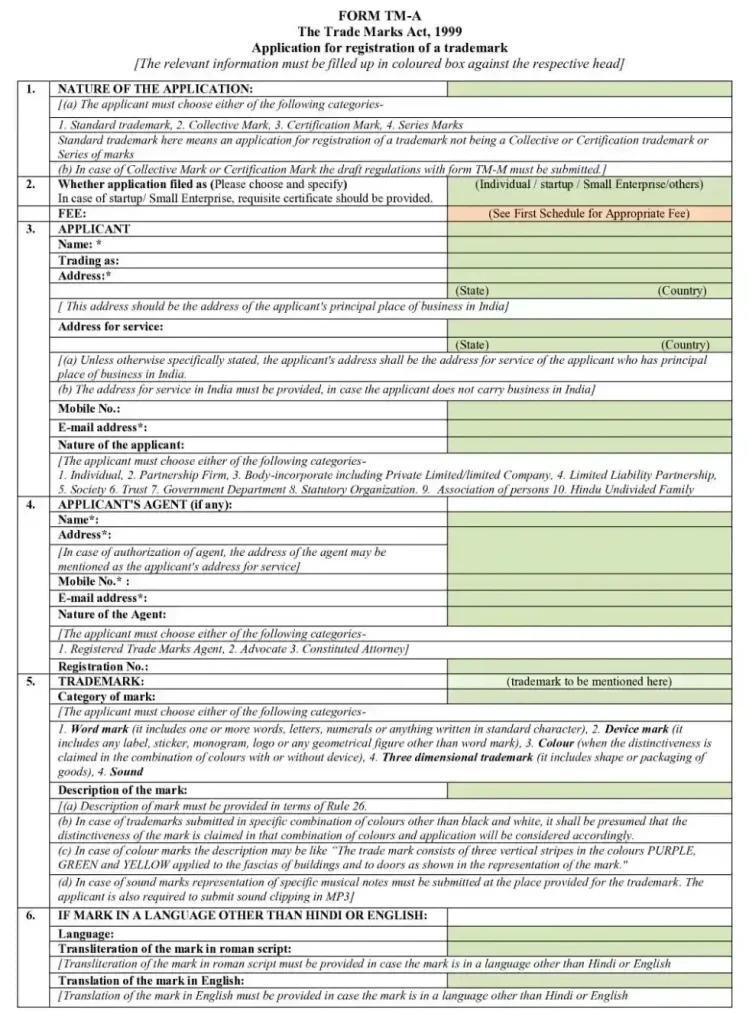
- Search first: Check the IP India portal or RegisterKaro’s Trademark Search Tool for similar Class 6 marks. This helps avoid conflicts and objections.
- File Form TM-A: Apply online through the IP India Trademark Portal and select Class 6. Use a single-class application for metal goods or a multi-class application for additional classes.
- Pay the government fee: ₹4,500 per class for individuals, startups, and MSMEs. The fee is ₹9,000 per class for companies and other entities.
- Examination: The Registry checks classification, distinctiveness, and similarity with existing marks. You will receive an Examination Report if it finds issues.
- Respond to objections: File a reply to trademark objections within 30 days.
- Publication and opposition: Accepted marks are published in the Trademark Journal for 4 months. Third parties can file a trademark opposition during this period.
- Registration and certificate: Once approved, you gain exclusive rights and can use the ® symbol. Registration is valid for 10 years from the application date under Section 25 of the Trade Marks Act, 1999. You can renew it indefinitely in 10-year periods.
- Ongoing monitoring: Monitor the market for misuse and take timely action to protect your Class 6 trademark.
Class 6 applications typically take 12–18 months if there are no objections or oppositions.
Common Mistakes While Registering for Trademark Class 6
Businesses often make several mistakes while applying for Trademark Class 6 in India. These errors can lead to objections, delays, or even rejection of the application. Make sure not to make the following mistakes:
- Choosing the wrong Class: Many applicants confuse metal goods with machinery or furniture.
- Using vague product descriptions: Applicants often use broad terms like “metal products” or “hardware.” Such wording creates confusion and increases the chances of objection.
- Skipping a trademark search: Some businesses file without checking existing trademark records. This often results in conflicts with similar marks.
- Ignoring brand distinctiveness: Generic or descriptive names linked to metals or hardware face a higher rejection risk. Applicant must clearly identify the brand, not just describe the metal goods.
- Missing objections or deadlines: Failing to reply to examination reports within 30 days can cause application abandonment.
- Not planning for future products: Registering only for current metal goods can cause problems later. Business expansion may require fresh filings, increasing future costs.
- Filing without professional guidance: Incorrect forms or incomplete documents delay approval. Expert assistance improves accuracy and strengthens your application.
