

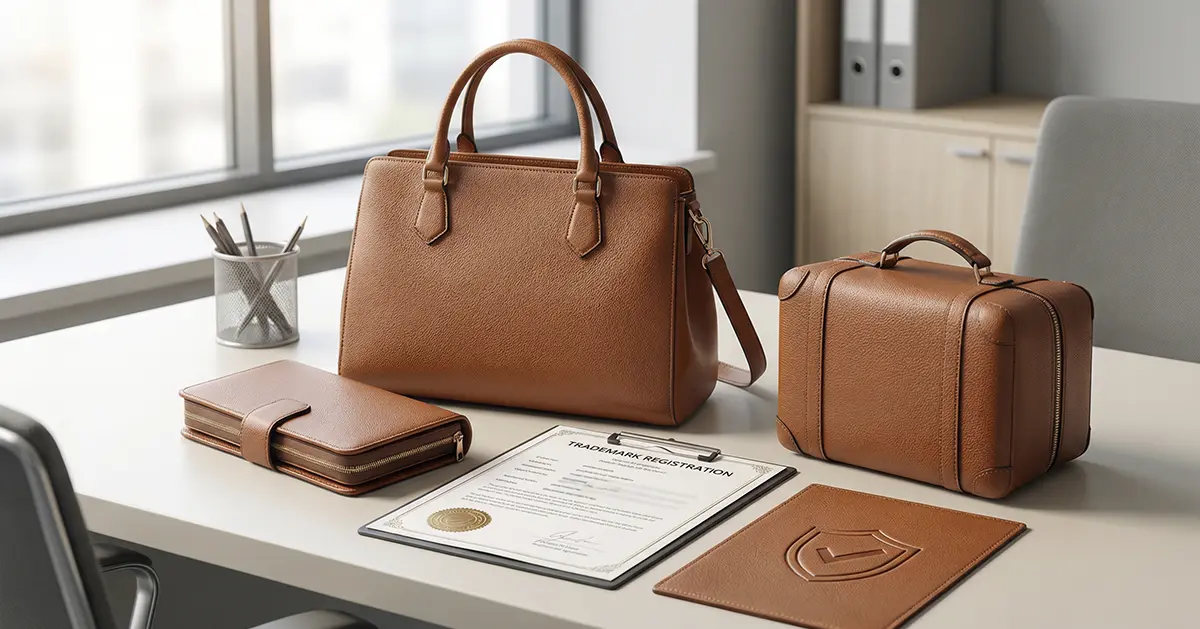
Trademark Class 18 covers leather goods, imitation leather products, and luggage in India. It includes handbags, wallets, suitcases, backpacks, animal skins and hides, and saddlery. Luggage and carrying bags fall under this class regardless of whether they are made of leather, plastic, or metal. If you manufacture, supply, or distribute leather goods or luggage, filing your brand under Class 18 helps secure legal rights to your name and logo.
In India, trademark registration follows the Nice Classification system. The World Intellectual Property Organization (WIPO) established this system under the 1957 Nice Agreement. It organizes goods and services into 45 different trademark classes. Classes 1–34 cover goods, while Classes 35–45 cover services.
Key Takeaways
- Class 18 covers leather and imitation leather goods, luggage, animal skins and hides, and saddlery items.
- Luggage and suitcases fall under Class 18 regardless of material, including plastic and metal.
- It does not cover leather footwear or clothing (Class 25), leather furniture (Class 20), or leather chemicals (Class 1).
- Filing costs ₹4,500 per class for individuals, startups, and MSMEs, and ₹9,000 for companies and other entities.
- Validity runs 10 years from the date of application, not the certificate-issue date, and renews indefinitely.
- Hidesign and Samsonite are both real Class 18 registrants, the latter proving the class isn’t leather-exclusive.
What is Trademark Class 18 in India?
Trademark Class 18 covers leather goods such as handbags, wallets, luggage, backpacks, and related accessories. Under the Nice Classification, this class protects brands dealing in leather products and travel goods. It grants exclusive rights and legal grounds to stop imitation.
The Trade Marks Act, 1999 governs trademark registration in India. The Controller General of Patents, Designs and Trade Marks (CGPDTM) manages the process through the Trade Marks Registry.
Hidesign is a well-known Indian example of a Class 18 brand. It offers leather bags and accessories.
Who Should Choose Class 18 Trademark in India?
Any business that manufactures, sells, or trades in leather goods, imitation leather products, or luggage should register under this class:
- Leather goods manufacturers: Businesses producing leather or imitation leather products.
- Bag and handbag brands: Sellers of handbags, backpacks, purses, and sling bags.
- Luggage and travel gear companies: Brands offering suitcases, trolleys, and travel bags, whether leather, plastic, or another material.
- Wallet and accessory makers: Businesses making wallets, belts, card holders, and keychains.
- Fashion and lifestyle brands: Labels offering leather-based lifestyle products and accessories.
- Corporate gifting companies: Businesses supplying leather gift items like folders, organizers, and diaries.
- Pet accessory brands: Businesses dealing in leather collars, leashes, and pet travel items.
What Goods Fall Under Trademark Class 18?
Class 18 covers leather, imitation leather, travel goods, and personal accessories. The table below highlights the key goods covered:
| Goods Type | Description | Examples |
|---|---|---|
| Leather goods | Products made of genuine or imitation leather | Leather bags, wallets, and belts |
| Handbags and purses | Fashion and utility bags for daily use | Handbags, clutches, sling bags |
| Luggage and travel goods | Items used for travel and storage, any material | Suitcases, trolleys, travel bags |
| Backpacks and school bags | Carrying bags for personal or academic use | Backpacks, laptop bags, rucksacks |
| Wallets and small accessories | Compact leather accessories | Card holders, keychains, coin purses |
| Animal skins and hides | Raw or processed animal hides | Tanned leather, animal skins |
| Leather straps and fittings | Leather components and attachments | Watch straps, bag straps |
| Trunks and storage cases | Rigid containers for storage or travel | Trunks, briefcases |
| Umbrellas and parasols | Handheld weather protection items | Umbrellas, sun parasols |
| Whips, harnesses, and saddlery | Equipment made for animal handling | Horse saddles, reins, harnesses, bridles |
Note: Luggage and carrying bags fall under Class 18 whether they are made of leather, plastic, canvas, or metal. Samsonite has Class 18 registrations for its hard-shell plastic suitcases, confirming that the class is not limited to leather products.
What is Not Covered in Trademark Class 18?
Many applicants confuse certain goods with Class 18, even when they legally fall under other classes. The table below highlights goods not covered, along with their correct trademark class:
| Goods Type | Examples | Correct Class |
|---|---|---|
| Footwear and clothing | Shoes, jackets, and belts worn as apparel | Class 25 |
| Leather chemicals and raw materials | Leather processing chemicals and tanning agents | Class 1 |
| Furniture made of leather | Leather sofas, chairs, and cushions | Class 20 |
| Fashion jewelry and watches | Bracelets, watches, and ornaments | Class 14 |
| Paper bags and packaging | Paper carry bags, cardboard boxes | Class 16 |
| Leather care cosmetics | Leather creams and polishes for personal use | Class 3 |
| Tools and hardware | Leather-cutting tools, machines | Class 7 or Class 8 |
| Animal food products | Pet food and animal feed | Class 31 |
| Electronic accessories | Smart bags with electronics, trackers | Class 9 |
Tip: Use RegisterKaro’s free Trademark Class Search Tool to identify the right class for your services.
How to Register a Class 18 Trademark in India?
Applicants can file on a “proposed to be used” or “already in use” basis. Follow these steps:
- Search first: Check existing Class 18 trademarks on the IP India Portal. You can also use RegisterKaro’s Trademark Search tool. This helps identify similar marks and reduce conflict risks.
- Define product details: Clearly list the goods you want to cover. These may include leather bags, wallets, luggage, or travel accessories.
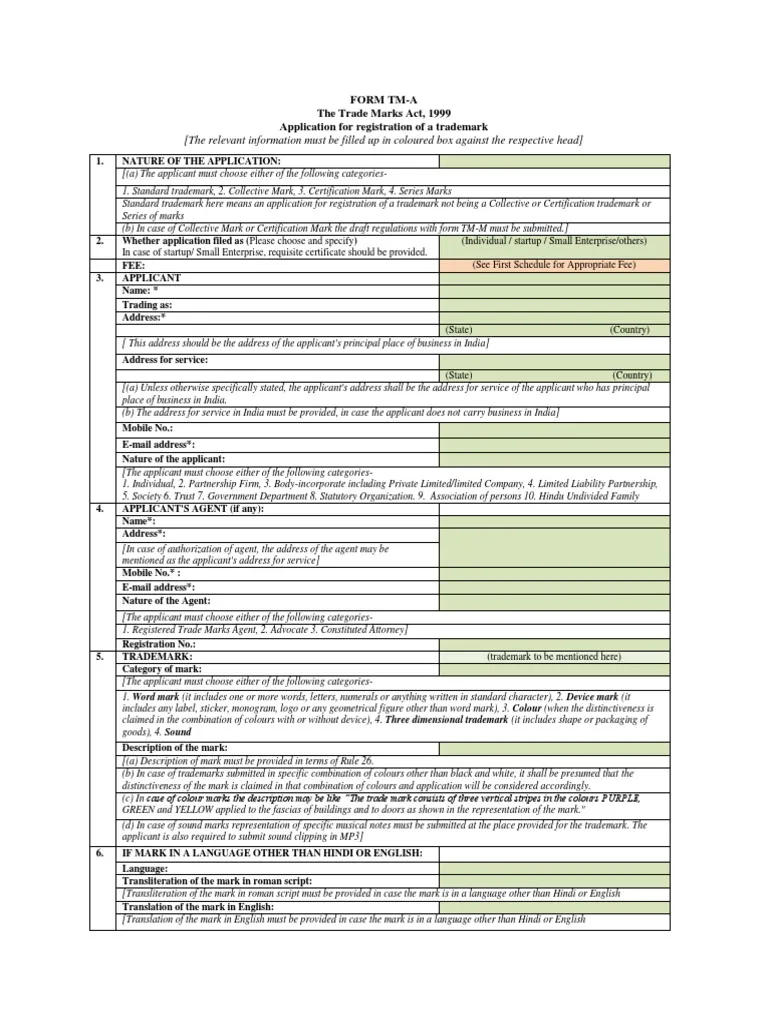
- File Form TM-A: Submit the application online through the IP India Trademark Portal. Choose a single-class application for Class 18 goods only. Use a multi-class application if your brand covers other classes too.
- Pay the government fee: The fee is ₹4,500 per class for individuals, startups, and MSMEs. For companies and other entities, it is ₹9,000 per class.
- Examination: The Trademark Registry checks the application. It reviews the classification, distinctiveness, and similarity with existing marks. If it finds issues, it issues an Examination Report.
- Respond to objections: If the Registry raises objections, submit a reply within 30 days.
- Publication and opposition: Once approved, the mark is published in the Trademark Journal. Third parties can oppose the mark within 4 months.
- Registration and renewal: Once registered, the trademark remains valid for 10 years from the application date, not the certificate issue date. Section 25 of the Trade Marks Act, 1999, governs the validity period. Renew the trademark every 10 years. Also, monitor the market for unauthorized use.
Class 18 applications typically take 12–18 months to register if no objections or oppositions arise.
