Startup Registration in Kerala
Complete your startup registration in Kerala from ₹1,999. RegisterKaro handles incorporation with ROC Ernakulam, DPIIT recognition, and KSUM registration for state grants and incubation.
 KSUM Grant & Procurement Eligibility GuidanceKerala Registered Office DocumentationDPIIT Startup Recognition ApplicationKerala Startup Mission (KSUM) RegistrationROC Filings & Post-Registration Compliance

 What Sets Us ApartWhat Sets Us Apart
What is Startup Registration in Kerala?
Startup registration in Kerala means incorporating the entity first, then applying for DPIIT recognition and KSUM registration to access central and state support. Technopark Thiruvananthapuram, one of Kerala's major technology hubs, spans 12.72 million sq. ft. and hosts 490+ companies employing more than 75,000 professionals. Together with Infopark Kochi and Cyberpark Kozhikode, it gives startups access to established business infrastructure and technology talent.
Tapping into this ecosystem and its government benefits typically involves two stages. Founders first complete their startup registration to establish the legal entity. Eligible businesses can then apply for DPIIT recognition for applicable central benefits and register with KSUM for state-level incubation, funding, and infrastructure programs.
Eligibility for Startup and Startup India (DPIIT) Recognition in Kerala
Startup eligibility in Kerala has two stages: incorporating the entity and meeting the separate DPIIT recognition criteria. The requirements for each stage are different:
Stage 1: Incorporate the Entity
First, establish an eligible business entity with a registered office in Kerala. You can use an address in Kochi, Thiruvananthapuram, Kozhikode, or any other Kerala district, provided you have the required address proof. The premises may be a commercial office, Technopark or Infopark space, or an eligible incubator facility.
Stage 2: Qualify for Startup India (DPIIT) Recognition
Once incorporated, the entity qualifies for DPIIT recognition if it meets the criteria set out in the DPIIT notification (G.S.R. 108(E), dated 4 February 2026):
- Entity type: Private Limited Company, One Person Company, Limited Liability Partnership (LLP), registered Partnership Firm, or a registered cooperative society.
- Age: Within 10 years of incorporation or registration, or 20 years for recognized DeepTech startups.
- Turnover: Not more than ₹200 crore in any financial year, or ₹300 crore for recognized DeepTech startups.
- Innovation or scalability: Must work toward innovation, development, or improvement of products, processes, or services, or have a scalable model with employment or wealth-creation potential.
- Originality: Must not be formed by splitting up or reconstructing an existing business.
Documents Required for Startup India (DPIIT) Recognition in Kerala
You can apply for DPIIT recognition only after incorporating or registering the entity. The application mainly requires basic entity details and information showing the startup's innovation, development, or scalability. For the DPIIT application, keep the following ready:
| Document category | What to keep ready |
| Entity documents | Certificate of Incorporation or Registration and the entity's PAN |
| Director or partner details | Names, contact information, and profiles of directors or partners |
| Innovation write-up | A clear explanation of how the product, process, or service is innovative, or how the business model is scalable |
| Supporting evidence | Website or pitch deck, product or demo video, and evidence of patents, trademarks, awards, funding, or incubation support, where available |
| Deep-tech evidence | Additional details of R&D spending and IP creation, where required to support recognition under the 20-year DeepTech eligibility period |
How to Register a Startup in Kerala Online?
Registering a startup in Kerala involves two phases: incorporating the entity first, followed by DPIIT recognition if the startup meets the eligibility criteria.
Phase 1: Incorporate the entity
Choose the appropriate structure and complete its MCA incorporation process. Companies file SPICe+, while LLPs use FiLLiP. Once the filing is approved by the ROC Ernakulam, you receive the Certificate of Incorporation along with PAN and TAN.
Professional tax in Kerala is levied by local bodies on a half-yearly cycle and is separate from the registrations covered through AGILE-PRO-S.
The full filing sequence, documents, and Kerala costs are covered on our Company Registration in Kerala page.
Phase 2: Apply for Startup India (DPIIT) Recognition
- Create your profile: Register on the Startup India portal (startupindia.gov.in), which routes the application through the National Single Window System (NSWS). In this, add the "Registration as a Startup" application under Central Approvals.
- Submit the application: Provide the Certificate of Incorporation, entity PAN, incorporation details, and the required innovation or scalability information.
- Receive the DPIIT Certificate of Recognition: Once approved, the recognition certificate is issued through the Startup India system.
Note: After incorporation, startups can also register with the Kerala Startup Mission (KSUM) to access eligible state-level incubation, funding, and infrastructure programs.
Startup Registration Fees in Kerala
The Startup India registration fee is nil, so the main cost in Kerala comes from incorporating the business entity and paying the applicable state stamp duty. Your total cost therefore depends on the entity structure and its incorporation requirements.
The main startup-related costs are:
| Item | Cost |
| Entity incorporation in Kerala | From ₹5,000, plus Kerala stamp duty of about ₹3,025 for authorized capital up to ₹10 lakh (₹25 SPICe+ form + ₹1,000 MoA + ₹2,000 AoA) |
| DPIIT recognition application | No government fee |
| Section 140 tax holiday application | Nil; separate Inter-Ministerial Board approval required |
| Patent and trademark filing for recognized startups | Rebated statutory fees, payable at filing |
Benefits of Startup Registration in Kerala
Registered and eligible startups in Kerala can access state grants, hardware infrastructure, incubation, procurement opportunities, and central Startup India benefits:
- Stage-based grants: KSUM offers up to ₹3 lakh as an Idea Grant, ₹7 lakh as a Productization Grant (₹12 lakh for women-led and transgender-led startups), ₹15 lakh as a Scale-up Grant, and ₹30 lakh as an R&D Grant for eligible hardware and deep-tech startups.
- Early-stage equity funding: Eligible startups can access venture funding in the ₹25 lakh-₹2 crore range through KSUM-linked SEBI-registered funds, subject to the respective fund's criteria.
- Three-year income-tax holiday: A DPIIT-recognized Kerala startup can claim a 100% deduction of profits for any three consecutive years within its first ten, under Section 140 of the Income Tax Act, 2025 (formerly Section 80-IAC of the Income Tax Act, 1961). This is subject to the ₹100 crore claim-year turnover limit and an Inter-Ministerial Board certificate.
- Angel-tax relief: With the abolition of Section 56(2)(viib) from AY 2025-26, recognized startups can raise capital from angel investors without valuation-based tax scrutiny.
- Government procurement opportunities: Kerala government departments can buy from KSUM-registered startups without a tender up to ₹50 lakh, with a direct purchase ceiling of ₹3 crore, raised in May 2023. Both IT and non-IT startups qualify.
- Hardware and prototyping infrastructure: Kerala offers access to the Super Fab Lab in Kochi and Maker Village in Kalamassery, supporting prototyping, electronics, and hardware development.
- Established IT-park ecosystem: Startups can operate from Technopark Thiruvananthapuram, Infopark Kochi, or Cyberpark Kozhikode, giving them access to established infrastructure and technology talent.
- Patent and marketing support: DPIIT- and KSUM-registered Private Limited Companies and LLPs can receive reimbursement of up to ₹2 lakh for Indian patents and ₹10 lakh for international patents, along with subsidies of up to 50% of qualifying marketing expenses, subject to scheme conditions.
Government Schemes for Startups in Kerala
Kerala supports startups through the Kerala Startup Mission (KSUM) alongside the central Startup India schemes. Beyond the grants and infrastructure covered above, the main programs a recognized startup can tap are:
- Structured incubation and acceleration (KSUM): KSUM offers pre-incubation, incubation, and acceleration with mentoring, investor connections, and workspace, including the LEAP co-working network across Kerala, helping startups progress from idea to growth stage.
- Startup India Seed Fund Scheme (SISFS): DPIIT-recognized startups can receive up to ₹20 lakh for proof of concept, prototype development, or product trials and up to ₹50 lakh for market entry, commercialization, or scaling through eligible incubators.
- Fund of Funds for Startups (FFS): Provides indirect equity funding through SIDBI-backed Alternative Investment Funds (AIFs), which invest in eligible startups.
- Credit Guarantee Scheme for Startups (CGSS): Enables eligible startups to access collateral-free, guarantee-backed debt financing through eligible lenders, subject to the scheme's applicable conditions and limits.
- Innovation and Entrepreneurship Development Centres (IEDC): KSUM operates a large campus entrepreneurship network through IEDCs across colleges in Kerala. These centers provide student founders with early mentoring, seed support, and a pathway into KSUM's incubation programs, making them a useful entry point for startups emerging from academic and research institutions.
Connect with RegisterKaro and let our experts handle the legal hassle while you grow your business.
Frequently Asked Questions (FAQs)
Is there a government fee for Startup India (DPIIT) registration in Kerala?
No, DPIIT recognition carries no government application fee anywhere in India, including Kerala. Your actual costs come from incorporating the entity and paying applicable Kerala stamp duty, roughly ₹3,025 for authorized capital up to ₹10 lakh, plus professional and MCA filing charges.
Which entity types are eligible for DPIIT recognition in Kerala?
A Private Limited Company, LLP, OPC, registered Partnership Firm, or registered cooperative society can apply for DPIIT recognition if it meets the applicable criteria. Sole proprietorships and unregistered firms are not eligible for recognition.
What is the difference between startup registration and DPIIT recognition?
Startup registration is the incorporation or registration step that creates the legal entity, such as a company, LLP, or firm. DPIIT recognition is a separate, later step that confirms the entity as an eligible startup so it can access applicable central Startup India benefits. You must incorporate or register first, then apply for recognition.
Do I need to register with the Kerala Startup Mission (KSUM) separately?
Yes, KSUM registration is separate from both incorporation and DPIIT recognition. After establishing the entity, you can register with KSUM to access applicable state-level incubation, grants, funding, and infrastructure, including facilities such as the Super Fab Lab and startup hubs at Technopark, Infopark, and Cyberpark.
What are the age and turnover limits for a Kerala startup to stay eligible?
For DPIIT recognition, the entity must generally be within 10 years of incorporation or registration, or 20 years for a recognized DeepTech startup. Its annual turnover must not have exceeded ₹200 crore in any financial year, or ₹300 crore for a recognized DeepTech startup. These are DPIIT recognition thresholds and are separate from the turnover limit applicable when claiming the income-tax deduction.
Do all Kerala startups qualify for DPIIT recognition?
No, eligibility depends on the entity type, age, turnover, and nature of the business. Eligible entities include private limited companies (including OPCs), LLPs, registered partnership firms, and registered cooperative societies, provided they meet the applicable Startup India criteria. The startup must also work toward innovation, development, or improvement of products, processes, or services, or have a scalable business model with significant potential for employment or wealth creation.
What happens after startup registration for Kerala startups?
After incorporating the entity, you can apply for DPIIT recognition if the startup meets the eligibility criteria. Recognition can make the startup eligible to apply for applicable Startup India benefits and schemes, subject to their individual conditions. Kerala startups can also explore Kerala Startup Mission (KSUM) registration and programs for state-level support, including incubation, grants, funding, and government-procurement opportunities.
Do I need a physical office in Kerala to get DPIIT recognition?
DPIIT recognition itself does not require a separate physical office in Kerala. However, the entity must have a valid registered office address as part of its incorporation. The address can be a commercial premises, coworking space, incubator facility, or other location that meets the applicable registered-office and address-proof requirements. The specific requirements depend on the entity structure and the documents submitted.

Reviewed by
Joel DsouzaJoel Dsouza is a Chartered Accountant (CA) and compliance expert with over 7 years of hands-on experience in company registration, tax structuring, GST, ROC filings, and MCA compliance. As a qualified member of the Institute of Chartered Accountants of India (ICAI) and Co-Founder at RegisterKaro, he has personally advised more than 1,000 startups and SMEs across India, helping founders navigate incorporation, regulatory frameworks, and financial planning from Day 1. With deep expertise across all three levels of Finance and Portfolio Management, Joel is committed to promoting financial literacy and simplifying India's startup ecosystem through clear, actionable guidance that entrepreneurs can act on immediately.
Why Choose RegisterKaro for Startup Registration in Kerala?
Starting a startup involves more than incorporation, so our services cover registration, recognition, documentation, scheme guidance, and ongoing compliance:
- Kerala-wide coverage: Our services are available to founders in Thiruvananthapuram, Kochi, Kozhikode, and other cities across the state.
- Startup scheme access: Our team explains eligibility and application requirements for KSUM programs, SISFS, and the Fund of Funds.
- DPIIT application drafting: We shape your innovation and scalability narrative around the criteria considered during DPIIT recognition.
- KSUM and procurement support: We handle KSUM registration and the unique ID that departments require before buying from a startup without a tender.
- Compliance after incorporation: Our services extend to GST registration, trademark protection, annual ROC filings, and ongoing statutory requirements.

What Our Clients Say
View All
599 Dp
 Verified
RegisterKaro offers a smooth and reliable experience for company registration and compliance services. The team is helpful and responsive, and the pro... Read more

Aisha Singh
VerifiedRegisterKaro made my company registration process stress-free. Their experts handled the paperwork professionally, and I received regular updates unti... Read more

PrimePinnacle Techso...
VerifiedIt was smooth experience from the document collection till registration. I would strongly recommend registerkaro for any help or assistance for your n... Read more

Sunipa Roy
VerifiedRegister Karo service is awesome I interacted with their executive Himanshu Shukla he was so helpful and best part they explain the process in details... Read more

Jagjeet singh
VerifiedMr Kushal Jain played a vital role to accomplish my services as offered me in the past by register kro therefore it's deserve to be trusted for advert... Read more

sayyam jain
VerifiedThank you, Amarjeet Kumar, for your great support in getting my FSSAI license. The process was smooth and fast because of your guidance. Very professi... Read more

Shivani Nagwanshi
VerifiedI really appreciate register karo because I am new in company incorporation process I don't know the procedure but register karo help me a lot and mak... Read more

Himanshu Yadav
VerifiedSahnaaz nisha which handling my compliance ia good person and helping out in compliance but other thing like in trademark , startup registration peopl... Read more

Rajanikant Prasad
VerifiedSuhana has excellent understanding and experience of the subject matter (MCA process for company registration). She guided us step by step to complete... Read more

daniel paul
VerifiedAvantika helped me with all the details and she was very helpful in the process. She was very patient and she was very co-operative. I recommend her f... Read more
Startup Registration in States Near Kerala
Other Business Services in Kerala
Related Blogs
View All
How to Start a Masala Business in India?

How to Raise Funds for Startup in India: Sources and Stages

How to Start a Recycling Business in India: Complete Guide for 2026

How to Start a Security Service Business in India

Kerala Startup Incubators List with their Contact Information

How to Invest in Startups in India? 2026 Complete Guide

Government Schemes For Women Entrepreneurs in India: Funding Options
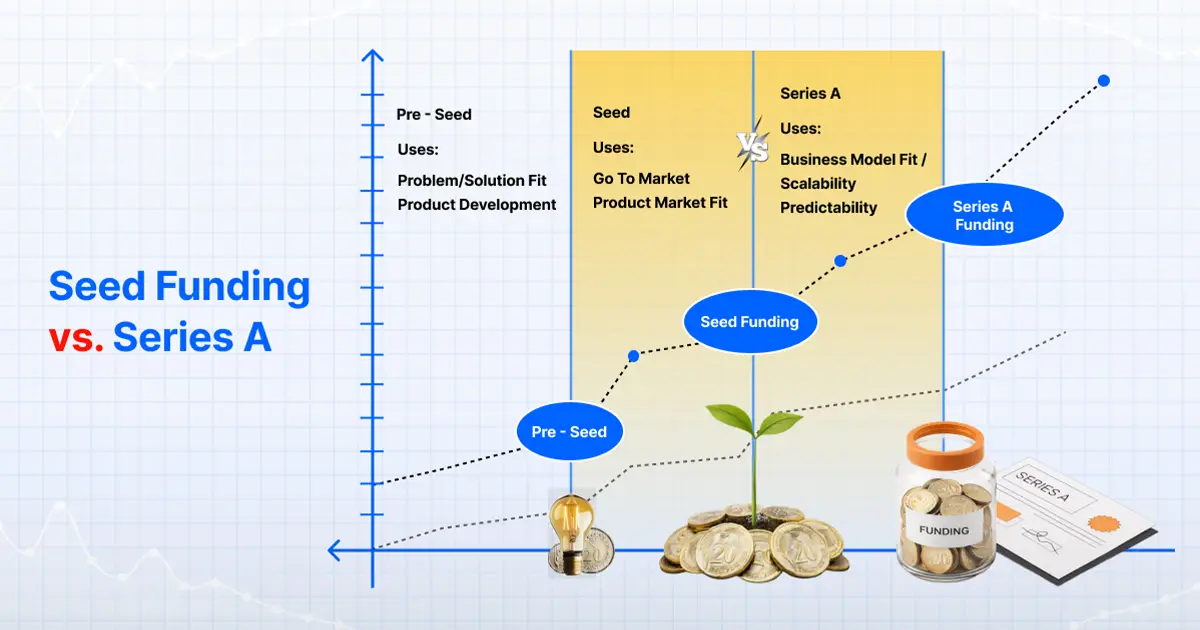
Difference Between Seed Funding and Series A Funding in India
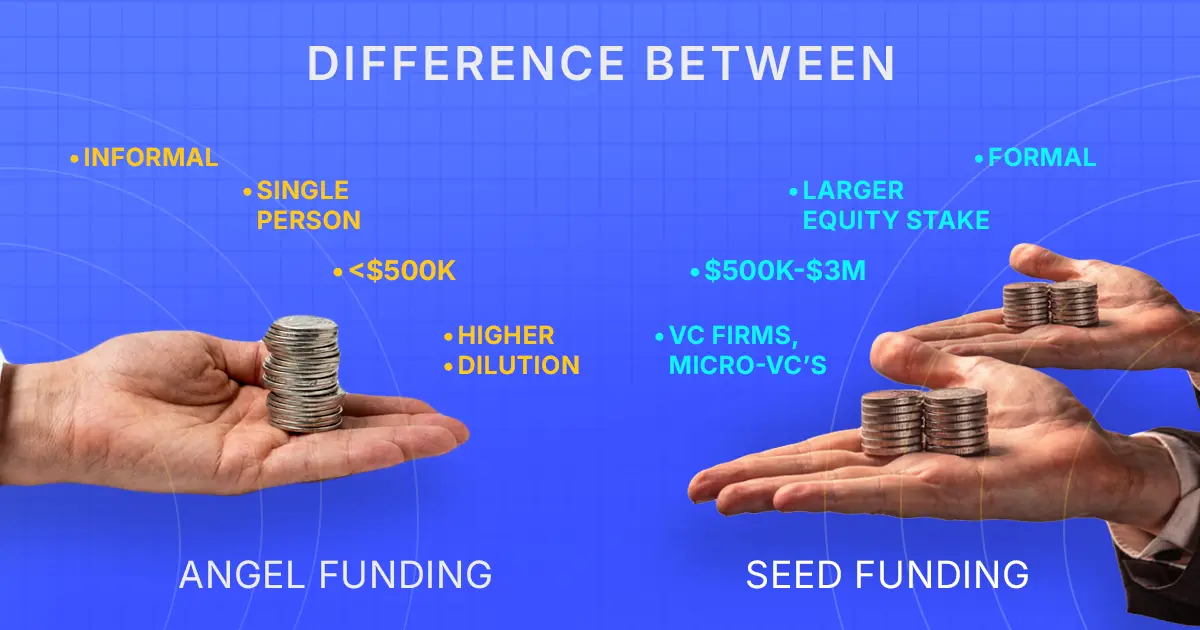
Difference Between Seed Funding and Angel Funding for Indian Startups

Startup India Certificate: How to Download (2026)