Startup Registration in Tamil Nadu
Get your startup registered in Tamil Nadu with expert guidance and support. Ensure smooth compliance, access government incentives, and lay a strong foundation for your entrepreneurial journey in the state.
 Personalized Guidance on Startup Eligibility in Tamil NaduExpert Advice on Choosing the Right Business StructureSupport with Drafting and Filing Incorporation DocumentsAssistance in Obtaining DIN & DSC for DirectorsEnd-to-End Help with GST & Other Compliance Requirements

 What Sets Us ApartWhat Sets Us Apart
What is Startup Registration and Why is it Crucial for Your Venture in Tamil Nadu?
Startup registration is crucial for your venture in Tamil Nadu because it provides a legal identity, allowing you to tap into the state’s growing entrepreneurial ecosystem. It is also supported by initiatives like the Tamil Nadu Startup & Innovation Mission (TANSIM). Through such initiatives, registered startups can access funding and attract investors. It’s the first step toward building a credible and compliant business.
Understanding the Fundamental Concept of Startup Registration
Startup registration is the formal process of legally establishing your business with the appropriate authorities. It ensures that your venture operates within a recognized legal framework, enabling smooth compliance with tax, labor, and business laws.
By registering your startup, you make it easier to:
- Apply for funding
- Open a business bank account
- Enter into contracts
- Gain access to state-level programs that support innovation and growth
From just over 2,000 DPIIT-recognized startups in 2021, Tamil Nadu’s ecosystem has grown to more than 12,000 DPIIT-recognized startups as of late 2024 and early 2025. This reflects the state’s rapid entrepreneurial growth.
Key Advantages of Officially Registering Your Startup in Tamil Nadu
Here are some of the most significant benefits of getting your startup officially registered in Tamil Nadu:
- Access to State Incentives: Take advantage of TANSIM initiatives offering incubation, mentorship, and funding support for eligible startups.
- Tax and Financial Benefits: Eligible for various tax rebates, seed funding, and financial assistance under Tamil Nadu’s startup programs.
- Improved Credibility: A registered startup builds trust among investors, clients, and financial institutions.
- Ease of Doing Business: Simplifies processes like GST registration, business banking, and compliance with ROC and state regulations.
- Protection and Legal Recognition: Safeguards your brand, intellectual property, and assets under Indian business laws.
- Networking & Growth Opportunities: Connect with incubators, accelerators, and investor networks in Tamil Nadu’s growing startup ecosystem, including Chennai, Coimbatore, and Madurai.
Overall, official registration empowers your startup to grow securely, access support, and thrive in Tamil Nadu’s dynamic business ecosystem.
How to Register a Startup Online in Tamil Nadu?
Registering a startup in Tamil Nadu involves a structured legal process that ensures your business is compliant and officially recognized. Here’s a complete breakdown of the startup registration process in Tamil Nadu:
Step 1: Choose the Right Legal Structure
Select the most suitable business structure for your startup:
- Private Limited Company: Ideal for startups aiming for growth and investment. Incorporate a Pvt Ltd company to gain limited liability, multiple shareholders, and strong credibility, though it involves higher compliance.
- Limited Liability Partnership (LLP): Blends partnership flexibility with limited liability. LLP incorporation is suitable for small businesses or professionals seeking simple compliance and moderate scalability.
- One Person Company (OPC): One Person Company registration in India is best suited for solo founders who want limited liability and full control. It is ideal for small ventures planning a gradual expansion.
- Partnership Firm: Register a partnership firm to share responsibilities. It involves low compliance but offers no liability protection for partners.
- Sole Proprietorship: Cheapest and easiest to set up. A sole proprietorship registration is beneficial for freelancers or local traders but lacks liability protection and scalability.
Consider factors such as liability, scalability, number of founders, and funding requirements before finalizing the structure.
Step 2: Gather Essential Documents
Collect all the required documents for registration:
- Identity and address proofs of all directors/partners
- PAN cards and passport-sized photographs
- Proof of registered office address (rent agreement, utility bill, or ownership proof)
- NOC from the property owner, if applicable
Refer to the “Documents Required for Startup Registration in Tamil Nadu” section for more details.
Step 3: Obtain DSC and DIN
- Apply for a Digital Signature Certificate (DSC) to sign electronic forms.
- Get a Director Identification Number (DIN) for each director through the MCA portal (mca.gov.in).
Step 4: Reserve Your Business Name
- Apply for name approval through the SPICe+ form available on the MCA portal.
- Ensure that your chosen name is unique, relevant to your business, and not already trademarked.
- Use RegisterKaro’s free company name search tool to check availability and secure a suitable company name before applying.
Step 5: Draft and File Incorporation Documents
- Prepare the Memorandum of Association (MoA) and Articles of Association (AoA) to define your startup’s objectives and internal operations.
- File these documents with the Registrar of Companies (ROC), Chennai, along with the SPICe+ form for incorporation.
Step 6: Submit the Incorporation Application
- Upload all the necessary forms and documents to the MCA portal.
- Pay the applicable registration fees.
- Wait for verification and approval from the ROC.
Step 7: Receive the COI
- Once your documents are approved, you will receive the Certificate of Incorporation (COI).
- This officially establishes your startup as a legal entity in Tamil Nadu.
Step 8: Complete Post-Registration Formalities
- Apply for PAN and register for TAN for tax purposes.
- Register for GST if your annual turnover exceeds Rs. 40 lakh (for goods) or Rs. 20 lakh (for services).
- Open a current bank account in your company’s name for business transactions.
Step 9: Obtain Additional Registrations (If Applicable)
- Apply for Shop and Establishment registration if you have employees.
- Register for EPF, ESI, and Professional Tax under Tamil Nadu’s labor laws.
Note: First, register your startup as a legal entity through the MCA portal (mca.gov.in). After incorporation, you can apply for official startup recognition under TANSIM via the Tamil Nadu Startup & Innovation Mission portal (tansim.tn.gov.in).
You can also apply via the central Startup India platform (startupindia.gov.in) to access benefits like funding, mentorship, and tax exemptions.
Documents Required for Startup Registration in Tamil Nadu
To register a startup in Tamil Nadu, you must submit specific documents to verify the identity of directors, the office address, and the legal structure of your business. The required documents include:
- Personal Identification Documents of Directors/Promoters: Submit PAN and Aadhaar cards of all directors or promoters. These documents establish identity and nationality.
- Address Proof of Directors/Promoters: Provide a recent bank statement, utility bill, or other valid residential proof. These documents confirm the residential address of the directors or promoters.
- Registered Office Address Proof: Submit a rent agreement or sale deed for your office. Attach a No Objection Certificate (NOC) from the property owner if the office is rented. This ensures compliance with ROC Chennai requirements.
- Business Name Approval Documents: Reserve your startup name through the MCA portal. Keep the name approval letter ready for the incorporation process.
- MoA and AoA: Draft and file the MoA and AoA. These define your business objectives, rules, and structure.
- Other Specific Declarations and Affidavits: File declarations by directors confirming legal compliance. Submit any affidavits as required by the ROC Chennai.
Startup Registration Fees in Tamil Nadu
Various cost components should be considered while planning to register a startup in Tamil Nadu. The costs vary depending on the type of business entity and the service provider you choose.
| Fee Component | What it Covers | Estimate for Private Limited Company (Rs.) | Estimate for LLP (Rs.) |
| Government Fees (SPICe+ and Name Approval) | MCA charges for company incorporation and name reservation via SPICe+ | 1,000–2,000 | 1,000–1,500 |
| Stamp Duty | State government tax on authorized capital or documents | 1,000–5,000 | 500–2,000 |
| DSC and DIN | Digital signatures + DIN for 2 directors/partners | 1,500–2,500 | 1,500–2,500 |
| Professional Service Charges | Fees for CA/CS/lawyer assistance in drafting and filing documents | 8,000–15,000 | 4,000–8,000 |
| PAN and TAN Application | Included in SPICe+ / FiLLiP forms | Included | Included |
Note: Costs may vary depending on Tamil Nadu state rules, authorized capital, number of directors/partners, and the service provider you choose.
Local Specifics and Unique Considerations for Startup Registration in Tamil Nadu
Tamil Nadu offers a thriving, innovation-driven business ecosystem, backed by TANSIM and a supportive state policy framework. However, registering a startup here requires awareness of the state’s specific regulatory and policy-related nuances.
The local elements mentioned below ensure your startup company registration in Tamil Nadu goes smoothly:
1. Understanding Tamil Nadu’s Business Environment and Local Support Systems
Tamil Nadu’s startup ecosystem has witnessed remarkable growth in recent years, driven by proactive government initiatives and expanding incubation networks. The state promotes entrepreneurship through programs that combine financial incentives, mentorship, and infrastructure support.
Key highlights of Tamil Nadu’s startup growth and sectoral strengths include:
- The value of the state’s startup economy has grown significantly, from approximately Rs. 24,000 crore in 2021 to around Rs. 2,19,200 crore in 2024. This remarkable growth has earned Tamil Nadu the title of ‘Best Performer’ in the Government of India’s ‘States’ Startup Ranking’.
- The state has also emerged as India’s third-largest deeptech hub, with startups in sectors such as space, defence, and hardware collectively securing over Rs. 1,52,720 lakh. Funding for Chennai-based deeptech startups has grown at a three-year compound annual growth rate (CAGR) of 66%.
- Tamil Nadu is the fourth-largest exporter of information technology (IT) services in India, with exports exceeding approximately Rs. 81,800 crore in FY24. The state also accounts for 40% of India’s smartphone exports.
2. Specific Local Regulations and Legalities Impacting Startups in Tamil Nadu
Before registering a startup, it’s important to understand Tamil Nadu’s local regulatory environment. The state enforces certain laws and compliance obligations that differ slightly from other regions, especially for businesses with employees or physical premises.
- Startups must register under the Tamil Nadu Shops and Establishments Act if employing staff or operating from an office.
- Professional Tax registration is mandatory once employee salaries exceed the prescribed threshold.
- Stamp duty and ROC filing fees vary depending on the authorized capital of the company.
- Entities setting up offices may also need trade licenses and zoning or environmental clearances, depending on their business activity.
3. Local Support and Incubation Opportunities
Utilizing state-level support is easier when you know which departments and agencies handle startup facilitation and incentives. Tamil Nadu has a structured system for promoting and supporting entrepreneurial initiatives.
- Venture capital investments in women-led startups have grown at a compound annual growth rate (CAGR) of 29% between 2019 and 2024.
- Incubation centres and co-working spaces at institutions such as IIT Madras Incubation Cell, Anna University Innovation Centre, and Tamil Nadu IT Parks offer mentoring, infrastructure, and funding support.
4. Relevant Government Bodies and Contact Points for Startups in Tamil Nadu
Leveraging state-level support becomes easier when you know which departments and agencies oversee startup development and incentives. Tamil Nadu has a well-established ecosystem dedicated to nurturing entrepreneurship.
- The Tamil Nadu Startup and Innovation Mission (TANSIM) is the primary nodal agency responsible for implementing the Tamil Nadu Startup & Innovation Policy, offering funding schemes, startup recognition, and incentive facilitation.
- Innovation hubs, incubators, and tech parks such as TIDEL Park (Chennai), IIT-Madras Incubation Cell, Anna University’s Incubation Centre, and co-working spaces across Chennai, Coimbatore, and Madurai provide mentoring, investor access, and sector-specific support.
- For industrial and manufacturing startups, agencies like the Tamil Nadu Industrial Development Corporation (TIDCO) and the Tamil Nadu Industrial Investment Corporation (TIIC) provide support with capital assistance, infrastructure, and land allotment in industrial parks managed by SIPCOT.
5. Addressing Common Hurdles During Startup Registration in Tamil Nadu
While the state offers a conducive environment, startups often face a few practical challenges during registration and early operations. Awareness of these potential roadblocks can help founders prepare better and avoid delays.
- Documentation delays are common due to incomplete or mismatched incorporation details during ROC filing.
- Local compliance gaps, such as missed registrations under Shops & Establishments, GST, or Professional Tax, can slow business activation.
- Startups outside Chennai, Coimbatore, or industrial hubs may face limited access to incubators, investors, and skilled manpower, impacting early-stage growth.
- Physical office setup approvals may require multiple clearances from municipal authorities and local bodies.
Awareness of these local factors ensures smooth startup registration and faster business growth in Tamil Nadu.
How to Check Startup Registration Application Status in Tamil Nadu?
The progress of your startup registration in Tamil Nadu can be easily tracked online. Regularly checking your application status helps ensure timely compliance, quick resolution of errors, and faster approval from the authorities.
1. Utilizing Online Platforms and Tools for Status Checks
You can monitor your startup registration status through multiple official platforms, depending on the stage of your application:
- For company incorporation, visit the MCA portal, log in with your credentials, and enter your Service Request Number (SRN) to view real-time updates.
- For startup recognition and benefits under TANSIM, track your application through the Startup India portal (startupindia.gov.in) or the TANSIM portal (tansim.tn.gov.in) after submitting your details.
- If you have applied for GST registration or other statutory approvals, you can also check status updates on the GST portal (gst.gov.in).
2. Interpreting Various Application Status Updates
Understanding your application’s status helps you take quick corrective measures if needed:
- “Under Processing” – Your application and documents are being reviewed by the ROC or the relevant authority.
- “Approved” – The registration is complete, and you can download your COI or recognition certificate.
- “Rejected” – Some errors or incomplete documentation were found; corrections and resubmission are required.
3. Actions to Take for Delayed or Unsuccessful Applications
If your application faces delays or rejection:
- Raise a service request or grievance ticket through the MCA to seek clarification.
- Recheck document accuracy, including signatures, proofs, and uploaded files, before refilling.
- For long-pending cases or repeated rejections, reach out to the ROC Chennai or consult professional service providers like RegisterKaro for expert assistance and compliance guidance.
By proactively tracking your application status, you can ensure a smoother startup registration process in Tamil Nadu.
Connect with RegisterKaro and let our experts handle the legal hassle while you grow your business.
Frequently Asked Questions (FAQs)
How long does the startup registration process typically take in Tamil Nadu?
Startup registration in Tamil Nadu usually takes 7–10 working days for a Private Limited Company and 10–15 days for an LLP, depending on document accuracy and ROC Chennai’s processing time.
Delays may occur due to errors or incomplete filings. Professional assistance ensures faster, error-free registration and timely government approvals.
What are the anticipated costs associated with startup registration in Tamil Nadu?
Typical registration costs range between Rs. 10,000–Rs. 20,000 for a Private Limited Company and Rs. 7,000–Rs. 15,000 for an LLP.
These costs include government filing fees, DSC/DIN charges, stamp duty, and professional fees, varying based on business structure, authorized capital, and documentation requirements.
Is a physical office address mandatory for startup registration in Tamil Nadu?
Yes, a registered office address is mandatory for official correspondence and ROC documentation. You may use owned premises, rented offices, or virtual office addresses that comply with regulations. Proof, such as a rental agreement or utility bill, must be submitted for verification.
How to check the startup registration status in Tamil Nadu?
You can check your startup registration status in Tamil Nadu through the MCA portal (mca.gov.in) using your Service Request Number (SRN). For startups recognized under the Tamil Nadu Startup & Innovation Mission (TANSIM), log in to the official TANSIM portal to track application progress.
You’ll also receive email or SMS alerts for real-time status updates.
What is the primary difference between simply operating a business and a registered startup in Tamil Nadu?
A registered startup has legal recognition, access to funding, tax benefits, and state incentives, and gains credibility among investors.
An unregistered business operates informally, lacking government support, investor confidence, and eligibility for Tamil Nadu’s startup schemes and financial programs.
Is professional legal assistance required for startup registration in Tamil Nadu?
While not compulsory, professional help significantly improves accuracy and speed. Experts handle SPICe+ filings, ROC submissions, name approval, and compliance, reducing delays. Their understanding of state-specific regulations ensures smooth registration under ROC Chennai and related frameworks.
What steps should be taken immediately after a startup is officially registered in Tamil Nadu?
After startup registration, complete essential post-registration actions:
- Apply for PAN and TAN
- Open a current bank account
- Register for GST (if turnover exceeds threshold)
- Obtain Shops & Establishments registration and relevant labor licenses
These steps strengthen your startup’s legal and financial foundation.
Are there any special programs or benefits available for specific types of entrepreneurs in Tamil Nadu?
Yes, the TANSIM initiative offers incentives for women entrepreneurs, student-led ventures, and tech-based startups.
Programs include incubation support, funding access, and mentorship through state-backed incubators in Chennai, Coimbatore, and Madurai, encouraging inclusive growth in Tamil Nadu’s startup ecosystem.
Is Tamil Nadu good for startups?
Yes, Tamil Nadu offers a growing startup ecosystem with tech parks, incubation centers, and co-working spaces in Chennai, Coimbatore, and Madurai. Programs like TANSIM provide funding and mentorship, while skilled talent and connectivity to regional markets make it a promising state for entrepreneurs.
How can changes be made to a registered startup’s information in Tamil Nadu?
Modifications like director details, office address, or business activity are updated via the MCA portal using relevant ROC forms.
Accurate filings and supporting documents are crucial to maintain compliance and avoid penalties for outdated corporate information.
What ongoing compliance obligations do registered startups have in Tamil Nadu?
Registered startups must file annual returns, income tax filings, GST returns, and maintain accurate financial records. Changes in shareholding, management, or operations must be reported to the ROC.
Proper compliance builds investor confidence and sustains long-term business credibility.
Can international founders register a startup in Tamil Nadu?
provided they appoint at least one resident director.
They must follow legal, banking, and ROC requirements. Expert guidance helps simplify documentation and procedural formalities.
Can a home-based business qualify as a registered startup in Tamil Nadu?
Yes, home-based businesses can register if they meet eligibility criteria and submit valid address proof (like a rental agreement or utility bill).
Many Tamil Nadu startups operate remotely using virtual offices or coworking spaces while staying compliant with ROC and GST norms.
Can a business structure be changed after registration in Tamil Nadu?
Yes, a startup can change its business structure, such as converting an LLP to a Private Limited Company. The process involves ROC filings, board approvals, and stamp duty.
Legal support ensures smooth conversion and continued compliance with the Companies Act.

Reviewed by
Joel DsouzaJoel Dsouza is a Chartered Accountant (CA) and compliance expert with over 7 years of hands-on experience in company registration, tax structuring, GST, ROC filings, and MCA compliance. As a qualified member of the Institute of Chartered Accountants of India (ICAI) and Co-Founder at RegisterKaro, he has personally advised more than 1,000 startups and SMEs across India, helping founders navigate incorporation, regulatory frameworks, and financial planning from Day 1. With deep expertise across all three levels of Finance and Portfolio Management, Joel is committed to promoting financial literacy and simplifying India's startup ecosystem through clear, actionable guidance that entrepreneurs can act on immediately.
Why RegisterKaro is Your Ideal Partner for Startup Registration in Tamil Nadu?
RegisterKaro helps startups in Tamil Nadu navigate the registration process quickly and efficiently. With local expertise, user-friendly tools, and dedicated support, we simplify every step from document preparation to compliance.
- In-depth Knowledge of Tamil Nadu’s Local Laws and Procedures: Our team understands Tamil Nadu-specific rules, including ROC Chennai requirements, stamp duty, professional tax, and state-specific startup incentives under TANSIM. We ensure your startup meets all state and central regulations seamlessly.
- Streamlined and User-Friendly Online Registration Experience: We allow you to complete registration entirely online. You can track application progress, upload documents, and receive updates without visiting multiple offices in Chennai, Coimbatore, or other cities.
- Expert Assistance and Personalized Guidance: Our experts guide you through each step, from choosing the right business structure to filing incorporation forms. We provide tailored solutions based on your startup’s needs, ensuring smooth TANSIM enrollment.
- Affordable and Transparent Pricing for Startups: We offer clear, upfront pricing with no hidden fees. Our packages cover all essentials, including DSC/DIN, government filing fees, and professional support.
- A Strong Record of Successful Business Registrations: We have helped thousands of startups in Tamil Nadu and across India launch smoothly. Our track record demonstrates reliability, efficiency, and client satisfaction.

What Our Clients Say
View All
Murali Yoga
 Verified
Thank you for all the efforts from RegisterKaro associates in helping Bittanica Softwares registered. Associates were very meticulous, courteous and d... Read more

Richa Sinha
VerifiedI recently had the pleasure of working with Registerkaro.com for the incorporation of my company, Ecotwist Innovation Pvt. Ltd., and I couldn’t be mor... Read more

AYUSH SINGH
VerifiedSneha and the RegisterKaro team were extremely professional, responsive, and supportive throughout the process, Their guidance was clear, timely, and... Read more

Shashi Singh
Verified"My experience with RegisterKaro was very good. The process was simple, the documentation was clear, and the team provided timely support. The registr... Read more

Roshani Parmar
VerifiedI had an exceptional experience with the Register Karo team. Their services are not only efficient and affordable but also handled with a high degree... Read more

Ancient ChillZ
VerifiedVery happy with services provided by RegisterKaro. Hrishita Sharma handles our company's compliances and she is very diligent and prompt in filing for... Read more

Yashasvi Gupta
VerifiedHad a smooth experience with RegisterKaro. The team was responsive, explained the process clearly, and helped with the paperwork without making things... Read more

PRADIP VERNEKAR
VerifiedI had an excellent experience with RegisterKaro. Atisha Jain and the team made the process of getting my GST certificate seamless and hassle-free. The... Read more

Shourya Sharma
VerifiedI recently partnered with Register Karo for my company incorporation, and the experience was smooth and hassle-free. Tanvish Nagpal and team was profe... Read more

sanskar shewate
VerifiedWe had an excellent experience with Registarkaro for incorporating and registering our company. Kajal Chauhan, our point of contact, did a tremendous... Read more
Startup Registration in Tamil Nadu Cities
Startup Registration in States Near Tamil Nadu
Other Business Services in Tamil Nadu
Related Blogs
View All
How to Start a Masala Business in India?

How to Raise Funds for Startup in India: Sources and Stages

How to Start a Recycling Business in India: Complete Guide for 2026

How to Start a Security Service Business in India

Kerala Startup Incubators List with their Contact Information

How to Invest in Startups in India? 2026 Complete Guide

Government Schemes For Women Entrepreneurs in India: Funding Options
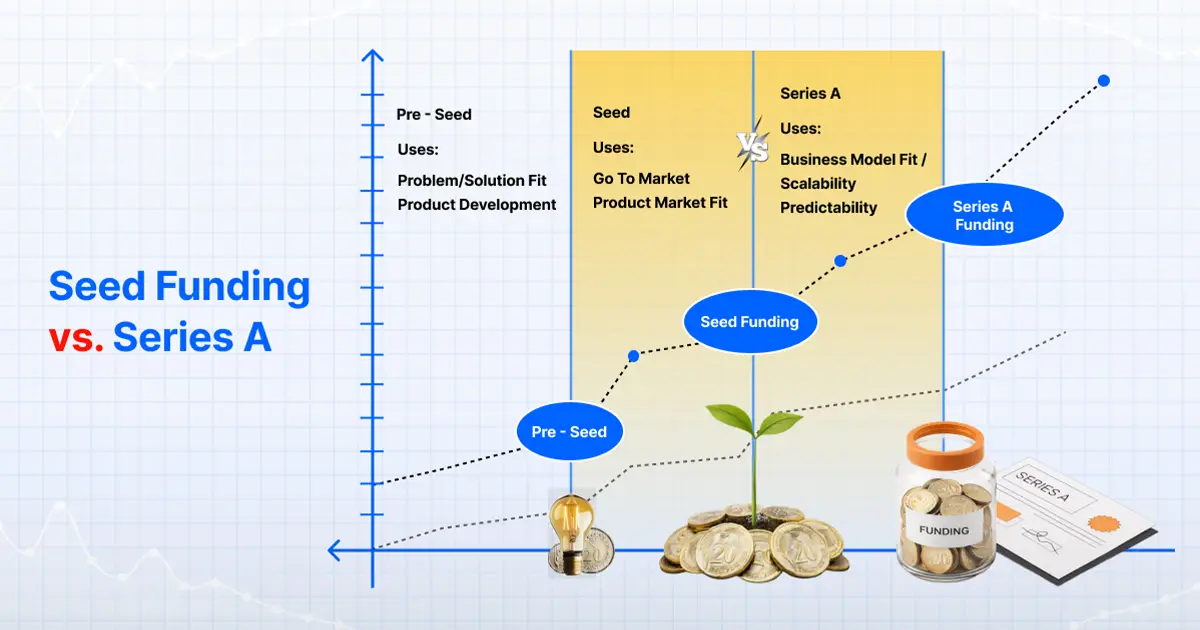
Difference Between Seed Funding and Series A Funding in India

Difference Between Seed Funding and Angel Funding for Indian Startups

Startup India Certificate: How to Download (2026)