Startup Registration in Bangalore
Get your startup registered in Bangalore with expert guidance and support. Enjoy government benefits, ensure compliance, and build a strong foundation for growth.
 Personalized Guidance on Startup Eligibility in BangaloreExpert Advice on Business Structure SelectionSupport with Incorporation DocumentsHelp in Obtaining DIN & DSCAssistance with GST, ROC, & Other Compliance

 What Sets Us ApartWhat Sets Us Apart
What is Startup Registration and Why is it Crucial for Your Venture in Bangalore?
Bangalore (aka Bengaluru) is known as India’s tech and innovation hub. It draws founders with its:
- High-speed connectivity and modern infrastructure
- Progressive state policies favoring startups
- Abundant office space in and around the city
- Deep pool of skilled IT and management talent
- A strong network of incubators, accelerators, and venture capital
These factors make Bangalore one of the top places to launch new ventures. But before you join this ecosystem, you must know what startup registration is and why it matters deeply.
-
Understanding the Fundamental Concept of Startup Registration
Registering as a startup gives your business legal recognition. It helps you access benefits such as tax breaks, funding, and faster patent filings. As of June 2024, the Department for Promotion of Industry and Internal Trade (DPIIT) has recognized 140,803 entities as startups in India. Karnataka accounts for 15,019 of those.
-
Key Advantages of Officially Registering Your Startup in Bangalore
Bangalore is already a powerhouse in India’s startup landscape. Karnataka ranks 2nd nationwide in DPIIT-recognized startups. Startup numbers keep growing fast. In one year (2022-2023) startups in Karnataka rose from about 2,568 to 3,036. That is an 18.2 % increase.
Here are some benefits you get when you register officially in Bangalore:
-
- Get access to Karnataka’s startup-friendly policies and incentives.
- Qualify for tax exemptions under central and state schemes.
- Make your startup eligible for seed funding.
- Use incubators and accelerators based in Bangalore.
- Gain credibility with investors, banks, and partners.
- Protect your brand name and IP with legal status.
- Apply for grants and government support.
- Ease in filing patents and complying with legal norms.
- Improve chances of scaling, expanding, and getting larger contracts.
- Avail incentives under the Karnataka Startup Policy 2022–27, such as incubation support and funding assistance.
- Get reimbursement for patent filing costs and GST exemptions on certain services.
- Access networking opportunities with Karnataka Innovation and Technology Society (KITS) and Elevate Karnataka programs.
-
The Significance of Startup Registration in India’s Business Environment
India’s push for innovation makes registration essential—whether through One Person Company registration in India, a Private Limited Company, or an LLP. In 2025, over 1,61,150 entities have been recognized under DPIIT. Registration grants legal rights, gives access to government schemes, and boosts your credibility. It’s your first step if you want funding, mentorship, or scaling.
How to Register a Startup in Bangalore?
Registering a startup in Bangalore involves several legal and procedural steps. Each stage ensures your business gains proper recognition and compliance with state and central laws. Let’s break down the startup registration process in Bangalore step by step:
Step 1: Select the Appropriate Legal Structure
- Choose the right structure: Private Limited Company, LLP, One Person Company (OPC), or Partnership.
- Select based on liability, funding needs, and scalability.
Step 2: Compile the Necessary Documents
- Prepare identity and address proofs of directors.
- Collect utility bills and rental agreements for the office.
- Keep PAN cards, photographs, and other KYC documents ready.
Step 3: Acquire DSC and DIN
- Apply for a Digital Signature Certificate (DSC) for electronic filings.
- Obtain a Director Identification Number (DIN) for all directors through the MCA portal.
Step 4: Reserve Your Unique Business Name
- Apply for name approval directly through the SPICe+ form on the MCA portal. This form integrates name reservation with incorporation to simplify the process.
- Ensure the name is unique, relevant, and not trademarked.
You can use RegisterKaro’s free company name search tool to check availability and secure a suitable company name before applying.
Step 5: Draft and File Incorporation Documents
- Prepare the Memorandum of Association (MoA) and Articles of Association (AoA).
- File these with the Registrar of Companies (ROC) along with the SPICe+ Form.
Step 6: Submit the Official Incorporation Application
- Upload all documents to the MCA portal (mca.gov.in)
- Pay the required fees.
- Wait for the ROC to verify and approve.
Step 7: Obtain the COI
- Once approved, receive the Certificate of Incorporation (COI).
- This gives your startup legal status in Bangalore.
Step 8: Fulfill Post-Registration Formalities
- Apply for the Company’s PAN and TAN.
- Register for GST if turnover crosses the threshold (Rs. 40 lakh for goods; Rs. 20 lakh for services).
- Open a current bank account in the company’s name.
Step 9: Get Additional Registrations if Needed
- Obtain Shops and Establishments registration if you hire employees.
- Register for EPF, ESIC, or Professional Tax as per the Karnataka laws.
Note: You first register your startup as a legal entity on the MCA portal (mca.gov.in). After that, you can apply for DPIIT recognition under Startup India through the official Startup India portal (startupindia.gov.in).
Documents Required for Startup Registration in Bangalore
You must submit specific documents to complete startup registration in Bangalore. These documents verify the identity of directors, the office address, and the legal structure of your business.
- Personal Identification Documents of Directors/Promoters: Submit PAN and Aadhaar cards of all directors or promoters. These documents establish identity and nationality.
- Address Proof of Directors/Promoters: Provide a recent bank statement or utility bill. These documents confirm the residential address.
- Registered Office Address Proof: Submit a rent agreement or sale deed for the office. Attach a No Objection Certificate (NOC) from the owner if the property is rented.
- Business Name Approval Documents: Reserve your startup name through the MCA portal. Keep the name approval letter ready for incorporation.
- MoA and AoA: Draft and file the MoA and AoA. These define your business objectives, rules, and structure.
- Other Specific Declarations and Affidavits: File declarations by directors confirming compliance. Submit affidavits as required by the Registrar of Companies (ROC).
Startup Registration Fees in Bangalore
You need to budget several fees to register your startup in Bangalore. The costs vary by entity type (Private Limited/ LLP) and service provider.
| Fee Component | What it Covers | Estimate for Private Limited Company (Rs.) | Estimated for LLP (Rs.) |
| Government Fees (SPICe+ and Name Approval) | MCA charges for incorporation and reserving a name via SPICe+ | 1,000-2,000 | 1,000-1,500 |
| Stamp Duty | State government tax on authorized capital or documents | 1,000-5,000 | 500-2,000 |
| DSC and DIN | Digital signatures + DIN for 2 directors/partners | 1,500-2,500 | 1,500-2,500 |
| Professional Service Charges | Fees for CA/CS/lawyer help in drafting and filing documents | 8,000-15,000 | 4,000-8,000 |
| PAN and TAN Application | Included in the SPICe+ / FiLLiP forms. | Included | Included |
Note: Costs can vary depending on state rules, authorized capital, number of directors/partners, and service provider.
Local Specifics and Unique Considerations for Startup Registration in Bangalore
Startup registration in Bangalore comes with its own requirements. The city provides strong support, but you must comply with local legal and regulatory norms. Knowing these factors helps you register faster and avoid unnecessary hurdles.
-
Understanding Bangalore’s Business Environment and Local Support Systems
Bangalore has emerged as one of India’s top startup hubs. The city hosts world-class incubators such as NSRCEL at IIM Bangalore, IKP Eden, and NASSCOM 10,000 Startups.
Additionally, the Karnataka Startup Policy and Elevate 100 program provide grants, mentorship, and tax support. The city’s tech ecosystem and global investor access make it ideal for innovation.
-
Specific Local Regulations and Legalities Impacting Startups in Bangalore
You must register under the Karnataka Shops and Establishments Act, 1961, if you employ staff. Professional tax registration is compulsory in the state.
Stamp duty on company incorporation depends on the authorized share capital. Local municipal approvals may apply if you set up a physical office.
-
Relevant Government Bodies and Contact Information for Startups in Bangalore
The Department of Electronics, IT, BT, and S&T, Government of Karnataka, manages startup initiatives through Startup Karnataka. The Karnataka Innovation and Technology Society (KITS) supports incubation and scaling. You can access services and schemes on the official portal (missionstartupkarnataka.org/).
-
Addressing Common Hurdles During Startup Registration in Bangalore
Startups in Bangalore often face delays at the Registrar of Companies (ROC) in Karnataka due to incomplete documentation. GST registration may get rejected if the office address proof is insufficient.
Many founders miss compliance with the Shops and Commercial Establishments Act, 1961. Using professional assistance helps avoid errors and ensures faster approvals.
How to Check Startup Registration Application Status in Bangalore?
You can easily track the progress of your startup registration in Bangalore through online platforms. Checking the status helps you stay updated, avoid delays, and take timely action if issues arise.
-
Utilizing Online Platforms and Tools for Status Checks
Visit the MCA portal and log in with your credentials. Enter your Service Request Number (SRN) to see updates. For state-level recognition, use the Karnataka Startup portal.
-
Interpreting Various Application Status Updates
If the status shows “Under Processing,” the authorities are still reviewing your documents. “Approved” means you have received the Certificate of Incorporation. “Rejected” signals errors or incomplete filings that need correction.
-
Actions to Take for Delayed or Unsuccessful Applications
If delays occur, raise a ticket on the MCA portal or contact the ROC. In case of rejection, correct the mistakes and refile your application. Seek professional support if problems persist.
Connect with RegisterKaro and let our experts handle the legal hassle while you grow your business.
Frequently Asked Questions (FAQs)
How long does the startup registration process typically take in Bangalore?
Startup company registration in Bangalore usually takes 7-10 working days for private limited companies, depending on document accuracy and ROC processing times. For LLP, it usually takes around 10-15 days.
Delays can occur if documents are incomplete or errors exist. Using professional assistance can speed up the process and ensure smooth approval.
What are the anticipated costs associated with startup registration in Bangalore?
Startup registration in Bangalore involves several fees.
- For a Private Limited Company, government filing fees range from Rs. 1,000–2,000, and stamp duty is Rs. 1,000–5,000. DSC/DIN costs Rs. 1,500–2,500, and professional service charges are Rs. 8,000–15,000. PAN and TAN applications are also included.
- For an LLP, total costs typically range from Rs. 7,000–14,000, depending on capital, number of partners, and service provider.
Is a physical office address mandatory for startup registration in Bangalore?
Yes, a valid physical office address is required for ROC and GST filings. Startups can use rented spaces, owned offices, or virtual office addresses if compliant.
Utility bills or rental agreements are typically submitted as proof. This ensures official recognition and smooth registration.
What is the primary difference between simply operating a business and a registered startup?
A registered startup has:
- Legal recognition
- Access to government schemes
- Tax benefits
- Funding opportunities
Operating without registration limits credibility, legal protections, and eligibility for programs like Startup India. Registration also allows intellectual property protection, easier banking, and increased investor trust.
What documents are required for startup registration in Bangalore?
You need:
- Identity proof (PAN, Aadhaar, passport, or voter ID)
- Address proof (utility bill or bank statement) of directors or partners
- A registered office address proof, such as a rental agreement or electricity bill
- Digital Signature Certificate (DSC) and Director Identification Number (DIN)
Can a single person register a startup in Bangalore?
Yes, a single individual can register a startup in Bangalore as a One Person Company (OPC). This structure allows sole founders to enjoy limited liability, better credibility, and legal recognition.
An OPC also gives easier access to loans, contracts, and government programs, while keeping compliance requirements relatively simple compared to private limited companies.
What business structures are available for startup registration in Bangalore?
In Bangalore, startups can register as a Private Limited Company, Limited Liability Partnership (LLP), One Person Company (OPC), or Partnership Firm. The right structure depends on funding needs, ownership, and compliance goals.
Most tech startups prefer Private Limited Companies, while service-based ventures often choose LLPs for simpler compliance.
Do startups in Bangalore receive government incentives?
Yes, registered startups in Bangalore benefit from Karnataka’s Startup Policy and central government schemes. Programs like Elevate 100 provide grants and mentorship.
Startups also enjoy tax exemptions under Startup India, patent cost reimbursements, and access to incubation networks. Registration ensures eligibility for these incentives and increases growth opportunities.
Is GST registration mandatory for startups in Bangalore?
GST registration becomes mandatory if your startup’s annual turnover exceeds Rs. 40 lakh for goods or Rs. 20 lakh for services. However, many startups register voluntarily to claim input tax credit and gain credibility with clients. Using GST-compliant invoices also helps in securing larger contracts and partnerships.
Can foreign nationals register a startup in Bangalore?
Yes, foreign nationals can register a startup in Bangalore, usually as shareholders in a Private Limited Company. They must comply with Foreign Direct Investment (FDI) guidelines set by the Reserve Bank of India. Having at least one Indian resident director is mandatory. Professional guidance ensures compliance with FDI and ROC regulations.
How does startup registration improve funding opportunities in Bangalore?
Investors and banks prefer registered startups because they have legal recognition and transparent compliance records. Registration:
- Builds credibility
- Simplifies due diligence
- Increases eligibility for venture capital and government funding schemes
In Bangalore’s competitive startup ecosystem, recognition significantly improves your chances of attracting investors and scaling faster.
What common mistakes should startups in Bangalore avoid during registration?
Founders often submit incomplete documents, select the wrong business structure, or miss compliance with the Shops and Commercial Establishments Act, 1961. Delays in DSC/DIN applications and errors in office address proof also cause rejections.
Using professional support reduces mistakes, ensures accurate filing, and speeds up approval from the Registrar of Companies.

Reviewed by
Joel DsouzaJoel Dsouza is a Chartered Accountant (CA) and compliance expert with over 7 years of hands-on experience in company registration, tax structuring, GST, ROC filings, and MCA compliance. As a qualified member of the Institute of Chartered Accountants of India (ICAI) and Co-Founder at RegisterKaro, he has personally advised more than 1,000 startups and SMEs across India, helping founders navigate incorporation, regulatory frameworks, and financial planning from Day 1. With deep expertise across all three levels of Finance and Portfolio Management, Joel is committed to promoting financial literacy and simplifying India's startup ecosystem through clear, actionable guidance that entrepreneurs can act on immediately.
Why RegisterKaro is Your Ideal Partner for Startup Registration in Bangalore?
RegisterKaro helps startups in Bangalore navigate the registration process quickly and efficiently. With local expertise, user-friendly tools, and dedicated support, we simplify every step from document preparation to compliance.
- In-depth Knowledge of Bangalore’s Local Laws and Procedures: Our team understands Bangalore-specific rules, including ROC requirements, stamp duty, and professional tax. We ensure your startup meets all state and central regulations.
- Streamlined and User-Friendly Online Registration Experience: We allow you to complete registration online. You can track application progress, upload documents, and receive updates without visiting multiple offices.
- Expert Assistance and Personalized Guidance: Our experts guide you through each step, from choosing the right business structure to filing incorporation forms. We provide tailored solutions based on your startup’s needs.
- Affordable and Transparent Pricing for Startups: We offer clear, upfront pricing with no hidden fees. Our packages cover all essentials, including DSC/DIN, filing fees, and professional support.
- A Strong Record of Successful Business Registrations: We have helped thousands of startups in Bangalore and across India launch smoothly. Our track record demonstrates reliability, efficiency, and client satisfaction.

What Our Clients Say
View All
Sai S
 Verified
Register Karo provided outstanding support with clear communication and prompt delivery, making the entire company registration process seamless and e... Read more

Harsh Aggarwal
VerifiedRegisterKaro provided excellent support for my business incorporation. The process was transparent, efficient, and their team made sure all compliance... Read more

Vineet Garg
Verified“I’ve had a good experience working with RegisterKaro for my agribusiness registration and compliance. They assisted with company incorporation smooth... Read more

Prithika Fredric
VerifiedAkriti Gupta helped us in registering our startup. Thanks for sending us timely updates and ensuring everything went smoothly. We truly appreciate you... Read more

Sangeeta Gupta
VerifiedI had a great experience with company incorporation services handled by Anchal. The entire process was smooth, well-organized, and completed on time.... Read more

Pragya Mehta
VerifiedService and followup was great. I would specially like to thank Shubham for coordinating all formalities needed to incorporate the Company. I will def... Read more

Rakesh Singh
VerifiedRegisterKaro made the entire process smooth and straightforward. The team was professional, responsive, and explained everything clearly. I really app... Read more

Rajesh Dey
Verifiedamazing and excellent service from your side. it's my great experience with you. I hope our relation will be more better to continue ahead of the day.... Read more

SUNNY AYEKPAM
VerifiedPragyan has been very professional and helpful throughout the process. He completed our work well before time and we are very grateful for his service... Read more

Abhishek
VerifiedWe registered our company with Registerkaro, and the process was handled efficiently and swiftly by Ankit. He addressed all our questions and ensured... Read more
Other Business Services in Bangalore
Related Blogs
View All
How to Raise Funds for Startup in India: Sources and Stages

How to Start Masala Business in India in 2026?

How to Start a Recycling Business in India: Complete Guide for 2026

How to Start a Security Service Business in India

Kerala Startup Incubators List with their Contact Information

How to Invest in Startups in India? 2026 Complete Guide

Government Schemes For Women Entrepreneurs in India: Funding Options
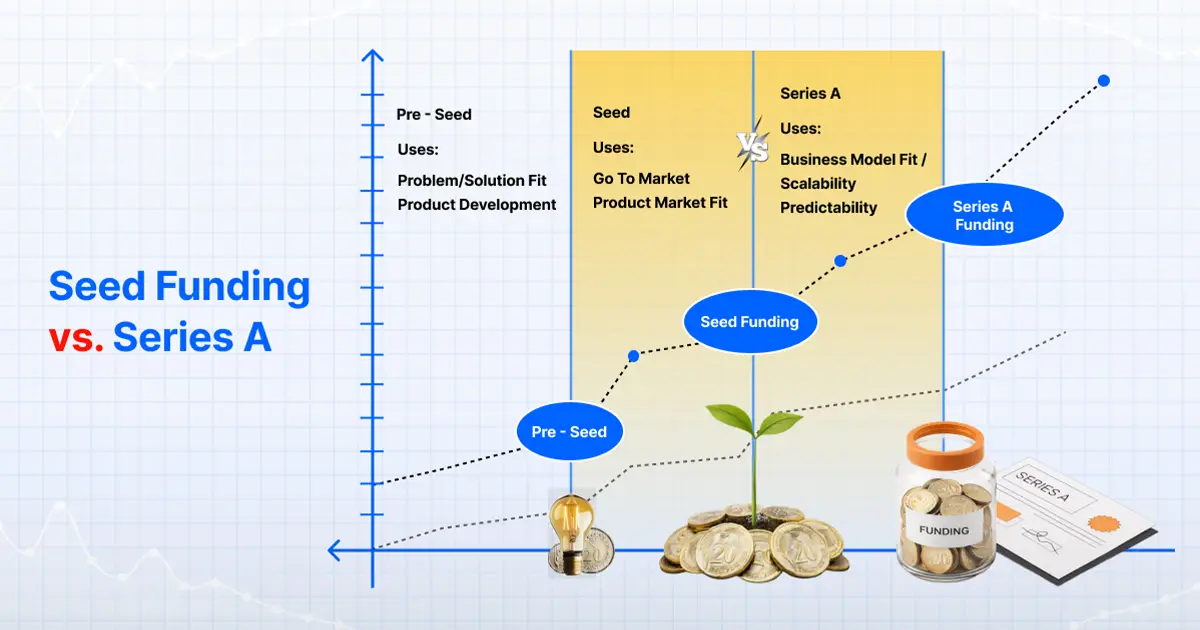
Difference Between Seed Funding and Series A Funding in India
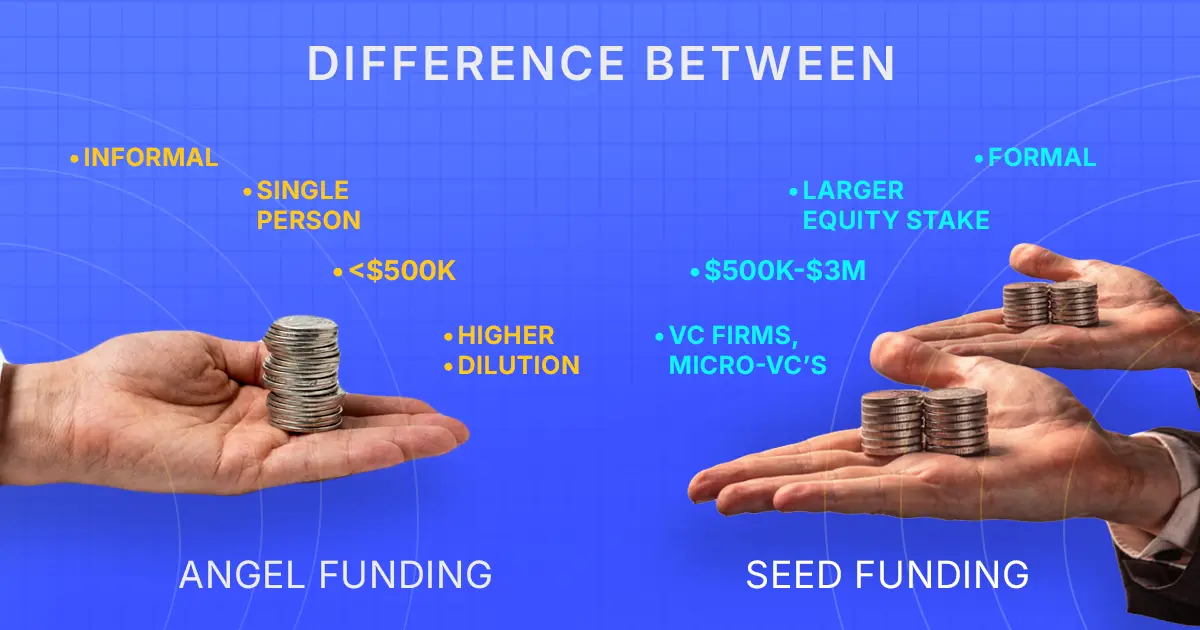
Difference Between Seed Funding and Angel Funding for Indian Startups

Startup India Certificate: How to Download (2026)