Startup Valuation Services in India
Startup valuation is essential for fundraising, equity planning, and investor confidence. Get expert-led, compliant reports online and boost your startup’s growth with RegisterKaro.
 Accurate Valuation Reports Recognized by InvestorsExpert Consultation by CA/CS ProfessionalsStartup-Stage Specific Valuation MethodsQuick Delivery with Full Legal ComplianceTrusted by 5,000+ Indian Startups

 What Sets Us ApartWhat Sets Us Apart
What is Startup Valuation?
Startup valuation is the process of determining the economic worth of your early-stage company. It's about putting a price tag on your potential, your assets, your ideas, and your future earnings.
Valuing a startup in India is different from valuing established companies with steady financial records. Startups are unique due to their high growth potential, scalability, and large addressable markets. Because of this, valuing a startup in India also requires careful consideration of the regulatory landscape. A professional startup valuation gives a clear, reliable number that’s important for fundraising, partnerships, and business planning.
Why Do You Need a Valuation for Your Indian Startup?
What makes a company valuation for startups so essential for survival and growth? The reasons are compelling and often critical for survival and growth:
- Raising Capital: Raising capital is the primary reason startups need a clear valuation. Whether dealing with angel investors, venture capitalists, or banks, they require an accurate valuation to decide how much equity they’ll receive for their investment.
For startups recognized by DPIIT, certain tax exemptions and FDI relaxations apply, but having a proper valuation report is essential to comply with regulations under FEMA and the Income Tax Act, such as Section 56(2)(vii)(b). A well-prepared valuation can greatly improve your chances of successful fundraising.
- Mergers & Acquisitions (M&A): If you're considering selling your startup or acquiring another, a professional valuation is non-negotiable for securing a fair price.
- Employee Stock Option Plans (ESOPs): To attract and retain top talent, ESOPs are crucial. You need a valuation to accurately price these options.
- Strategic Planning: Understanding your Fair Market Value (FMV) helps you make informed decisions about future growth, resource allocation, and market positioning.
- Compliance and Regulatory Requirements: In India, a valuation report prepared by a Category-I Merchant Banker registered is mandatory for transactions like FDI, Employee Stock Ownership Plans (ESOPs), and compliance with Section 56(2)(vii)(b) of the Income Tax Act. This ensures that valuations meet legal standards and regulatory scrutiny.
- Shareholder Disputes: In case of disagreements among co-founders or shareholders, a clear valuation provides an objective basis for resolution.
When is the Right Time to Get Your Startup Valued?
There's no "perfect" time, but certain milestones often trigger the need for a company valuation for startups:
- Before Your First Funding Round: Understanding your startup’s value is essential to negotiate effectively and avoid giving away excessive equity. Additionally, investors, especially international ones, might require a 409A or Fair Market Value report based on the type of funding.
- During Subsequent Funding Rounds: As your startup grows and evolves, so does its value. Regular revaluations are essential for new investment rounds.
- When Granting ESOPs: Before issuing employee stock options, you need a current valuation to ensure fair pricing.
- Planning Strategic Partnerships or Joint Ventures: Understanding your value helps in structuring equitable collaborations.
- At Key Growth Milestones: When you achieve revenue targets, user base growth, or product launches, a new valuation can reflect this progress.
- To Comply with Regulatory Compliance: If you're dealing with foreign direct investment (FDI) or other specific transactions, a valuation is often legally required.
How is a Startup's Value Calculated?
Company valuation for startups is more art than science, especially in the early stages. Valuers use different methodologies depending on your startup's maturity.
For Early-Stage & Pre-Revenue Startups
When you don't have much financial history, traditional methods fall short. Here are some common approaches for early-stage startup valuation in India:
| Valuation Method | Description | Ideal For | Key Factors Considered |
| Berkus Method | Assigns value to 5 qualitative risk-reducing factors | Pre-revenue startups | Sound Idea, Prototype, Management Team, Strategic Alliances, Product Rollout, or Sales |
| Scorecard Method | Compares the startup to similar funded startups, then adjusts for performance across weighted criteria | Early-stage startups | Team, Opportunity Size, Product, Competition, Sales Channels, Investment Need |
| Risk Factor Summation | Evaluates 12 risk areas, scores them, and adjusts the base valuation accordingly | Pre-revenue or early-stage startups | Management, Tech, Funding, Sales, Competition, Legality, IP, Exit Strategy (12 total) |
| Discounted Cash Flow (DCF) | Projects future free cash flow and discounts to present value based on risk | Growth-stage or revenue-generating | Projected Cash Flows, Discount Rate, Terminal Value |
| Market Multiple Method | Compares startup to industry peers using valuation multiples like EV/Revenue, EV/EBITDA | Startups with a financial history | Revenue, EBITDA, Net Income, Industry Multiples, Recent Transactions |
| Venture Capital Method | Calculates post-money valuation based on the investor’s desired ROI and terminal value | VC-funded startups | Exit Valuation, Target ROI, Investment Amount, Expected Exit Timeline |
Note: Valuation under the Discounted Cash Flow (DCF) method often requires justifying discount rates based on Indian market risk premiums and sector-specific benchmarks.
For Startups with a Track Record
As a startup matures and generates revenue, valuation methods become more data-driven. While some earlier-stage methods are still relevant, the following become more prominent:
- Discounted Cash Flow (DCF): Projects future cash flows and discounts them to present value based on risk.
- Comparable Company Analysis: Compares your startup’s metrics (like revenue or EBITDA) to similar companies in the same sector.
- Precedent Transactions: Look at valuation multiples from past funding or acquisition deals in your industry.
- Revenue/EBITDA Multiples: Common for growth-stage startups where profitability is visible.
- Venture Capital Method: Often used by early-stage investors to estimate post-money valuation based on expected ROI.
Key Factors That Decide Your Startup's Price Tag in India
Several factors unique to the Indian market and your specific business influence your startup valuation in India:
1. Your Business Idea and Market Size
Is your idea innovative? Does it solve a real problem for a large addressable market in India? A large and growing target market, coupled with a unique value proposition, significantly boosts your startup’s valuation.
2. Your Team's Strength and Execution Ability
Investors bet on people as much as ideas. A strong, experienced, and cohesive founding team with a proven ability to execute and pivot is invaluable. Their track record and commitment are key drivers of Fair Market Value.
3. Your Financial Health: Revenue, Growth, and Profitability
While early-stage startups might lack revenue, demonstrating a clear path to profitability and strong growth potential is crucial. For startups with a track record, consistent revenue growth, healthy margins, and a clear path to profitability are vital for achieving a higher valuation.
4. Your Technology, Intellectual Property (IP), and 'Secret Sauce'
Proprietary technology, patent registration, trademark registration, and unique processes that create a sustainable competitive advantage significantly increase your valuation. This "secret sauce" makes your startup harder to replicate and more attractive to investors, enhancing your Fair Market Value.
5. Market Trends, Competition, and Investor Sentiment
The overall economic climate in India, prevailing industry trends, the competitive landscape, and the general sentiment of investors towards your sector all play a significant role. A booming sector with high investor interest can lead to a higher startup valuation in India.
Process of Getting Your Official Valuation Report
Obtaining a professional company valuation for startups involves a structured process:
Step 1: Defining the Purpose of Your Valuation
Before anything else, clarify why you need the valuation. Is it for fundraising, ESOPs, M&A, or regulatory compliance? The purpose often dictates the valuation method and the level of detail required.
Step 2: Gathering Your Documents
To ensure an accurate valuation, you'll need to provide your chosen valuer with comprehensive documentation. This typically includes:
- Business Plan and Pitch Deck
- Financial Projections (5-year forecast is common)
- Historical Financials (if applicable: P&L, Balance Sheet, Cash Flow Statements)
- Cap Table (Capitalization Table)
- Legal Documents (MoA, AoA, Shareholder Agreements)
- Team Biographies
- Market Research and Competitive Analysis
- Details of any existing Intellectual Property (IP)
- Customer Data and Traction Metrics
- GST Returns (if available)
- Income Tax Returns (ITR) for the past 2–3 years
- Details of any convertible notes, CCPS, or debentures
Step 3: Choosing the Right Valuation Expert and Method
It's crucial to select a qualified and experienced valuer who understands the nuances of company valuation for startups in India. They will guide you on the most appropriate valuation methods for your stage and purpose. Look for valuers authorized to issue reports for regulatory purposes.
Step 4: The Analysis
The valuer will meticulously analyze all the provided data, apply the chosen valuation methodologies, and conduct in-depth research into your industry, market, and comparable companies. This is where their expertise in arriving at the Fair Market Value comes into play.
Step 5: Receiving and Understanding Your Final Valuation Report
You will receive a comprehensive valuation report detailing the methodologies used, the assumptions made, and the final valuation figure. Your valuer should then walk you through the report, explaining the findings and answering any questions you may have.
Get in touch with expert valuers today to ensure your startup’s worth is accurately determined and confidently presented.
Pre-Money vs Post-Money Valuation of Your Company
There are key distinctions, which are as follows:
| Aspect | Pre-Money Valuation | Post-Money Valuation |
| Definition | The value of the startup before the new investment is added | The value of the startup after the investment is added |
| Formula | Pre-Money = Post-Money - Investment Amount | Post-Money = Pre-Money + Investment Amount |
| Used For | Determining equity ownership before funding | Determining equity after funding is received |
| Impact on Ownership | Shows the company's worth, excluding new investor funds | Shows the company’s worth, including new investor funds |
| Investor Equity (%) | Investment ÷ Post-Money Valuation | Same formula, but used after including new funds |
| Negotiation Focus | Favored by founders (shows higher company value) | Favored by investors (shows what they’re getting post-investment) |
| Example | Rs. 4 crore pre-money with Rs. 1 crore investment | Rs. 5 crore post-money valuation |
Note: These valuation terms are especially relevant during fundraising rounds such as seed and Series A and are commonly used in negotiations with Indian investors.
Rules You Must Know for Startup Valuation in India
Understanding the regulatory environment is key when valuing a startup in India:
A. Who is Authorised to Value Your Company?
In India, for various regulatory purposes, a startup valuation in India must typically be conducted by:
- Merchant Bankers registered with SEBI.
- Chartered Accountants (in some cases, for specific purposes).
- Registered Valuers, defined under Rule 2 of the Companies (Registered Valuers and Valuation) Rules, 2017, are appointed for valuations related to share allotment under the Companies Act, 2013, and ESOP issuances. They are also appointed for valuations required during share transfers under FEMA regulations.
It's vital to choose a professional who is authorized to issue reports that will be accepted by the authorities. This ensures the legitimacy of your company valuation for startups.
B. FEMA Pricing Guidelines for Foreign Investment (FDI)
The Foreign Exchange Management Act (FEMA) has strict guidelines for pricing shares when foreign investment (FDI) is involved. Under FEMA, when an Indian startup issues shares to foreign investors (non-residents), the issue price must be equal to or greater than the Fair Market Value (FMV) determined by an authorized valuer.
This is a critical point for any Indian startup looking to raise funds from overseas investors. Contacting a professional to get a robust company valuation for startups is essential for compliance here.
C. DPIIT Recognition
DPIIT Recognition (Department for Promotion of Industry and Internal Trade) for startups in India offers several benefits, including certain exemptions from tax provisions, such as Section 56(2)(vii)(b) of the Income Tax Act (often referred to as "Angel Tax").
For eligible startups, this recognition can help alleviate potential tax liabilities on share premiums, indirectly making your startup's valuation in India more attractive to investors by reducing their future tax burden.
Who is eligible?
- The startup should be under 10 years old,
- Have an annual turnover below Rs. 100 crore,
- And focus on innovation or enhancing existing products or services.
Having DPIIT Recognition signals legitimacy and can positively influence investor perception, making the process of determining Fair Market Value smoother.
How Much Does a Startup Valuation Cost?
Here’s an overview of startup valuation costs in India:
| Valuation Service | Approximate Cost |
| Basic Startup Valuation Report | Rs. 20,000 – Rs. 50,000 |
| Detailed Valuation with DCF Method | Rs. 50,000 – Rs. 1,50,000 |
| SEBI-Registered Merchant Banker Report | Rs. 1,00,000 – Rs. 3,00,000 |
| 409A / FMV Report (for international investors) | Rs. 1,50,000 – Rs. 5,00,000 |
Note: The costs mentioned are approximate and can vary based on the complexity of the valuation and the service provider.
Startup Valuation Certificate
A Startup Valuation Certificate is an official document issued by certified professionals to determine and validate the financial worth of a startup. The certificate provides transparency, builds investor confidence, and is often a mandatory compliance requirement for funding rounds.
Getting your valuation certificate online is now simple and fast with professional support. Once your startup is assessed, the certificate can be downloaded directly from the RegisterKaro portal using your business credentials and reference number.
How to Download Your Startup Valuation Certificate Online?
To download:
- Visit the Startup India website (startupindia.gov.in/content/sih/en/startup-scheme.html), using your registered email and password.
- Go to the “My Documents” or “Valuation Reports” section.
- Select the relevant valuation report and click on “Download Certificate.”
- Your certificate will be available instantly in PDF format.
How to Check Your Valuation Status Online?
To check status online:
- Log in to the Startup India website (startupindia.gov.in/content/sih/en/startup-scheme.html).
- Head to the “My Applications” or “Valuation Status” section.
- Enter your application number and submission date.
- Track the real-time progress of your valuation report.
- Contact the support team for any questions or help.
Connect with RegisterKaro and let our experts handle the legal hassle while you grow your business.
Frequently Asked Questions (FAQs)
How much does it cost to get a startup valuation report in India?
The cost varies depending on the complexity of your business, its stage, and the chosen valuation method. Generally, expect fees to range from Rs. 25,000 to Rs. 1,50,000 or more. It's best to get a customized quote from a professional valuer.
Is a very high valuation always a good thing for a startup?
Not always. While a high valuation seems appealing, it also comes with increased expectations from investors. If your startup fails to meet these ambitious targets, it can lead to difficulties in future funding rounds (a "down round") or even investor dissatisfaction. A realistic and sustainable valuation is often more beneficial.
My startup has no revenue. How can it be valued?
Even without revenue, your startup can be valued using qualitative methods like the Berkus Approach, Scorecard Method, or Risk Factor Summation Method, which focus on factors like team strength, market opportunity, technology, and intellectual property. These methods provide a basis for Fair Market Value in the absence of financial history.
What is the difference between pre-money and post-money valuation?
- Pre-money valuation: This is the value of your startup before receiving any new investment.
- Post-money valuation: This is the value of your startup after the new investment has been received. Post-money valuation = Pre-money valuation + Investment amount. Understanding these terms is crucial when discussing company valuation for startups with investors.
How long does the valuation process take?
Typically, the process for a startup valuation in India can take anywhere from 1 to 3 weeks, depending on the availability of documents, the complexity of your business, and the valuer's workload.
What is the difference between an Angel Investor's and a Venture Capitalist's view on valuation?
Angel investors typically invest smaller amounts at earlier stages and often rely more on qualitative factors, team, and passion. Venture capitalists (VCs) invest larger sums at later stages, market traction, and a clear exit strategy for their company valuation of startups. Both, however, are looking for significant potential and a strong Fair Market Value.
What is a term sheet, and how is it related to valuation?
A term sheet is a non-binding document outlining the key terms and conditions of an investment, including the startup valuation in India (both pre-money and post-money), equity stake, investor rights, and other crucial clauses. The valuation is a core component of the term sheet.
What is due diligence, and what happens after the valuation?
After a preliminary valuation and term sheet are agreed upon, investors conduct "due diligence." This is a thorough investigation into all aspects of your business – financial, legal, operational, and commercial – to verify the information provided and assess risks. A successful due diligence often leads to the final investment agreement, which is based on the agreed-upon company valuation for startups.
How often should I get my startup re-valued?
It's advisable to get your startup valuation in India re-valued at least once a year, or whenever there's a significant milestone, such as a new funding round, major product launch, or substantial change in market conditions. This ensures your Fair Market Value is always current.
What is the Fair Market Value (FMV) of unlisted shares?
FMV of unlisted shares is the price at which the shares of a private company would change hands between a willing buyer and a willing seller, neither being under any compulsion to buy or to sell, and both knowing the facts. For regulatory purposes in India, FMV for unlisted shares often needs to be determined by an authorized valuer. This is a critical concept in company valuation for startups.

Reviewed by
Joel DsouzaJoel Dsouza is a Chartered Accountant (CA) and compliance expert with over 7 years of hands-on experience in company registration, tax structuring, GST, ROC filings, and MCA compliance. As a qualified member of the Institute of Chartered Accountants of India (ICAI) and Co-Founder at RegisterKaro, he has personally advised more than 1,000 startups and SMEs across India, helping founders navigate incorporation, regulatory frameworks, and financial planning from Day 1. With deep expertise across all three levels of Finance and Portfolio Management, Joel is committed to promoting financial literacy and simplifying India's startup ecosystem through clear, actionable guidance that entrepreneurs can act on immediately.
Why Choose RegisterKaro for Startup Valuation Services?
At RegisterKaro, we understand the unique challenges and opportunities that Indian startups face. We offer comprehensive company valuation services for startups designed to empower your growth.
- Expert Valuers, Simple Process: Get experienced and authorized valuers with a deep understanding of the Indian startup ecosystem. We simplify the complex valuation process, making it easy for you to navigate the valuation process in India.
- Built for Indian Startups: We tailor our valuation approaches to suit the specific stage and needs of Indian startups, from nascent, pre-revenue ventures to rapidly scaling businesses. Our expertise ensures your Fair Market Value is accurately reflected in the Indian context.
- Reports Prepared for Full Regulatory Compliance: Valuation reports are meticulously prepared to meet all Indian regulatory requirements, including FEMA, Income Tax, and Companies Act provisions.
- Transparent and Affordable Pricing: Get clear and upfront pricing. You'll know exactly what to expect, with no hidden costs, making professional valuation services accessible.

What Our Clients Say
View All
bhavishya bidhuri
 Verified
It was a great experience working with this team I had applied for startup India which they process in a smooth manner the team is helpful special tha... Read more

rahul yadav
VerifiedThanks to the team and NEHA Lakra for her good work “Five stars all the way! The service, the product, and the overall experience were outstanding. I... Read more

Riya Arora
VerifiedRegister Karo provides excellent services Their team is very cooperative and explains everything clearly, which is helpful for beginners. The process... Read more

Senthil kumar Ganesa...
VerifiedI had an excellent experience with RegisterKaro throughout my company registration process. A special thanks to Mr. Hansen for his exceptional support... Read more

Shreya Sharma
VerifiedKrishna bhatt handled the Shops and Establishment registration process proficiently and efficiently. The team at RegisterKro was very supportive throu... Read more

Kirtivardhan Deshpan...
VerifiedWorking with registerkaro team and especially with Parul was amazing. She answered all my queries and was always available. Regular followups and fine... Read more

Sudhir Soony
VerifiedI had a wonderful experience. The quality of service exceeded my expectations, and the team was polite, responsive, and professional. Special Thanks t... Read more

Sanskrati Agarwal
VerifiedThe Compliance team is highly competent. Deepak ji our SPOC, has been really helpful throughout our journey since the company incorporation. You will... Read more

Anuj Vishwakarma
VerifiedRegisterKaro provided a professional experience from beginning to end. Archana guided me well, explained the process clearly, and made everything feel... Read more

Subrahmanyam Saga
VerifiedI am extremely satisfied with the service and very knowledgeable and supportive staff. Shivani she helped us to complete the entire process very smoot... Read more
Related Blogs
View All
Startup India Certificate: How to Download (2026)

Startup India Registration Fees in 2026: Complete Cost & Charges Breakdown
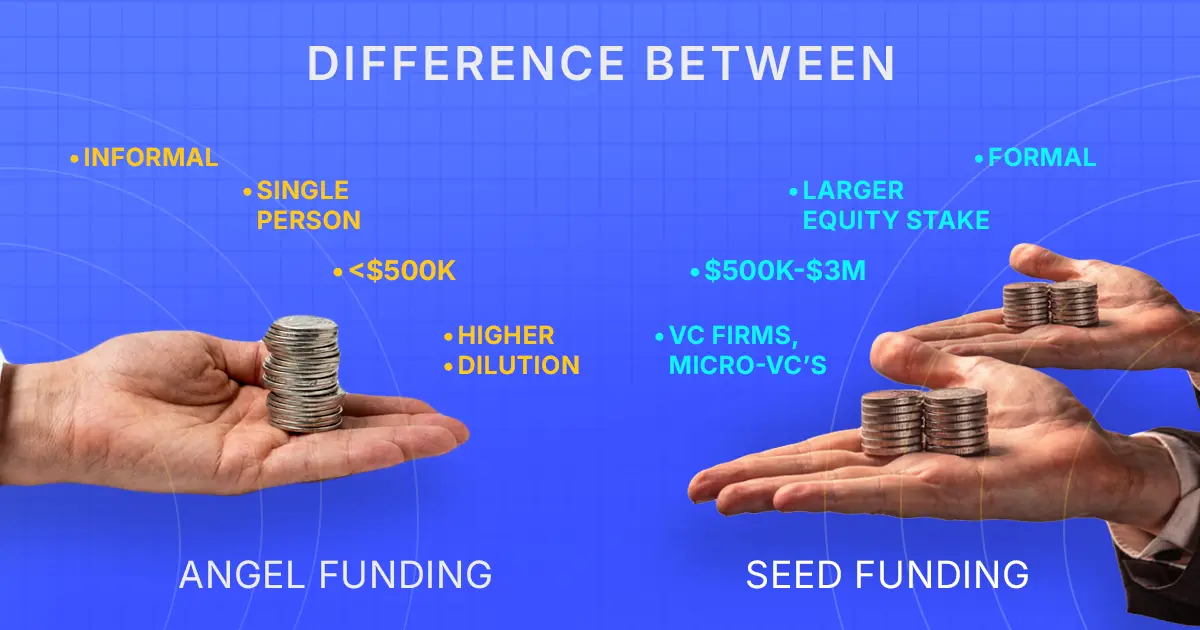
Difference Between Seed Funding and Angel Funding for Indian Startups
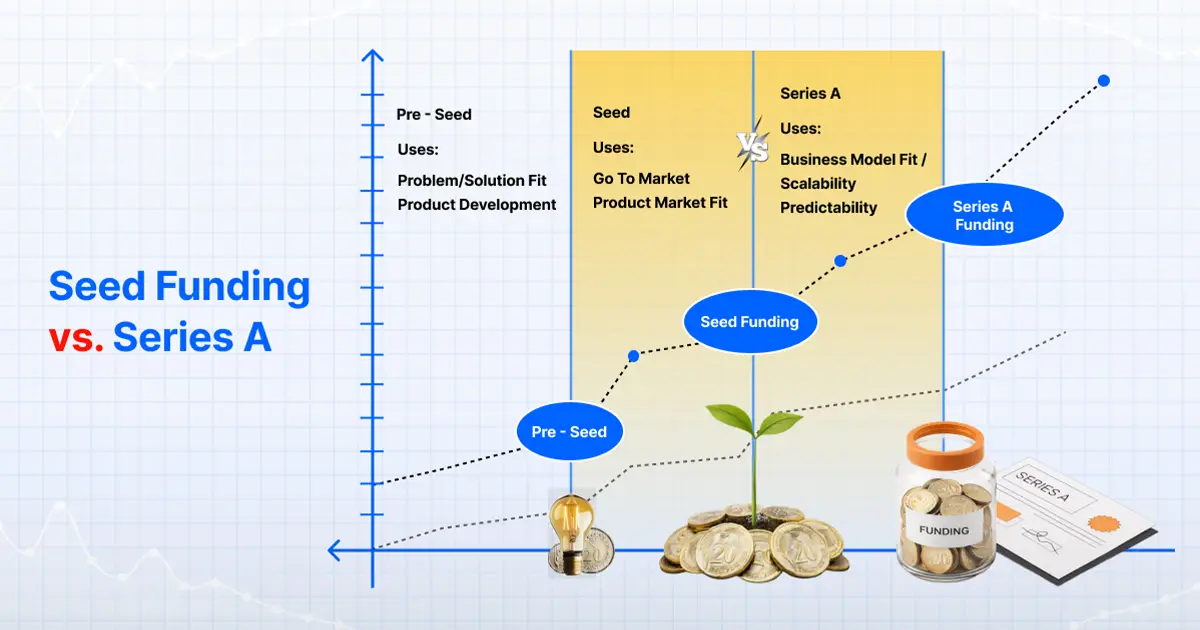
Difference Between Seed Funding and Series A Funding in India

Types of Funding for Startups in India 2026: 11 Options Guide

Government Schemes For Women Entrepreneurs in India: Funding Options

How to Invest in Startups in India? 2026 Complete Guide

Kerala Startup Incubators List with their Contact Information

What are the Documents Required for Startup India Registration?

How to Start a Security Service Business in India