

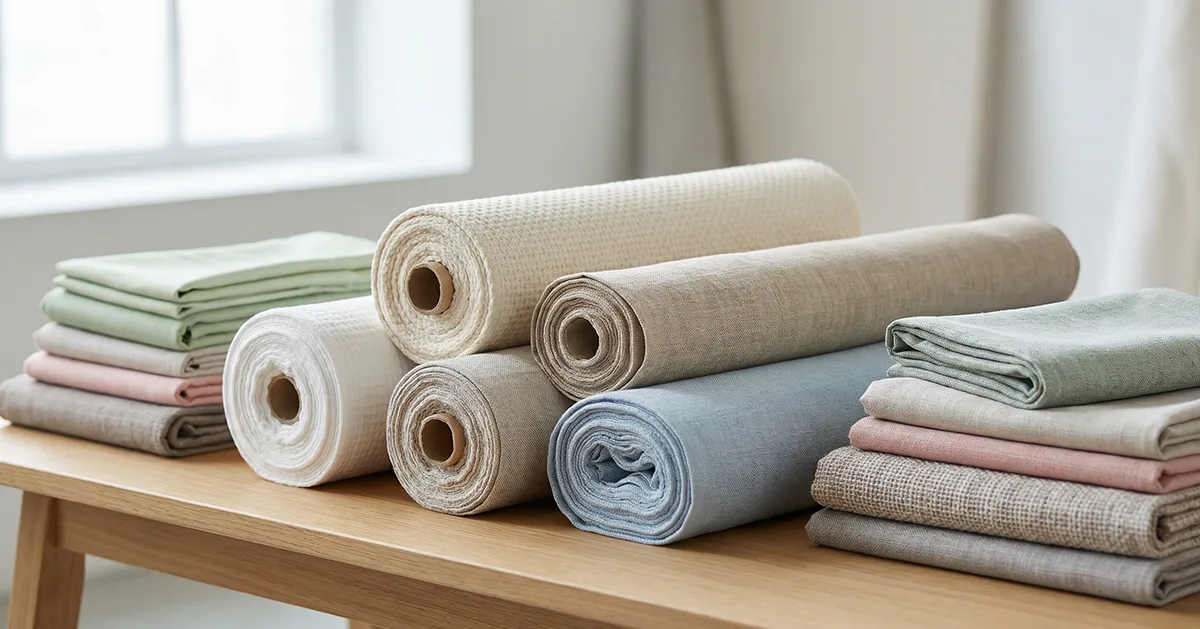
Trademark Class 24 covers textiles and textile goods in India. It includes bed linen, curtains, towels, table linen, and other fabric-based home furnishings. It does not cover clothing, carpets, or non-textile furniture. If you manufacture, supply, or distribute textiles or home furnishing fabrics, trademark registration is how you secure full legal rights to your name and logo under this class.
The Nice Classification system divides goods and services into 45 different trademark classes. The World Intellectual Property Organization (WIPO) manages this system. The Trade Marks Act, 1999 governs trademark registration in India.
Raymond Home, D’Decor, Welspun, and Trident are examples of well-known Indian textile and home furnishing brands with Class 24 registrations.
Key Takeaways
- Class 24 covers bed and bath linen, curtains, table linen, furnishing fabrics, and mosquito nets.
- It does not cover clothing (Class 25), carpets and floor coverings (Class 27), non-textile furniture (Class 20), or packaging sacks (Class 22).
- Electrically heated blankets depend on their purpose. Medical blankets fall under Class 10, while non-medical blankets fall under Class 11. Regular blankets stay in Class 24.
- Paper-based textiles also depend on the type. Paper bed linen falls under Class 24, while paper table linen falls under Class 16.
- Online filing costs ₹4,500 per class for individuals and small enterprises. Other applicants pay ₹9,000 per class.
- A trademark remains valid for 10 years from the application date, not the certificate issue date. You can renew it indefinitely in 10-year blocks.
What is Trademark Class 24 in India?
Trademark Class 24 covers textiles and textile goods, including bed linen, curtains, household fabrics, and home furnishings. Registering under Class 24 gives your business exclusive rights to use its brand name or logo on these products, along with legal grounds to act against imitation.
IKEA, Home Centre, Portico, and Bombay Dyeing are examples of global and Indian home furnishing brands with Class 24 registrations.
Who Should Register Under Trademark Class 24?
Class 24 is relevant for businesses dealing in textiles and fabric-based goods:
- Textile manufacturers: Bed sheets, pillow covers, blankets, quilts, and other textile products.
- Home furnishing brands: Curtains, drapes, table covers, towels, and decorative fabric items.
- Bed and bath linen companies: Towels, bed linen, and textile-based household essentials.
- Hospitality and institutional suppliers: Hotel linens, restaurant tablecloths, and commercial textile supplies.
- Fabric and upholstery sellers: Furnishing fabrics and textile materials for interiors.
- E-commerce textile sellers: Brands selling textile and home furnishing products on online marketplaces.
Goods Covered Under Trademark Class 24: Complete List
Class 24 covers textiles and textile goods used for household, furnishing, and interior decoration:
| Category | Examples of Goods Covered |
|---|---|
| Bed and Bedding Textiles | Bedsheets, pillow covers, bed covers, quilts, blankets, comforters, duvet covers, mattress covers |
| Bath and Toilet Linen | Bath towels, hand towels, face towels, bath linen, washcloths |
| Curtains and Window Furnishings | Curtains, drapes, textile blinds, window valances |
| Table and Dining Textiles | Tablecloths, table covers, textile napkins, table runners, placemats |
| Household Furnishing Textiles | Sofa throws, textile furniture covers, furnishing fabrics, textile wall hangings (not wallpaper) |
| Upholstery and Decorative Fabrics | Upholstery fabrics, decorative textile fabrics, furnishing textiles sold by length |
| Institutional and Commercial Textiles | Hotel bed linen, restaurant table linen, hospital linen, institutional textile supplies |
| Specialty Textile Items | Mosquito nets, bed valances, canopy fabrics, textile banners, flags, pennants |
| Textile Accessories (Non-Clothing) | Handkerchiefs, textile dust covers, household textile covers |
| Other Miscellaneous Textile Goods | Shrouds, household textile sacks, fabric-based interior textile items |
Goods Not Covered Under Trademark Class 24
Class 24 excludes the following common items:
- Clothing and wearable apparel: Shirts, trousers, dresses, sarees, and scarves fall under Class 25.
- Carpets and floor coverings: Carpets, rugs, mats, and linoleum fall under Class 27.
- Furniture and non-textile furnishings: Beds, sofas, chairs, and mattresses fall under Class 20.
- Non-textile wall coverings: Wallpaper and decorative wall panels not made of textile fall under Class 27.
- Textile packaging materials: Sacks used for bulk transport or storage fall under Class 22.
- Medical and protective textiles: Surgical drapes fall under Class 10; medical bandages and sanitary textiles fall under Class 5, depending on use.
- Electrically heated blankets: For medical use, these fall under Class 10; for non-medical use, Class 11. Regular blankets stay in Class 24.
- Paper table linen: Paper tablecloths and napkins fall under Class 16, unlike paper bed linen, which stays in Class 24.
Use RegisterKaro’s free trademark class search tool to identify the right class for your textile or fabric-based products and avoid objections.
How to Register a Trademark Under Class 24?
You can file on a “proposed to be used” or “already in use” basis. Follow these steps:
- Search first: Check the IP India trademark database. You can also use RegisterKaro’s trademark availability check tool. This helps confirm that your brand name or logo is available under Class 24.
- List the goods clearly: Specify the textile products you want to protect. These may include bed linen, curtains, towels, and table linen. Avoid vague descriptions.
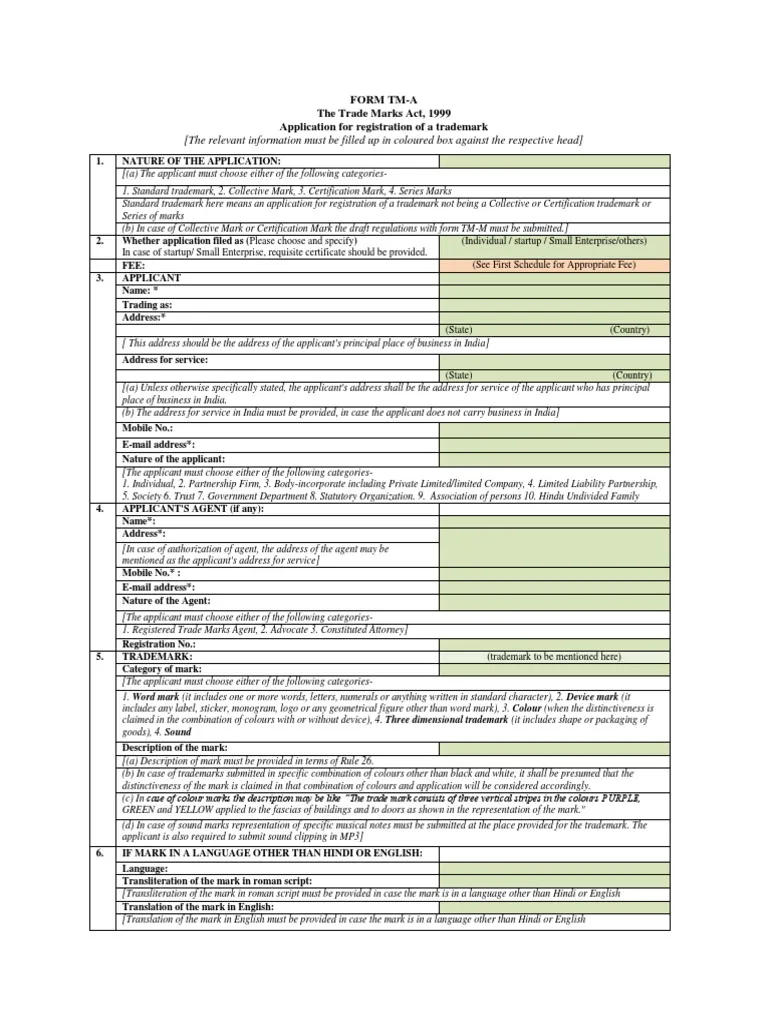
- File Form TM-A: Apply online through the IP India portal. Provide your brand name, logo, goods description, and applicant details. Pay the applicable fee.
- Examination: The Trademark Registrar reviews your application. The review covers similarity, classification, and compliance. The Registrar may issue an Examination Report if clarification is needed.
- Respond to objections: If the Registry raises objections, submit a timely response. Address each issue clearly.
- Publication and opposition: Once accepted, the mark is published in the Trademark Journal. Third parties have 4 months to file an opposition.
- Registration and renewal: If there is no opposition, or you resolve it in your favor, the Registry issues a Certificate of Registration. The trademark remains valid for 10 years from the application date, not the certificate issue date, under Section 25 of the Trade Marks Act, 1999. Renew it every 10 years to maintain protection.
The government fee is ₹4,500 per class for individuals and small enterprises. Other applicants pay ₹9,000 per class.
Other Trademark Classes Similar to Class 24
Several classes cover products closely related to or commonly confused with Class 24 items:
| Class | Covers | How It Differs from Class 24 |
|---|---|---|
| Class 25 | Clothing, footwear, headgear | Wearable apparel, not non-wearable textile goods |
| Class 27 | Carpets, rugs, mats, linoleum, non-textile wall coverings | Floor and wall coverings, not household textile furnishings |
| Class 20 | Furniture, mattresses, cushions | Furniture and non-textile furnishings, not textile items |
| Class 21 | Household utensils, kitchenware, containers | Functional household goods, not textile products |
| Class 22 | Sacks, bags, tarpaulins, tents, raw textile fibers | Industrial and packaging textiles, not finished household goods |
For example, Home Centre files bed linens and curtains under Class 24. It uses Classes 20 and 27 for sofas, mattresses, and carpets to cover its full product range.
