Trade License in Andaman and Nicobar Islands
Get your Trade License in Andaman and Nicobar Islands with RegisterKaro easily. Ensure legal compliance, run your business smoothly, and avoid penalties with quick approvals and expert guidance.
 Local Expertise Across Andaman & Nicobar Islands MunicipalitiesCompliance Ensured with Andaman & Nicobar Islands Trade License RulesAssistance for Specialized Licenses (Health, Online Businesses, etc.)Transparent Fees with Complete Documentation HelpFast Application and Quick Approval Support

 What Sets Us ApartWhat Sets Us Apart
What is a Trade License in the Andaman and Nicobar Islands?
A trade license in the Andaman and Nicobar Islands is a mandatory legal permit issued by the respective Municipal Councils or Panchayats. It allows you to legally operate shops, offices, factories, restaurants, and other commercial activities within the islands' local governance areas.
This license ensures your business complies with local regulations, including safety, hygiene, and zoning requirements in the Union Territory (UT). Obtaining a Trade License also helps establish your business's credibility and legitimacy among authorities, customers, and partners.
In the Andaman and Nicobar Islands, operating without a trade license can result in fines, penalties, or closure of your business. Securing this license ensures smooth, lawful, and uninterrupted business operations across the islands.
Types of Trade Licenses in the Andaman and Nicobar Islands
In the Andaman and Nicobar Islands, trade licenses are issued based on the nature of the business and the level of risk involved. The main categories include:
1. General Trade
Covers commercial activities that are low-risk and do not fall under specialized regulations:
- Shop and Establishment License: Get a Shop and Establishment License for shops, offices, and small businesses. This ensures compliance with employee rights, working hours, and local regulations.
- Home-Based Business License: It covers businesses run from residential premises, ensuring safety and zoning compliance.
- E-Commerce / Online Business License: A trade license for online businesses is required to ensure compliance with local commercial regulations and operate your digital business legally.
- Educational / Training Institute License: This license is required by schools, coaching centers, and vocational institutes to ensure safety and operational compliance.
- Transport & Logistics License: Applies to courier, freight, and local logistics services, ensuring compliance with transport and municipal regulations.
2. Food-Related Trade
For businesses dealing with food or consumables:
- Food and Health Trade License: An FSSAI Registration and a health trade license are mandatory for restaurants, cafes, bakeries, and catering services. It ensures compliance with local hygiene and food safety guidelines.
3. Industrial Trade
For small-scale manufacturing or production units:
- Industrial Trade License: Ensures compliance with safety, environmental, and pollution-control norms applicable in the islands.
- Environmental / Waste Management License: For units generating waste, confirming compliance with local environmental rules.
4. High-Risk or Regulated Trades
For businesses with higher safety or regulatory requirements:
- Liquor / Beverage Trade License: Obtaining a liquor license is required for bars, liquor shops, and breweries, regulated under local excise rules.
- Medical & Pharmaceutical Trade License: For clinics, pharmacies, or healthcare services, ensuring compliance with health regulations.
- Entertainment License: Needed for cinema halls, amusement centers, and events, ensuring public safety and compliance with local norms.
- Import/Export Trade License: Import Export Code (IEC) Registration is mandatory for businesses involved in international trade. It ensures compliance with customs and local trade regulations.
These categories ensure that all businesses in the islands operate legally and safely, in compliance with municipal and panchayat regulations.
Who Needs a Trade License in the Andaman and Nicobar Islands?
Any business operating under the jurisdiction of Municipal Councils or Panchayats in the islands must obtain a trade license. These include:
- Shops and Retailers: Grocery stores, clothing shops, general stores, and other retail outlets.
- Food and Hospitality: Restaurants, cafes, bakeries, catering services, and food trucks that must comply with hygiene and safety regulations.
- Service Providers: Salons, spas, gyms, repair shops, workshops, and other service-based businesses.
- Small-Scale Manufacturing: Factories or production units operating within the islands that follow safety and environmental regulations.
- Medical Establishments: Clinics, nursing homes, pharmacies, diagnostic centers, and dental care facilities. For instance, secure a trade license for a dental clinic to legally uphold hygiene, sterilization, and patient safety standards in your oral hygiene center.
- Warehouses and Storage Units: Facilities used for storing goods and warehousing.
- High-Risk or Regulated Trades: Businesses that handle hazardous materials or engage in potentially dangerous activities.
This ensures all commercial activities in the islands operate safely, legally, and in compliance with local regulations.
Businesses Exempt from Trade License in the Andaman and Nicobar Islands
While most businesses in the islands require a trade license, some small-scale or non-commercial operations are exempt:
- Home-Based Businesses: Small-scale food makers, bakers, or craft businesses operating from home with limited public interaction.
- Farmers: Selling fresh agricultural or horticultural produce directly to local consumers.
- Petty Retailers & Street Vendors: Small tea stalls, fruit vendors, or local grocery sellers (they may need other local approvals).
- Religious or Charitable Food Providers: Temples, community kitchens, or NGOs distributing food without profit.
Note: Even exempt businesses must comply with local regulations and obtain any sector-specific licenses required. This includes compliance, such as FSSAI Registration or environmental clearance for waste disposal.
How to Apply for a Trade License Online in Andaman & Nicobar Islands?
Applying for a trade license in the Andaman and Nicobar Islands ensures your business operates legally under local municipal regulations. Follow the steps mentioned below to get your trade license in Andaman and Nicobar Islands while complying with local laws:
Step 1: Visit the Official Portal
Go to the official website of the relevant Municipal Council or Panchayat where your business is located. For example, if your business is in Port Blair, visit the Port Blair Municipal Council portal (db.and.nic.in/pbmcwebsite/Forms/home.aspx). Ensure you are on the correct portal according to your business location for accurate processing.
Step 2: Register Your Account
Create an account using valid personal and business details. Use a secure login ID and password to access the online application form.
Keep your credentials safe for future renewals or status tracking.
Step 3: Fill the Application Form
Provide complete information about your business, including:
- Owner details
- Type of business
- Trade activities
- Operating hours
- Business premises address
Accuracy is critical at this stage to avoid delays or rejection.
Step 4: Upload Required Documents
Attach scanned copies of identity proof, address proof, and business-related documents. Include property lease agreements or a No Objection Certificate (NOC) from the property owner if required, along with trade-specific certificates.
Ensure all documents meet the portal's format, size, and clarity requirements for smooth processing and approval
Step 5: Pay Fees Online
Pay the applicable trade license fees through net banking, UPI, or debit/credit card. Fees may vary based on business type and location.
Save the payment receipt for reference and future renewals.
Step 6: Submit the Application
Double-check all details and uploads, then submit your application for verification by municipal or panchayat authorities.
Step 7: Track Application Status
Monitor your application status through the portal. Updates may also arrive via email or SMS. Contact support if delays or clarifications are needed.
Step 8: Inspection (If Required)
Certain businesses may require an on-site inspection. Ensure your premises meet safety, hygiene, and zoning standards. Address any observations or deficiencies raised by the authorities promptly to avoid delays or rejection of your trade license application.
Step 9: Receive the Trade License
Once approved, download the trade license in PDF format. Keep a copy for records and display it at your business premises if required. This certificate will also be needed for future renewals or official verification.
Typically, the trade license is issued within 10 to 15 working days, depending on the type of business and approvals required.
Looking for expert help with your trade license? With years of hands-on experience across the Andaman and Nicobar Islands, RegisterKaro ensures your application is accurate, complete, and approved quickly. Contact us today!
Documents Required for a Trade License in Andaman & Nicobar Islands
Prepare the required documents in advance to avoid delays and secure faster, smoother approvals. The documents usually fall into the following categories:
1. Identity and Address Proof
These identity proof documents are mandatory to get a trade license in the Andaman and Nicobar Islands:
- Applicant's Identity Proof (any one of the following):
-
- Aadhaar Card
- Voter ID
- Passport
- Driving License
- Business Premises Address Proof (any one of the following):
-
- Lease/Rent Agreement (if the property is rented)
- Latest Property Tax Receipt (if owned)
- Electricity/Water Bill (in the name of owner or entity)
- PAN Card of the business
Note: A PAN card is mandatory for businesses with a turnover above Rs. 2 crore or for tax purposes.
2. Proof of Business Ownership
Depending on the type of business, you will need different ownership documents:
- For Companies
- For Partnership Firms
- Partnership Deed
- Partnership Firm Registration Certificate (if available)
- For Proprietorships
- Proprietorship Declaration/Certificate
- Any government-issued proof of proprietorship
- For LLPs (Limited Liability Partnerships)
- LLP Registration Certificate
- LLP Agreement (if applicable)
3. Proof of Business Premises
To confirm the legal right to use the premises:
- Lease/Rent Agreement (if rented)
- Property Tax Receipt (if owned)
- NOC from the property owner, neighbors, or local body (depending on the nature of the business)
- Sale Deed/Conveyance Deed
4. Other Supporting Documents
In some cases, extra documents may be required based on the type of trade:
- Occupancy Certificate (to prove the premises are legally occupied)
- Layout Plan of the business premises (approved/certified)
- Affidavit or Declaration stating the legitimacy of the business
- Bank Details of the business/entity
- Certificate of GST Registration (if applicable to your business activity)
- Trade-specific clearances, such as an FSSAI License for food businesses or a Pollution Control NOC for manufacturing units.
- NOC from Fire Department (for restaurants, factories, and large establishments)
5. Island-Specific Requirements
Understand the following island-specific requirements before applying for a trade license in the Andaman and Nicobar Islands:
- Municipal or Panchayat Approval: The application must comply with the regulations of the local Municipal Council or Panchayat.
- Local NOCs: Certain trades may require clearance from local authorities, fire, or police departments.
- Zoning and Safety Compliance: Ensure adherence to local zoning rules, waste management norms, and operational guidelines for commercial and industrial areas.
Prepare all the documents required for the trade license in advance to ensure a smoother process and faster approval.
Additional Tips for Trade License Applicants in the Andaman and Nicobar Islands
Ensuring compliance with trade license regulations in the islands is key to smooth business operations. Follow these tips to avoid any delays in getting a trade license in Andaman and Nicobar Islands:
- Always renew your trade license before its expiry to avoid legal complications and penalties.
- Delays in renewal may result in fines or suspension/cancellation of the license by the Municipal Council or Panchayat authorities.
- Display your trade license prominently at your business premises for inspections and compliance verification by local authorities.
- Update your license promptly if there is any change in ownership, business address, or type of business activity.
Following these steps ensures your business operates legally, avoids fines, and maintains a good reputation with authorities and customers across the islands.
Trade License Fees in the Andaman and Nicobar Islands
The fee for a trade license in the Andaman and Nicobar Islands typically ranges from Rs. 1,500 to Rs. 10,000. It depends on the type and size of business, location, and other factors. Fees are set by the local Municipal Councils or Panchayats.
Basic Fee Structure for Trade License in Andaman & Nicobar Islands
This is the basic fee structure for trade licenses in the Andaman and Nicobar Islands:
- Small Shops & Local Businesses: General retail shops, tea stalls, salons, and home-based businesses pay a basic fee.
- Medium-Sized Businesses: Restaurants, workshops, trading businesses, and warehouses pay moderate fees.
- Large or High-Risk Businesses: Factories, industrial units, and businesses handling hazardous materials pay higher fees due to safety and compliance checks.
- Location-Based Fees: Fees may vary by island or by urban vs. rural areas, with larger towns often charging slightly higher rates.
In short, trade license fees depend on business size, risk, and location, with higher compliance needs attracting higher charges.
Renewal Fees and Late Penalties for Trade License in Andaman & Nicobar Islands
This is the basic fee guideline for renewals and penalties:
- Annual Renewal: Trade licenses are typically valid for one year and must be renewed before expiry.
- Renewal Charges: Renewal fees are generally similar to the initial application fee, though sometimes slightly lower. As a guideline, fees range from Rs. 500 for small shops to over Rs. 10,000 for larger industrial or commercial establishments, depending on the municipal authority. Some authorities charge a fixed fee, while others link it to your annual turnover.
- Late Penalties: Delayed renewals incur penalties that vary depending on how long the renewal is overdue and local council rules.
- Non-Renewal Consequences: Failure to renew on time can result in fines, suspension, or cancellation of the trade license.
Timely trade license renewal helps maintain uninterrupted operations and protects your business from avoidable financial and legal risks.
Trade License Certificate: Download and Verification in the Andaman and Nicobar Islands
Once your trade license application is approved, the local Municipal Council issues an official Trade License Certificate. This certificate serves as legal proof that your business is authorized to operate in a specific area of the islands. You can conveniently download and verify it online.
How to Download Your Trade License Certificate for Andaman & Nicobar Islands?
To download your trade license certificate in the Andaman and Nicobar Islands, follow these steps:
- Visit the Official Portal: Go to the website of your local Municipal Council or Panchayat.
- Log in to Your Account: Enter your registered email ID or mobile number along with the password.
- Access the Trade License Section: Select the option to download your Trade License Certificate.
- Enter Application/License Number: Provide the reference number received at the time of application.
- Download Certificate: After confirmation, download the certificate in PDF format. Keep a copy for records and display it at your business premises if required.
By completing these steps, you can quickly download a trade license certificate online and ensure your business remains compliant with local regulations.
How to Check Trade License Status and Verify Authenticity?
To check your trade license status and verify its authenticity in the Andaman and Nicobar Islands, follow these steps:
1. Check Application Status
The process to check your application status is:
- Visit the official portal of your Municipal Council or Panchayat.
- Select "Application Status" or "Track Application."
- Enter your application or reference number.
- The portal will display whether your application is pending, under review, or approved.
2. Verify License Authenticity
The basic process to verify your trade license is:
- Access the "Verify Trade License" section on the portal.
- Enter the trade license number, year of issue, and registered business name.
- The system will display details such as validity, ownership, and official confirmation of the license.
This online facility ensures your trade license is valid, authentic, and verifiable, allowing your business to operate legally across the islands.
Note: If online access is unavailable, you can visit your local Municipal Council or Gram Panchayat office for manual verification. Always keep both digital and printed copies of your Trade License for inspections and compliance checks.
How to Renew a Trade License in the Andaman and Nicobar Islands?
A trade license in the Andaman and Nicobar Islands is a legally binding document with a limited validity, typically one financial year (April 1st to March 31st). To ensure the lawful and continuous operation of your business, it is mandatory to apply for trade license renewal annually.
Online Renewal Process for Trade License in Andaman & Nicobar Islands
The renewal process is similar to the initial application and can be completed online via your local Municipal Council or Panchayat portal.
- Access the Portal: Log in to the official portal of your Municipal Council or Panchayat.
- Access the Renewal Section: Go to the "Trade License" section and select the "Renewal" option.
- Enter Application Details: Provide your previous license number and other required details to retrieve your business information.
- Verify and Update Information: Check the pre-filled information and update any changes, such as business address, ownership, or trade activities.
- Upload Required Documents: Upload digital copies of the necessary documents (see below).
- Pay Renewal Fee: Pay the renewal fee online via debit/credit card, net banking, or UPI. The fee is usually similar to or slightly lower than the original application fee.
- Final Submission: Submit the application. You will receive an acknowledgment and a new reference number. Once processed, download the renewed trade license in PDF format.
Documents Needed for Renewal of Trade License in Andaman & Nicobar Islands
Documents required for renewing a trade license in the Andaman and Nicobar Islands include:
- Original trade license certificate from the previous year
- Last year's payment receipts or challans for the license fee
- Up-to-date property tax receipt for the business premises
- Lease or rental agreement if the premises are leased
This online renewal process ensures your business remains compliant, avoiding fines, penalties, or operational disruptions in the islands.
Key Benefits of Having a Trade License in the Andaman and Nicobar Islands
Obtaining a trade license in the Andaman and Nicobar Islands is more than a legal formality. It provides a strong foundation for your business and ensures smooth, lawful operations.
1. Legal Compliance and Business Credibility
A trade license is the primary legal permit required to operate any business under the jurisdiction of the Municipal Councils or Panchayats. Holding this license shows that your business is recognized by local authorities and follows applicable regulations.
- Official Recognition: Confirms that your business is legitimate and operating within the law.
- Enhanced Reputation: Builds trust with customers, suppliers, and investors, signaling that your business follows ethical and legal practices.
2. Access to Government Schemes and Loans
A licensed business in the islands can access financial support and government programs.
- Eligibility for Loans: Banks and NBFCs may require a valid trade license to approve business loans.
- Government Support: A license is often required to access government schemes, subsidies, or grants for business growth and entrepreneurship.
3. Smooth Business Operations
A trade license helps your business run efficiently and without interruptions.
- Prevention of Disruptions: A valid license protects your business from unexpected inspections, closures, or legal disputes.
- Ease of Further Registrations: It serves as a foundational document for registrations such as FSSAI or GST Registration, or environmental approvals. These are necessary for a specific kind of business.
Having a trade license in the Andaman and Nicobar Islands ensures your business operates legally and builds credibility.
Specific Regulations and Local Angles for the Andaman and Nicobar Islands
This section highlights key local rules and requirements that businesses in the Andaman and Nicobar Islands must follow in the islands:
1. Andaman and Nicobar Islands Municipal Council / Local Body and Trade License
Trade licenses in the islands are issued by the local Municipal Councils in urban areas, such as Port Blair, and by Panchayats in rural regions. These authorities regulate:
- Business registration and legal compliance
- Zoning rules for commercial and industrial activities
- Safety, sanitation, and environmental clearances
Compliance with the respective local body ensures your business operates legally within the islands.
2. Specific Industries Requiring Special Trade Licenses in Andaman and Nicobar Islands
Certain businesses in the islands need additional clearances due to their nature:
- Food and Hospitality: Restaurants, bakeries, and catering services require FSSAI registration and hygiene inspections.
- Industrial or Manufacturing Units: Must comply with environmental and pollution control norms.
- High-Risk Trades: Businesses handling hazardous chemicals, alcohol, or large-scale fuel storage require specific safety approvals.
- Healthcare & Medical Services: Clinics, pharmacies, and diagnostic centers need health department approvals.
Ensuring that your business obtains these special licenses helps maintain safety, legal compliance, and smooth operations.
3. Recent Changes or Updates in Trade License Rules for the Andaman and Nicobar Islands
Businesses in the Andaman and Nicobar Islands need to stay informed about the following evolving rules to ensure compliance. Recent updates include:
- Stricter enforcement of environmental and coastal regulations for industrial and commercial activities in sensitive areas.
- Increased use of online portals for trade license applications and renewals by Municipal Councils and Panchayats.
- Enhanced monitoring for food safety and hygiene in restaurants and catering businesses.
- Simplified online renewal process to reduce delays and penalties for businesses operating legally.
These regulations and updates ensure that businesses in the Andaman and Nicobar Islands operate safely and comply with local laws.
Connect with RegisterKaro and let our experts handle the legal hassle while you grow your business.
Frequently Asked Questions (FAQs)
What is a Trade License in the Andaman and Nicobar Islands?
A trade license in the Andaman and Nicobar Islands is an official permit issued by the local municipal authorities. It includes Municipal Councils in urban areas like Port Blair, Mayabunder, and Rangat, or Panchayats in rural regions. This license allows a business to operate legally and ensures compliance with safety, health, sanitation, and environmental norms. All commercial, industrial, and service-based businesses in the islands must provide legal recognition and protection to business owners while promoting orderly and lawful commercial activity.
How to get a Trade License in the Andaman and Nicobar Islands?
To obtain a trade license in the Andaman and Nicobar Islands, businesses must apply through the official portal of their respective Municipal Council or Panchayat. Applicants are required to submit identity and address proof, as well as relevant business documents. After verification of these documents and, if necessary, an inspection of the premises, the trade license is issued. Consulting experts like RegisterKaro can simplify the process, help prepare all required documentation, and avoid unnecessary delays in approvals.
What are the documents required for a Trade License in the Andaman and Nicobar Islands?
Documents needed for obtaining a trade license in the Andaman and Nicobar Islands include identity proof and address proof of the applicant, proof of business ownership, and documents related to the business premises, such as lease agreements or property tax receipts. Depending on the type of business, additional trade-specific clearances may be required, such as FSSAI registration for food businesses or environmental clearances for industrial units. Ensuring all documents are complete and correct helps avoid delays, and consultants can provide guidance to ensure compliance with all local requirements.
What is the process for Trade License renewal online in the Andaman and Nicobar Islands?
Trade license renewal online in the Andaman and Nicobar Islands allows businesses to extend the validity of their license without visiting municipal offices. The process involves logging in to the respective municipal portal, updating business details, uploading the required documents, and paying the renewal fees. Timely renewal ensures compliance, avoids penalties, and allows uninterrupted business operations. The online system provides instant acknowledgment, which can be used for reference until the renewed license is issued.
How to renew a Trade License in the Andaman and Nicobar Islands?
Trade licenses in the Andaman and Nicobar Islands must be renewed annually before their expiry. The renewal process requires submitting the previous year’s trade license, the latest property tax receipt of the business premises, and any updated documents via the Municipal Council or Panchayat portal. Renewal fees must be paid online to complete the process. Timely renewal prevents suspension or cancellation of the trade license and ensures the business continues to operate legally.
How to download a Trade License in the Andaman and Nicobar Islands?
After approval, trade licenses in the Andaman and Nicobar Islands can be downloaded through the official portal of the respective Municipal Council or Panchayat. Log in using registered credentials, navigate to the “Download License” section, and enter the application number. The certificate can be saved in PDF format for records. Displaying the trade license at the business premises helps demonstrate compliance during inspections by local authorities.
What are the Trade License fees in the Andaman and Nicobar Islands?
Typical trade license fees in the Andaman and Nicobar Islands range from Rs. 1,500 to Rs. 9,000. It varies depending on the type, size, and location of the business. Small shops and local businesses typically pay lower fees, while industrial, high-risk, or larger commercial enterprises pay higher fees due to additional safety and compliance requirements. Fees are generally paid annually and may include inspection charges, if required. Online payment options simplify the process and provide immediate receipts.
How to check the Trade License status in the Andaman and Nicobar Islands?
Trade license status in the Andaman and Nicobar Islands can be tracked through the official portal of the Municipal Council or Panchayat, where the business is registered. By entering the application or reference number, applicants can view whether the application is pending, under review, or approved. Timely tracking allows businesses to address any issues or delays efficiently. SMS or email alerts may also notify applicants about updates regarding their trade license.
How to verify a Trade License in the Andaman and Nicobar Islands?
To verify a trade license in the Andaman and Nicobar Islands, use the local municipal council portal. Enter the license number, year of issue, and registered business name. The system displays details such as ownership, validity, and official confirmation. Verification is especially useful when purchasing or leasing an existing business to ensure that it operates legally.
What is a Health Trade License in the Andaman and Nicobar Islands?
A health trade license in the Andaman and Nicobar Islands is mandatory for businesses involved in food, beverages, or healthcare services. Restaurants, hotels, bakeries, catering services, clinics, and hospitals must obtain this license to comply with hygiene, sanitation, and public health standards. Local authorities may conduct inspections before issuance to ensure consumer and patient safety.
Is a Trade License mandatory in the Andaman and Nicobar Islands?
Yes, a trade license is mandatory for all businesses operating within the municipal and Panchayat limits of the Andaman and Nicobar Islands. Operating without a trade license can lead to fines, legal action, or closure by local authorities. This applies to shops, online businesses, factories, hospitals, and service providers. Obtaining a license ensures that the business is legally recognized and can operate without risk of penalties.
How to change the address in a Trade License in the Andaman and Nicobar Islands?
To change the address in a trade license in the Andaman and Nicobar Islands, submit an application through the municipal portal of the respective Council or Panchayat with updated premises documents. Include a No Objection Certificate (NOC) from the property owner if required, and pay any applicable fees. The change must be approved before conducting business at the new location. Consultants can help ensure the process is completed correctly and efficiently.
How to change the name in a Trade License in the Andaman and Nicobar Islands?
In the Andaman and Nicobar Islands, changing the name on a trade license requires submitting a request with supporting documents, such as updated business registration certificates. After paying the required processing fees, the municipal authority reviews the application. Once approved, the trade license reflects the updated name. Online submission often ensures faster processing and avoids repeated visits to local offices.
How to cancel a Trade License in the Andaman and Nicobar Islands?
A trade license in the Andaman and Nicobar Islands can be cancelled through the portal if a business is closing. Submit a written application along with the original license and proof of business closure. Local authorities verify the documents and officially cancel the license. Canceling the license prevents future legal liabilities and any ongoing fee obligations.
How to search for a Trade License by name in the Andaman and Nicobar Islands?
To search for a Trade License by name in the Andaman and Nicobar Islands, enter the registered business or owner name on the municipal portal. The results display the license number, validity, and business details. This helps ensure transparency before entering partnerships, transactions, or investments in existing businesses.
What is the Trade License Act in the Andaman and Nicobar Islands?
Trade licenses in the Andaman and Nicobar Islands are governed by local municipal and Panchayat regulations under the Andaman and Nicobar Islands (Municipal Council) Regulation, 1994, and associated business rules. These laws regulate business operations, public safety, hygiene, and legal compliance. Violation of these provisions can result in penalties, fines, or closure of the business. All trade licenses issued in the islands comply with these legal requirements.
How to register a Trade License for an online business in the Andaman and Nicobar Islands?
Online businesses selling goods or services digitally in the Andaman and Nicobar Islands must obtain a trade license. Apply through the municipal or Panchayat portal, submit business registration and identity documents, and pay the required fees. A valid license ensures compliance with local laws and helps build credibility with customers and partners for e-commerce activities.
Where is the Trade License office in the Andaman and Nicobar Islands?
In the Andaman and Nicobar Islands, the trade license office depends on the location of your business. Municipal Councils handle urban areas such as Port Blair, while Panchayats manage rural regions. These offices assist with inquiries, verification, inspections, and approvals. Some inspections or document verification may require in-person visits to the office, while many processes can now be completed online.

Reviewed by
Joel DsouzaJoel Dsouza is a Chartered Accountant (CA) and compliance expert with over 7 years of hands-on experience in company registration, tax structuring, GST, ROC filings, and MCA compliance. As a qualified member of the Institute of Chartered Accountants of India (ICAI) and Co-Founder at RegisterKaro, he has personally advised more than 1,000 startups and SMEs across India, helping founders navigate incorporation, regulatory frameworks, and financial planning from Day 1. With deep expertise across all three levels of Finance and Portfolio Management, Joel is committed to promoting financial literacy and simplifying India's startup ecosystem through clear, actionable guidance that entrepreneurs can act on immediately.
Why Choose RegisterKaro for Your Trade License in the Andaman & Nicobar Islands?
Obtaining a trade license in the Andaman and Nicobar Islands can be complex due to local regulations and varying requirements across Municipal Councils and Panchayats. RegisterKaro makes the process simple and ensures your business remains fully compliant. Here’s how:
- Expertise in Local Regulations: Our consultants understand local rules and help with an accurate and compliant application process.
- Seamless Online Process: We assist with form submissions and fee payments via official portals, ensuring a fast and convenient experience.
- Timely and Efficient Approvals: Our team follows up directly with local authorities, helping secure your trade license approval without unnecessary delays.
- Dedicated Support and Consultation: From the initial application to renewals and amendments, RegisterKaro guides you at every step to maintain smooth compliance.
- Transparent and Competitive Pricing: We offer affordable packages with no hidden charges, suitable for startups and larger enterprises in the islands.
With RegisterKaro, your trade license application in the Andaman and Nicobar Islands becomes simple, reliable, and fully compliant.
What Our Clients Say
View All
Ronit Ranjan
 Verified
It was of great help, they have lovely staff who responded promptly and with great intention. Vishal, my POC was very supportive, kind, and polite. He... Read more

Arpit Bhardwaj
VerifiedReally loved the experience with RegisterKaro , I will surely recommend it to others the SPOC’s are so professional and guided me thoroughly through t... Read more

I
VerifiedI’m extremely satisfied with the services provided by RegisterKaro. From start to finish, the entire process was managed with professionalism, transpa... Read more

vinod bhaskaran
VerifiedThe service is really good and comfortable as we can get things done from home without fuss. 5 star rating not given as seemed a bit slow, but may be... Read more

Manavi Chhetri
VerifiedThe incorporation of INNOBYTE SOLUTIONS PRIVATE LIMITED was executed flawlessly under the supervision of SnehaLata Yadav, whose professionalism and de... Read more

Evolaya Consumer
VerifiedPrompt and effective communication and action taking. Jatin worked well and was clear and confident in communicating the updates when required. Recomm... Read more

Maneesh Pande
VerifiedI found my experience very satisfying, dealing with Smita Dwivedi here was efficiently handled her very helpful nature and clear concepts while cleari... Read more

shivaji rao
VerifiedAnjali Chauhan has been coordinating with us for company incorporation she was very helpful and cooperative they continuously keep a track and follow... Read more

SAMARTH SINGH
VerifiedHad a smooth and hassle-free company incorporation experience with RegisterKaro. Special thanks to Pranay for his excellent support and guidance throu... Read more

akshay kumawat
VerifiedI am happy and grateful to work with Aryan Singh and his team for their outstanding guidance and support during the company incorporation process with... Read more
Trade License in States Near Andaman and Nicobar Islands
Other Business Services in Andaman and Nicobar Islands
Related Blogs
View All
How to Start a Food Truck Business in India: Licenses & Cost
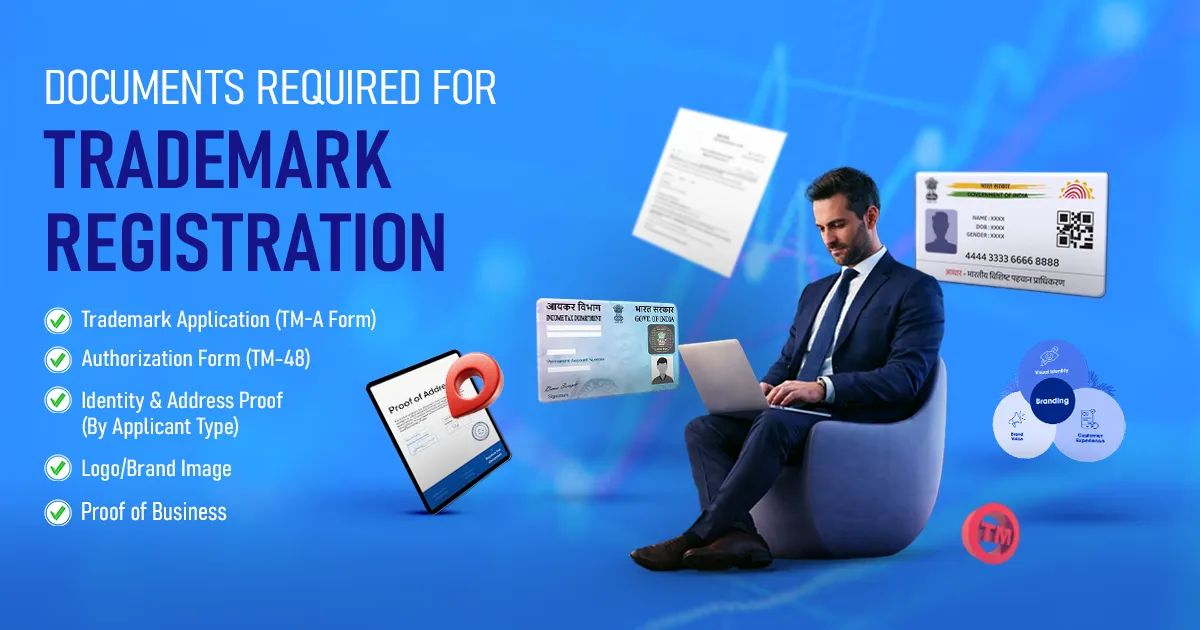
Documents Required for Trademark Registration in India (Checklist)

Trademark Class 35: Advertising & Business Services in India
Trademark Registration Fees in India: A Cost Guide 2026

Trademark Class 34 in India: Tobacco and Smoking Products
Trademark Registration Number: What It Is & How To Find?

Trademark Class 32: Water, Non-Alcoholic Beverages & Beer

Trademark Class 18: Leather, Luggage Bags & Leather Imitations

Trademark Class 27 in India: Carpets, Rugs, and Mats

Trademark Class 22 in India: Ropes, Sacks & Packing Bags