FSSAI Registration (Food License) Online in India
Apply for FSSAI Registration, Basic, State, or Central License with RegisterKaro. Get assistance with eligibility assessment, document preparation, FoSCoS application filing, and post-application support for your food business.
 FSSAI Registration, State & Central License AssistanceEligibility & Document AssessmentFoSCoS Application Filing SupportApplication Query & Compliance SupportSupport for Restaurants, Cloud Kitchens & Food Businesses

 What Sets Us ApartWhat Sets Us Apart
What is FSSAI Registration in India?
FSSAI Registration is a mandatory food safety requirement for eligible food businesses in India. The Food Safety and Standards Authority of India (FSSAI) regulates food safety under the Food Safety and Standards Act, 2006.
Food businesses must obtain the applicable FSSAI Registration or License before starting or carrying out food business activities. The applicable category depends on the nature of the business, its Kind of Business, turnover, and other eligibility criteria. Submit applications through the FoSCoS portal.
Food businesses may require a Basic FSSAI License, a State License, or a Central License based on the applicable requirements.
Which FSSAI Approval Do You Need?
FSSAI approvals generally fall into three main categories: FSSAI Registration, State License, and Central License. The applicable category depends on the Kind of Business, annual turnover, and other eligibility criteria prescribed by FSSAI. The revised turnover thresholds apply from 1 April 2026.
1. Basic FSSAI License
Basic FSSAI License generally applies to eligible food businesses with an annual turnover of up to ₹1.5 crore. Small food businesses may fall under this category based on their Kind of Business and other applicable criteria.
2. State FSSAI License
A State FSSAI License generally applies to eligible food businesses with an annual turnover of more than ₹1.5 crore and up to ₹50 crore. Requirements also depend on the nature of the food business.
3. Central FSSAI License
A Central FSSAI License generally applies to eligible food businesses with an annual turnover of more than ₹50 crore. Certain food businesses also require a Central License based on their Kind of Business, regardless of the general turnover threshold.
Important: The ₹1.5 crore and ₹50 crore thresholds provide the revised turnover framework from 1 April 2026. However, the applicable FSSAI category also depends on the food business's Kind of Business (KoB) and activity-specific eligibility criteria. Certain businesses may require a State or Central License regardless of turnover.

Eligibility for FSSAI License Registration in India
FSSAI eligibility depends on the Kind of Business (KoB), annual turnover, food activity, and location. The three main categories are:
| FSSAI Category | General Eligibility | Fit For |
| FSSAI Registration | Generally applies to eligible food businesses with an annual turnover of up to ₹1.5 crore. | Petty retailers, hawkers, and temporary food stalls, subject to applicable criteria. |
| State FSSAI License | Generally applies to eligible food businesses with an annual turnover of more than ₹1.5 crore and up to ₹50 crore. | Manufacturers, retailers, wholesalers, distributors, and food service businesses, depending on their KoB and other criteria. |
| Central FSSAI License | Generally applies to eligible food businesses with an annual turnover of more than ₹50 crore. Some businesses require a Central License based on their KoB. | Importers and certain other categories. |
Other eligibility criteria include:
- Multiple Locations: A food business operating in two or more states must declare one location as its Head Office or Registered Office and obtain a Central License for it. Other locations require the applicable FSSAI approval based on their KoB and eligibility criteria.
- One Premise, One Approval: A premise can have one FSSAI License. Multiple eligible food activities can be added to the same approval for that premise.
- Activity-Specific Criteria: Some food businesses have additional eligibility requirements based on production capacity, food category, or type of activity. These requirements can affect the applicable FSSAI category.
- Street Food Vendors: Street food vendors, hawkers, food carts, food trucks, and similar vendors covered under the Street Vendors (Protection of Livelihood and Regulation of Street Vending) Act, 2014 are deemed registered under the Food Safety and Standards Act, 2006. They must still follow applicable hygiene and sanitary requirements.
- High-Risk Food Businesses: Businesses dealing with high-risk food categories must follow applicable safety requirements. Examples include dairy, meat, packaged drinking water, infant food, and fishery products. Some, such as packaged drinking water, also require mandatory BIS certification alongside FSSAI. Additional hygiene and testing requirements may also apply.
The applicable FSSAI category should be checked against the current FoSCoS eligibility criteria before applying.
Who Should Obtain FSSAI License in India?
You may need an FSSAI License if you:
- Manufacture or process food: Operate a bakery, flour mill, oil mill, beverage unit, food processing unit, or similar business. This also includes applicable repackers and relabellers.
- Serve food: Run a restaurant, cafe, hotel, cloud kitchen, canteen, mess, catering business, tiffin service, food truck, kiosk, or similar food service business. Such establishments usually also need a Gumasta License / Shops & Establishment registration.
- Trade or sell food: Operate as a wholesaler, distributor, retailer, supermarket, kirana store, direct seller, or other food trader. Most food traders also need GST registration based on turnover and activity.
- Sell food through e-commerce: Businesses covered under the E-Commerce Kind of Business require a Central License, regardless of turnover.
- Store or transport food: Operate a warehouse, cold storage facility, or food transportation business. The applicable category depends on the specific activity.
- Import or export food: Import food products or ingredients into India or operate as a merchant-exporter. These categories require a Central License without a turnover threshold, along with an Import Export Code (IEC) and AD Code registration to move goods and receive export proceeds.
- Operate food stalls or vending businesses: Run a petty food shop, hawker business, food cart, or other food vending activity. The applicable requirement depends on the business type and eligibility criteria.
- Provide food through institutions: Schools, hospitals, government institutions, and similar organisations may need FSSAI approval when they carry out applicable food preparation or food service activities.
The applicable FSSAI category should be checked against the current FoSCoS criteria before applying.
Documents Required for FSSAI License in India
FoSCoS provides the applicable document list for each type of application. Common documents for FSSAI license may include:
- Application form: Form A for FSSAI Registration and Form B for an FSSAI License.
- Identity and address proof: Government-issued photo ID and address proof of the proprietor, partner, director, or authorised signatory, as applicable.
- Proof of premises: Sale deed, rent agreement, electricity bill, or other applicable proof of possession.
- Business constitution documents: Partnership deed, certificate of incorporation, trust or society documents, or other applicable documents.
- Business details: Details of the food activities and products handled by the business.
- Directors, partners, or proprietor details: Required based on the business structure.
- Food category details: List of food products or categories for applicable manufacturers and processors.
- Technical documents: Layout plan, machinery and equipment details, water analysis report, or other documents may be required for specific manufacturing and processing activities.
- Import-related documents: IEC Certificate and other supporting documents may be required for applicable importers.
- Authorisation documents: An authority letter or other supporting documents may be required when an authorised person represents the business.
The exact document list for FSSAI registration should be checked on FoSCoS based on the business's Kind of Business and location before submitting the application.
How to Register for FSSAI License Online in India?
You can apply for an FSSAI License online through the FoSCoS portal.
Follow these steps to complete your FSSAI License application online:
Step 1: Check Your FSSAI Category
Identify the correct FSSAI category before applying.
- Select your Kind of Business.
- Check whether Registration, State License, or Central License applies.
- Select the relevant business location.
- Check any activity-specific requirements.
Step 2: Prepare the Required Documents
Gather the documents required for your specific Kind of Business.
- Keep business and address details ready.
- Prepare technical or food safety documents where applicable.
- Check the current FoSCoS document list before applying.
Step 3: Submit the Application on FoSCoS
Apply through the official FoSCoS portal.
- Log in to FoSCoS and select the applicable new License/Registration option.
- Select the New License/Registration option.
- Complete Form A for Registration or Form B for a License.
- Upload the required documents.
- Review the details and submit the application.
Step 4: Pay the Applicable Fee
Pay the applicable government fee through FoSCoS.
- Select the available payment method.
- Complete the payment.
- Save the payment receipt and application reference number.
Step 5: Track the Application
FSSAI authorities review the application and documents.
- Track the application using the reference number.
- Respond to any queries or deficiencies raised by the authority.
- Complete any inspection required for the application.
Step 6: Receive Your FSSAI Approval
After approval, the FSSAI License is issued through the FoSCoS system.
- Download the certificate from the portal.
- Display the FSSAI number as required.
- Follow the applicable food safety and hygiene requirements.
Obtain any activity-specific or local registrations, such as a Trade License from your local municipal authority, where required.
FSSAI Validity and Ongoing Compliance: Licenses issued from 1 April 2026 remain valid without periodic renewal. However, businesses must continue to meet applicable compliance requirements. This includes submitting the annual change report where required and keeping the license details updated when there are changes in the business or its activities.
FSSAI Registration Certificate in India
An FSSAI Certificate is issued to eligible food businesses under the FSSAI regulatory framework, based on the applicable Registration or License category. It confirms that the business holds the required FSSAI License for its applicable food activities.
The certificate contains a 14-digit FSSAI number, which must be displayed as required under applicable food safety and labelling rules.
How to Download Your FSSAI License or Certificate from FoSCoS?
After your FSSAI application is approved, you can download the license or registration certificate directly from the FoSCoS portal. Follow these steps to access the issued certificate:
- Log in to FoSCoS: Use your registered credentials to access your account.
- Open the certificate section: Go to “License/Registration” → “Download Certificate” or check the issued documents/Inbox section.
- Download the certificate: Select your approved license or registration and download the certificate in PDF format.
The certificate contains your 14-digit FSSAI number. This number must be displayed at the food business premises and on applicable food product labels. Keeping the certificate readily available also helps with future compliance and verification.
How to Check & Verify an FSSAI License Number Online
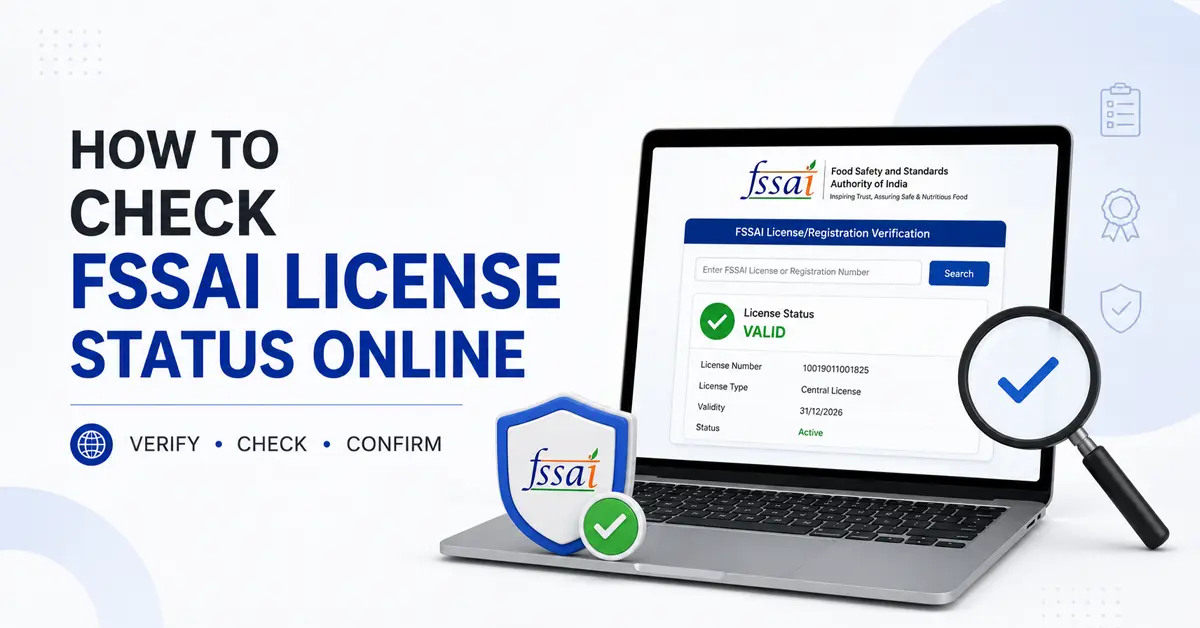
You can verify a FSSAI licence using its 14-digit FSSAI number on the FoSCoS portal. For a quicker inquiry, use our FSSAI License Number Check tool. All you have to do is enter the number to confirm the business name, license status, category, and validity.
Once the application is submitted and it is pending, applicants can track their FSSAI application status on the FoSCoS portal using the application reference number.
FSSAI License Registration Fees in India
FSSAI government fees depend on the Kind of Business (KoB), turnover, and applicable eligibility criteria. Under the revised framework effective from 1 April 2026, the commonly applicable fees are ₹100 for Registration, ₹5,000 for a State License, and ₹7,500 for a Central License. However, certain KoBs have specific licensing requirements and may attract different fees. The main FSSAI government fees are given below:
| FSSAI Category | Government Fee |
| FSSAI License | ₹100 per year |
| State FSSAI License | ₹5,000 per year |
| Central FSSAI License | ₹7,500 per year |
| FSSAI Modification | ₹1,000 + applicable differential fee |
Note: FSSAI license fees for certain Kinds of Business categories may differ from these general fees.
Benefits of FSSAI License in India
Obtaining the applicable FSSAI License helps a food business meet its regulatory requirements and operate under the applicable food safety framework.
- Legal Compliance: Food businesses covered under the FSSAI framework must obtain the applicable Registration or License to carry out their food business activities legally.
- Regulatory Identification: An FSSAI License provides the business with a 14-digit FSSAI number that identifies it within the food safety regulatory system.
- Food Safety Compliance: Registered and licensed food businesses must follow applicable food safety, hygiene, and sanitary requirements based on their business activity and license conditions.
- Business Credibility: Displaying the applicable FSSAI number can help customers and business partners identify that the food business holds the required FSSAI approval.
- Business Operations: An FSSAI License may be required when dealing with certain retailers, distributors, marketplaces, and institutional buyers.
- Perpetual Validity: FSSAI Licenses issued from 1 April 2026 have perpetual validity unless suspended, cancelled, or surrendered. Periodic renewal is no longer required. However, businesses must continue to meet applicable food safety and compliance requirements.
Penalties for Non-Compliance With FSSAI Regulations in India
Operating a food business without the required FSSAI License can result in a fine of up to ₹5 lakh and imprisonment of up to 6 months under Section 63 of the Food Safety and Standards Act, 2006. Other violations carry separate penalties based on the nature and severity of the offence.
- Operating without a required license: Fine up to ₹5 lakh and imprisonment up to 6 months under Section 63.
- Subsequent offences: The Act provides enhanced punishment and a daily fine of up to ₹1 lakh for continuing offences. The license may also be cancelled.
- Unsafe food: Penalties and imprisonment depend on whether the violation causes no injury, non-grievous injury, grievous injury, or death.
- Other violations: The Act provides separate penalties for sub-standard food, misbranded food, unhygienic processing, adulterants, false information, and other offences.
The applicable penalty depends on the specific violation and the relevant provisions of the Food Safety and Standards Act, 2006.
FSSAI License Renewal in India
FSSAI licenses issued on or after 1 April 2026 have perpetual validity. Businesses do not need to renew them periodically. The approval remains valid unless it is suspended, cancelled, or surrendered.
The following points explain how the 2026 changes affect FSSAI License holders:
- No periodic renewal: FSSAI Licenses issued on or after 1 April 2026 do not require periodic renewal. However, the applicable annual fee must still be paid through FoSCoS to keep the license active. The removal of renewal does not remove the applicable fee.
- Continued compliance: Businesses must continue to follow applicable food safety, hygiene, sanitary, and other statutory requirements.
- Modification of details: Businesses must apply for modification when changes to the approved business details require an update. Modification is different from renewal.
- Existing approvals: Existing FSSAI holders are being given time to migrate to the revised turnover framework through FoSCoS where applicable. Migration required only because of the revised turnover thresholds does not attract a modification fee. The FSSAI number remains unchanged.
- Suspension or cancellation: Perpetual validity does not prevent FSSAI from suspending or cancelling an approval when applicable under the regulations.
Businesses should keep their FSSAI details updated and continue meeting all applicable food safety and compliance requirements.
Suspension or Cancellation of FSSAI License in India
An FSSAI Registration or License may be suspended or cancelled when a food business fails to meet applicable requirements. The action depends on the nature of the violation and the applicable FSSAI provisions.
Common situations that may lead to suspension or cancellation include:
- FSSAI may suspend the Registration or License if the business fails to correct defects or comply with an Improvement Notice. Continued non-compliance may lead to cancellation after the business is allowed to show cause.
- FSSAI may suspend or cancel the Registration or License immediately when necessary to protect public health. The reasons must be recorded in writing.
- Failure to comply with applicable food safety, hygiene, sanitary, or license conditions can result in regulatory action.
- Food businesses must keep their FSSAI information updated. They must report required changes in business details, products, layout, expansion, or closure to the authority.
FSSAI License may be suspended or cancelled when a food business fails to meet applicable requirements. The action depends on the nature of the violation and the applicable FSSAI provisions.
Connect with RegisterKaro and let our experts handle the legal hassle while you grow your business.
Frequently Asked Questions (FAQs)
Who needs to obtain an FSSAI License?
Food businesses such as manufacturers, processors, restaurants, caterers, retailers, wholesalers, distributors, importers, e-commerce food businesses, and other eligible food businesses may require an FSSAI License.
Is FSSAI mandatory for all food businesses?
Food businesses covered under the FSSAI framework must obtain the applicable Registration or License before carrying out their food business activities, subject to applicable exemptions and requirements.
What are the different types of FSSAI Licenses?
FSSAI has three main categories: Registration, State License, and Central License. The applicable category depends on the Kind of Business, turnover, and other eligibility criteria.
Who issues an FSSAI License in India?
The Food Safety and Standards Authority of India (FSSAI) regulates food safety in India. FSSAI Licenses are issued through the applicable food safety authorities using the FoSCoS system.
What is the cost of an FSSAI License in India?
The government fee for FSSAI Registration is ₹100 per year. A State FSSAI License generally costs ₹5,000 per year, while a Central FSSAI License generally costs ₹7,500 per year. The applicable fee can vary for certain Kinds of Business (KoBs) based on their specific eligibility and licensing requirements.
What is the validity of an FSSAI License?
FSSAI Licenses issued on or after 1 April 2026 have perpetual validity. They remain valid unless suspended, cancelled, or surrendered.
What documents are required for an FSSAI License for a restaurant?
Restaurant applicants generally need identity and address proof, proof of premises, business details, and other documents applicable to the restaurant's Kind of Business. Additional documents may be required based on the application.
How can I modify my FSSAI License details?
You can apply for modification through FoSCoS when eligible business details or other information on the Registration or License need to be updated.
Can I change the address on my FSSAI License?
A change in business premises may require the applicable modification, transfer, or a fresh application depending on the nature of the change. The appropriate process should be checked on FoSCoS.
Can I transfer my FSSAI License to a new owner?
Transfer is permitted only in applicable circumstances under the FSSAI regulations. The transfer process and eligibility depend on the type of change and the existing approval. FoSCoS provides a separate transfer facility.
Can I apply for FSSAI License before starting my food business?
The application should be based on the food business activity and premises for which the FSSAI approval is required. The applicable eligibility and premises requirements should be checked before applying.
How can I surrender or cancel my FSSAI License?
An FSSAI License can be surrendered through the applicable FoSCoS process. FSSAI authorities may also suspend or cancel an approval for non-compliance or other applicable reasons.
What happens if I operate a food business without the required FSSAI approval?
Operating a food business without the required FSSAI License can attract penalties under the Food Safety and Standards Act, 2006. The applicable penalty depends on the specific violation.
Is an FSSAI license valid across India?
FSSAI approvals are generally linked to the premises and business activity for which they are issued. Businesses operating from multiple locations may need separate approvals based on the applicable eligibility criteria.
How do I renew my FSSAI license?
FSSAI licenses issued on or after 1 April 2026 have perpetual validity and do not require periodic renewal. Businesses must continue to meet applicable food safety and compliance requirements.
Can I get FSSAI Registration based only on turnover?
No, turnover is not the only criterion. The applicable FSSAI category also depends on the Kind of Business (KoB) and activity-specific eligibility criteria. Some food businesses may require a State or Central License regardless of turnover.
How do I check an FSSAI licence number?
Use the FBO Search option on FoSCoS. Enter the FSSAI Licence/Registration number, business name, or other available details to view the approval details and status.
How do I check my FSSAI application status?
Use the Track Application option on FoSCoS. Enter your application reference number and captcha to check the current status of your application.
How do I download my FSSAI certificate?
Log in to FoSCoS and access your approved License/Registration details. You can download the issued certificate from the portal.
Do I still pay an annual fee if my FSSAI licence is now perpetual?
Yes, perpetual validity removes periodic renewal, but applicable fees still apply. FBOs can pay the applicable fee for multiple years at once through the FoSCoS system.

Reviewed by
Joel DsouzaJoel Dsouza is a Chartered Accountant (CA) and compliance expert with over 7 years of hands-on experience in company registration, tax structuring, GST, ROC filings, and MCA compliance. As a qualified member of the Institute of Chartered Accountants of India (ICAI) and Co-Founder at RegisterKaro, he has personally advised more than 1,000 startups and SMEs across India, helping founders navigate incorporation, regulatory frameworks, and financial planning from Day 1. With deep expertise across all three levels of Finance and Portfolio Management, Joel is committed to promoting financial literacy and simplifying India's startup ecosystem through clear, actionable guidance that entrepreneurs can act on immediately.
Why Choose RegisterKaro for FSSAI License Online?
RegisterKaro provides support throughout the FSSAI application process, from checking eligibility to filing the application and responding to application queries.
Here is how we support your FSSAI License application:
- Eligibility Assessment: We help identify the applicable FSSAI License, State License, or Central License based on your business activity and turnover.
- Document Support: Get assistance in preparing and checking the documents required for your specific Kind of Business.
- FoSCoS Application Filing: We assist with preparing and submitting your FSSAI application through the FoSCoS portal.
- Application Support: We help track the application and respond to queries or deficiencies raised during processing.
- Post-Application Support: We continue to assist with applicable modifications and other FSSAI requirements after the approval is issued.

What Our Clients Say
View All
Prem Kumar
 Verified
I had an outstanding experience with RegisterKaro, especially with Chinmay, who assisted me with my FSSAI registration. He was extremely professional,... Read more

clayrider1
VerifiedVIKAS KUMAR , helped me a lot he was the one who guided me through the process was in touch for every minute details very good service highly recommen... Read more

ANKUR SINHA
VerifiedVery professional and supportive team . Tanvish was involved in the entire process from initiating till registration and kept us updated every day on... Read more

Durga Prasad Vuyyuru
VerifiedI had an excellent experience with the Register Karo team. They did a fantastic job with a quick turnaround in creating our LLP. A special thanks to T... Read more

S Santhosh Kumar
VerifiedHighly recommend RegisterKaro for their efficient and reliable service! A special thank you to Surbhi Singh, who was incredibly supportive throughout... Read more

sindhu n
VerifiedI Would like to appreciate support of Muskan and the funding Ops team to get seed funding. There is no friction Muskan is knowledgable and talented mo... Read more

Adarsh Soni
VerifiedI had an excellent experience working with Sahanaz Nisha at Register Karo for Form 3 compliance services. She guided me smoothly through the entire co... Read more

Ankit Manocha
VerifiedI had an excellent experience with the company incorporation service. Suhani from the team made the entire registration process seamless and hassle-fr... Read more

Mithun P Basil
VerifiedRegisterKaro provided excellent support for my company incorporation. Their team, especially Kajal Chauhan, my SPOC, were knowledgeable and efficient.... Read more

Mohit Goyal
VerifiedMy experience with RegisterKaro for APEDA and Spices Board registration was smooth and professional. The team handled the process diligently, responde... Read more
FSSAI Registration Across India
Related Blogs
View All
FSSAI License for Packaged Drinking Water: Fees & Rules

FSSAI License Fees in India: Cost, Types & How to Save

Roles & Responsibilities of FBOs (Food Business Operators) in India

FSSAI Regulations for Nutraceuticals in India

How to Start Masala Business in India in 2026?
Foods Banned by FSSAI in India: Complete List
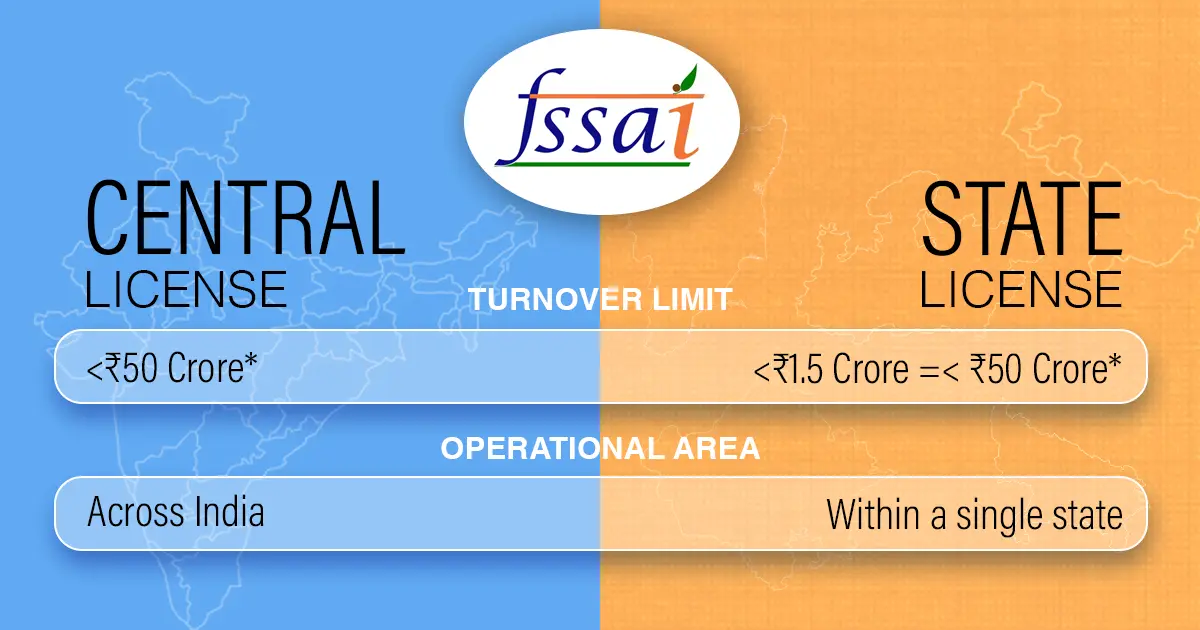
Difference Between FSSAI State and Central License in India

FSSAI Offences and Penalties in India: Fines and Punishments for Food Businesses
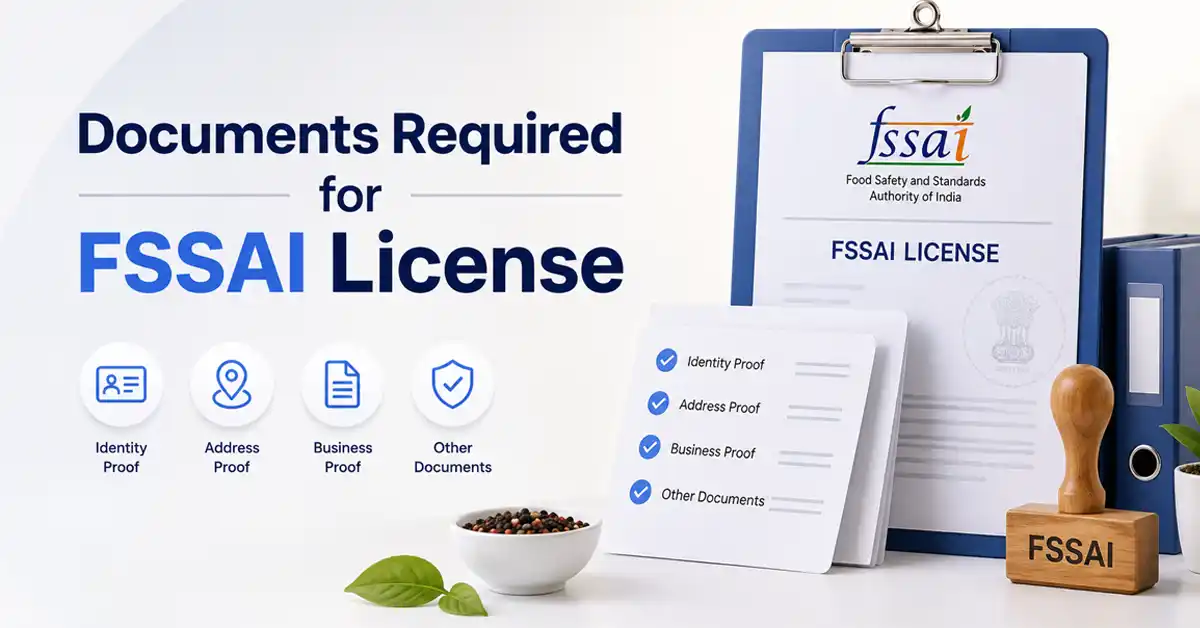
Documents Required for FSSAI License & Registration (2026)
How to Check FSSAI License Status Online on FoSCoS Portal?