Startup Business Planning in India
Starting a business in India? RegisterKaro offers expert startup planning services to help you launch smoothly, covering legal setup, compliance, and strategy tailored for Indian entrepreneurs.
 Customized Business Plans for Indian StartupsEntity Selection & Company Registration SupportExpert Guidance on Startup India SchemesComplete Legal Compliance & Government FilingsTrusted by 2 Lakh+ Indian Startups and Founders

 What Sets Us ApartWhat Sets Us Apart
Overview of Startup Business Planning in India
Startup planning in India isn’t just about having a great idea; it’s about turning that idea into a scalable, compliant, and profitable business. With over 159,157 startups registered under DPIIT as of 2024, India has become the 3rd-largest startup ecosystem globally. But success starts with smart planning. From choosing the right business structure (like a Private Limited Company or LLP) to preparing financial projections and defining go-to-market strategies, each decision plays a make-or-break role in a startup’s journey.
What makes startup planning unique in India is the blend of opportunity and complexity. Entrepreneurs must navigate compliance frameworks like GST, FSSAI, and Startup India registration, while also attracting the right investors and building lean, tech-driven operations. With government schemes offering tax holidays, funding incentives, and simplified compliance, those who plan smartly from day one gain a competitive edge that sets the tone for long-term growth.
Why Indian Startups Need a Business Plan?
For any startup in India, a business plan isn't just a document; it's a critical tool for organizing ideas and making strategic decisions. In a market as competitive and diverse as India's, a clear plan is indispensable.
A well-crafted startup business plan defines the company’s vision, sets achievable goals, and outlines how to reach them. It is also crucial when applying for loans, investments, or grants, as it shows how the business will grow and succeed.
The Importance of Strategic Planning in the Indian Market
The Indian market is unique, with diverse consumer behaviors and regulatory landscapes. Strategic planning, embedded within your startup business plan, helps you understand these nuances. It enables you to:
- Identify your target audience: Pinpoint who your ideal customers are and what their needs are.
- Analyze competitors: Understand the existing market landscape and identify your Unique Selling Propositions (USP).
- Position your product or service effectively: Craft a compelling message that resonates with your target market.
- Anticipate market shifts: Prepare for evolving consumer trends and technological advancements.
Without this foresight, even the most innovative ideas can struggle to gain traction.
How a Good Business Plan Helps You Secure Funding?
For many startups, securing capital is crucial. Investors, whether venture capitalists, angel investors, or banks, will almost always ask to see your startup business plan. A detailed plan demonstrates:
- Your understanding of the market: Showing you've done your research.
- Your financial projections: Detailing anticipated revenue, expenses, and profitability.
- Your strategy for growth: Outlining how you plan to scale and achieve sustainability.
- Your risk mitigation strategies: Addressing potential challenges and how you'll overcome them.
Ultimately, a detailed plan demonstrates that you've done your homework, positioning your venture as a low-risk, high-potential investment. Think of it as your ultimate pitch document.
Beyond funding, your business plan serves as a powerful tool for attracting skilled individuals and strategic partners. A solid startup plan shows potential employees and partners that:
- You have a clear direction: They understand your mission and goals.
- You have a strong foundation for future success: They see the potential for growth and impact.
- You are organized and prepared: Reflecting professionalism and foresight.
Steps to Launch Your Startup in India
Starting a business can feel overwhelming, but breaking it down into simple steps makes it easier. Here’s a step-by-step process to help you get your startup off the ground in India.
1. Validate Your Startup Idea in India
Before you even begin to create a business plan for a startup, it's crucial to validate your idea. This involves:
- Market Research: Understanding the size, trends, and growth potential of your target market in India.
- Problem Identification: Ensuring your product or service addresses a genuine need or solves a significant problem for Indian consumers.
- Customer Interviews: Talking to potential customers to gather feedback and refine your concept.
- Competitor Analysis: Identifying existing solutions and understanding their strengths and weaknesses.
- Minimum Viable Product (MVP) Testing: If applicable, create a basic version of your product to test with a small group of users.
- Tier-Based Market Understanding: India is diverse. People in Tier 1 cities (like Delhi or Mumbai) may have different needs than those in Tier 2 or Tier 3 cities. Know your audience.
In the Indian context, consider regional preferences, cultural factors, and economic disparities that might influence demand for your product or service. This initial validation phase saves you time and resources by ensuring there's a viable market for your offering.
2. Create a Business Plan for a Startup
This is where the detailed work begins. Your business plan for a startup should cover several key sections:
- Executive Summary: A concise overview of your entire plan, highlighting your business concept, market opportunity, and financial highlights.
- Company Description: What your business does, its mission, vision, legal structure, and core values.
- Market Analysis: In-depth research on your target market, industry trends, market size, customer segmentation, and a thorough competitor analysis (SWOT analysis can be useful here).
- Products and Services: A detailed description of what you offer, its features, benefits, intellectual property considerations, and your USP.
- Marketing and Sales Strategy: How you will reach your customers, acquire them, and generate sales. This includes pricing strategy, distribution channels, branding, and promotional activities.
- Operations Plan: How your business will function day-to-day, including location, equipment, technology, and supply chain management.
- Management Team: An overview of your team's experience, expertise, roles, and organizational structure.
- Financial Projections: Detailed forecasts for revenue, expenses, profitability, cash flow statements, and break-even analysis for at least the next 3-5 years.
- Funding Request (if applicable): How much funding do you need, how you plan to use it, and your proposed return on investment for potential investors.
Whether you're creating an online startup business plan or one for a physical venture, the core components remain the same. Using a business startup plan template can be helpful, but be sure to customize it to fit your unique idea and the Indian market.
3. Company Registration and Licenses in India
Once your plan is solid, the next practical step is to establish your business legally. This involves:
- Choosing the Right Legal Structure: Pick the structure that fits your business vision, liability needs, and investor appeal.
-
- Startups looking to register private limited company online often choose this structure for its ability to support fundraising, scalable growth, and limited liability protection.
- Limited Liability Partnership (LLP) is ideal for professionals and small businesses seeking flexibility with limited liability.
- Sole Proprietorship can be a simple to set up and low-cost option for solo entrepreneurs with full control and responsibility.
- A Partnership Firm is owned by two or more people who share profits and responsibilities. It’s ideal for small businesses and has minimal compliance.
- OPC incorporation offers a corporate structure and limited liability for solo founders.
- Name Approval: Apply for a unique company name through the Ministry of Corporate Affairs (MCA). You can use:
-
- RUN (Reserve Unique Name) for name reservation only.
- SPICe+ Part A for name approval as part of the full incorporation process.
- Document Preparation: Drafting crucial documents like the Memorandum of Association (MOA) and Articles of Association (AOA).
- MCA Registration: Filing all necessary forms and documents with the Registrar of Companies (ROC) under the Ministry of Corporate Affairs.
- PAN and TAN Application: Obtaining a Permanent Account Number (PAN) and Tax Deduction and Collection Account Number (TAN) for your company.
- GST Registration: Registering for Goods and Services Tax (GST) if your business falls under the GST threshold; if your annual turnover exceeds ₹40 lakhs (₹20 lakhs in special states).
- Specific Licenses and Permits: Identifying and acquiring any specific licenses and permits required for your industry (e.g., FSSAI (Food Safety and Standards Authority of India) license for food businesses, trade licenses from local municipalities) and location.
- Regulatory & Compliance: After registration, your company must:
-
- File annual returns and financial statements with the ROC.
- Hold regular board and shareholder meetings.
- Submit GST and file income tax returns on time.
- Follow labor laws like PF and ESI.
- Renew all required licenses and permits.
Staying compliant helps avoid penalties and keeps your business running smoothly.
This legal foundation is critical for any new venture, from a tech company to a consulting firm.
4. Funding and Government Support
India's government actively supports the startup ecosystem through various initiatives. Researching these programs can provide valuable support for your venture:
- Startup India Scheme: Offers benefits such as tax exemptions, easy compliance, and intellectual property protection.
- Startup India Seed Fund Scheme (SISFS): Provides financial assistance to eligible startups for proof of concept, prototype development, product trials, and market entry.
- Fund of Funds for Startups (FFS): Managed by SIDBI (Small Industries Development Bank of India), it provides capital to SEBI-registered Alternative Investment Funds (AIFs), which, in turn, invest in startups.
- Credit Guarantee Scheme for Startups (CGSS): Offers credit guarantees to loans extended by member lending institutions to eligible startups.
- Incubators and Accelerators: Many government-supported incubators provide mentorship, infrastructure, and networking opportunities.
- State-Level Startup Policies: Many states in India offer their special startup programs with extra funding and perks to help new businesses grow. For example, Karnataka offers seed funding and mentorship to support new businesses.
- Tax Benefits and Ease of Doing Business: Startups can also benefit from tax cuts and simpler rules that make it easier to run their operations.
Looking into these options can give your startup not just financial support but also the tools and guidance needed to thrive.
Checklist Required for Startup Planning
Starting a startup in India means you need the right documents and steps. Use this checklist to keep things on track:
Documents Needed
- ID and address proof of promoters (Aadhaar, PAN, Passport, Voter ID)
- Photos of promoters and directors
- Digital Signature Certificates (DSC) and Director Identification Number (DIN) for directors
- Drafts of Memorandum of Association (MoA) and Articles of Association (AoA)
- Proof of registered office address (rent agreement or utility bill)
- No Objection Certificate (NOC) from the property owner, if rented
- PAN of the company and Aadhaar (to apply after registration)
Key Steps
- Finalize your business plan and research your market
- Choose the right legal structure (Private Limited, LLP, OPC, etc.)
- Get name approval through the RUN or SPICe+ form
- Prepare and file company registration documents with the MCA
- Apply for PAN, TAN, and GST registration if needed
- Get any special licenses or permits for your industry
- Open a business bank account after registration
- Set up accounting and compliance to track taxes and filings
- Look into funding options, including government schemes and investors
Connect with RegisterKaro and let our experts handle the legal hassle while you grow your business.
Frequently Asked Questions (FAQs)
What is the cost of registering a startup in India?
The cost of registering a startup in India varies depending on the type of business entity chosen (e.g., Private Limited Company, LLP) and professional fees (for CAs/CSs). Generally, it can range from approximately ₹8,000 to ₹25,000 or more, excluding stamp duty and other specific charges, depending on the authorized capital.
How long does it take to register a company in India?
The timeline for registering a company in India, particularly a Private Limited Company, can range from 7 to 15 working days, assuming all documents are in order, the name approval process is smooth, and there are no delays from government departments. Expedited processes might be available at a higher cost.
Can I get government funding for my startup?
Yes, the Indian government offers various funding schemes and initiatives for startups under programs like Startup India. These include seed funding, venture capital support through various funds, and credit guarantee schemes. Eligibility criteria and application processes vary for each program, often requiring your startup to be registered with Startup India and meet specific innovation and scalability benchmarks.
What is the difference between a business plan and a strategic plan?
A startup business plan outlines short-term goals, strategies, and financial projections usually for 3 to 5 years. It focuses on operations, funding, and execution. A strategic plan looks at the long-term vision over 5 to 10 years. It defines what the business wants to achieve and why, while the business plan explains how to get there.
Do I need a business plan if I am not looking for funding?
Absolutely. Even if you're not seeking external funding, a startup business plan is invaluable. It forces you to:
- Thoroughly think through every aspect of your venture: From product development to marketing and financials.
- Identify potential challenges and risks: Allowing you to proactively develop mitigation strategies.
- Set clear goals and milestones: Providing a roadmap for tracking your progress.
- Improve decision-making: Guiding your choices as you navigate the startup journey.
- Communicate your vision: To potential employees, early customers, and future partners.
It serves as your internal guide, helping you stay focused, make informed decisions, and track your progress. It's an essential tool for any entrepreneur, regardless of their funding needs.
What are some common challenges new startups face in India?
New startups in India often deal with several tough issues:
- Securing enough money: Finding the right funding can be a big hurdle.
- Talent acquisition and retention: Getting and keeping good employees can be hard.
- Navigating rules: Dealing with complex government rules and compliance.
- Strong competition: Many sectors have lots of rivals.
- Scaling operations: Growing the business well across different markets.
- Building customer base: Gaining loyal customers takes effort.
- Adapting to technology: Keeping up with fast-changing tech is key.
What are the key legal considerations for an Indian startup?
For an Indian startup, legal steps go beyond just registering. Here are some key points:
- Intellectual Property (IP) protection: Protecting your ideas, like trademarks or copyrights.
- Founder agreements: Having strong agreements with co-founders about roles and how shares are divided.
- Data privacy laws: Making sure you follow rules on personal data, especially with new laws.
- Industry-specific regulations: Sticking to rules that apply only to your type of business.
- Labor laws: Understanding laws when you hire staff.

Reviewed by
Joel DsouzaJoel Dsouza is a Chartered Accountant (CA) and compliance expert with over 7 years of hands-on experience in company registration, tax structuring, GST, ROC filings, and MCA compliance. As a qualified member of the Institute of Chartered Accountants of India (ICAI) and Co-Founder at RegisterKaro, he has personally advised more than 1,000 startups and SMEs across India, helping founders navigate incorporation, regulatory frameworks, and financial planning from Day 1. With deep expertise across all three levels of Finance and Portfolio Management, Joel is committed to promoting financial literacy and simplifying India's startup ecosystem through clear, actionable guidance that entrepreneurs can act on immediately.
Why Choose RegisterKaro for the Startup Planning Service?
Starting a business can be exciting but also complex. RegisterKaro makes the process easier by offering expert help every step of the way:
- Guidance on Business Structure: Get help choosing between options like Private Limited Company, LLP, OPC, or Sole Proprietorship based on your needs.
- Hassle-Free Company Registration: Support with name approval, document filing, and getting your company legally registered.
- Help with Licenses and Permits: Assistance in applying for GST, FSSAI, trade licenses, and other approvals required for your business type.
- Business Plan Support: Help in building a clear business plan with market strategy, financial planning, and funding options.
- Compliance Setup from Day One: Ensure your startup meets all legal requirements like GST returns, ROC filings, PF, and ESI setup.
With RegisterKaro, launching a startup becomes simpler, faster, and legally secure.

What Our Clients Say
View All
SR Digital
 Verified
I had an amazing experience with Register Karo! The entire process of handling my corporate paperwork was seamless, professional, and completely stres... Read more

Prajjwal Raghav
VerifiedThe operations team simplified the entire registration process by efficiently handling all legal and technical requirements. I did not have to worry a... Read more

Vaishnavi Gupta
VerifiedI would say it was a great experience . Also Naina Gupta worked and did a great job . Working with it was smooth and didn't face any problem with the... Read more

sumit chugh
VerifiedHad a seamless experience with RegisterKaro! The registration was completed right on schedule, and the team kept me updated every step of the way. Cle... Read more

Siddharth Kataria
VerifiedMy experience with RegisterKaro, particularly with Muskan Singla, was excellent. She was professional, highly responsive, and helped me complete all m... Read more

AROGYYA AMARKANTAK P...
VerifiedEverything was fine, they took time and got everything done, the work is also continuing with the complaint, it was a very good experience to be assoc... Read more

D Allen
VerifiedI had an excellent experience with RegisterKaro, especially with Sakshi, who was incredibly professional, responsive, and supportive throughout the en... Read more

Faisal Saiyed
VerifiedONE OF THE BEST ADVICE & SUPPORT YOU GET FROM EXPERIENCED FROM REGISTER KARO TEAM. I WANT TO THANK AADARSH GIRI FOR WONDERFUL SUPPORT DURING THE PROCE... Read more

Dr Vaibhav Nilajkar
VerifiedI'd like to extend my sincere thanks to the @RegisterKaro team for their outstanding support in setting up my company and handling all the necessary r... Read more

Vishnu Rajoria
VerifiedOverall, it was a good experience from Register Karo and the Razorpay Rize team during the company incorporation process. We thank MD Arif, Jiya Rani... Read more
Related Blogs
View All
How to Start a Masala Business in India?

How to Raise Funds for Startup in India: Sources and Stages

How to Start a Recycling Business in India: Complete Guide for 2026

How to Start a Security Service Business in India

Kerala Startup Incubators List with their Contact Information

How to Invest in Startups in India? 2026 Complete Guide

Government Schemes For Women Entrepreneurs in India: Funding Options
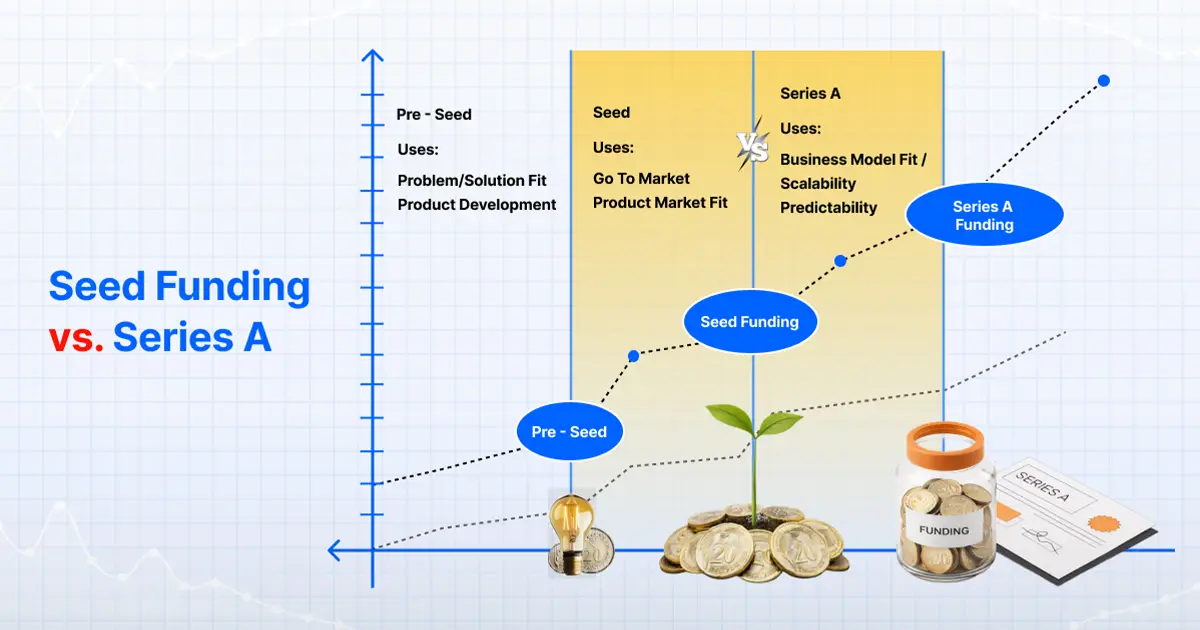
Difference Between Seed Funding and Series A Funding in India
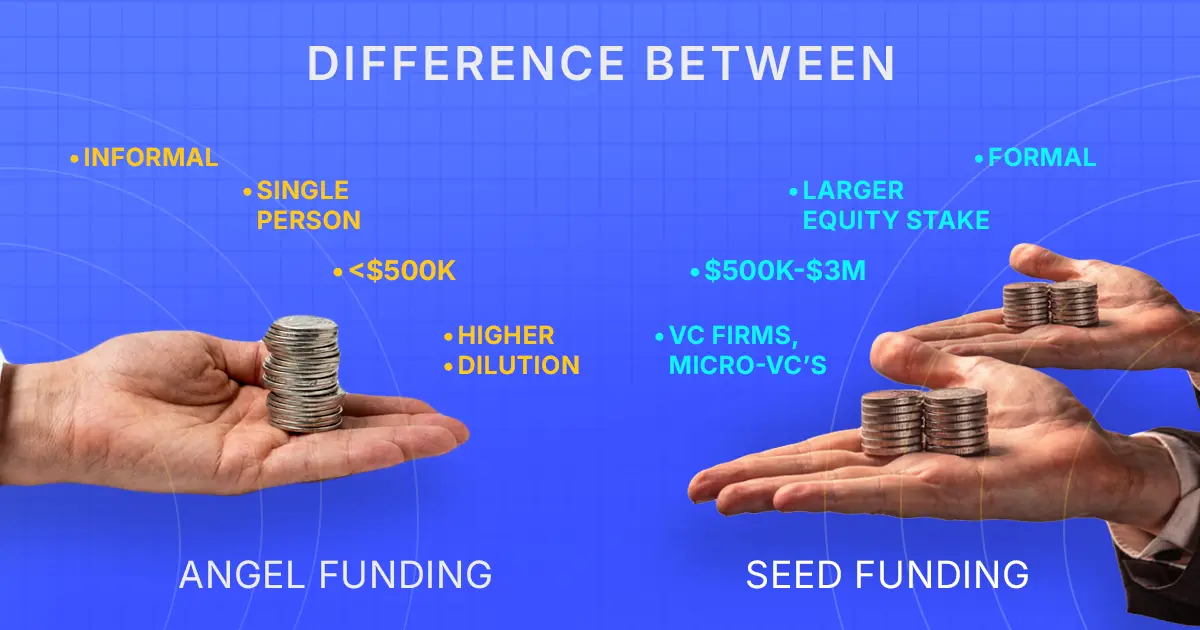
Difference Between Seed Funding and Angel Funding for Indian Startups
Startup India Certificate: How to Download (2026)