


Trademark Class 2 is the class for paints, varnishes, lacquers, and coatings in India. It covers paints, varnishes, lacquers, dyes, colourants, anti-corrosion coatings, wood stains, primers, and other surface-protecting materials used for industrial, decorative, and protective purposes. If you manufacture, supply, or distribute paints or coating materials, filing your brand under Class 2 trademark protection is how you secure full legal rights to your name and logo.
The Nice Classification (NCL), established under the 1957 Nice Agreement, is maintained globally by the World Intellectual Property Organization (WIPO). It organizes all types of trademarks into 45 categories, with Classes 1–34 covering goods and Classes 35–45 covering services.
A brand can use a trademark class search tool to confirm the right class before filing and avoid rejections, refiling costs, and gaps in trademark coverage.
Latest Update: This guide reflects the NICE Classification 13th Edition (NCL 13-2026), effective 1 January 2026, for all new trademark applications in India.
Key Takeaways
- Trademark Class 2 covers paints, varnishes, lacquers, primers, pigments, dyes, and protective coatings under NCL 13-2026.
- It does not cover industrial chemicals (Class 1), cosmetic dyes (Class 3), stationery inks (Class 16), insulating paints (Class 17), or pre-coated finished goods (Classes 20 and 28).
- Online filing costs ₹4,500 per class for individuals, DPIIT-recognized startups, and Udyam-registered MSMEs, and ₹9,000 per class for companies, LLPs, and partnership firms.
- A trademark remains valid for 10 years and can be renewed every 10 years. A 6-month grace period is available for late renewal with an additional fee.
- Descriptive brand names such as “Paint,” “Color,” “Coat,” and “Gloss” are often rejected under Section 9(1)(b) of the Trade Marks Act, 1999.
- Many paint brands register under Classes 2, 35, and 40 to protect their products, retail services, and custom colour-mixing services.
Which Trademark Class is Paint, Varnish & Coatings In? (Class 2)
The trademark class for paint in India is Class 2 under the NICE Classification. The same applies if you’re searching for the trademark class for varnish, lacquer, primer, spray paint, or protective coatings, they all fall under Class 2. It covers all types of paints, including wall, enamel, oil-based, water-based, industrial, automotive, anti-corrosion, fire-retardant, and decorative paints.
However, paint brands that offer related products or services may need protection in additional classes:
- Class 35: For retail stores, paint outlets, and e-commerce platforms.
- Class 37: For painting, application, and contractor services.
- Class 40: For custom colour-mixing and tinting services.
- Class 19: If you also manufacture non-metallic building materials.
For example, Asian Paints, Berger Paints, and Kansai Nerolac have trademark registration in Classes 2, 35, and 40. This protects their paint products, retail businesses, and tinting services.
Who Should Register Under Trademark Class 2?
Class 2 is the right choice if your business manufactures, supplies, or distributes any of the following goods:
- Paint and varnish manufacturers: Brands selling wall paints, enamel paints, oil-based paints, water-based paints, and decorative finishes.
- Primers and protective coating producers: Businesses offering metal primers, wood primers, anti-corrosion coatings, rust-proof paints, and weather-resistant coatings.
- Lacquer and finishing product manufacturers: Brands producing wood lacquers, furniture varnishes, epoxy coatings, and industrial finishing coatings.
- Pigment and colourant producers: Businesses manufacturing pigments for paints, printing inks, mordants, and decorative colourants.
- Wood stain and surface treatment brands: Companies offering wood stains, polish coatings, and decorative surface finishes.
- Spray paint and aerosol coating producers: Brands selling industrial, automotive, or decorative spray paints.
- Specialty coating manufacturers: Businesses producing fire-retardant, heat-resistant, chemical-resistant, or anti-UV coatings.
- D2C and online paint brands: Businesses selling paints and coatings directly to consumers through e-commerce platforms like Amazon or Flipkart.
- Suppliers and distributors of paints and coatings: Companies supplying paints, varnishes, dyes, and primers to contractors, retailers, or industrial buyers.
Trademark protection can extend beyond the product name to taglines and slogans as well. Asian Paints’ “Har Rang Kuch Kehta Hai” is a well-recognized example and is a registered tagline that prevents competitors from using deceptively similar slogans.
What are the Goods Covered Under Trademark Class 2?
Trademark Class 2 protects a wide range of paints, varnishes, coatings, and related materials used for decorative, industrial, and protective purposes.
The table below summarizes the key categories and examples:
| Category | Examples |
| Paints and Varnishes | Wall paints, enamel paints, oil-based paints, water-based paints, industrial paints, decorative coatings |
| Primers and Protective Coatings | Metal primers, wood primers, anti-corrosion coatings, rust-proof paints, weather-resistant coatings |
| Lacquers and Finishing Products | Wood lacquers, furniture lacquers, clear coats, nitrocellulose lacquers, polyurethane lacquers, UV-cured lacquers |
| Pigments and Colourants | Pigments for paints, mordants for wood and leather, printing inks, toner, and marking ink for industrial or commercial purposes, dyestuffs for clothing, colourants for foodstuffs and beverages |
| Wood Stains and Surface Treatments | Wood stains, wood preservatives, anti-rust oils, polish coatings, decorative surface finishes |
| Paint Additives | Thinners, thickeners, fixatives, and siccatives for paints, varnishes, and lacquers |
| Spray Paints and Aerosol Coatings | Industrial spray paints, automotive spray paints, and decorative aerosol paints |
| Specialty Coatings | Fire-retardant paints, heat-resistant coatings, chemical-resistant coatings, anti-UV paints |
| Industrial and Construction Coatings | Protective floor coatings, epoxy floor paints, machinery coatings, pipeline coatings |
| Decorative and Artistic Coatings | Decorative wall coatings, metallic finishes, artistic paint finishes, mural paints |
| Enamels and Powder Coatings | Industrial enamels, powdered paints for machinery or metal finishing |
| Anti-Fouling and Marine Coatings | Anti-fouling paints for ships, anti-rust coatings, corrosion-protective marine paints |
| Waterproofing and Sealant Coatings | Waterproofing coatings, sealing paints for construction or industrial surfaces |
| Chalkboard and Whiteboard Coatings | Chalkboard paints, whiteboard coatings, and surface marking paints for industrial use |
| Raw Resins & Metals (for painting/decorating) | Unprocessed natural resins for lacquers and varnishes; metals in foil and powder form for painters, decorators, printers, and artists |
Registering under the correct trademark class list ensures your products are fully protected and reduces the risk of objections during examination.
Which Products are Excluded from Trademark Class 2?
Class 2 excludes the following common items:
- Cosmetic dyes and personal-use paints: Products such as nail polish, body paints, hair dyes, and cosmetic coloring preparations fall under Class 3.
- Laundry blueing: Used in laundry and cleaning applications, laundry blueing belongs to Class 3, not Class 2.
- Mordants for metals: While mordants for wood and leather are covered under Class 2, mordants specifically for metals belong to Class 1.
- Industrial adhesives and unprocessed artificial resins: Industrial adhesives and unprocessed artificial resins fall under Class 1, not Class 2.
- Stationery inks and writing materials: Fountain pen inks, inks for stationery purposes, and paint boxes for school use belong to Class 16.
- Insulating paints and varnishes: Paints and varnishes used specifically for insulation purposes fall under Class 17, not Class 2.
- Semi-processed resins: Natural resins processed into pellets, rods, or bars belong to Class 17. Only raw, unprocessed natural resins fall under Class 2.
- Pre-finished and coated furniture: Finished furniture items with applied coatings belong to Class 20, not Class 2.
- Finished toys with applied paint: Completed toy products with applied paint finishes belong to Class 28.
Note: The most common misclassification errors for Class 2 involve mordants for metals (Class 1), insulating paints (Class 17), and stationery inks (Class 16). Always verify your specific product against the official NICE list before filing.
How to Register a Trademark Under Class 2 in India?
Here is a step-by-step breakdown of the trademark registration process under Class 2 in India:
1. Trademark Search
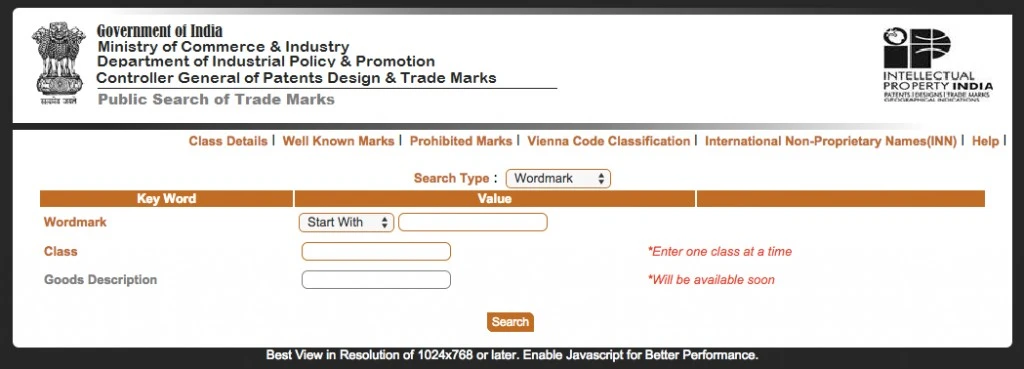
Before filing, verify whether a similar mark already exists under Class 2:
- Visit the Indian Trademark Registry or use the RegisterKaro Free Trademark Search tool.
- Confirm Class 2 fits your goods using the trademark class search tool.
- Check the WIPO Global Brand Database for international conflicts.
- Review identical or similar marks and their current status.
2. Complete Filing Process
Follow the steps below to register your Trademark under Class 2 successfully:
Step 1: Prepare the Application
Gather applicant details and finalize your trademark logo or wordmark. Draft a precise description of your goods under Class 2 using specific terms such as “anti-corrosion coatings” or “wood lacquers” rather than broad terms like “paints.” Note the date of first use if applicable.
Step 2: File Form TM-A
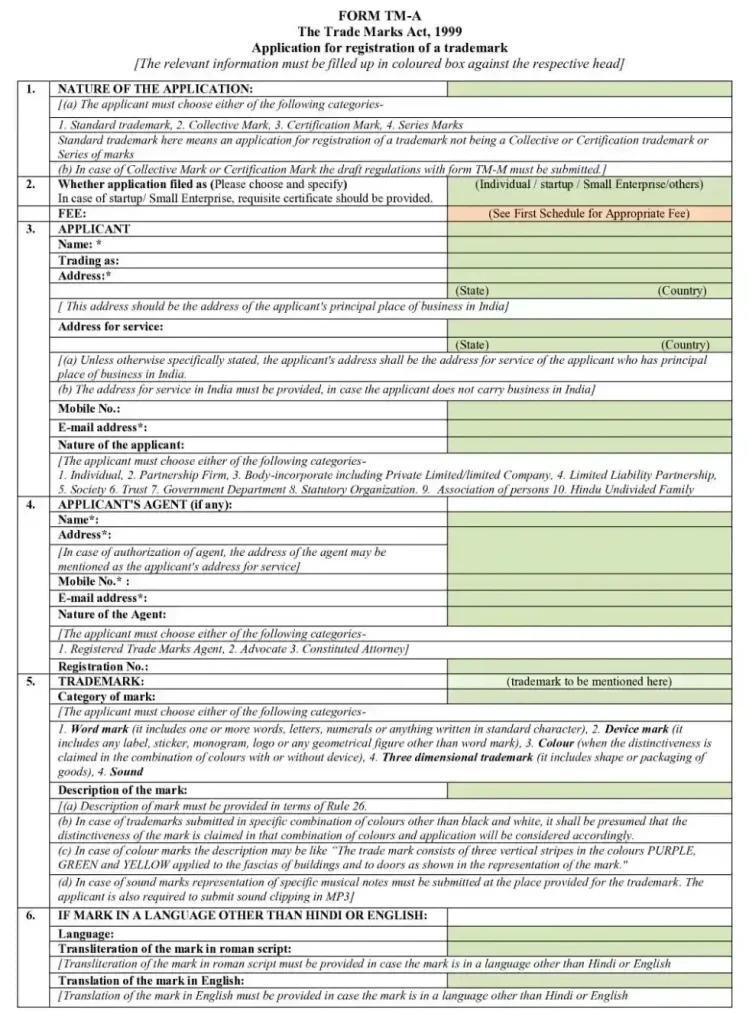
Submit Form TM-A online through the IP India e-filing portal. Ensure Class 2 is correctly selected and pay the prescribed government fee. You may use the ™ symbol immediately upon filing.
Step 3: Examination by the Trademark Office
The Trademark Examiner reviews your application for correct classification, distinctiveness, and conflicts with existing registered marks.
Step 4: Reply to the Examination Report
If objections are raised under Section 9 (absolute grounds) or Section 11 (relative grounds) of the Trade Marks Act, 1999, file a written reply within 30 days. If further clarification is needed, a hearing notice is issued. A well-drafted trademark objection reply backed by legal arguments significantly improves acceptance chances.
Step 5: Publication in the Trademark Journal
Once accepted, the mark is published in the official Trademark Journal. Third parties have 4 months to file a Notice of Opposition. If no opposition is received, the mark proceeds to registration. If opposed, respond through professional trademark opposition defence.
Step 6: Registration and Certificate
- Once approved, the Trademark Registry issues a Certificate of Registration, and you can begin using the ® symbol.
- Validity is 10 years from the date of application (not the certificate issue date), under Section 25 of the Trade Marks Act, 1999.
- Renew via Form TM-R in 10-year blocks, filed up to 6 months before expiry.
- A 6-month grace period applies after expiry, with a surcharge, before removal from the register.
- Monitor your brand regularly to act against trademark infringement.
Government fees applicable:
| Applicant Type | Fee Per Class (Online) | Fee Per Class (Physical) |
| Individual / Sole Proprietor | ₹4,500 | ₹5,000 |
| Startup (with DPIIT recognition) | ₹4,500 | ₹5,000 |
| MSME (with Udyam registration) | ₹4,500 | ₹5,000 |
| Company / LLP / Partnership Firm | ₹9,000 | ₹10,000 |
Trademark registration fees in India apply per class at the time of filing Form TM-A. Professional fees, if engaged, are additional.
Note: Government fees are subject to change. Always verify the latest fee structure on the official IP India website before filing.
High-Risk Words That Get Class 2 Applications Rejected
Trademark examiners scrutinize Class 2 applications more aggressively than most goods classes, since paint and coating brand names tend to be descriptive. The following word patterns face elevated rejection risk under Section 9(1)(b) of the Trade Marks Act, 1999:
- Generic descriptors: “Paint,” “Color,” “Coat,” “Gloss,” “Shine,” “Matte,” “Finish.”
- Performance claims: “Anti-Rust,” “Weather-Proof,” “Long-Lasting,” “Durable,” “Eco” (these describe what the paint does).
- Colour names: “Royal Blue,” “Pearl White,” “Forest Green” used as primary brand names.
- Combinations of common words: “Premium Coats,” “Best Paint Co.,” “True Color.”
Safer brand-naming strategies for Class 2:
- Coined or invented names: e.g., Tractor Emulsion, Royale, Apcolite (all Asian Paints).
- Suggestive names: names that hint at quality without describing it.
- Owner- or place-based names: Berger, Nerolac, Shalimar.
- Distinctive prefixes or suffixes: adding a unique syllable to a common word, e.g., “Apex Ultima.”
