

Trademark Class 16 covers paper, cardboard, printed matter, stationery, and paper-based packaging in India. It includes books, magazines, notebooks, pens, office supplies, art materials, and printed publications. If you manufacture, publish, or distribute paper-based products, filing under Class 16 helps protect your brand name and logo.
Class 16 is one of the 45 classes under the Nice Classification. The World Intellectual Property Organization (WIPO) maintains this international system under the 1957 Nice Agreement. India follows this system under the Trade Marks Act, 1999.
Classmate (owned by ITC), Camlin, Reynolds, Cello, Linc, Faber-Castell, Apsara, Doms, Penguin Random House, HarperCollins, and Archies are examples of well-known brands with Class 16 registrations in India.
Key Takeaways
- Class 16 covers paper products, printed matter, stationery, office requisites, artists’ materials, and paper-based packaging.
- General storage or transport containers don’t belong here. Metal ones fall under Class 6, and non-metal ones like plastic fall under Class 20.
- Class 21 is reserved for household or kitchen containers specifically, not general packaging.
- It does not cover digital publications (Class 9), furniture (Class 20), hand tools for artists (Class 8), or industrial printing machines (Class 7).
- Online filing costs ₹4,500 per class for individuals, startups, and MSMEs, and ₹9,000 per class for companies and other entities.
- A trademark remains valid for 10 years from the date of filing, and renews indefinitely in 10-year cycles via Form TM-R.
What is Trademark Class 16?
Trademark Class 16 covers goods mainly made of paper and related materials. It includes paper, cardboard, printed matter, bookbinding materials, stationery, and office supplies. It also covers stationery adhesives, artists’ materials, paintbrushes, packaging films, printing type, and printing blocks.
Trademark registration under Class 16 gives brands exclusive rights to use their names, logos, and packaging for these goods. It also provides legal grounds to act against imitators.
What are the Goods Covered in Trademark Class 16?
Trademark Class 16 covers paper, printing, stationery, and office products. Breaking these into categories makes the scope easier to understand:
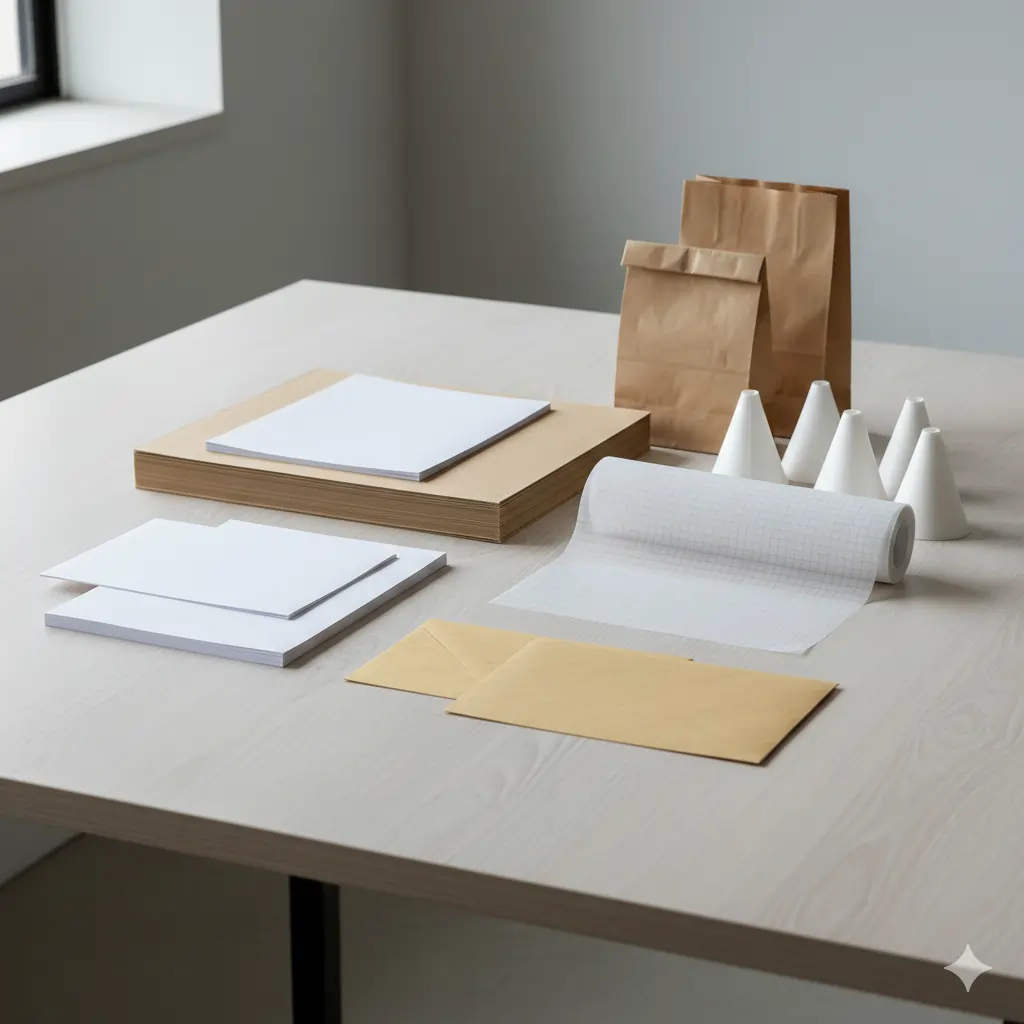
1. Paper and Paper Products
Paper products are widely used in offices, schools, and businesses. Trademark Class 16 protects the following items to secure your brand:
- Writing paper
- Cardboard
- Envelopes
- Tracing paper
- Paper bags
- Filters (Paper filters, Coffee filter paper)
2. Printed Matter
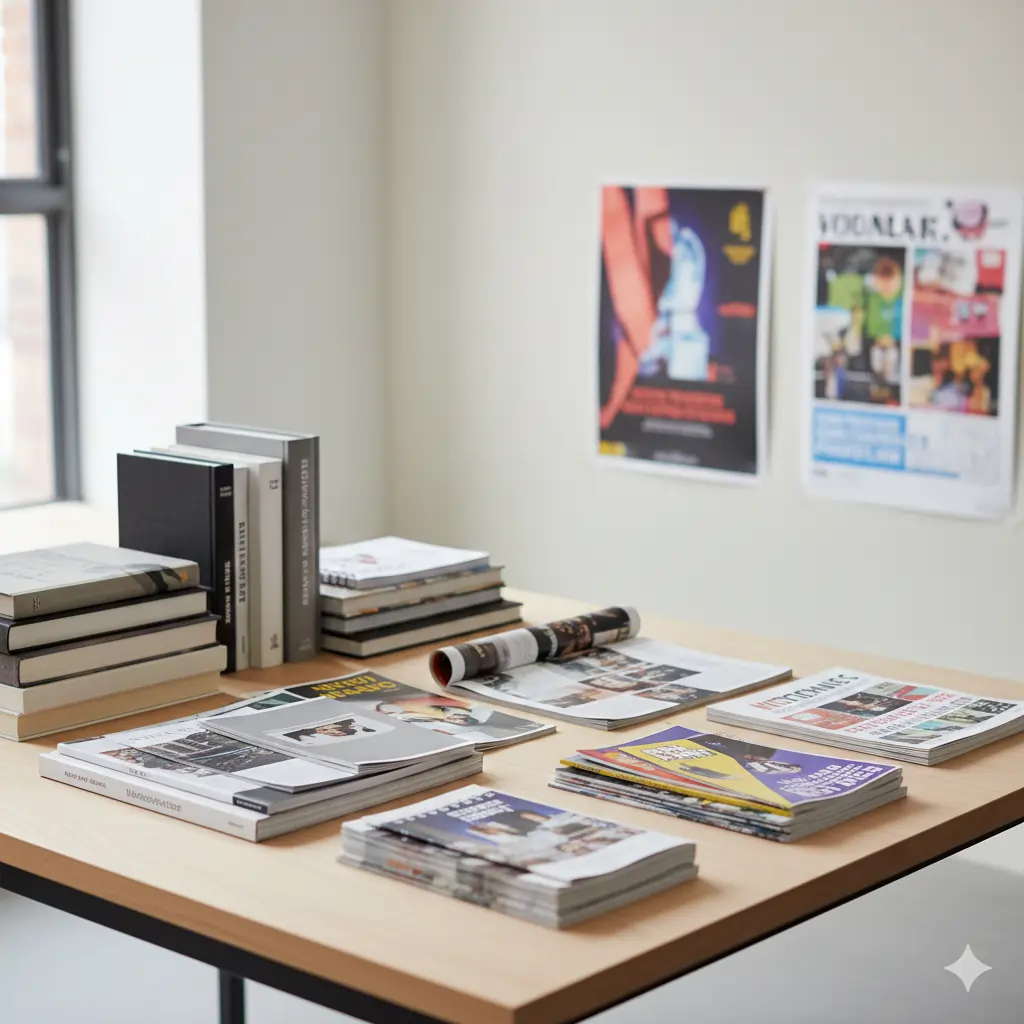
Printed materials are key for marketing, publishing, and communication. Registering your brand ensures legal protection of the following printed goods:
- Books
- Magazines
- Periodicals
- Brochures
- Flyers
- Posters
3. Stationery Items
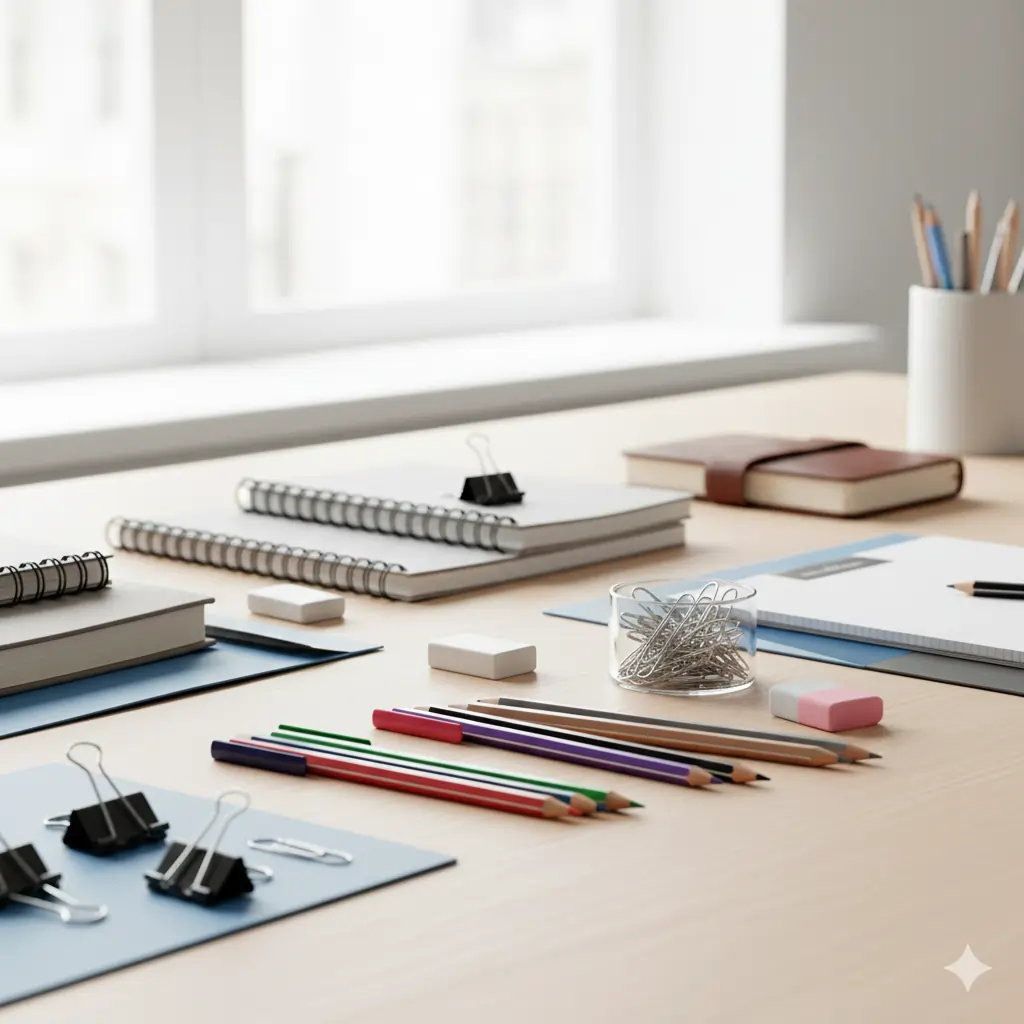
Stationery products are essential for offices, schools, and personal use. Class 16 is a trademark class for stationery items that safeguards their brand identity. The following items are included in the stationery classification:
- Pens
- Pencils
- Erasers
- Notebooks
- Diaries
- Files
- Paper clips
- Folders
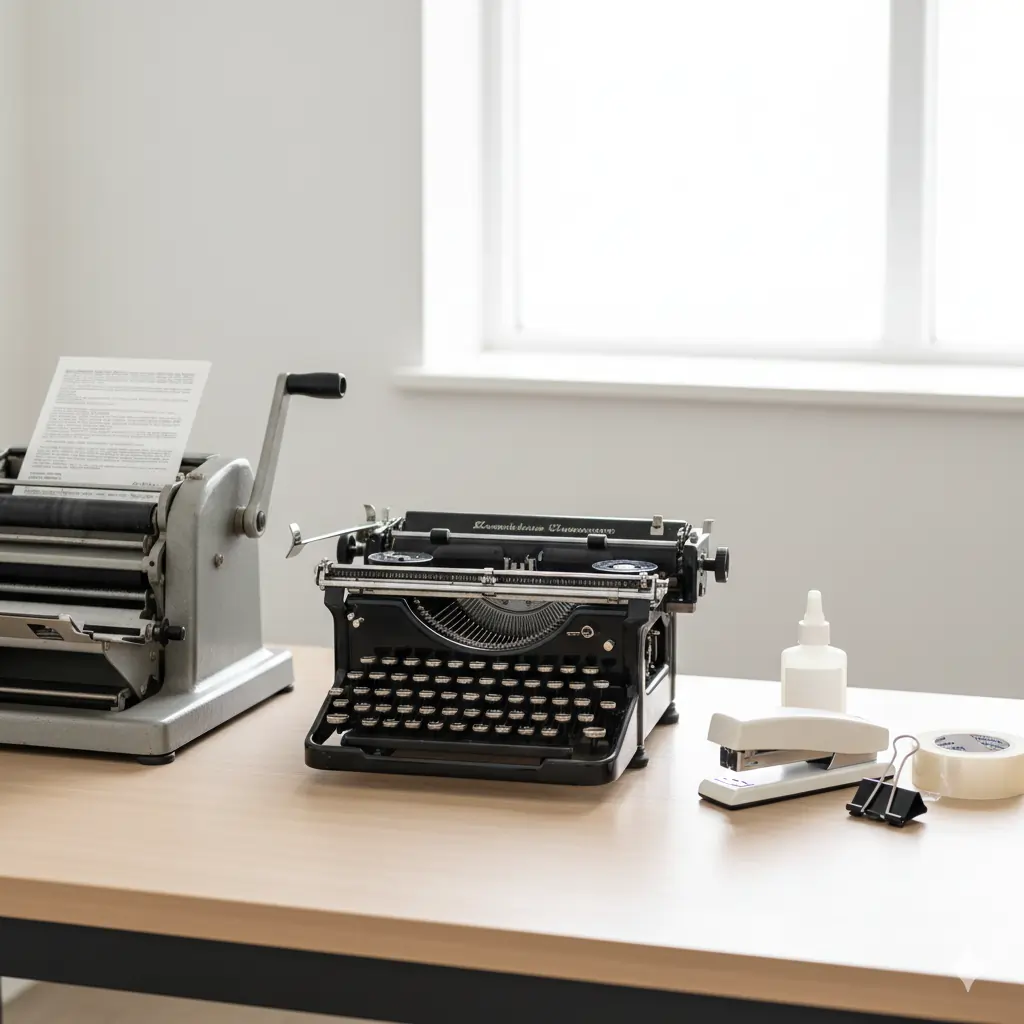
4. Office Supplies and Requisites
Office tools and equipment fall under Trademark Class 16. Trademark registration prevents unauthorized use of your brand for the goods listed below:
- Typewriters
- Duplicators
- Staplers
- Adhesives for office or household use
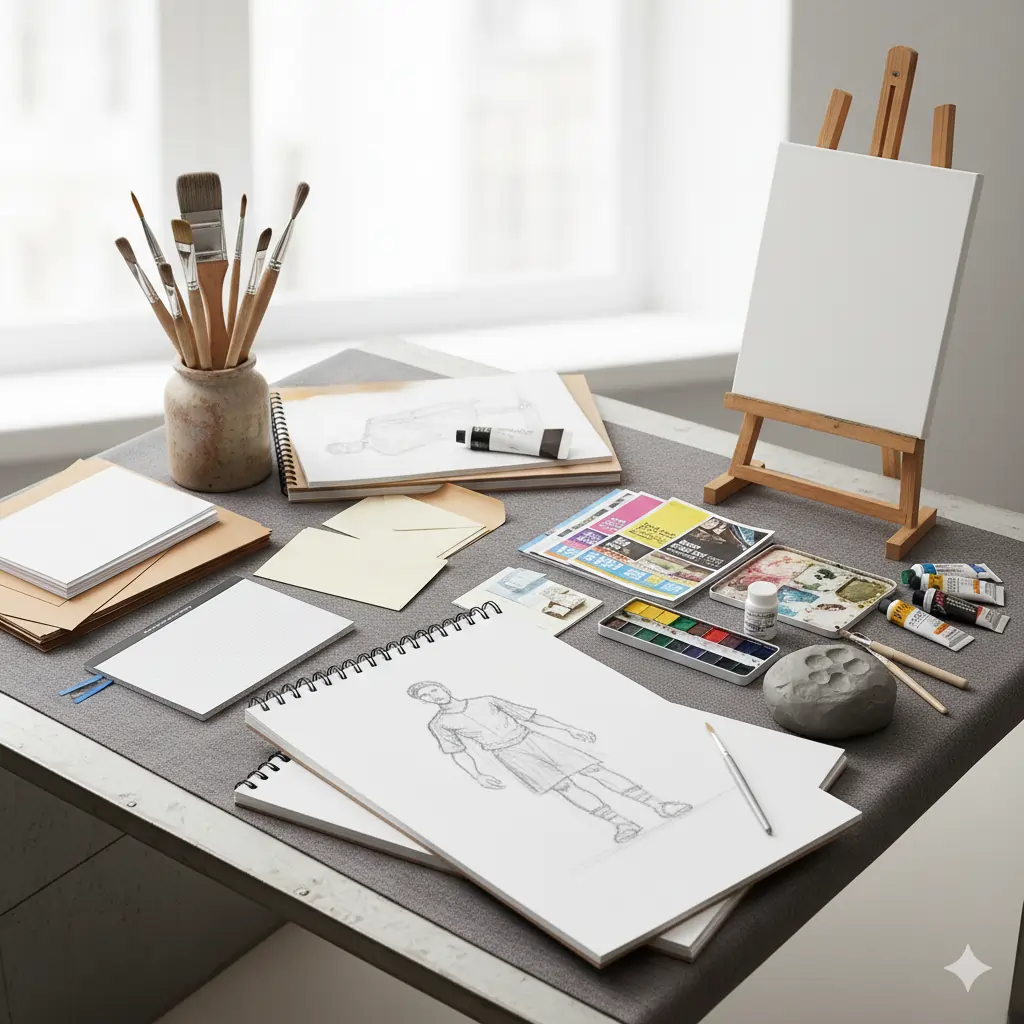
5. Artists’ Materials and Drawing Supplies
Art and drawing supplies are included in Trademark Class 16. Protecting these products helps creative brands stay secure.
- Paintbrushes
- Sketch pads
- Watercolours (Paintbrushes, Sketch pads)
- Modelling clay
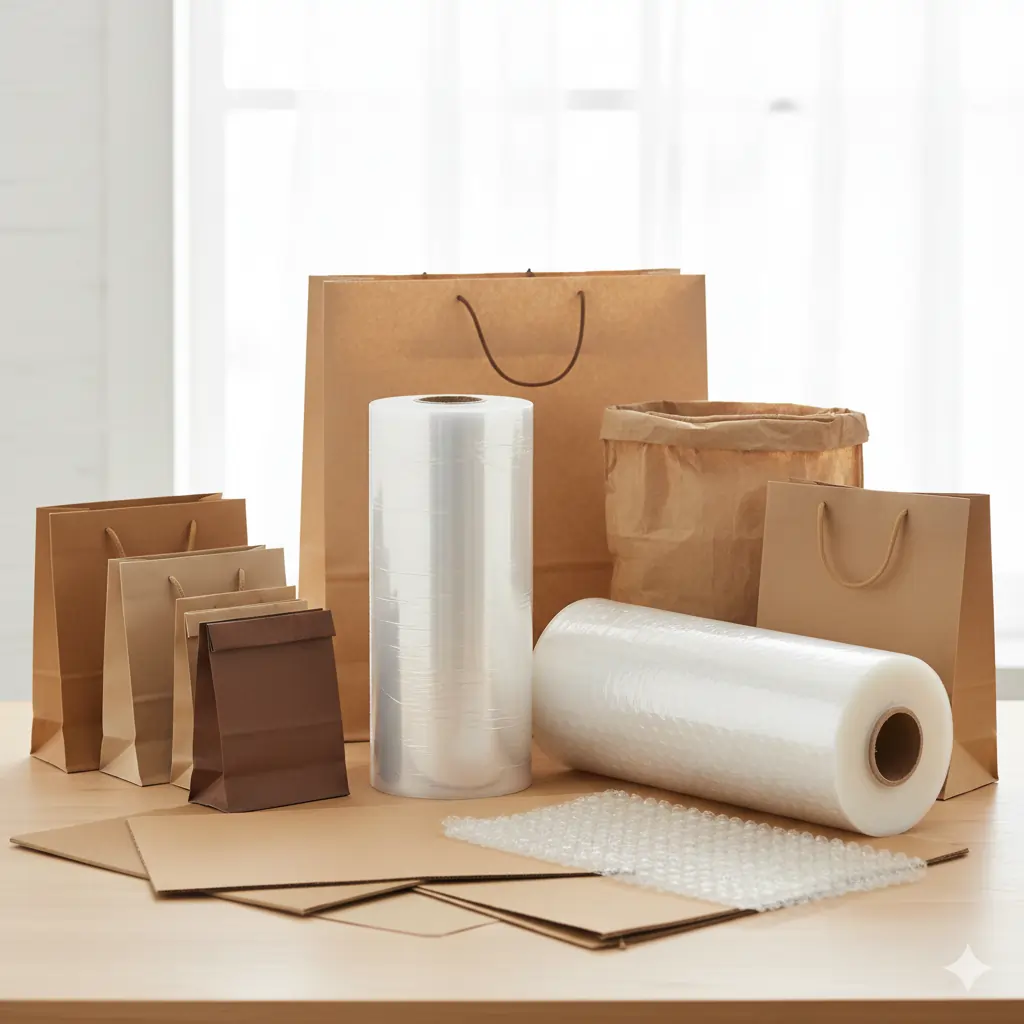
6. Packaging Materials
Packaging items like bags and sheets are covered under Trademark Class 16. Trademark registration secures your brand’s identity on packaging products such as:
- Plastic sheets
- Sacks
- Bags for wrapping and packaging
What is Not Covered in Trademark Class 16?
Some goods are often confused with Class 16 because they relate to writing, printing, or packaging. However, not all such products fall under Class 16.
Goods Not Covered Under Class 16:
- Digital publications: eBooks and PDF files fall under Class 9, since they’re electronic content.
- Furniture items: Desks, chairs, and storage units fall under Class 20.
- Hand tools for artists: Carving tools and sculpting instruments fall under Class 8.
- Metal storage and packaging containers: Metal boxes, tins, and containers used for storage or transport fall under Class 6, not Class 16 or Class 21.
- Non-metal storage and packaging containers: General-purpose plastic containers and storage boxes fall under Class 20, not Class 21.
- Electronics and printing machines: Non-manual devices are classified under their relevant technical classes.
- Advertising and publishing services: These fall under Class 35 or Class 41, since they’re services, not goods.
- Digital printing software: Falls under Class 9.
- Photographic equipment: Cameras and lenses fall under Class 9.
- Industrial printing machines and presses: Fall under Class 7.
- Educational services: Training and coaching fall under Class 41.
How to Register a Trademark Under Class 16 in India?
Registering under Class 16 follows the standard Indian trademark process from search to certificate. Here’s how it works:
- Search first: Check the IP India Trademark Public Search portal. You can also use the RegisterKaro Trademark Search tool for a deeper analysis across phonetic and device-mark variations.
- Prepare the application: Provide your applicant details and finalize your logo or wordmark. Clearly list your Class 16 goods and mention the first-use date, if applicable.
- File Form TM-A: Submit the application online through the trademark portal. Select Class 16 and pay the government fee, starting at ₹4,500 for individuals and startups. You receive an application number after filing.
- Examination: The Trademark Examiner reviews the classification, distinctiveness, and similar marks. This stage may take a few months.
- Respond to objections: If the Registry raises objections, you usually have 30 days to reply. Missing the deadline can lead to abandonment. If needed, you may receive a hearing notice.
- Publication and opposition: If accepted, the mark is published in the Trademark Journal. Third parties have 4 months to file a Notice of Opposition. If opposed, you must defend the application through counter-statements and evidence.
- Registration and certificate: If no one opposes the mark, the Registry enters it in the Register of Trademarks. It then issues a digitally signed trademark registration certificate. The trademark remains valid for 10 years from the filing date. You can renew it indefinitely in 10-year cycles through Form TM-R.
The Class 16 registration process usually takes 6 to 18 months, depending on objections and oppositions.
When to Use Multiple Classes Along With Class 16?
Choose Class 16 alone when your business deals only with physical paper, stationery, or printed goods:
| Business Scenario | Recommended Classes |
|---|---|
| Physical stationery and printed materials only | Class 16 |
| Digital books, e-books, or downloadable content, alongside printed books | Class 16 + Class 9 |
| Educational or training materials alongside printed goods | Class 16 + Class 41 |
| Stationery brand with retail/e-commerce operations | Class 16 + Class 35 |
| Metal packaging alongside paper packaging | Class 16 + Class 6 |
| Non-metal (plastic) packaging alongside paper packaging | Class 16 + Class 20 |
| Publishing house with online publishing and educational services | Class 16 + Class 9 + Class 41 |
Each class is examined independently, and government fees are charged per class. See the trademark class list in India for complete details on all 45 classes.
