


The Chairman of a Private Limited Company is responsible for leading and conducting meetings of the Board of Directors or members, depending on the company’s governing documents. The Companies Act, 2013 does not generally require every private company to appoint a permanent Chairman. The appointment, powers, tenure, and responsibilities may depend on the company’s Articles of Association (AOA), Board decisions, shareholder resolutions, and applicable provisions of company law.
While appointing a permanent Chairman isn’t mandatory, doing so improves discipline, teamwork, and trust within the company. In simple terms, the Chairman helps the Board think better and act faster.
Real-life examples highlight the influence of an effective Chairman. Mukesh Ambani secured re-election as Chairman of Reliance Industries even after exceeding the age limit of 65. Leaders like Ratan Tata and N. Chandrasekaran have also boosted their companies by combining experience with strategic oversight.
What is the Role of a Chairman in a Private Limited Company?
A Chairman plays a central role in how a Private Limited Company conducts meetings and makes decisions. Under the Companies Act, 2013, the Chairman ensures that Board and shareholder meetings follow legal rules and record decisions correctly. The Act doesn’t force private companies to appoint a permanent Chairman, but it allows them to define the process through Articles of Association (AoA).
In a Private Limited Company, a Chairman:
- Must be capable of conducting meetings fairly and efficiently
- Should understand the company’s operations and governance needs
- May need to meet specific qualifications if prescribed in the AoA
Note: Appointing a Board Chairman is an internal matter recorded in the board minutes. No e-form (MGT-14/DIR-12) or ROC notification is required for a private company.
Who Can Be Appointed as Chairman?
A company can appoint a Chairman based on what its AoA depicts. Typically, the role may be given to:
- A director elected by the Board
- A permanent Chairman named in the AoA
- A temporary Chairman chosen for a specific meeting
- A non-director, if the AoA permits it.
Note: The AoA may require the Chairman to be a director or restrict the role to certain senior positions. Moreover, a person disqualified under the Companies Act, such as a disqualified director, cannot serve as Chairman.
Legal Provisions Under the Companies Act, 2013
The Companies Act, 2013, sets the framework for how companies must conduct their meetings, and the Chairman plays a key role in ensuring compliance.
Key Legal Provisions
To understand the Chairman’s responsibilities, it helps to first look at the main legal sections that directly define their role:
- Section 104: Members may choose a Chairman for a general meeting if the usual Chairman is absent.
- Sections 173 & 174: These sections cover the role of a chairman in Board meetings and quorum. The Chairman must ensure the meeting starts with a valid quorum as per Section 174 of the Companies Act and runs in an orderly manner in line with Section 173 of the Companies Act.
- Section 118 & Secretarial Standards (SS-1 and SS-2): The Chairman must maintain order, allow fair participation, ensure compliance, and sign minutes of the meeting under Section 118 of the Companies Act.
The Chairman plays a pivotal role in conducting company meetings smoothly, legally, and transparently.
Additional Provisions Supporting the Chairman’s Role
Beyond the core sections, other rules and standards help guide the Chairman’s duties under the Companies Act and ensure smooth meetings:
- Secretarial Standard-1 (SS-1): The Chairman ensures that draft minutes are circulated within 15 days.
- Table F of Schedule I (Model AoA): Provides default rules on appointing a Chairman and may grant the Chairman a casting vote in case of a tie, if allowed by the AoA.
- Sections 96–100 (General Meeting Procedures): The Chairman must ensure proper notice, follow the order of business, and allow members to speak and vote fairly. Section 96 of the Companies Act outlines the procedure for calling and conducting general meetings. Meanwhile, Section 100 of the Companies Act specifies how resolutions are passed and recorded. The Chairman must ensure proper notice, follow the order of business, and allow members to speak and vote fairly.
- Section 105 (Proxies): Under Section 105 (Proxies) of the Companies Act, 2013, the Chairman must verify proxies and allow them to participate.
- Section 109 (Demand for Poll): The Chairman must allow a poll when validly demanded and supervise the process.
- Section 110 (Postal Ballot): If used, the Chairman oversees compliance with postal ballot procedures.
Together, these provisions give the Chairman the responsibility to conduct meetings lawfully, fairly, and transparently. Moreover, they ensure that all decisions are made according to company law and the AoA.
How to Appoint a Chairman in a Private Limited Company?
Appointing a Chairman in a Private Limited Company is a critical step that ensures effective leadership and strong governance. Here’s the step-by-step procedure:
1. Check the Articles of Association (AoA)
- Review the AoA to see if it specifies eligibility, term, or method of appointment.
- Ensure any restrictions, such as director status or seniority, are followed.
2. Issue Notice of a Board Meeting
- Issue a proper notice to all directors as per Section 173 of the Companies Act.
- Include the agenda for electing the Chairman.
3. Propose and Approve the Appointment
- Directors propose a candidate for the Chairman’s role.
- Conduct a vote as per the AoA and record the resolution in the meeting minutes.
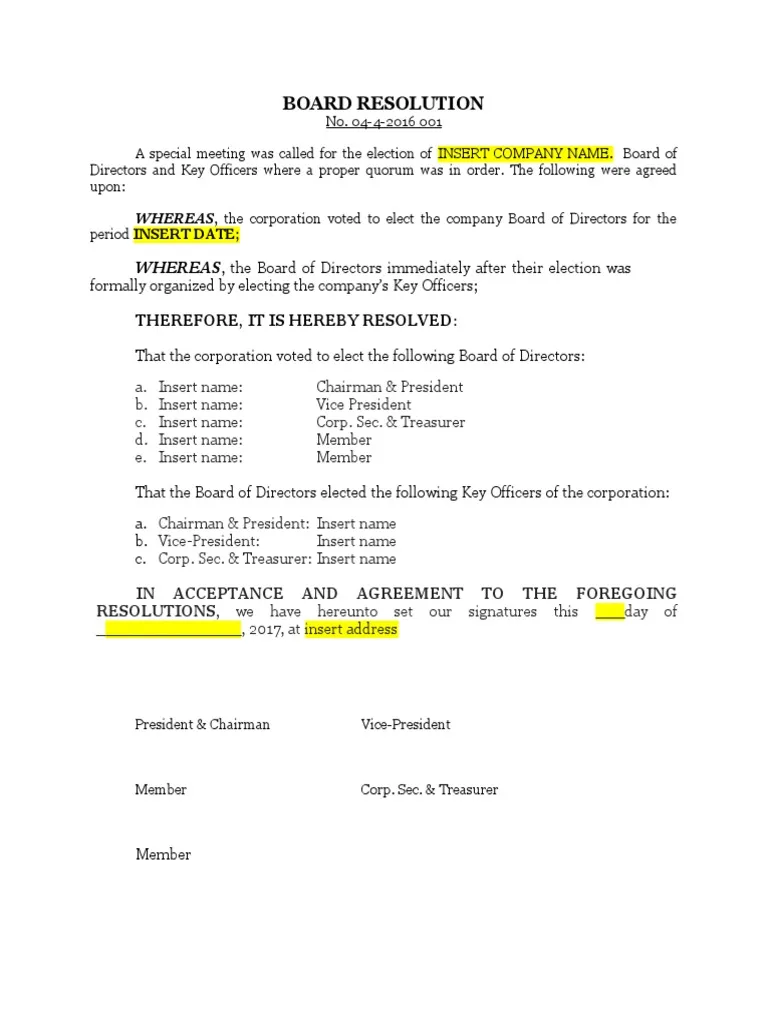
4. Document the Appointment
- Record the appointment in the Board meeting minutes.
- Ensure the minutes clearly mention the Chairman’s role, term, and powers.
5. Inform Shareholders (if required)
- Some companies may notify shareholders about the appointment. This is especially the case if the Chairman has significant influence on decisions.
6. Update Internal Registers and Communication
- Update the company’s Register of Directors or Board records.
- Reflect the Chairman’s name in company communications, letterheads, or website if needed.
Following these steps ensures that the Chairman is appointed legally, transparently, and in line with the company’s governance framework.
Duties and Responsibilities of the Chairman
Some major duties and responsibilities of the chairman in a private limited company are:
- Managing Meetings: Conduct Board and shareholder meetings efficiently. Ensure quorum, maintain order, and give all members a fair chance to speak.
- Agenda Setting: Approve or prepare the agenda, highlighting critical issues to be discussed. Ensure the meeting focuses on strategic priorities.
- Deciding the Order of Business: Determine the sequence of discussions to ensure productive meetings.
- Regulating Participation: Control discussion flow, ensuring balanced participation from all directors and members.
- Handling Tie Votes: Cast a tie-breaking vote if allowed by the AoA.
- Power to Adjourn Meetings: Adjourn meetings when necessary to maintain order or compliance.
- Corporate Governance Oversight: Ensure compliance with the Companies Act, 2013, the Articles of Association (AoA), and internal policies. Maintain transparency and ethical standards.
- Leadership and Strategy: Guide the Board on long-term goals. Resolve conflicts among directors or shareholders. Promote collaboration and productive discussions.
- Record-Keeping: Approve and sign meeting minutes. Ensure all decisions are accurately documented and legally compliant.
- Risk Oversight: Identify business risks and ensure the Board discusses mitigation measures.
- Shareholder and Stakeholder Relations: Act as a bridge between shareholders and the Board. Represent the company externally if required and maintain relationships with investors, partners, or regulators.
- Decision-Making in Special Cases: Cast a tie-breaking vote if allowed by the AoA. Facilitate special resolutions, polls, or critical votes.
- Succession and Crisis Management: Participate in leadership succession planning. Lead the Board during emergencies, ensuring informed and lawful decisions.
By fulfilling these responsibilities, the Chairman strengthens governance, fosters trust, and drives the company toward its strategic objectives.
Types of Chairman in a Private Limited Company
A Private Limited Company can have different types of Chairmen depending on its structure, needs, and AoA. Each type comes with specific responsibilities to ensure smooth governance and decision-making.
| Type of Chairman | Role & Responsibilities | Details |
| Chairman of the Board | Leads the Board, guides discussions, resolves conflicts, and ensures strategic decisions | Appointed for a longer term to provide consistent leadership |
| Chairman of a Meeting | Manages a specific meeting, maintains order, ensures quorum, and allows fair participation | Used when the regular Chairman is absent or for a single meeting |
| Executive Chairman | Actively participates in daily operations and management alongside Board leadership | Common in companies where the Chairman also drives business decisions |
| Non-Executive Chairman | Focuses on governance, strategy, and oversight; does not handle daily operations | Helps maintain independent oversight of the Board |
| Independent Chairman | Offers unbiased guidance and ensures fair decision-making | Often, a non-director or outsider is brought in for neutrality |
| Honorary / Advisory Chairman | Acts as a senior advisor or figurehead; provides guidance without voting powers | Useful in family businesses or as a respected mentor figure |
| Family / Founder Chairman | Provides strategic direction while maintaining family or founder control | Common in closely-held or family-run private companies |
| Temporary / Rotating Chairman | Leads specific meetings or agendas, ensuring focused and neutral leadership | Appointed for critical resolutions or meetings on special agendas |
Can a Director or CEO Also be Chairman?
In a Private Limited Company, a director or CEO can also serve as the Chairman. However, companies must carefully consider governance and accountability. Forms SS-1 and SS-2 are mandatory for all companies except an OPC with a single director.
- Director as Chairman: Appointing a director is common because they already understand the company’s operations, strategy, and challenges. The Companies Act, 2013, allows this unless the Articles of Association (AoA) place restrictions.
- CEO as Chairman: A CEO can take on the Chairman’s role, particularly in startups or smaller companies. However, this combines executive power with Board oversight, which may reduce checks and balances.
Under the proviso to Section 203(1), certain companies (those required to appoint whole-time KMP, i.e., listed companies and public companies with paid-up capital ≥ ₹10 crore) cannot have the same individual as both Chairperson and MD/CEO. Only one exception applied for this rule, i.e., when the articles permit it, or the company has a single line of business. This restriction, however, does not apply to private companies.
For more information on executive appointment, read our blog on the appointment of a CEO in a private limited company.
Best Practices When a Director or CEO Also Serves as Chairman
To maintain strong governance when one person holds multiple roles:
- Consider separating the roles of Chairman and CEO wherever possible to preserve independent oversight.
- Prefer a non-executive or independent Chairman when neutrality, transparency, and accountability are priorities.
- Clearly define powers, responsibilities, and limits in the AoA or Board policies if combining roles.
- Regularly review the arrangement to ensure effective checks and balanced decision-making.
In short, while legally permitted, combining these roles requires careful planning to maintain transparency, accountability, and effective governance.
Removal or Resignation of a Chairman in a Pvt Ltd Company
In a Private Limited Company, a Chairman may leave the role either by resignation or removal. Following the correct procedure ensures compliance with the Companies Act, 2013, and the company’s Articles of Association (AoA), and prevents disputes or legal issues.
The following sections break down the steps involved in resignation, removal, and filling the vacancy.
1. Resignation of a Chairman
When a Chairman decides to step down voluntarily, the company must follow a clear resignation process to maintain transparency and proper records:
- The Chairman can resign by submitting a written notice to the Board.
- The resignation takes effect on the date mentioned in the notice or when the Board accepts it.
- The Board must record the resignation in the minutes of the meeting and update company records accordingly.
- The company informs shareholders if the AoA or company policy requires it.
2. Removal of a Chairman
Sometimes, the Board may need to remove a Chairman due to performance, governance, or strategic reasons. Companies must handle this carefully to avoid disputes:
- The Board or shareholders can remove a Chairman if allowed by the AoA.
- Depending on the AoA, a special or ordinary resolution may be required for the removal.
- The process must follow proper notice, quorum, and voting procedures to be valid.
- Minutes of the meeting must clearly record the resolution and reasons, if applicable.
3. Filling the Vacancy
After a Chairman resigns or is removed, the company must fill the position promptly to maintain leadership and smooth decision-making:
- The Board can appoint a new Chairman following the standard appointment procedure.
- If the vacancy is temporary for a meeting, the Board elects a Chairman of the meeting until it appoints a permanent one.
Following these steps ensures that leadership transitions are smooth, lawful, and transparent. It also maintains confidence among directors and shareholders.
Key Considerations for Appointing a Chairman in a Company
Appointing a Chairman plays a critical role in any Private Limited Company. The right choice ensures strong leadership, smooth Board functioning, and good corporate governance. Companies must evaluate several factors before making an appointment.
- Eligibility and Qualifications: The candidate must meet legal requirements, not be a disqualified director, and have sufficient experience and understanding of the company’s business and governance needs.
- AoA and Internal Policies: Check the Articles of Association for rules on director status, tenure, powers, voting rights, and procedures for appointment or removal.
- Role and Responsibilities Alignment: Choose someone who can lead meetings efficiently, guide strategic decisions, and ensure compliance with governance and legal standards.
- Independence and Conflict of Interest: Prefer a non-executive or independent Chairman. Avoid combining the role with the CEO or MD unless proper checks exist.
- Stakeholder Expectations: Ensure transparency, neutrality, and strong communication with shareholders. The Chairman should act as a bridge between the Board and stakeholders.
By carefully considering these factors, companies can appoint a Chairman who strengthens governance, ensures smooth decision-making, and builds confidence among directors and shareholders.
Common Mistakes to Avoid While Appointing a Chairman
Even a well-intentioned appointment can cause issues if the company does not handle the process carefully. Companies should watch out for these common mistakes to ensure a smooth and legally compliant appointment:
- Ignoring the AoA: Companies often overlook the AoA. Appointing someone who does not meet eligibility, tenure, or director requirements specified in the AoA can create disputes or legal complications.
- Combining Roles Without Proper Checks: Appointing a CEO or managing director as Chairman without clear limits concentrates power and reduces Board oversight. This may lead to conflicts of interest and affect decision-making transparency.
- Skipping Proper Procedures: Bypassing Board or shareholder approval, proper notice, quorum, or voting procedures invalidates the appointment. Failing to record the appointment in meeting minutes also creates legal risks.
- Overlooking Stakeholder Communication: Not informing shareholders or failing to clarify the Chairman’s role and authority erodes trust and creates confusion among directors, employees, and investors.
- Neglecting Succession Planning: Failing to plan for temporary vacancies or replacement disrupts meetings and decision-making. Ignoring succession planning leaves the Board without effective leadership during critical periods.
- Not Considering Experience and Expertise: Appointing a Chairman without sufficient knowledge of the business, governance, or legal requirements weakens the Board’s strategic and operational effectiveness.
- Neglecting Independence: Choosing a Chairman too closely tied to management, shareholders, or promoters reduces neutrality and may bias decisions.
- Ignoring Legal Disqualifications: Appointing a person disqualified under the Companies Act, 2013 (e.g., an undischarged insolvent or disqualified director) can invalidate the appointment and expose the company to penalties.
- Failing to Define Term and Renewal: Not specifying the Chairman’s tenure, renewal conditions, or limits in the AoA creates ambiguity and potential conflicts later.
- Overlooking Documentation and Updates: Failing to update the Register of Directors, Board records, or company filings can lead to compliance issues and legal risks.
By avoiding these mistakes, companies can ensure the Chairman’s appointment is transparent, compliant, and effective, strengthening governance and fostering confidence among directors and shareholders.
Chairman vs Managing Director vs CEO
Each role carries distinct responsibilities, authority, and focus, keeping strategy, operations, and oversight well-balanced within a company.
| Aspect | Chairman | Managing Director (MD) | CEO |
| Primary Role | Leads the Board and oversees governance | Manages overall company operations and implements Board decisions | Executes strategy and manages day-to-day operations |
| Position in Company | Head of the Board of Directors | Executive role; usually part of the Board | Top executive; may or may not be a Board member |
| Decision-Making Authority | Oversees Board decisions, guides strategy, but has limited operational control | Full executive authority over operations; implements Board-approved plans | Operational control over company activities; executes strategy approved by the Board |
| Focus Area | Governance, strategic guidance, compliance | Operational management, implementing policy, and department oversight | Execution of strategy, team leadership, and operational efficiency |
| Relationship with Board | Reports to shareholders; supervises the Board | Reports to Board; acts as link between Board and operations | Reports to Board; may coordinate with MD if separate |
| Role in Meetings | Presides over Board and shareholder meetings | Participates in meetings to report on operations and plans | Attends meetings to update on performance and execution |
| Tenure/Appointment | As per the Articles of Association (permanent or temporary) | Appointed by Board/shareholders; tenure may be defined in AoA | Appointed by the Board; may be permanent or fixed-term |
| Independence | Often non-executive or independent for neutrality | Executive; not independent | Can be executive or non-executive; usually an operational role |
| Legal Accountability | Ensures compliance and governance | Accountable for the company’s operations and Board decisions | Responsible for execution and operational results |
| Typical Conflicts to Avoid | Avoid interfering in daily operations | Avoid overriding strategic guidance from the Chairman | Avoid bypassing the Board in strategic decisions |
While the Chairman oversees governance, the MD manages operations, and the CEO executes strategy. Clear role definitions and separation of responsibilities strengthen accountability, improve decision-making, and ensure the company runs smoothly.
Conclusion
The Chairman of a private limited company plays a crucial role. They guide the Board, ensure compliance, and support strategic decisions. However, he/she is not automatically a Key Managerial Person under Section 203. Companies must follow proper procedures for appointment, resignation, or removal. Clear roles, independence, and transparency strengthen governance.
