Company Registration in Dubai
Set up your company in Dubai with complete online support from India. We handle trade licenses, visas, and bank accounts so you can start and grow your business confidently today.
 Expert Guidance for Mainland, Free Zone, or Offshore CompaniesStep-by-Step Legal Compliance SupportFast Document Preparation & SubmissionAssistance with Business Renewals & UpdatesPersonalized Advice on Company Structure & Ownership

 What Sets Us ApartWhat Sets Us Apart
An Overview of Dubai Company Registration
Dubai has emerged as a global business hub, drawing the attention of Indian entrepreneurs eager to expand their footprint internationally. With its investor-friendly ecosystem, tax advantages, and strategic location, Dubai offers unmatched opportunities for growth and global market access.
Setting up a company in Dubai means more than just a business address; it’s a gateway to world-class infrastructure, zero income tax, and a streamlined regulatory environment. Whether you're launching a startup, scaling an SME, or establishing a multinational entity, Dubai caters to every ambition.
Free Zones or Mainland? You have options to operate a business within Dubai.
Dubai offers both Free Zone and Mainland company setups, each with unique benefits:
- Free Zones allow 100% foreign ownership, full profit repatriation, and sector-specific advantages.
- Mainland setups provide access to the UAE market and flexible business activity permissions.
Types of Business Setup in Dubai
When registering a company in Dubai, choosing the right jurisdiction is key. The three main options are Mainland, Free Zone, and Offshore—each suited to different business goals and offering distinct advantages.
1. Dubai Mainland Company
Mainland companies are registered with Dubai’s Department of Economy and Tourism (DET) and can operate across the UAE.
Key Benefits:
- Full access to UAE markets and government contracts
- No restrictions on business location or client base
- Higher visa quotas and easier expansion
- Better access to UAE banking and finance
Note: While most activities now allow 100% foreign ownership, some professional services may still require a Local Service Agent (LSA).
2. Dubai Free Zone Company
Free Zone companies are registered in specialized economic zones, ideal for international business and specific industries.
Key Benefits:
- 100% foreign ownership and profit repatriation
- No import/export duties within the zone
- Industry-specific infrastructure (e.g., tech, trading, logistics)
- Fast and cost-effective setup
Popular Free Zones for Indians:
- JAFZA (logistics, trading)
- DMCC (commodities, finance
- IFZA (affordable, flexible)
- DAFZA (aviation, tech)
- DSO (IT, R&D)
3. Dubai Offshore Company
Offshore companies (e.g., JAFZA Offshore, RAK ICC) are set up for international operations and cannot trade within the UAE.
Key Benefits:
- Asset protection and tax efficiency
- Ideal for international trading, holding companies, and wealth management
- No need for a physical office in the UAE
Offshore setups are popular among Indian investors for owning assets, managing global consulting, and estate planning.
Mainland vs. Free Zone vs Offshore Company for an Indian Business
Offshore companies typically have lower registration fees compared to mainland or free zone entities due to minimal physical presence requirements.
| Feature | Mainland Company | Free Zone Company | Offshore Company |
| Market Access | Full access to the UAE market and government contracts | Mainly international markets; limited UAE trade (via distributor/agent only) | No business allowed within the UAE; for international operations only |
| Foreign Ownership | 100% permitted in most sectors (since 2021 reforms) | Always 100% foreign ownership | 100% foreign ownership |
| Office Requirement | Mandatory physical office (Ejari lease) | Flexi-desk, virtual office, or physical office options, depending on the Free Zone | No physical office required |
| Local Sponsor/LSA | Not needed for most businesses; LSA may be required for select professional services | Not required | Not required |
| Corporate Tax | 0% up to AED 375,000; 9% thereafter (subject to conditions) | Usually 0%, but 9% applies if substance rules are not met | Generally 0% (depends on the source of income and structure) |
| Customs Duty | Applicable to imports | No customs duty within Free Zones | Not applicable (no UAE trade) |
| Audit Requirement | Annual audit mandatory | Varies—many Free Zones require audits; some exempt SMEs | Usually not required |
| Cost (Estimated) | Higher setup and recurring costs (licenses, office, visas) | Often more cost-effective, depending on the Free Zone and business type | Lowest cost setup; ideal for asset holding or international trade |
| Visa Quota | Based on the size of the physical office (Ejari) | Varies by Free Zone package | Not eligible for UAE residence visas |
| Ideal For | Businesses targeting the UAE market, hiring staff, or bidding for government projects | Startups, SMEs, and industry-specific businesses focused on global markets | Asset protection, international trading, holding structures, and wealth management |
Procedure for Company Registration in Dubai
Registering a company in Dubai from India is now easier than ever, with streamlined processes encouraging foreign investment. While specifics can vary slightly between mainland and free zone setups, the core steps remain consistent. Here is the step-by-step procedure on how to register your company in Dubai:
Step 1: Define Your Business Activity (Crucial for Your License)
Before anything else, you must clearly define the exact business activities your company will undertake. The Department of Economy and Tourism (DET) for mainland companies, or the respective Free Zone Authority, has a comprehensive list of approved activities. Your chosen activity will directly determine:
- The type of trade license you need (e.g., Commercial, Professional, Industrial).
- The legal structure of your company.
- Are any specific approvals required from other government ministries or regulatory bodies (e.g., healthcare, education, financial services)?
- The overall registration fees. This step is fundamental and must be precise.
Step 2: Select a Business Structure
When forming a business in Dubai, choosing the proper legal structure is crucial, not just in free zones but also on the mainland and offshore. Each offers distinct advantages based on your business activities, market reach, liability concerns, and long-term objectives.
Mainland Company Types
- Limited Liability Company (LLC)
- Ideal for commercial and professional activities
- Now allows 100% foreign ownership for many sectors
- Full access to the UAE market.
- Sole Proprietorship
- Suitable for individual entrepreneurs
- The owner has full control but unlimited liability
- Foreigners need a Local Service Agent (LSA).
- Civil Company
- For professionals like doctors, lawyers, and engineers
- 100% foreign ownership allowed
- Unlimited liability for partners; LSA usually required.
- Branch/Representative Office
- Extension of a foreign company
- Branch: Can operate and generate revenue
- Rep Office: Limited to promotion/marketing.
- Partnership Company
- A collaborative structure for two or more partners
- Suitable for businesses that benefit from shared management and responsibilities
- Public Joint Stock Company (PJSC)
- Designed for large ventures
- Allows public share offerings with stringent regulatory adherence
- Private Joint Stock Company (PrJSC)
- Similar to PJSC but for private share distributions
- Ideal for sizable private ventures
Free Zone Company Types
- Free Zone Establishment (FZE)
- Single-owner structure (individual or corporate)
- 100% foreign ownership and tax benefits.
- Free Zone Limited Liability Company (FZ LLC): This company structure provides limited liability protection to its shareholders and is ideal for businesses with multiple owners, whether individuals or corporate entities.
- Free Zone Company (FZ Co.): A variation of the FZ LLC, this type follows the specific rules and requirements set by the respective free zone authority, offering flexibility depending on the location.
Offshore Company Types
- Offshore LLC / IBC (International Business Company)
- For holding assets, IP, or international trading
- No UAE physical presence; tax-efficient.
- Offshore Trust or Foundation
- Used for estate planning, asset protection
- No shareholders; managed by trustees or councils.
Step 3: Reserve Your Company's Trade Name
You must reserve a unique trade name for your company. The name must comply with the UAE's naming conventions, which include:
- It must be unique and not already registered.
- It should accurately reflect your business activity (e.g., "Consultancy" if you offer consulting services).
- It must not contain offensive language, religious terms, or names of governing bodies.
- It should not be a previously blacklisted or reserved name.
You'll submit your preferred names (usually 3-5 options) to the DET or Free Zone Authority for approval.
Step 4: Identify Business Location
Identifying a suitable physical location is fundamental for your business in Dubai, directly influencing your license approval and operational flexibility.
- Strategic Location Selection: Your choice of location, whether in a Free Zone or on the mainland, is critical. Free Zones offer specialized infrastructure and benefits for industries, while the mainland provides access to the local UAE market. Consider factors like accessibility for clients and employees, infrastructure, size of the space, and your operations (e.g., retail, office, warehouse).
- Leasing Commercial Space: This involves selecting and leasing commercial premises that align with your business needs and the legal structure chosen.
- Tenancy Contract & Ejari Registration: Following selection, a Tenancy Contract must be signed, typically for a minimum term of one year. This contract must then be registered with Ejari (the RERA-approved system for regulating tenancy contracts in Dubai). The Ejari Certificate is a mandatory document for your business license application.
- License Reflects Address: The business license issued by the authority (DED for mainland, Free Zone Authority for free zones) will include the address from your registered Tenancy Contract.
- Premises Type & Documentation: The type of premises you opt for may require specific additional documentation and affect the number of visas you can obtain.
Step 5: Apply for a Business License
With your company name reserved and business location secured, applying for the actual business license is the next pivotal stage.
- Submitting for Initial Approval: This is a preliminary step that confirms the acceptance of your company name, primary business activities, and chosen legal structure by the relevant authority (DED or Free Zone). Obtaining approval signals that there are no government objections to your business concept and allows you to proceed with further steps.
For certain regulated activities, this stage may also involve securing preliminary No Objection Certificates (NOCs) from specific external government departments.
- Documents Verification & Signatures: Following initial approval, a critical meeting or submission process is scheduled with the relevant licensing authority.
This typically involves:
- Passport Verification: Original passports of all shareholders/partners and the Ultimate Beneficial Owners (UBOs) are verified.
- Document Signing: Legal documents must be signed. This includes the Memorandum of Association (MOA) and Articles of Association (AOA), which outline the company's structure, share capital, and governance. Board Resolutions and Specimen Signature Forms for authorized signatories are also signed. For mainland companies, these documents often require notarization by a Public Notary.
- Acquire Business License: Upon verification of documents, receipt of all external approvals, and full payment of all licensing fees, your official business license will be issued. This license officially permits you to operate your business legally in Dubai.
Step 6: Visa Arrangements for Investors and Employees
For foreign investors and their employees, securing valid residency visas is imperative to legally reside and work in Dubai.
- Sponsorship Application: The newly formed company acts as the sponsor for investor and employee visas. The process typically begins with applying for an Establishment Card (also known as an Immigration Card) for the company.
- Entry Permit & Medical Fitness Test: For individuals currently outside the UAE, an entry permit (or e-visa) is issued to allow them to enter the country. Upon arrival (or for those already in the UAE on another visa), a medical fitness test (blood test and X-ray) must be undergone at a government-approved medical center.
- Security Background Checks: All visa applicants undergo security background checks by immigration authorities.
- Document Submission & Visa Stamping: Following successful medical clearance and security checks, documents are submitted to the General Directorate of Residency and Foreigners Affairs (GDRFA). If approved, the residence visa is then stamped into the applicant's passport, confirming their legal residency status. Investor visas are typically issued for 2-3 years, while employee visas are usually for 2 years.
Step 7: Emirates ID Acquisition
The Emirates ID is a mandatory national identity card for all UAE residents and citizens.
- Application Submission: Once the residence visa is stamped in the passport, individuals must apply for an Emirates ID. This is done at an authorized typing center or through the Federal Authority for Identity, Citizenship, Customs & Port Security (ICP) website.
- Biometrics Appointment: A mandatory biometrics appointment (fingerprints, facial scan) is required for first-time applicants at a designated ICP service center.
- ID Issuance & Collection: After biometrics and successful processing, the Emirates ID card is issued. It contains personal and biometric data and serves as proof of identity for all transactions within the UAE. Residents are legally required to carry their Emirates ID at all times.
Step 8: Bank Account Opening
Establishing a corporate bank account is a critical step for managing your business finances in Dubai.
- Corporate Account Requirement: After the business is fully registered and licensed, opening a corporate bank account is essential for all financial transactions related to the company.
- Bank Selection: Carefully select a bank that aligns with your business needs. Factors to consider include transaction fees, online banking, international transfer, and the bank's reputation for supporting SMEs. Popular banks include Emirates NBD, Mashreq Bank, RAKBANK, and Commercial Bank of Dubai.
- Documentation & KYC: Banks require documentation for your trade license, Certificate of Incorporation, MOA/AOA, passports, and Emirates IDs. Banks conduct stringent Know Your Customer (KYC) and Anti-Money Laundering (AML) checks.
- Account Activation: Once all documents are verified and due diligence is completed, the bank will activate your account, allowing you to manage business income, expenses, and other financial operations.
Step 9: Set Up an Accounting and Bookkeeping System
Establishing a robust financial management system from the outset is crucial for compliance and business health.
- Financial Health Monitoring: Implement a comprehensive accounting and bookkeeping system to accurately record all financial transactions. This provides clear insights into your business's financial performance, cash flow, and profitability.
- Compliance with Tax Regulations: The UAE introduced Value Added Tax (VAT) in 2018 and Corporate Tax in 2023. A strong accounting system is vital for ensuring compliance with tax laws, including record-keeping, VAT returns, and corporate tax declarations.
- Audit Preparedness: While not all companies require an annual audit, maintaining financial records is essential for future audits, reporting, and decision-making. Mainland companies and certain Free Zone entities generally have mandatory annual audit requirements.
- Software and Professionals: Choose suitable accounting software and train staff or hire professionals to prepare financial statements and comply with IFRS.
This comprehensive, step-by-step process provides a clear roadmap for successfully opening and operating a company in Dubai.
Documents Required for Company Registration in Dubai for Indian Citizens
The document requirements for company registration in Dubai for Indian citizens are straightforward, but accuracy and proper attestation are crucial. Having these ready in advance will significantly speed up your company registration process.
Checklist for Individual Shareholders
To complete the registration process, you will need the following documents:
- Passport Copies: Clear color copy with at least 6 months' validity; include personal and visa pages (if in UAE).
- Passport-size Photos: 6–8 recent photos with a white background as per UAE specs.
- Entry Stamp / Visit Visa: If in the UAE, provide a copy of the entry stamp or visit visa.
- Emirates ID: If a UAE resident, submit a valid Emirates ID copy.
- NOC: May be required from your UAE employer (varies by zone/activity).
Checklist for Corporate Shareholders
If an existing Indian company is a shareholder in the new Dubai entity, additional corporate documents are required:
- Board Resolution + Power of Attorney: Authorizing the Dubai company setup and appointing a signatory.
- Certificate of Incorporation (Attested)
- MOA & AOA (Attested): Company’s objectives and activities.
- Shareholder Register: List of shareholders/directors.
- Good Standing Certificate: May be needed to confirm legal status in India.
The Importance of Document Attestation from India and the UAE
Document attestation means getting your papers officially verified so they’re accepted when registering a company in Dubai.
It's a multi-stage process that authenticates the documents for use in the UAE:
- Notarization – By a public notary in India
- MEA Attestation – From the Ministry of External Affairs, India
- UAE Embassy Legalization – At the UAE Embassy/Consulate in India
- MOFA Attestation – Final attestation in the UAE by the Ministry of Foreign Affairs
Company Registration Fees in Dubai
The cost of company registration in Dubai varies significantly depending on the chosen jurisdiction (mainland, free zone, or offshore), the type of business activity, the legal structure, the number of visas required, and the office space chosen. Understanding both one-time and annual recurring costs is essential for accurate budgeting.
Breakdown of One-Time Setup Costs
The one-time setup costs for company registration in Dubai typically include fees and other administrative expenses, as follows:
- Trade License Fees: This is a primary cost and depends heavily on your business activity and jurisdiction. For a Mainland Commercial License, fees can range from AED 15,000 to AED 50,000 or more, while Dubai free zone company registration fees can start from as low as AED 5,750 (e.g., for certain free zones like Shams).
- Initial Approval and Registration Fees: These are fees paid to the Department of Economy and Tourism (DET) or the Free Zone Authority for initial approval of your business activity and the official registration of your company name. These can range from AED 1,000 to AED 2,000.
- Office Rent/Lease (Physical vs. Virtual):
-
- Physical Office: Mandatory for mainland companies, rent can vary greatly based on size, location, and facilities, starting from AED 20,000 to AED 50,000 annually for a small office in prime locations.
- Virtual/Flexi-desk: Offered by free zones, these are more cost-effective, with packages starting from AED 3,000 to AED 15,000 annually. This significantly impacts the company registration in the Dubai free zone.
- Notarization and Attestation Charges: Fees for legalizing documents from India and within the UAE. This can add AED 500 to AED 2,000 per document, depending on the number of documents and attestation levels required.
- Consultancy Fees: If you opt for a business setup consultant, their service fees will also be part of your initial setup cost. These fees vary, but are a valuable investment for expert guidance.
Breakdown of Annual Recurring Costs
The annual recurring costs for maintaining a company in Dubai include renewals and other operational expenses, as follows:
- License Renewal: Your trade license must be renewed annually. This fee is similar to the initial license fee and is a major recurring expense. Failure to renew can result in significant penalties.
- Office Rent Renewal: If you have a physical or virtual office, its rent will be an annual recurring cost.
- Visa Renewal Fees: Employee and investor visas typically need renewal every 2-3 years, incurring associated fees for medical tests, Emirates ID, and visa stamping.
- Audit Fees: For mainland companies, annual audit fees are mandatory. For free zone companies, audit requirements vary, but may also be an annual cost.
- Bank Account Maintenance Fees: Most corporate bank accounts have minimum balance requirements or monthly maintenance fees.
Estimated Budget (in Rs. and AED) for a Mainland and Free Zone Company
Please note these are estimates and can vary widely based on specific choices, free zone, activity, and market conditions.
- For a Basic Mainland Company (LLC, Professional License, Virtual Office/Small Physical Office):
-
- AED: AED 20,000 - AED 45,000 (Initial Setup)
- Rs.: Approx. Rs. 4.5 Lakhs - Rs. 10 Lakhs (based on AED 1 = Rs. 22.5)
- For a Basic Free Zone Company (Professional/Commercial, Flexi-Desk/Virtual Office):
-
- AED: AED 10,000 - AED 35,000 (Initial Setup) - This range includes varying Dubai free zone company registration fees.
- Rs.: Approx. Rs. 2.25 Lakhs - Rs. 7.8 Lakhs (based on AED 1 = Rs. 22.5)
These estimates usually cover license, registration, office, and initial visa processing for one investor. Factors like multiple shareholders, additional visas, larger office spaces, or specialized activity approvals will increase the overall Dubai company registration fees. Always get a precise quote from your chosen consultant.
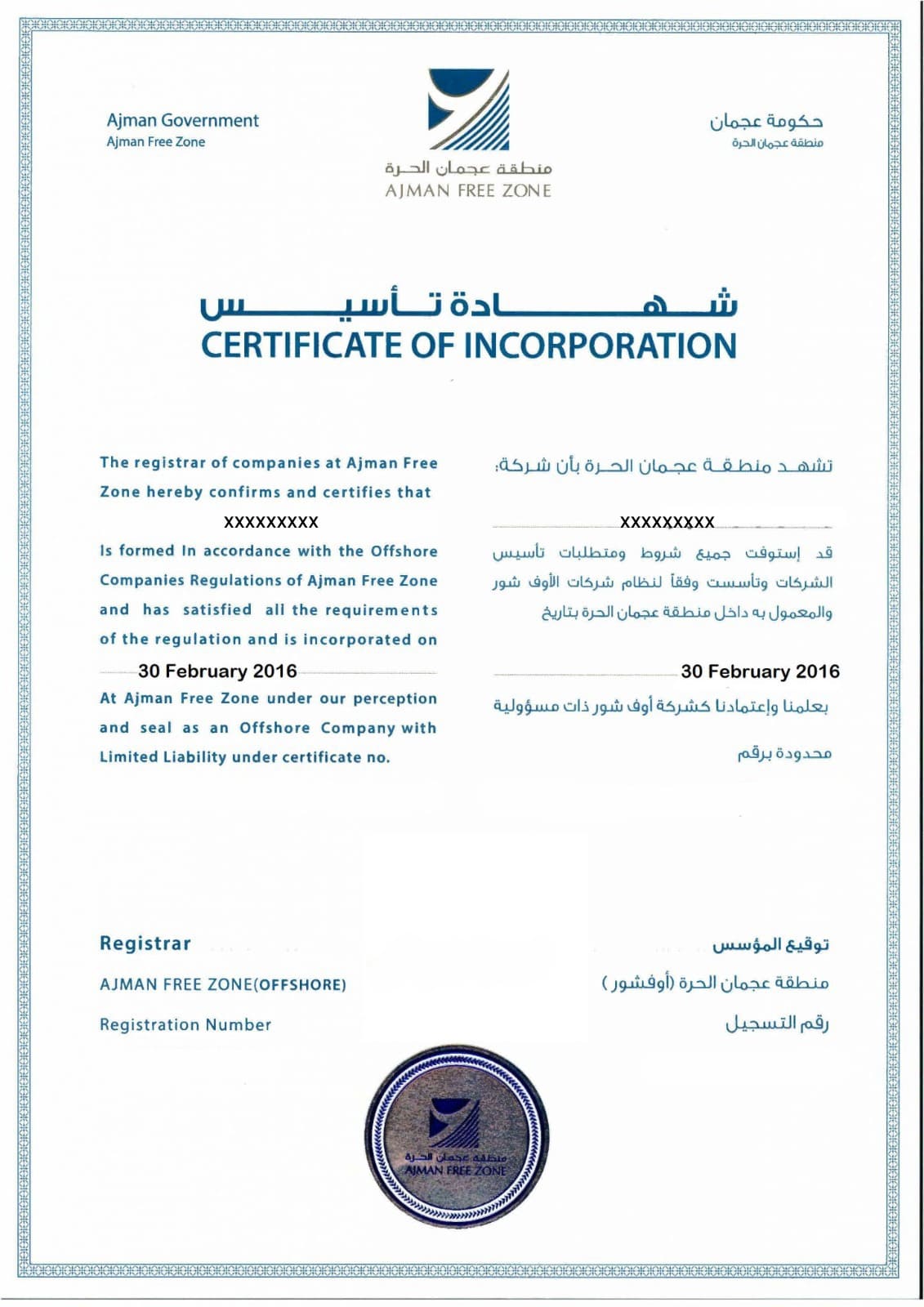
Dubai Company Registration Certificate
A Company Registration Certificate is a crucial document that validates your business's legal existence in Dubai. It confirms that your company has been officially registered with the relevant government authorities, allowing you to operate within the UAE's regulatory framework.
This certificate is essential for opening bank accounts, signing contracts, and obtaining licenses, making it a foundational step for any business in Dubai.
How to Download a Dubai Company Registration Certificate?
The specific steps to download a certificate will depend on which certificate you need. Here are common scenarios:
1. Corporate Tax Registration Certificate
- Visit the EmaraTax portal: Go to emaratax.gov.ae.
- Log in: Use your UAE Pass, email, and password.
- Navigate to Tax Registration: From the dashboard, go to the "Tax Registration" section.
- Select Corporate Tax: Choose "Corporate Tax" from the list of tax types.
- Locate your certificate: Under the "Documents" or "Certificates" tab, find your Corporate Tax Registration Certificate. Ensure the status is "Approved."
- Download: Click the "Download" button to save the PDF.
2. Trade License / Certificate of Incorporation
i) For mainland companies, this is typically issued by the Department of Economic Development (DED) in Dubai (now known as Dubai Economy and Tourism - DET).
- You usually receive a digital copy upon successful registration.
- You might be able to download it from their online portal (e.g., their e-services platform) if you have an account associated with your company.
- If you need a copy, you might need to apply for a "Document Service (extract, re-issue certificate, etc.)" through the relevant DED e-service or the Ministry of Economy's e-services, if applicable.
ii) For Free Zone companies, the certificate is issued by the respective Free Zone Authority (e.g., DMCC, JAFZA, DAFZA, etc.).
- Each Free Zone will have its online portal where you can access and download your company's documents, including the trade license or certificate of incorporation. You will need your login credentials for that specific free zone's portal.
3. VAT Registration Certificate
- Similar to the Corporate Tax certificate, you can usually download your VAT registration certificate from the EmaraTax portal (emaratax.gov.ae) by navigating to the VAT section.
4. Other Certificates (e.g., Ejari Certificate, Customs Certificates)
- For an Ejari Certificate, you can typically download it from the Dubai Land Department website (dubailand.gov.ae/en/eservices/download-ejari-certificate/) by entering your Ejari contract number, DEWA premise number, and municipality number.
- For Customs-related certificates (e.g., Client Clearance Certificate, VAT Registration Certificate for Customs), you would typically access the Dubai Customs e-services portal (dubaicustoms.gov.ae/en/eServices/ServicesForBusinesses/CertificatesReports/Pages/default.aspx).
How to Check the Status of Dubai Company Registration Certificate?
To check the registration status of a company in Dubai, you primarily use government online portals. There isn't one single "master" registry for all of the UAE, as companies are registered with different authorities depending on their legal structure and location (mainland vs. free zone).
Here are the ways to check a company's registration status:
1. Department of Economic Development (DED) / Dubai Economy and Tourism (DET)
A. For Mainland Companies:
- i) Visit the Dubai Economy and Tourism (DET) website.
- ii) Look for a "Search License Information" or "Trade Name Search" feature.
- iii) You can typically search by:
-
- Company Name
- License Number
- DED Activity Code.
- iv) This will show you the license validity, commercial activities, legal structure, and registration status (active, cancelled, etc.).
B. Free Zone Authority Portals - For Free Zone Companies:
- If you know the company is in a specific free zone (e.g., JAFZA, DMCC, Dubai Silicon Oasis, etc.), visit that Free Zone's official website.
- Many free zones have a "Public Register" or "Company Directory" where you can search for companies registered within that zone.
- You can usually search by company name or registration number.
- This will confirm if the company is registered, its status (active, dissolved, or pending dissolution), and basic details.
- Example for DIFC: difc.com/business/public-register.
C. National Economic Register (NER) - Ministry of Economy:
- The UAE's National Economic Register (u.ae/en/information-and-services/business/important-digital-services/national-economic-register) is an integrated platform that allows you to view business license details across various entities in the UAE.
- You can inquire about a business license by entering a business name, license number, or Economic Register number (CBLS).
D. Federal Tax Authority (FTA) - EmaraTax Portal:
- While primarily for tax registration, logging into the EmaraTax portal (emaratax.gov.ae) with your company's credentials will also show you the status of your Corporate Tax and VAT registrations.
Visas and Banking: Life After Registration for Entrepreneurs
Complete your company setup and receive your trade license from the relevant Dubai authority. Apply for your UAE residency visa, which allows you to legally live and work in the country.
Apply for Your UAE Investor/Partner Visa
As an owner or partner in a newly registered Dubai company, you are eligible to apply for a UAE Investor or Partner Visa. This visa allows you to legally reside and work in the UAE.
The Step-by-Step Visa Process for Indians
- Entry Permit (E-Visa): Once your company is registered, you apply for an entry permit (also known as an e-visa or immigration approval). This allows you to enter the UAE to complete the visa process. If you are already in the UAE on a visit visa, your status needs to be changed.
- Status Adjustment: If you entered on a visit visa, your status will be changed to an investor status.
- Medical Fitness Test: You will undergo a mandatory medical fitness test at an authorized government health center in the UAE. This typically includes blood tests for communicable diseases and a chest X-ray.
- Emirates ID Application: Concurrently, you will apply for your Emirates ID card, which is the official identification document for all UAE residents.
- Visa Stamping: Upon successful completion of the medical test and Emirates ID application, your investor/partner visa will be stamped in your passport. This typically grants a 2 or 3-year renewable residency.
Sponsoring Your Family and Employees
Once you have your investor visa, you can sponsor your family members (spouse, children, and sometimes parents) for their residency visas. Your company can also sponsor visas for your employees. The number of employee visas you can obtain often depends on your office space (for mainland companies) or your chosen free zone package.
The UAE Golden Visa for Entrepreneurs
The UAE offers a Golden Visa program, which is a long-term residency visa (5 or 10 years) for individuals who meet specific criteria, including entrepreneurs. For entrepreneurs, this often involves investing a certain amount in a local company (e.g., AED 500,000 for a 5-year visa or AED 2 million for a 10-year visa, or meeting specific business revenue/asset criteria). The Golden Visa provides greater stability and benefits, making it an attractive option for serious investors in Dubai.
Open a Corporate Bank Account in Dubai
Opening a corporate bank account is essential for managing your business finances in Dubai.
Choose the Right Bank for Your Business
Dubai has a robust banking sector with numerous local and international banks. Consider factors like:
- Minimum Balance Requirements: Many banks have high minimum monthly balance requirements for corporate accounts.
- Fees: Compare transaction fees, international transfer fees, and annual maintenance charges.
- Services Offered: Look for online banking, trade finance facilities, multi-currency accounts, and credit facilities.
- Reputation and Support: Choose a bank with a strong reputation and good customer service for businesses. Popular choices include Emirates NBD, Mashreq Bank, ADCB, HSBC, and Standard Chartered.
Common Challenges and How to Overcome Them
Indian entrepreneurs might face a few challenges when opening a corporate bank account:
- Stringent Due Diligence: UAE banks conduct thorough due diligence, requiring extensive documentation and background checks on shareholders and directors.
- Physical Presence: While some initial paperwork might be done remotely, the beneficial owner or an authorized signatory is usually required to be physically present in the UAE to sign bank account opening forms.
- Delays: The process can sometimes take several weeks due to compliance procedures.
How to overcome:
- Preparation: Have all required documents (trade license, MOA, shareholder passports, bank reference letters from India, detailed business plan) ready and attested.
- Professional Assistance: Engage a business setup consultant like RegisterKaro. We facilitate introductions to banks and guide you through the process, helping you compile the necessary information and improve your chances of a smooth account opening.
- Transparency: Be completely transparent about your business activities and source of funds to avoid delays.
Post-Registration Compliance: What You Need to Know
Company registration in Dubai is just the beginning. To ensure the longevity and legal standing of your business, it's crucial to understand and adhere to ongoing compliance requirements in the UAE.
Understanding Value Added Tax (VAT) in the UAE
The UAE introduced a Value Added Tax (VAT) at a standard rate of 5% in January 2018.
- VAT Registration Threshold: Businesses with taxable supplies and imports exceeding AED 375,000 (approximately Rs. 85 lakhs) in 12 months are mandatorily required to register for VAT with the Federal Tax Authority (FTA).
- Voluntary Registration: Businesses with taxable supplies and imports exceeding AED 187,500 can voluntarily register for VAT.
- VAT Returns: Registered businesses must file VAT returns and make payments to the FTA quarterly, typically by the 28th day following the end of the tax period.
- Record Keeping: Maintaining accurate financial records, sales invoices, and purchase records is essential for VAT compliance.
Navigating the New UAE Corporate Tax Law
As mentioned earlier, the UAE introduced a Corporate Tax law, effective for financial years starting on or after June 1, 2023.
- Applicability: Applies to all businesses and commercial activities conducted in the UAE, including mainland and free zone companies (with specific exceptions for qualifying free zone income).
- Tax Rate: 0% on taxable income up to AED 375,000 and 9% on taxable income exceeding AED 375,000.
- Registration: Businesses with revenues exceeding AED 3.75 million must register for Corporate Tax.
- Compliance: Companies need to maintain proper accounting records, prepare financial statements, and file annual Corporate Tax returns with the FTA.
Professional accounting services are highly recommended to ensure compliance with both VAT and Corporate Tax regulations after your company registration in Dubai.
Annual Auditing and Bookkeeping Requirements
To comply with local regulations, your business must adhere to the following annual auditing and bookkeeping requirements:
- Bookkeeping: All companies in the UAE are legally required to maintain proper accounting records for a minimum of five years. This includes ledgers, journals, invoices, and bank statements.
- Annual Audits:
-
- Mainland Companies: All mainland companies must undergo an annual statutory audit of their financial statements by a licensed auditor in the UAE. The audited financial statements must be submitted to the relevant authorities (e.g., DET) typically within four months of the end of the financial year.
- Free Zone Companies: Audit requirements vary significantly by free zone. While some free zones (like DMCC, JAFZA, DAFZA) mandate annual audits, others may offer exemptions for small businesses or specific company types. However, even if not mandatory, maintaining audited financials is often a good practice and required for bank financing or investor relations.
- IFRS Compliance: Financial statements in the UAE must generally comply with International Financial Reporting Standards (IFRS).
WPS (Wages Protection System) for Employee Salaries
The Wage Protection System (WPS) is an electronic salary transfer system mandated by the Ministry of Human Resources and Emiratisation (MOHRE) in the UAE.
- Purpose: WPS ensures that employee salaries are paid on time and in full, providing a transparent record of wage payments. It applies to both mainland and most free zone companies.
- Process: Employers must register with WPS, open a corporate bank account with a WPS-approved bank, and submit a monthly Salary Information File (SIF) through the system to disburse wages to employees' bank accounts.
- Compliance: Failure to comply with WPS regulations can result in significant fines and penalties. This system is crucial for ensuring fair labor practices and is a key post-company registration step in Dubai compliance for businesses with employees.
Why Should Indian Entrepreneurs Start a Business in Dubai?
Dubai offers Indian entrepreneurs a strategic gateway to global markets, supported by key advantages such as tax benefits, business-friendly regulations, and a robust economy. Registering with the Dubai commercial register ensures legal recognition and access to these growth opportunities.
1. A Gateway to Global Markets: Strategic Location and Connectivity
Dubai's geographical position is a game-changer for businesses aiming for global reach. Situated at the crossroads of major trade routes, it provides excellent connectivity through its world-class airports (like Dubai International Airport and Al Maktoum International Airport) and seaports (such as Jebel Ali Port).
This strategic location significantly reduces shipping times and costs for goods, making international trade incredibly efficient. For Indian entrepreneurs, this means easier access to vast consumer bases across the Middle East, Africa, and beyond. This strong logistical network makes company registration in Dubai a strategic move for any internationally focused venture.
2. The Tax Advantage: Understanding 0% Income Tax and New Corporate Tax Laws
One of Dubai's most compelling attractions for entrepreneurs is its favorable tax environment. The UAE has historically been known for its 0% personal income tax, meaning individuals keep all their earnings. This is a massive draw for business owners and employees alike.
Recently, the UAE introduced a Corporate Tax Law, effective for financial years starting on or after June 1, 2023. However, this is structured to remain competitive:
- A 0% corporate tax rate applies to taxable income up to AED 375,000 (approximately Rs. 85 lakhs). This benefits small and medium-sized enterprises (SMEs) significantly.
- A 9% corporate tax rate applies to taxable income exceeding AED 375,000.
- Many Free Zone companies, under specific conditions (maintaining adequate substance and deriving 'Qualifying Income'), can still enjoy a 0% corporate tax rate.
This tiered system ensures that the UAE remains highly attractive, especially for startups and growing businesses, by minimizing the tax burden on profits. When you consider the company registration fees in Dubai, the long-term tax benefits often outweigh the initial investment.
3. 100% Foreign Ownership: Full Control Over Your Mainland and Free Zone Company
A significant legislative reform in the UAE has revolutionized company registration in Dubai. Previously, mainland companies required a local Emirati sponsor holding 51% ownership. However, amendments to the UAE Commercial Companies Law now allow 100% foreign ownership in most sectors across the UAE mainland.
This means Indian entrepreneurs can set up their businesses with complete control, without needing a local partner for equity. Free Zones have always offered 100% foreign ownership, making them highly appealing. This change further empowers international investors, giving them full autonomy over their ventures in Dubai.
4. World-Class Infrastructure and a Thriving Indian Expat Community
Dubai boasts some of the most advanced infrastructure globally. This includes modern business parks, advanced communication networks, efficient transportation systems, and high-tech facilities across various sectors. This robust infrastructure supports seamless business operations and fosters innovation.
Furthermore, Dubai is home to a very large and thriving Indian expat community, which provides a familiar cultural environment, a strong talent pool, and a robust network for Indian entrepreneurs looking to start a business. This community support can be invaluable when navigating a new market after your company registration in Dubai.
5. Ease of Doing Business and Strong India-UAE Bilateral Ties
Dubai consistently receives high rankings in global "Ease of Doing Business" reports, thanks to its streamlined processes, transparent regulations, and pro-business government policies. The government is committed to reducing bureaucracy and accelerating business setup. Adding to this appeal are the exceptionally strong bilateral ties between India and the UAE.
Both nations share significant trade, investment, and cultural connections, formalized by agreements like the Comprehensive Economic Partnership Agreement (CEPA). These strong relations foster a trusting environment, making it easier for Indian entrepreneurs to understand and navigate the company registration in the Dubai landscape.
Connect with RegisterKaro and let our experts handle the legal hassle while you grow your business.
Frequently Asked Questions (FAQs)
Can I register a company in Dubai while I am in India?
You can complete most of the company registration process in Dubai online from India, with many Certifying Authorities and consultants offering virtual consultations and digital document submission. However, certain steps, like bank account opening or visa medical tests, may require your presence in the UAE. This makes Dubai company registration highly accessible for Indian residents.
Do I need a local Emirati sponsor for a mainland company?
No, for most business activities, you no longer need a local Emirati sponsor for a mainland company. Recent amendments to the UAE Commercial Companies Law (effective from June 2021) allow 100% foreign ownership for companies established on the Dubai mainland in most sectors. This change has significantly simplified company registration in Dubai for foreign investors.
How long does the entire company registration process take?
The duration for company registration in Dubai varies depending on the chosen jurisdiction (mainland or free zone), the complexity of your business activity, and how quickly you provide the required documents. Generally:
- Free Zone Company: Can be as quick as 2-5 working days for license issuance, especially with ready office solutions. The full process, including visa and bank account, might take 2-4 weeks.
- Mainland Company: Typically takes 1-3 weeks for license issuance, as it involves approvals from the Department of Economy and Tourism (DET) and Ejari registration. The full process, including visas and banking, could extend to 4-6 weeks.
Can I convert my Indian business into a Dubai-based company?
You cannot directly "convert" an existing Indian business into a Dubai-based company. Instead, you would establish a new company in Dubai as a separate legal entity. Many Indian businesses establish a Dubai entity to leverage the UAE's tax benefits, access to international markets, and ease of doing business, while their Indian operations continue. This involves a fresh company registration in Dubai process, including all the steps for document submission, legal structure, and license acquisition.
What is the minimum investment required to start a business in Dubai?
The minimum investment required to start a business in Dubai is highly variable and depends on several factors, including:
- Jurisdiction: Free Zone companies, particularly those offering virtual office or flexi-desk packages, generally have lower initial setup costs. Dubai free zone company registration fees can start from around AED 10,000 to AED 35,000 for a basic setup. Mainland companies typically require a physical office and higher license fees, often starting from AED 20,000 to AED 45,000.
- Business Activity: Some activities require higher share capital or additional approvals, increasing costs.
- Office Type: Physical offices are generally more expensive than virtual or flexi-desks.
- Number of Visas: Each visa (investor, employee) adds to the cost (medical tests, Emirates ID, stamping fees).
- Consultancy Fees: If you hire a professional service, their fees are part of the investment.
Can Foreigners Own 100% of a Business in Dubai?
Yes, foreigners can now own 100% of a business in Dubai’s mainland in most sectors, thanks to recent legal reforms. Additionally, 100% foreign ownership has long been allowed in Dubai’s Free Zones and Offshore companies, making it easier for foreign investors to control their businesses in the UAE.
Is a sponsor required for business setup in Dubai?
It depends on the type of business and its location. Mainland companies usually need a local sponsor or service agent, who may hold 51% ownership in certain structures. Free zone companies, however, allow 100% foreign ownership, so no sponsor is required. Choosing the right setup determines whether a local partner is necessary.

Reviewed by
Joel DsouzaJoel Dsouza is a Chartered Accountant (CA) and compliance expert with over 7 years of hands-on experience in company registration, tax structuring, GST, ROC filings, and MCA compliance. As a qualified member of the Institute of Chartered Accountants of India (ICAI) and Co-Founder at RegisterKaro, he has personally advised more than 1,000 startups and SMEs across India, helping founders navigate incorporation, regulatory frameworks, and financial planning from Day 1. With deep expertise across all three levels of Finance and Portfolio Management, Joel is committed to promoting financial literacy and simplifying India's startup ecosystem through clear, actionable guidance that entrepreneurs can act on immediately.
How Does RegisterKaro Simplify Company Registration in Dubai?
Navigating the complexities of company registration in Dubai can be challenging, especially for foreign investors. RegisterKaro acts as your trusted partner, simplifying every step of the process. We provide:
- Expert Consultation: Guiding you in defining your business activity and choosing the optimal legal structure and jurisdiction (Mainland, Free Zone, or Offshore).
- Document Preparation: Assisting with the drafting of the MOA, trade name reservation, and ensuring all documents are accurate and compliant.
- Liaison with Authorities: Handling all submissions and follow-ups with the Department of Economy and Tourism (DET) or relevant Free Zone Authorities on your behalf.
- Office Solutions: Connecting you with suitable office spaces, whether physical or virtual, and managing Ejari registration.
- Post-Registration Support: Helping with visa applications, bank account opening, and ongoing compliance requirements.
- Transparent Costing: Providing a clear breakdown of Dubai company registration fees upfront, so you know exactly what to expect.

What Our Clients Say
View All
GOPINATH G
 Verified
Best place to reach for registration. They make it fast and super easy. Not taken a too much calls, thanks to Om he is the one is helped me to get my... Read more

K.S. Trading Co.
VerifiedSneha Mishra has been handling our company’s GST filings and compliances with a high level of accuracy and professionalism. Her timely updates, clear... Read more

Sameeraja perumalla
VerifiedRegisterKaro really helped me finish all the formalities needed for establishing my company. My point of contact was Tripthi Jain and she ensured ever... Read more

Preetam R
VerifiedRashmi Shrivastava was very helpfull in taking care of my company compliance, she is an asset to the team. All the required things has been taken car... Read more

Prithika Fredric
VerifiedAkriti Gupta helped us in registering our startup. Thanks for sending us timely updates and ensuring everything went smoothly. We truly appreciate you... Read more

vaibhav shahi
VerifiedI registered my new company through Register Karo. They helped me a lot and specially Mr. Aerk Singh helped me a lot in all aspects and get my work do... Read more

SUMIT YADAV
VerifiedI had an excellent experience with the ICEGATE registration process. Rahul handled the entire process professionally, completed it on time, and ensure... Read more

raviteja kanugu
VerifiedAm truly satisfied with Registerkaro team and They've got exceptionally skillful and talented team ( especially "kuldeep " from registerkaro has been... Read more

Pawan Sharma
VerifiedI had a great experience with RegisterKaro. The entire registration process was smooth, quick, and well-managed. Their team was professional, responsi... Read more

Naman Mahendroo
VerifiedI'm seriously impressed with RegisterKaro's service, especially how rapidly they handled the registration. Himanshi Kalra is a superstar in getting th... Read more
Related Blogs
View All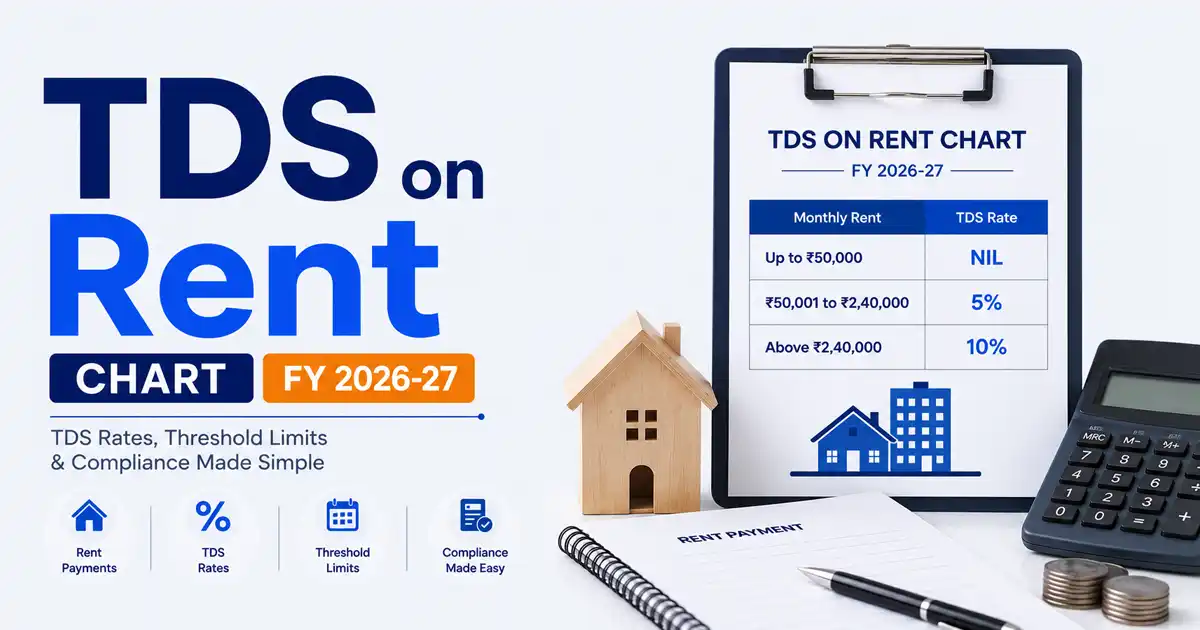
TDS on Rent Chart FY 2026 27 – Rates, Limits, Sections and Complete Guide

GST on Bikes in India: New Rates by Engine Capacity

GST for Electrical Items in India: Rates & HSN Codes

GST on Cars in India 2026: New Rates, Slabs & Impact

GST on Car Insurance in India: Rate, ITC, and Latest Rules

GST on Vehicle Insurance in India: Rate, ITC & Rules
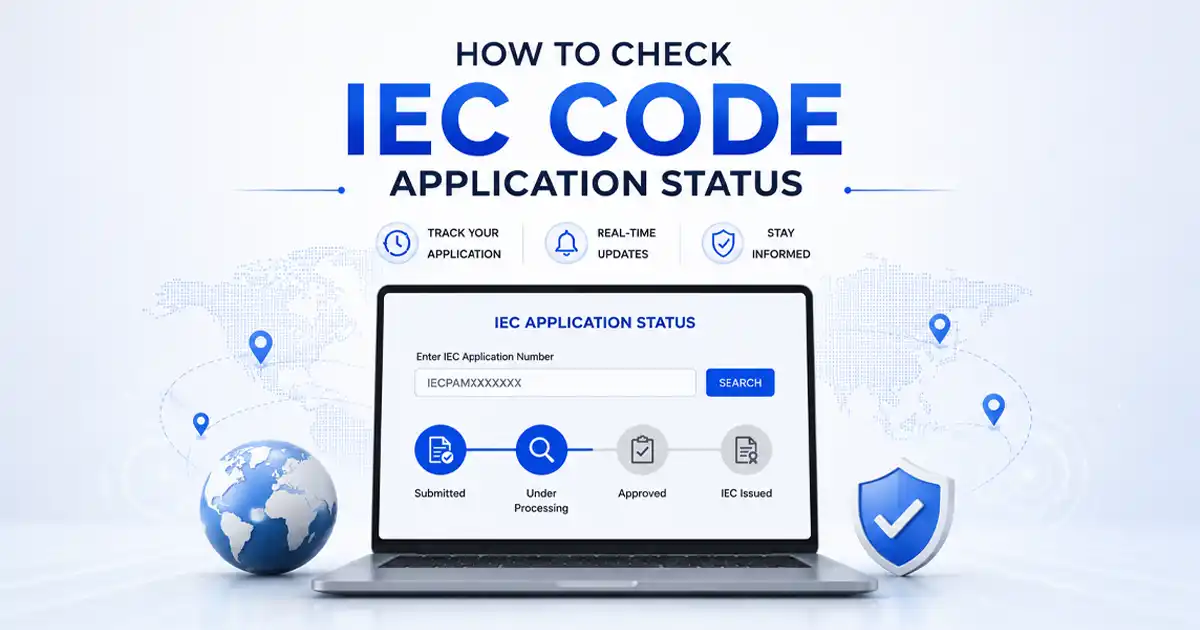
How to Check IEC Code Application Status Online on DGFT Portal

Difference Between Brand and Trademark in India
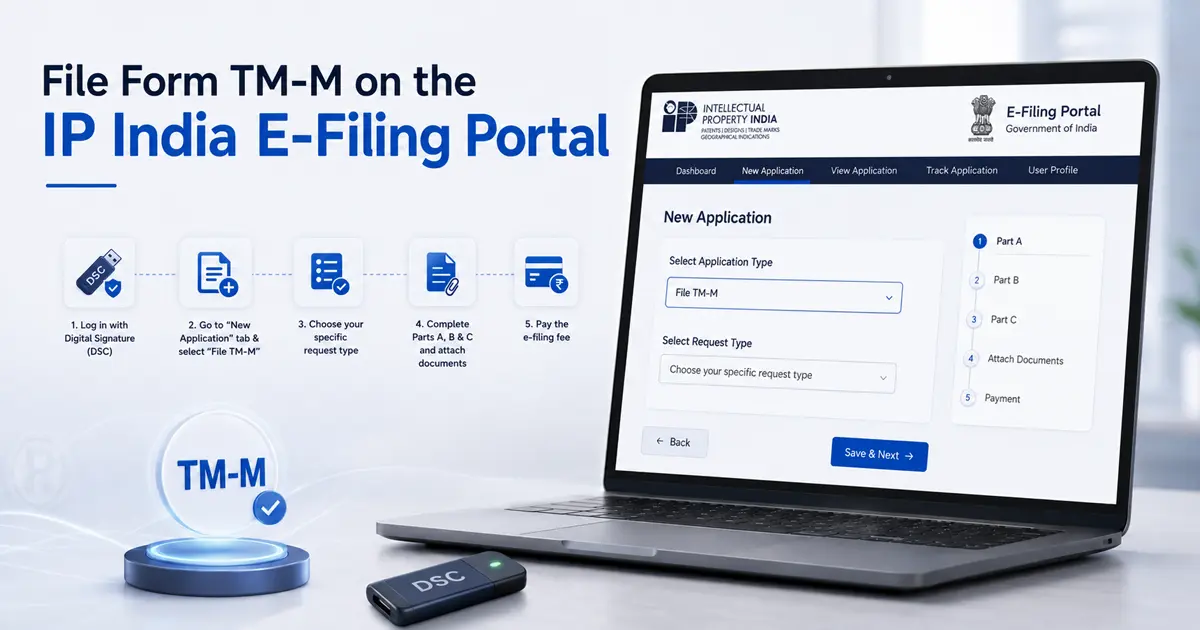
How to File Trademark Form TM-M: Purpose, Fees & Process

Design Registration Fees in India: 2026 Cost Breakdown