Environmental Audit Services for Businesses in India
Get expert environmental audit services in India with RegisterKaro. Ensure compliance, reduce risks, and meet sustainability goals through certified audits, legal support, and actionable insights.
 Audit Planning & Scope SetupDocument Review & Site ChecksCertified Auditor CoordinationLegal & EMS Compliance SupportCorrective Action Assistance

 What Sets Us ApartWhat Sets Us Apart
What is an Environmental Audit?
An environmental audit is a structured, periodic, and impartial review of an organization's operations. Its primary goal is to evaluate environmental performance, ensure adherence to legal standards, and support the company's Environmental Management System (EMS).
It is essential for finding and evaluating environmental issues and starting corrective actions that follow environmental laws, regulations, and internal environmental policies and procedures. Additionally, it is used to evaluate the effectiveness of current environmental management systems and to introduce new initiatives or corrective strategies to enhance the organization’s or industry’s overall environmental performance.
Types of Environmental Audit
Environmental audits are generally categorized into three main types: compliance, management system, and functional audits.
1. Compliance Audits
These audits primarily aim to verify an organization's adherence to all relevant environmental laws, regulations, permits, and other legal mandates. The core objective is to determine if the organization is fulfilling its legal responsibilities concerning environmental protection.
2. Management System Audits
These audits are designed to evaluate the effectiveness of an organization's environmental management system (EMS), frequently benchmarked against standards such as ISO 14001. They examine how effectively the EMS is structured, implemented, and maintained to control environmental risks and impacts.
3. Functional Audits
These audits concentrate on appraising the environmental performance and compliance of specific functions, processes, or activities within an organization. For instance, a functional audit could scrutinize a particular manufacturing process, a waste management system, or energy usage patterns.
Why is Environmental Audit Important for Businesses?
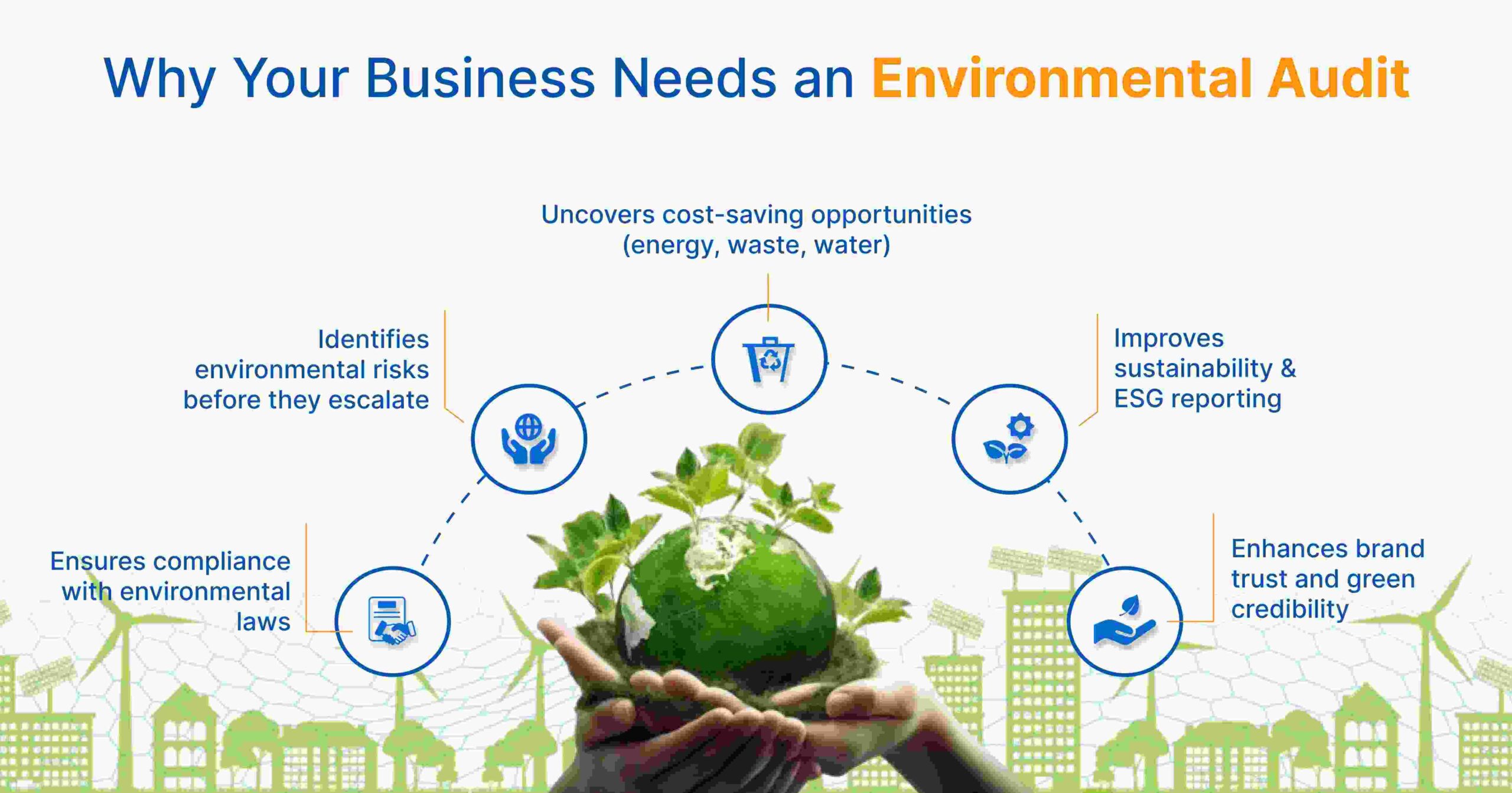
Environmental audits are vital for businesses, helping them ensure compliance with regulations, identify potential risks and liabilities, and show a commitment to sustainability.
1. Ensuring Compliance
Audits help businesses understand and adhere to current environmental laws while also anticipating future standards, preventing both immediate fines and future compliance issues.
2. Identifying and Mitigating Risks
Audits help businesses pinpoint potential environmental hazards, like pollution or waste management issues, before they escalate into major problems.
By addressing identified risks, businesses can decrease the likelihood of accidents, environmental damage, and the associated financial and legal repercussions.
3. Enhancing Reputation and Stakeholder Relations
Demonstrating a commitment to environmental responsibility through audits can enhance a company's reputation and build trust with customers, investors, and the public.
A positive environmental record can be a valuable asset, attracting environmentally conscious customers and investors.
4. Improving Operational Efficiency and Cost Savings
Audits can reveal areas where businesses can reduce energy consumption, waste generation, and resource usage, leading to cost savings. For example, an audit might reveal that switching to LED lighting and fixing compressed air leaks could save a manufacturing plant thousands of dollars annually in energy costs.
Identifying and addressing waste management inefficiencies can lower disposal fees and related expenses.
5. Promoting Sustainability
Audits help businesses establish measurable environmental objectives and track their progress toward sustainability goals.
By regularly assessing their environmental performance, businesses can identify areas for ongoing improvement and enhance their sustainability practices.
How is an Environmental Audit Done?
An environmental audit is a systematic process for evaluating an organization's environmental performance and its adherence to relevant regulations.
1. Planning and Preparation
- Define Scope and Objectives: Determine the specific areas, processes, and activities to be audited, along with the audit's goals (e.g., assessing compliance, identifying improvement opportunities).
- Assemble the Audit Team: Select qualified individuals with the necessary expertise to conduct the audit, assigning specific roles and responsibilities.
- Develop an Audit Plan: Establish a timeline with key milestones, create checklists, and gather relevant documents such as environmental policies, permits, and previous audit reports.
- Notify Stakeholders: Inform management and relevant personnel about the audit's scope, objectives, and schedule to ensure their cooperation and support.
- Arrange Logistics: Ensure the audit team has the necessary resources, including access to facilities, documentation, and personnel for interviews.
2. Conducting the Audit
- Review Documents: Examine relevant environmental policies, compliance records, training reports, monitoring data, and other pertinent documents.
- Site Inspection: Conduct on-site visits to assess operations, identify potential environmental hazards, and observe compliance with regulations.
- Interviews: Conduct interviews with personnel involved in environmental management and operations to gather information and assess their understanding of procedures and responsibilities.
- Sample Collection: Collect samples of air, water, or waste materials for analysis, if necessary, to assess pollution levels and compliance with standards.
3. Analyzing Findings and Reporting
- Evaluate Data: Analyze the collected data and information to identify areas of non-compliance, potential risks, and opportunities for improvement.
- Prepare a Report: Compile a comprehensive audit report that outlines findings, recommendations for corrective actions, and areas for improvement.
- Close-out Meeting: Conduct a meeting with management and relevant stakeholders to discuss the findings, recommendations, and proposed corrective actions.
4. Follow-up
- Develop a Strategy: The organization should develop a plan to address the recommendations and implement corrective actions outlined in the audit report.
- Monitor Progress: Regularly monitor the implementation of corrective actions and assess the effectiveness of the environmental management system.
What is Checked in an Environmental Audit?
During an environmental audit, auditors examine several key areas to provide a complete picture of a company's environmental footprint.
1. Compliance with Environmental Regulations
Auditors confirm whether the organization adheres to all pertinent environmental laws, regulations, and permits. This involves checking for appropriate handling and disposal of hazardous materials, monitoring emissions, and managing waste.
2. Effectiveness of the Environmental Management System (EMS)
The audit evaluates the EMS to ensure it is properly implemented and functioning effectively. This includes assessing the organization's policies, procedures, training programs, and internal audits. The goal is to identify gaps and areas where the EMS can be fortified to enhance environmental performance.
3. Environmental Performance
The audit assesses the organization's environmental performance across various areas:
- Energy and Resource Usage: Auditors evaluate the efficiency of energy consumption, water usage, and resource utilization.
- Waste Management: They assess the organization's waste generation, recycling, and disposal practices.
- Emissions: Auditors examine air and water emissions, including greenhouse gas emissions and other pollutants.
- Environmental Impact: They assess the overall impact of the organization's activities on the environment, including potential risks and hazards.
4. Areas for Improvement
By identifying areas of non-compliance and inefficiencies, the audit assists organizations in developing targeted strategies and initiatives to lessen their environmental impact and bolster sustainability. The audit findings can be utilized to craft action plans for improvement, set environmental targets, and track progress over time.
What is the Difference Between an Environmental Audit and an EIA?
Environmental Audit and Environmental Impact Assessment (EIA) are both crucial tools for environmental management, but they serve different purposes and are conducted at different stages.
Here's a breakdown of their key differences:
| Feature | Environmental Audit | Environmental Impact Assessment (EIA) |
| Purpose | To evaluate past and current environmental performance, ensure compliance with existing regulations, and identify areas for improvement. | To predict and assess the potential environmental impacts of a proposed project before it is implemented. |
| Timing | Conducted on existing operations, facilities, or activities. Typically, a periodic review. | Conducted before a new project, plan, or policy is approved and implemented (during the planning/design phase). |
| Focus | Retrospective (looking back) and present-day assessment of actual environmental practices and compliance. | Prospective (looking forward) assessment of potential future environmental effects. |
| What it checks | Adherence to environmental laws, regulations, permits; effectiveness of environmental management systems (EMS); actual environmental performance (e.g., waste generation, emissions, resource use). | Significant environmental, social, and economic impacts of a proposed development; identifies mitigation measures to reduce adverse impacts. |
| Output | Audit report detailing findings (compliance/non-compliance), risks, and recommendations for corrective actions and improvements. | EIA report (or Environmental Impact Statement - EIS) outlining predicted impacts, proposed mitigation measures, and alternatives to the project. |
| Goal | To ensure ongoing environmental responsibility, prevent penalties, enhance reputation, and improve operational efficiency. | To inform decision-makers, promote sustainable development, and avoid or minimize environmental damage at an early stage. |
| Mandatory/Voluntary | Can be mandatory (e.g., legally required periodic audits) or voluntary (e.g., part of an organization's internal EMS). | Often a mandatory legal requirement for certain types and scales of projects. |
What is an Environmental Certification Audit?
A certification audit is a formal assessment conducted by an independent third party to verify that an organization's processes meet the requirements of a specific standard (e.g., ISO 14001).
Structure of an Environmental Certification Audit Report
A typical certification audit report includes the following parts:
- Report Title: Clearly shows that the document is a certification audit report.
- Introductory Paragraph: Gives a short explanation about why the audit was done and what was covered.
- Scope of the Audit: Describes what areas, systems, or departments were included in the audit.
- Audit Objectives: Lists what the audit was trying to achieve, like checking if the company follows a certain standard or finding areas that need improvement.
- Audit Methodology: Explains how the audit was carried out, including steps like reviewing documents, talking to staff, and visiting the site.
- Key Findings: Shares the main things the auditor noticed—both good practices and problems (non-conformities).
- Evidence to Support Findings: Gives clear examples or documents that support each point made in the findings.
- Impact of Findings: Describes how the problems found could affect the company or its processes.
- Conclusions: Summarizes the auditor’s opinion on whether the company meets the standard.
- Recommendations: Suggests what the company can do to fix the issues found and improve its systems.
- Actionable Suggestions: Provides simple and practical steps the company can follow to apply the recommendations and move towards getting certified.
- Auditor’s Name and Signature: Shows who carried out the audit and prepared the report.
Connect with RegisterKaro and let our experts handle the legal hassle while you grow your business.
Frequently Asked Questions (FAQs)
What Types of Businesses Need an Environmental Audit?
−Environmental audits are beneficial for a wide range of businesses, particularly those with significant environmental impact or regulatory obligations. This includes manufacturing units, chemical industries, power plants, waste management facilities, construction companies, agricultural operations, and even large commercial establishments.
How Long Does an Environmental Audit Take?
+What Happens if Deficiencies are Found in the Audit?
+Can Common People Also Get an Environmental Audit for Their Homes?
+What is the Primary Purpose of an Environmental Audit?
+What are the Different Types of Environmental Audits?
+Who Conducts Environmental Audits?
+What are the Benefits of Conducting Regular Environmental Audits?
+Is an Environmental Audit a Legal Requirement for All Businesses in India?
+How Can an Environmental Audit Help in Achieving ISO 14001 Certification?
+What Information or Documents are Required for an Environmental Audit?
+How Does an Environmental Audit Differ from an Environmental Impact Assessment (EIA)?
+What is the Role of an Environmental Auditor?
+Can an Environmental Audit Lead to Cost Savings?
+How Often Should an Environmental Audit be Conducted?
+
Reviewed by
Joel DsouzaJoel Dsouza is a Chartered Accountant (CA) and compliance expert with over 7 years of hands-on experience in company registration, tax structuring, GST, ROC filings, and MCA compliance. As a qualified member of the Institute of Chartered Accountants of India (ICAI) and Co-Founder at RegisterKaro, he has personally advised more than 1,000 startups and SMEs across India, helping founders navigate incorporation, regulatory frameworks, and financial planning from Day 1. With deep expertise across all three levels of Finance and Portfolio Management, Joel is committed to promoting financial literacy and simplifying India's startup ecosystem through clear, actionable guidance that entrepreneurs can act on immediately.
Why Choose RegisterKaro for the Environmental Audit Services?
When it comes to safeguarding your business's environmental compliance and sustainability, choosing the right partner for an environmental audit is crucial.
- Our Expertise: Our team is well-versed in both national and industry-specific environmental laws, helping you navigate complex regulations with ease. We don’t just assess, we anticipate risks before they become problems.
- Simple and Fast Service: Time is money. That’s why we simplify the entire audit process, from documentation to on-site evaluations, ensuring quick turnarounds without compromising quality.
- Complete Support and Guidance: From pre-audit preparation to actionable post-audit recommendations, we stand with you at every stage, offering clear insights and strategic support for better environmental performance.
- Reliable and Compliant: We maintain the highest audit standards with full transparency. Our reports are thorough, unbiased, and designed to help your business stay 100% compliant with the latest environmental norms.

What Our Clients Say
View All
Himanshu Kuche
 Verified
I had the pleasure of working with Nancy, a customer executive at RegisterKaro, for my company incorporation and GST filing, and I am extremely satisf... Read more

NIkheel Joshi
VerifiedI am extremely grateful to Aryan Singh for his exceptional guidance and support throughout the company incorporation process through Register Karo. Hi... Read more

Gungun Singh
VerifiedI am extremely grateful to Satyapriya Tripathi for his exceptional guidance and support throughout the process through Register Karo. His expertise an... Read more

Charles Finney (Neur...
VerifiedI had a fantastic experience with RegisterKaro when registering my company as an LLP. Their team was incredibly helpful and knowledgeable throughout t... Read more

Himaja Sree Tanneeru
VerifiedI had an amazing experience with RegisterKaro while opening my LLP. From the initial consultation to the final registration, their team was profession... Read more

Shahid ul islam
VerifiedGetting a company incorporated can often be overwhelming, but my experience was completely different thanks to Prayansh Jindal. He made the entire jou... Read more

Kapil Goyal
VerifiedRegisterKaro has been managing my GST filings for the past 6 months, and everything has been filed on time without any delays. Swapnil has been highly... Read more

Ejaz Anwar Rahamatul...
VerifiedRegisterKaro is the go to place if you want to register your company in a hassle free manner and at competitive rates. In the team of RegisterKaro the... Read more

Swaraj Chakraborty
VerifiedRegisterKaro has been managing my GST filings for the past 6 months, and everything has been filed on time without any delays. Swapnil has been highly... Read more

Richa Sinha
VerifiedI recently had the pleasure of working with Registerkaro.com for the incorporation of my company, Ecotwist Innovation Pvt. Ltd., and I couldn’t be mor... Read more
Related Blogs
View All
How to Obtain CPCB EPR Registration?

What is Scoping in Environmental Impact Assessment?

Key Components of Environmental Impact Assessment

Different Types of Environmental Impact Assessment

How to Write an Environmental Impact Assessment Report
How Much Does Environmental Impact Assessment Cost?

The Stages of Environmental Impact Assessment Explained

Must-Have Documents for Haryana Water Resource Authority NOC

Effluent Standards for the Pharmaceutical Industry: A Detailed View

Navigating the Pollution Control Certificate Application Process
Featured In