


While shopping, you naturally choose brands you trust, such as Nike or Puma, without thinking twice. This happens because such brands have built a strong reputation for quality and reliability. A well-known trademark does exactly this: it creates a distinct identity for a business and leaves a lasting impression on consumers.
Well-known trademarks are considered important in India because they receive broader legal protection. Even if someone tries to use a similar mark for unrelated goods or services, the law safeguards the brand’s reputation. This prevents unfair competition and brand dilution in the market.
In this article, you will learn what a well-known trademark is, the criteria for recognition in India, and the rights it offers. This blog will also provide information on how businesses can enforce and protect such trademarks.
What is a Well‑Known Trademark? Definition & Importance
The public widely recognizes a well-known trademark as representing a specific business. Its strong reputation often covers goods or services beyond its original category, giving it greater legal protection than ordinary trademarks.
Section 2(1)(zg) of the Trade Marks Act, 1999, defines a well-known trademark in India. It states that the public in India has recognized the mark and associates it with particular goods or services.
Unlike ordinary trademarks, the law protects well-known marks across different goods or services. Ordinary trademarks receive protection only within the specific class or category for which businesses register them.
What Factors Determine a Well-Known Trademark?
Key factors that determine whether a trademark qualifies as well-known in India are:
- Geographic scope: Recognition can be national or regional. A trademark recognized only in a small area may not qualify as well-known nationwide.
- Class protection: Well-known trademarks often receive protection across multiple classes of goods and services, not just the ones they are registered in.
- Degree of reputation: Courts and authorities consider factors such as duration of use, market share, advertising, and public recognition to determine if a trademark qualifies as well-known.
Importance of Protection of Well‑Known Trademarks in India
Well-known trademarks play a critical role in protecting strong and trusted brands. Their recognition gives businesses legal and commercial advantages. Below describes the key benefits of getting a well-known trademark protection:
- Enhanced legal protection: Brands like Nike or Apple enjoy stronger legal protection as well-known trademarks. Courts and authorities can take stricter action against trademark infringement of well-known brands. They can stop the sale of counterfeit products and block trademark registrations that attempt to exploit the brand’s goodwill. This level of protection is much higher than that for ordinary trademarks.
- Nationwide and cross-category protection: The law protects well-known trademarks across multiple classes of goods and services. For example, Apple protects its brand not only for electronics but also for accessories, software, and services. This broad protection stops others from using the brand without authorization in different sectors.
- Brand value and competitive advantage: Recognition as a well-known trademark boosts a brand’s reputation and consumer trust. It helps companies like Puma maintain a competitive edge, ensuring their products stand out in a crowded market. It also discourages rivals from taking advantage of the brand’s goodwill.
Overall, well-known trademarks act as powerful legal tools. They protect brand goodwill, support market leadership, and ensure brand recognition across the market.
Legal Framework for Well-Known Trademark in India
India has a clear legal framework that governs the recognition and protection of well-known trademarks. The Trade Marks Act, 1999, and the Trade Marks Rules, 2017, together define how such trademarks are identified and protected.
1. Trade Marks Act, 1999
The Trade Marks Act, 1999, contains the following provisions that deal with well-known trademarks:
- Section 2(1)(zg) defines a well-known trademark based on its reputation and public recognition in India.
- Section 11(2) restricts registration of similar marks, even for unrelated goods or services.
- Section 11(6) sets criteria for well-known status, including public awareness, use, promotion, reach, and past registrations.
- Section 11(8) states that once a court or the Registrar recognizes a trademark as well-known, it receives protection across all classes of goods and services.
- Section 11(9) clarifies that a trademark does not need registration or actual use in India to qualify as well-known. Reputation and recognition alone can support the claim.
- Section 11(10) requires authorities to protect well-known trademarks from misuse that could harm their reputation.
- Section 29(4) deals with infringement of well-known trademarks in cases involving dissimilar goods or services.
- Section 29(9) explains that infringement can occur through any means. It includes spoken use, visual representation, or any other form that creates confusion.
The above discussion highlights that Section 11 of the Trademark Act is a key provision for protecting well-known trademarks in India.
2. Trade Marks Rules, 2017
The Trade Marks Rules, 2017, introduced a structured process for recognizing well-known trademarks. Earlier, courts or trademark authorities usually granted recognition through decisions or opposition proceedings.
The Rules now allow trademark owners to apply directly for recognition by filing a TM-M application. This formal procedure brought clarity, transparency, and consistency to the process. Once authorities recognize the mark, the Trademark Registry includes it in the official list of well-known trademarks.
New rules and regulations have streamlined the recognition process, making the trademark protection stronger for well-known brands.
Trademark Case Stories of Global Well-Known Brands
The Trademark Registry in India recognizes both global and domestic brands in the Indian market to prevent potential misuse. Several prominent brands have received protection as well-known trademarks in India due to their widespread recognition and reputation. Some of them are:
Popular Global Brands: Well-Known Trademark Cases
Laws across the world have protected globally recognized brands from misuse by domestic or local brands. The following cases highlight how courts safeguard their trademark rights:
1. Coca-Cola’s Contour Bottle Trademark Fight in Japan
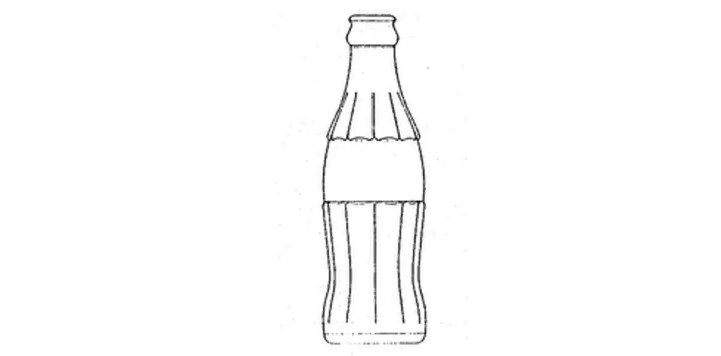
A recent example of Coca-Cola protecting its well-known trademark involves its contour bottle design in Japan. For many years, Coca-Cola sought official recognition and registration of its iconic bottle shape in Japan, highlighting its long history and global recognition. In 2025, a Japanese court ruled in favor of Coca-Cola. The court stated that the unique shape has been used by Coca-Cola consistently since 1916 and is widely recognized by consumers.
This decision strengthened protection for the bottle’s shape and made it harder for imitators to exploit its reputation without permission.
2. Nike, Inc. v. MSCHF Product Studio, Inc. (United States, 2021)

This is a recent and well-known global case involving Nike. MSCHF released “Satan Shoes” by modifying Nike Air Max shoes and selling them under a new name. Nike did not authorize this use. MSCHF argued that it was an artistic project and not trademark infringement.
The court rejected this defence. It held that Nike’s Swoosh logo and shoe trade dress are well-known trademarks with strong consumer recognition. The use could confuse consumers into believing Nike endorsed the product. The court granted a temporary restraining order and forced MSCHF to stop sales and recall the shoes.
Case Examples of a Well-Known Trademark from India
Indian courts have recognized and protected well-known trademarks to prevent their misuse. The following brands appear in the list of well-known trademarks in India. They have received court protection in unique cases due to their special status and recognition.
1. Bajaj Electricals Ltd. v. Metals & Allied Products (Delhi High Court)

In this case, Bajaj successfully established itself as a well-known trademark before the Delhi High Court. The defendant used the name “Bajaj” for unrelated goods. They argued that the products were different, so no infringement existed.
The court rejected this argument. It held that Bajaj is a household name in India with a strong reputation built over decades. The court observed that the brand enjoys deep consumer trust across the country.
2. In Haldiram India Pvt. Ltd. v. Berachah Sales Corporation & Ors.

Haldiram filed a suit in 2019 after a company in Haryana used the name “Haldiram Bhujiawala” on goods such as ghee, salt, rice, and flour without permission. The defendant argued that the products were different, so no infringement occurred. The court rejected this defence.
The court held that Haldiram has been used since the 1940s. The brand has widespread consumer recognition across India and beyond. It ruled that even use in respect of different products could mislead consumers and dilute brand goodwill. The court permanently stopped the infringer from using the mark and ordered the infringer to pay damages of Rs. 50 lakh.
Difference Between Well-Known and Registered Trademarks
The table below highlights the key differences between a registered trademark and a well-known trademark under Indian trademark law:
| Aspect | Registered Trademark | Well-Known Trademark |
| Protection scope | Limited to the registered class and territory | Protection across multiple classes and a wider territory |
| Requirement | Formal registration with the Trademark Registry | Legal recognition based on a strong reputation and public awareness |
| Infringement risk | Protection applies mainly within the same class | Broad protection, even against unrelated goods or services |
In short, a registered trademark protects a brand within defined limits. On the other hand. A well-known trademark receives wider legal protection due to its strong reputation and consumer recognition.
Filing Process of TM-M Form: How to Obtain Well-Known Trademark Status?
The applicant must file the TM-M form online to secure official recognition as a well-known trademark. The form can be filed through the official IP India Trademark Registry portal online.
Documents and details required:
- Proof of trademark use, such as registration certificates or invoices
- Details showing how long and where the trademark is used
- Advertising and marketing materials that show brand promotion
- Evidence of public recognition, like media coverage or awards
- Copies of court orders or enforcement records, if available
Steps to follow:
- Log in to the IP India Trademark Registry website (ipindiaonline.gov.in).
- Select Form TM-M under trademark-related services.
- Upload supporting documents and pay the government fee.
- Submit the application for examination by the Registrar.
Timeline
- After filing, the Registrar reviews your application. There’s no fixed statutory deadline, but it can take several weeks or months, depending on workload and completeness of your evidence.
- A 30‑day window is typically given for public objections.
- After considering objections and responses, the Registrar decides on your application. The timeline varies, but the entire process can take a few months.
The government fee for filing a TM-M application for a well-known trademark is Rs. 1,00,000. This fee applies to each trademark protection.
The Registrar reviews the application and may request additional information. If the evidence proves wide public recognition, the registry adds the mark to the official list of well-known trademarks in India.
Challenges and Practical Tips to Prove Trademark Credibility
Being recognized as a well-known trademark is valuable, but achieving this status comes with challenges.
Difficulty of proving public recognition: Courts and the Trademark Registry require clear evidence that a brand is widely known among the public. Startups and smaller businesses often find it challenging to demonstrate nationwide recognition or a long-standing reputation.
Tips to build evidence for a well-known status:
- Maintain records of sales, market share, and geographic reach.
- Keep advertising and promotional materials showing brand visibility.
- Collect media coverage, awards, or industry recognitions.
- Preserve documentation of past legal actions or enforcement efforts.
How startups & SMEs can plan a branding strategy:
- Focus on building a strong brand identity from the start.
- Use consistent branding across products, packaging, and online presence.
- Promote the brand actively to increase public awareness.
- Consider filing for trademark registration early to establish legal rights.
By carefully documenting usage and building consumer trust, businesses can strengthen their case for well-known trademark recognition in the future.
RegisterKaro’s team specializes in guiding businesses through the process of protecting well-known trademarks in India. From evaluating your brand’s eligibility to preparing evidence, filing Form TM‑M, and developing a long-term brand protection strategy. Contact RegisterKaro today for expert guidance and to streamline operations.
