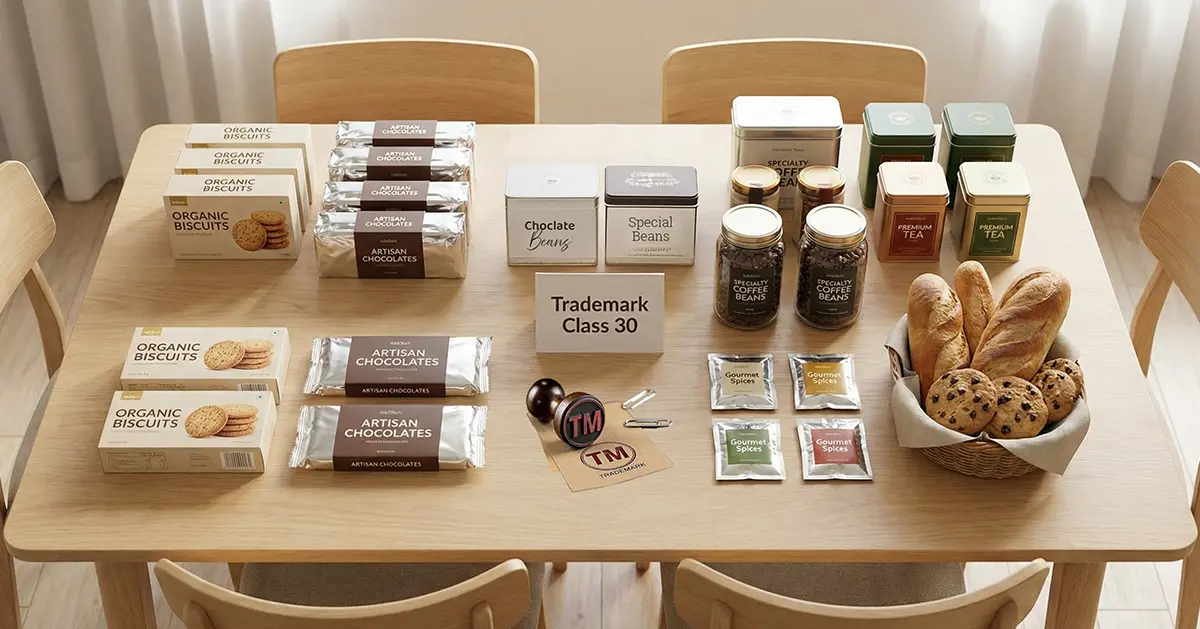
A Trademark Class 30 is a category under the international trademark classification system (NICE Classification). It covers food and beverage products primarily made from cereals and other related consumables. The trademark class 30 in India ensures that your trademark is protected under your particular business category.
The NICE classification system, based on the Nice Agreement of 1957, groups trademarks into 45 classes. Each class covers a specific category of goods or services, as described below:
- Class 1–34: Goods
- Class 35–45: Services
150 countries, including India, follow this system. It ensures uniform and easier trademark management across the world. It ensures that no other business can legally use a similar brand name for the same type of goods under this class.
What is a Trademark Class 30?
NICE classification of trademark class 30 states the following products:
“Coffee, tea, cocoa and artificial coffee; rice; tapioca and sago; flour and preparations made from cereals; bread, pastries and confectionery; edible ices; sugar, honey, treacle; yeast, baking-powder; salt; mustard; vinegar, sauces (condiments); spices; ice (frozen water).”
In India, trademarks are governed by the Trademark Act, 1999. The registry that administers the trademarks is overseen by the Controller General of Patents, Designs and Trade Marks (CGPDTM).
Under Trademark Class 30, a trademark can be a brand name, logo, symbol, shape, color combination, or any other unique sign that identifies your brand. The products protected under this category are food and beverages such as cereals, confectionery, spices, sauces, and frozen desserts.
While planning to register a trademark under this class, the applicant must specify that it applies to Class 30 goods. This additional step helps to ensure exclusive rights and legal protection for these products.
What Products are Covered Under Trademark Class 30: Detailed List
Trademark class 30 mainly covers food items of plant origin, packaged food, and related edible preparations. Let’s have a look at the detailed list of items it covers:
1. Beverages & Drinkables
The beverages and drinkables included in Class 30 are:
- Beverages with a coffee base: Coffee, instant coffee, or coffee-based drinks.
- Beverages with a tea base: Tea, tea-based drinks.
- Tea Substitutes: Herbal infusions (chamomile tea, mint tea, hibiscus, lemongrass), Grain-based beverages (barley tea, corn tea), Fruit-based infusions (berry blends, citrus peel teas), Spiced brews (masala herbal blends without real tea leaves), Plant-based drinks.
- Coffee Substitutes: Chicory-based beverages, Grain-based, Malt coffee, Herbal coffee blends, Caffeine-free coffee blends.
- Beverages with a cocoa or chocolate base: Cocoa, chocolate drinks, cocoa-based beverages (non-alcoholic), etc.

2. Cereals, Grains, Flours & Preparations from Cereals
Cereals, grains, flours, and their preparations cover a wide range of edible products protected under trademark law. Here’s a detailed breakdown of what the trademark classification 30 covers under this category:
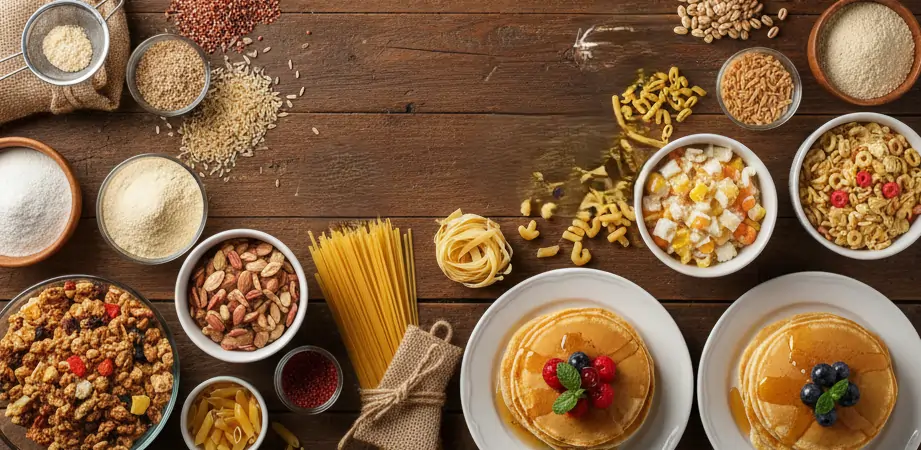
a. Cereals
Those products that are not raw but treated for direct consumption:
- Breakfast cereals (cornflakes, muesli, granola clusters)
- Puffed, flaked, or roasted cereals (puffed wheat, choco flakes)
- Sweetened and flavored cereals (honey loops, chocolate cornflakes)
- Cereal bars, energy bars made from grains
- Instant cereal meal kits (instant oats cups, cereal porridge sachets)
b. Processed Grains
Processed so that they are not agricultural products anymore:
- Semolina (suji/rava)
- Bulgur, couscous
- Barley flakes, cracked wheat (daliya)
- Rolled oats & instant oats
- Rice cakes, rice crisps, popped grains
Note: Raw and unprocessed grains fall under Class 31, not Class 30.
c. Flours (All Edible Food Flours)
Any flour designed for food use stays in Class 30. For example:
- Wheat flour: atta, maida
- Rice flour, corn flour, millet flours
- Gram flour (besan)

3. Confectionery, Sweets, Desserts, and Frozen Desserts
Trademark Class 30 also includes the Confectionery, Sweets, Desserts, and Frozen Desserts. Take a look at the detailed list of goods that are protected under it:
a. Confectionery
Include sweet food items made primarily from sugar, chocolate, non-chocolate sweet or sweeteners:
- Candies, toffees, lollipops
- Caramels, marshmallows, nougat
- Chewing gum & bubble gum
b. Sweets & Sweet Snacks
Includes traditional and modern sweet preparations where sugar is the main component:
- Halwa, barfi, ladoo, peda (processed sweets)
- Mithai gift boxes (processed and packaged)
- Sweet snack bars (cereal and sweet coatings)
- Indian Packaged sweets
c. Desserts and Frozen Desserts
Includes ready-to-eat frozen and non-frozen desserts.
- Cakes, pastries, pies, doughnuts
- Custards, puddings, mousse mixes
- Brownies, cupcakes, muffins
- Dessert mixes (instant pudding, cake premixes)
Note: Frozen desserts, mainly dairy-based (e.g., milk ice cream), are still Class 30, because they are treated as dessert products, not dairy staples.

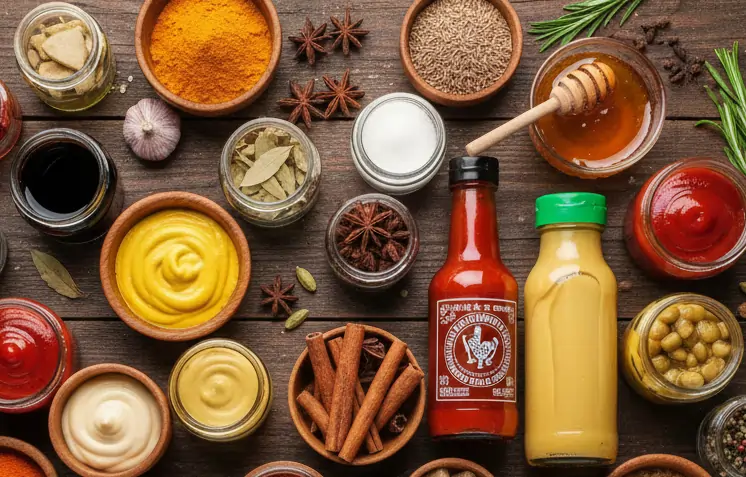
4. Spices, Condiments, Sauces, Seasonings, Sweeteners & Additives
Spices, condiments, sauces, seasonings, sweeteners, and food additives cover a wide range of flavor-enhancing products. Registering them under trademark 30 protects their brand identity. A detailed list of products covered under this category is:
a. Spices
Processed, powdered, ground, or dried spices used for flavoring:
- Masalas, spice blends, curry powders, garam masala
- Dried herbs used in cooking (oregano, basil, thyme)
- Whole processed spices (roasted, cleaned, dried)
b. Condiments
Include items added to food to enhance taste:
- Ketchup, mustard, mayonnaise* (non-dairy or stabilized)
- Pickle pastes, chutneys (non-fruit dominant)
- Soy sauce alternatives, sandwich spreads (non-dairy)
c. Sauces
Liquid or semi-solid flavoring preparations:
- Hot sauces, BBQ sauces, pasta & pizza sauces
- Sweet sauces (chocolate sauce, caramel sauce)
- Dips and dressings (ranch, salsa, cheese-style dips*)
d. Sweeteners
Include non-raw sweetening products:
- Refined sugar, cane sugar in consumer packaging
- Artificial sweeteners (tablets, powders)
- Maple syrup substitutes / sweet syrups for desserts
- Jaggery powder (processed form, packaged for food use)
e. Food Additives for Taste
Include edible additions purely for flavor or cooking:
- Flavoring extracts (vanilla, almond essence)
- Culinary essences & food colors for cooking
- Baking powder, yeast, starch for foods
- Glazing agents used in confectionery

5. Processed & Cooked Foods
Trademark class 30 includes processed, packaged convenience foods made from cereals or grains that are ready-to-eat or need minimal preparation.
Products Included
- Instant noodles, pasta cups, ramen bowls
- Ready-to-eat rice meals
- Microwaveable/flour-based snacks
- Instant porridge, cereal cups, breakfast mixes (And other similar products)
Note: Food items that are processed and cereal or floor-based are only included in this list.

What is Not Covered Under Trademark Class 30?
Some products often create confusion during trademark classification, and businesses commonly misclassify them under Trademark Class 30. Below is a list of products that do not fall under Class 30 and are not protected within this category.
- Beverages prepared from coffee, tea, cocoa, including milk, are classified based on the primary/characterizing ingredient.
- Only cereals that have been processed and are ready to eat or cook qualify under the trademark class 30 category. Unprocessed cereals are not classified under it.
- Raw agricultural (unprocessed) spices fall under class 31and not class 30.
- If fruit is the primary product in any sweet, they will shift to Class 29 or 32.
- Dairy-heavy sauces will shift to Class 29.
- Raw or industrial sugar does not fall under Trademark 30.
- Preservatives/nutritional additives do not fall under Trademark 30. They could move to Class 1 or 5
- If any of the products contain non-vegetarian items (meat, etc.), then they will fall under Class 29.
Avoid classifying these products under Trademark class 30 to protect their validity in the market. Make sure to classify them in the right category.
Popular Examples of Why Registering Under Trademark Class 30 Is Important?
Registering a trademark under Class 30 helps protect your brand identity in the food and beverage industry. It legally prevents others from using a similar or ambiguous name to your brand, logo, or trademark.
Trademark Class 30 also builds consumers’ and entrepreneurs’ trust by securing the brand identity. This adds value to a business for expansion, licensing, or franchising.
For businesses in India’s competitive Fast-Moving Consumer Goods (FMCG) sector, registering products under trademark class 30 is crucial. Take this example of how a local restaurant from Pune became involved in a trademark conflict and how it successfully resolved the issue.
Trademark Class 30 Case Study: Burger King vs Local Pune Restaurant
Anahita and Shapoor Irani had been running restaurants in Pune under the name “Burger King” since the early 1990s. However, after Burger King Corporation entered the Indian market in the 2010s, the global fast-food chain asserted its trademark rights and filed a legal action.
The courts recognized their prior users of the “Burger King” name in India. Based on the principle of prior use under Indian trademark law, the courts ruled in their favour and restrained Burger King Corporation from stopping their use of the name in their local territory.
In India, prior use (even without registration) is a powerful defence.
Common Mistakes to Avoid When Applying for Trademark Class 30 in India
While applying for Class 30, businesses often make mistakes due to misunderstandings about classification and product scope. Clearing these early ensures faster approval and smoother trademark protection.
Here’s the list of some common mistakes you must avoid:
1. Wrong Classification of Goods
- Businesses often confuse Class 30 with Class 29 (milk, meat, protein foods) or Class 32 (non-alcoholic beverages).
- Misclassification delays getting you approval and weakens the protection.
2. Choosing a Descriptive Product Name
- Avoid using descriptive words like “Sweet Biscuits,” “Spicy Noodles.” They may be rejected.
- Descriptive marks cannot be exclusively owned.
3. Not Covering the Full Range of Goods
- Many brands only list 1–2 items (e.g., tea, coffee, etc.), but later expand into bakery or snacks.
- You should include all present and future products for wider protection.
4. Using a Generic or Common Term
- Do not use generic names, such as Sugar, Coffee, Pizza, or Bread. They cannot be protected.
- This can lead to objections or cancellation later.
5. Copying or Similarity with Existing Trademarks
- Not checking for a conflicting trademark before filing can lead to legal troubles.
- It results in opposition, legal disputes, and rebranding costs.
6. Incorrect Owner Details
Filing under the wrong entity (individual vs company) may cause:
- Ownership disputes
- Issues during fundraising, mergers, or licensing
7. Filing Without a Proper Logo
File trademark, brand name, logo, symbol, or any other brand identity you want to protect. Only registering a word mark means that other identities will not be protected.
8. Late Response to Objection or Opposition
Trademark registry deadlines are strict. Missing important deadlines can lead to the disqualification of your application.
Businesses must ensure to keep all these things in mind while registering to avoid any case of legal trouble. This ensures a sustainable future identity for your brand and should not be compromised.
How to File a Trademark Application in Class 30 in India?
Following the right procedure is important to ensure registration of a trademark in Class 30. Here’s a step-by-step guide for your pursuit:
Pre-work: Trademark search
Search the trademark name online; you can either look on any private network or on the Indian Trade Marks database to identify similar trademarks for food and beverages. This is to ensure your name is unique and not similar to any existing brand or trademark. Also, ensure to clearly classify your goods to avoid omission of your products.
Step 1: Prepare documents & representation
Prepare the following documents for the registration process:
- Identity proof: Aadhaar or PAN card for individuals.
- For Companies: Proof of business/incorporation
- Address proof: Utility bill, rent agreement (for rented property).
- Logo artwork (JPG/PDF)
- Power of attorney if filing through an agent.
Step 2: Create an account & (optional) get DSC
Register on the IP India e-filing portal. For certain filings and signings, you may need a Class 3 DSC.
Follow the DSC login guide to obtain your DSC smoothly.
Step 3: Fill & submit Form TM-A (online)
- Choose the application type and select Class 30 with a clear list of goods.
- Upload the mark and applicant documents.
- Pay fees and get the application number instantly.
Step 4: Official examination by Registry
After you submit the form, the examiner issues an Examination Report (objection/clarification) if any. You usually have one month to respond to objections and can often request a hearing if necessary. In case of no trademark objections raised, the application can proceed to publication.
Step 5: Publication in Trade Marks Journal
Once accepted by the examiner, the mark is published in the Journal to invite third-party opposition. The opposition period is usually 3 months (extension to 4 months in practice).
If there’s no trademark opposition filed, the application proceeds toward registration.
Step 6: Opposition handling (if any)
If someone opposes, you must file a counter-statement and evidence. The timelines of opposition hearings and evidence rounds can extend. It is best to hire counsel for better outcomes.
Step 7: Registration & Certificate
If there is no opposition or you successfully defend the opposition, the Registrar will register the mark and issue a Certificate of Registration.
Note: Trademarks, logos (types of trademark) must be renewed every 10 years thereafter; you get a 6-month grace period with a late fee.
In What Cases is Trademark Class 30 Not Enough?
Many business models cannot rely on trademark class 30 because their products cannot be clearly defined. For such products, it’s hard to define a category and list them under a particular class. The following table defines such cases:
| Class | What It Covers | When You Need It |
| Class 29 | Meat, fish, milk & milk beverages, eggs, oils, frozen foods, dried fruits, etc. | If you sell dairy-based drinks (e.g., cold coffee, milkshakes) or protein foods, instant milk beverages, etc. |
| Class 32 | Non-alcoholic drinks, juices, aerated drinks, flavored waters | If you launch RTD beverages like iced tea, cold coffee in bottles, especially if the milk quantity is low |
| Class 43 | Restaurants, cafés, food delivery, and catering services | If you run a café, bakery, cloud kitchen, tea shop, or even a takeaway counter. |
| Class 31 | Raw agricultural products like wheat, rice, plants, and natural grains | If you sell unprocessed grains, raw agricultural goods |
| Class 35 | Retail & marketing services | If you operate an online food brand, supermarket brand store, or sell through marketplaces with a trademark for retail services. |
| Class 33 | Alcoholic beverages | If you expand into alcohol-based drinks later |
Understanding the difference helps you list your product and business clearly without any trouble.
To protect your food and beverage brand, contact RegisterKaro today. Our experienced team is ready to help you secure your trademark and ensure that your brand remains protected from competitors.
Frequently Asked Questions
No, a tea or coffee shop is not covered under Class 30. Class 30 only protects packaged food products like tea, coffee, snacks, and spices. If you operate a café, tea stall, or food service business, it must be registered under Class 43, which covers restaurant, café, and catering services.