
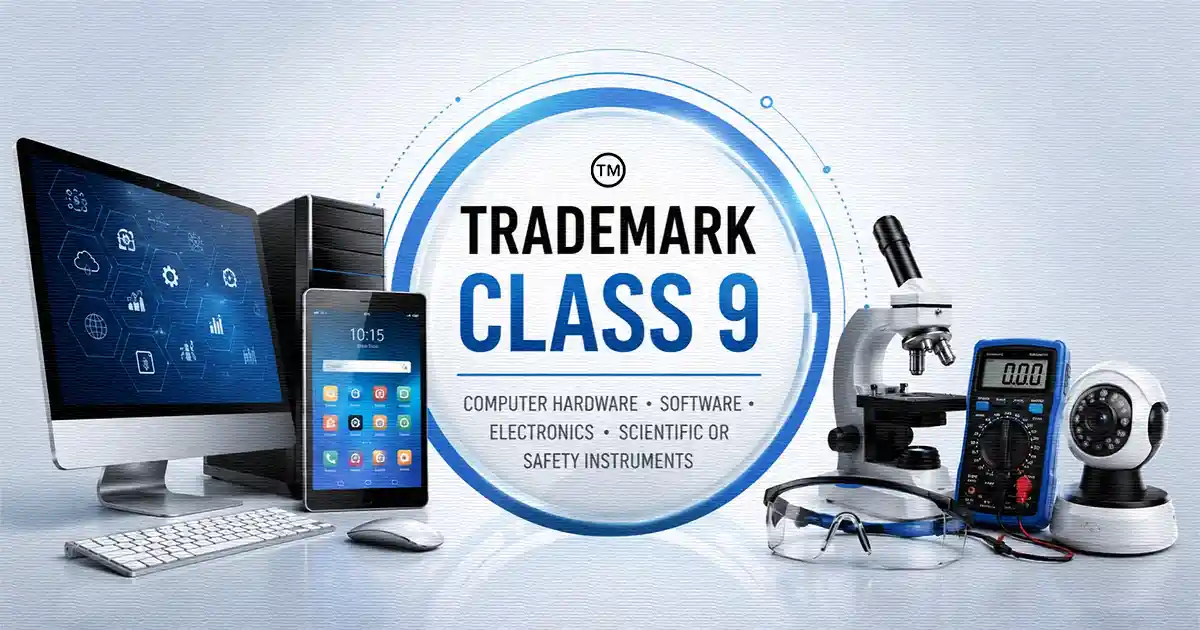
“Innovation is valuable, but identity is priceless.” In today’s world, where gadgets, apps, and software are copied overnight, protecting your brand through trademark registration has never been more important. Whether you’re launching a new smartphone, a software platform, or an AI-powered device, securing your trademark Class 9 keeps your creations safe.
Global giants like Apple, Google, and Sony safeguard their device names, icons, and electronic products. Today, India’s emerging tech startups are following the same path. After all, a brand isn’t just a name or a symbol; it’s a promise of quality, performance, and experience. Your logo on a device, application, or software interface is your signature, and it deserves protection.
That’s why understanding Class 9 trademark is essential for anyone in the technology, electronics, or software ecosystem. This guide helps you protect your brand, on paper, in the market, and in the minds of your users, so your innovation remains yours as you grow.
Overview of Trademark Class 9 in India
Trademark Class 9 is the category under which India protects technology-driven products. It covers electronics, gadgets, software, scientific instruments, and even products used by security and surveillance firms. It is one of the many classes of trademarks used in India to organize and protect different types of goods and services.
India follows the Nice Classification system, administered globally by WIPO. This system groups trademarks into clear categories (45) so businesses can protect the specific products they offer.
In the tech and electronics space, brands often operate in overlapping markets. This makes a distinct identity crucial. Registering under this class gives you exclusive rights over your brand for these goods.
Essentially, a Class 9 trademark helps you:
- Protect a wide range of technology and electronic goods.
- Secure exclusive rights to your brand name, logo, or software label within this category.
- Stop others from using identical or deceptively similar marks for similar products.
- Strengthen your legal position against counterfeiting and brand misuse.
- Expand into new tech or electronic product lines under the same trademark umbrella.
In addition, major e-commerce platforms such as Amazon and Flipkart require brands to have a registered or pending trademark to join their Brand Registry programs. This provides benefits like protection from counterfeit listings and better control over product pages. It also increases brand credibility, making Class 9 registration important for long-term online growth.
Who Should Apply for Trademark Class 9?
Businesses involved in the creation, sale, or distribution of electronic, digital, and scientific products should consider registering under trademark Class 9. This ensures their brand is protected in the technology and electronics space. Some examples include:
- Tech companies are developing software, mobile apps, or computer hardware.
- Electronics manufacturers produce gadgets, appliances, and accessories.
- Retailers and wholesalers dealing in digital devices, electronics, or scientific equipment.
- Research institutions are creating specialized scientific instruments or lab equipment.
- Medical device companies manufacture diagnostic tools and healthcare equipment.
- Security and surveillance firms provide alarms, cameras, or monitoring systems.
Choosing the correct trademark Class for electronic products protects your brand and prevents misuse.
Categories of Goods under Trademark Class 9
Class 9 trademark classification covers technology, electronics, software, scientific instruments, and audiovisual equipment. Key categories:
1. Computer Hardware and Software
Class 9 covers a wide range of computing devices and downloadable software used for data processing, cloud computing, and digital operations. This class applies to the technical products and software that users can install, store, or run directly on their devices.
It includes:
- Computers, laptops, and tablets
- Microprocessors, integrated circuits, and computer peripherals (keyboards, monitors, storage devices)
- Downloadable computer software, including mobile apps and application programs
- Cloud computing software and AI-based applications that are downloadable or installed locally
- Data processing equipment and storage devices
Global and Indian brands such as Dell, HP, Microsoft, and Infosys operate in these segments. They rely on Class 9 to protect their hardware products and downloadable software.
2. Electronic and Electrical Devices
Class 9 protects electronic gadgets, communication tools, and electrical components. It includes:
- Mobile phones, smartphones, and accessories
- Telecommunication devices and networking equipment
- Electronic circuits and microchips
- Batteries, power banks, and chargers
- Smartwatches and wearable technology
Brands such as Samsung, Sony, and OnePlus rely on Class 9 protection to secure their electronic and electrical devices.
3. Audiovisual and Multimedia Equipment
Class 9 covers devices used for recording, playback, and multimedia purposes. It includes:
- Televisions, projectors, and home theater systems
- Speakers, headphones, and microphones
- Cameras, camcorders, and surveillance systems
- Digital and analog recording devices
Brands like Bose, Canon, and LG depend on Class 9 protection to safeguard their audiovisual and multimedia products.
4. Scientific and Laboratory Instruments
Trademark Class 9 protects electronic, optical, and technical instruments used for scientific research, measurement, and testing. Only scientific measuring instruments and electronic or technical diagnostic tools are covered under this class.
It includes:
- Electronic measuring devices and test kits (excluding general laboratory glassware)
- Microscopes, telescopes, optical lenses, and other optical instruments
- Specialized scientific research and diagnostic tools that are electronic or technical in nature
- Electrical testing, inspection, and calibration instruments
Companies such as Agilent, Thermo Fisher, and Zeiss rely on Class 9 to protect their scientific and research-grade instruments.
5. Security and Safety Equipment
Class 9 covers devices designed to protect people, property, and sensitive data. It includes:
- Fire alarms, smoke detectors, and security systems
- Biometric scanners and fingerprint recognition devices
- GPS and tracking systems
Brands like Honeywell, Godrej, and Vega rely on Class 9 protection to safeguard their security and safety equipment.
6. Automotive Electronics
Class 9 covers electronic devices used in vehicles. It includes:
- Vehicle tracking systems
- Dashboard cameras and rear-view cameras
- Automobile security and anti-theft systems
- GPS navigation devices for vehicles
Brands like Bosch, Garmin, and Pioneer depend on Class 9 protection to safeguard their automotive electronics.
7. Robotics and Artificial Intelligence Devices
Class 9 protects AI-powered and robotic devices used in automation and smart systems. It includes:
- AI-powered robotic systems
- Automated industrial machinery
- Smart home automation devices
Companies such as ABB, iRobot, and Blue Prism rely on Class 9 protection to secure their robotics and AI devices.
Ready to Register Your Class 9 Trademark?
RegisterKaro helps you file your Class 9 trademark quickly and professionally, perfect for tech, electronics, AI, and digital brands. Secure your technology brand today.
Goods Not Classified Under Trademark Class 9
Certain products, even if they have electrical components, are not included in Class 9 for trademark purposes and are classified under different categories:
- Kitchen Electromechanical Appliances: Devices such as food grinders, mixers, fruit presses, and electric coffee mills are classified elsewhere (belong to Class 7).
- Electrical Heating and Cooking Equipment: Appliances like electric heaters, cookers, and ventilators do not fall under Class 9 (under Class 11).
- Personal Care Electrical Devices: Items such as electric toothbrushes, combs, razors, hair clippers, and flat irons are categorized differently (under Class 8).
- Timekeeping Instruments: Clocks, watches, and other chronometric devices are excluded from this class (under Class 14).
- Fuels Dispensing Apparatus: Equipment used for pumping or dispensing fuels is not covered under Class 9 (under Class 7).
Understanding what is excluded helps businesses correctly register their products under the appropriate category, making Class 9 trademark protection precise and effective.
How to Register a Trademark Under Class 9?
Registering a trademark under Class 9 is essential for protecting your electronics, software, AI tools, security devices, or scientific products.
Here’s a simple guide for trademark Class 9 registration:
Step 1: Conduct a Trademark Search
Before applying, make sure your trademark is unique and not already registered under Class 9. This helps avoid conflicts later.
- Use government trademark databases to check existing trademarks.
- Verify similar names, logos, or symbols in the same category.
Tip: Use RegisterKaro’s free company name search tool before filing to avoid name rejections.
Estimated time: 1 day
Step 2: Prepare and File the Application
Once your trademark is clear, get your application ready.
- Choose the type of trademark (wordmark, logo, or symbol) you want to register.
- List the goods you want to protect under Class 9.
- File the application with IP India (or the relevant trademark office).
- Submit all necessary documents and pay the fees.
Estimated time: 1–2 days
Step 3: Examination and Publication
The trademark office reviews your application to ensure everything is correct.
- The office checks for conflicts or discrepancies.
- If approved, the trademark is published in the official journal for public review.
- If objections arise, you will receive a notice and need to respond.
Estimated time: 3–6 months
Step 4: Opposition Period
After publication, third parties have a chance to oppose the trademark if they believe it conflicts with theirs.
- Opposition must be filed within a specified time period.
- Both parties present their arguments before a final decision is made.
Estimated time: 4 months
Step 5: Registration and Certificate Issuance
Once the examination and trademark opposition stages are cleared:
- A registration certificate is issued.
- The trademark is valid for 10 years, after which you can apply for trademark renewal indefinitely.
Estimated time: 1–2 months after clearance
Still worried that someone else might copy your tech brand or launch a confusingly similar product before you? Don’t risk losing your identity in the crowded electronics and software market. Register your Trademark Class 9 with RegisterKaro today and secure exclusive rights to your technology, gadgets, software, and digital products.
Challenges in Registering a Trademark Under Class 9 and How to Overcome Them
While registering a trademark, Class 9 protects your technology, electronics, and scientific products; the process is not always straightforward. Several hurdles can make registration time-consuming or complicated.
1. High Competition in the Technology Sector: Class 9 covers a wide range of electronic and scientific products, which means many companies file trademarks in this category. This makes the process competitive and requires careful planning.
Solution: Conduct a comprehensive trademark search before filing. Consider distinctive names, logos, or designs that stand out in your sector to reduce the risk of rejection.
2. Trademark Similarity Issues: If your chosen trademark is too similar to an existing one, it may be rejected or face opposition. This can lead to legal disputes and delays in registration.
Solution: Perform detailed similarity checks and consult a trademark expert to modify or redesign your mark if necessary. Consider filing defensive variations to protect your brand identity.
3. Complex Application Process: Filing under Class 9 involves detailed documentation, including accurate product descriptions. Mistakes or missing information can cause delays or rejection of your application.
Solution: Prepare your application carefully with accurate descriptions, proof of use (if applicable), and required documents. Using professional services like RegisterKaro ensures correct filing and minimizes errors.
4. International Trademark Protection: For businesses operating globally, securing rights in multiple countries is more complicated. Filing under the Madrid Protocol helps, but additional steps are required for international protection.
Solution: Plan an international trademark strategy early. File via the Madrid Protocol for multiple jurisdictions and work with legal experts to handle country-specific requirements.
Overcoming these challenges is key, as registering a trademark Class 9 ensures strong legal protection and secures your brand in the technology and electronics market.
Trademark Classes Similar to Class 9
Many technology, electronics, and software businesses assume that registering under Class 9 alone protects their entire operation. In reality, related products and services may fall under other trademark classes. Understanding these differences ensures comprehensive brand protection.
| Trademark Class | Products/Services Covered | Comparison with Class 9 |
| Class 42 | Non-downloadable software, SaaS, cloud-based services, and IT consultancy | Class 9 protects downloadable software and hardware; Class 42 covers software delivered as a service or online platforms. |
| Class 10 | Medical devices and diagnostic tools | Class 9 covers electronic or technical scientific instruments; general medical devices like X-ray machines, thermometers, or blood pressure monitors fall under Class 10. |
| Class 7 | Machines, industrial equipment, and electromechanical appliances | Class 9 protects electronics and gadgets; heavy machinery or kitchen/industrial appliances are classified under Class 7. |
| Class 11 | Electrical and lighting appliances (heaters, cookers, ventilators) | Class 9 does not cover heating, cooking, or ventilation equipment; these fall under Class 11. |
| Class 8 | Hand tools and certain grooming devices | Electrical personal care devices like electric razors may be under Class 8, while Class 9 covers electronics and technical tools only. |
Tip: If your tech business spans hardware, software, AI, or scientific instruments, consider filing under all relevant classes to ensure complete protection of your products and services.
Final Thoughts
Trademark Class 9 offers essential protection for technology, electronics, software, and scientific products. By registering under this class, businesses secure exclusive rights to their brand, prevent misuse, and strengthen their position in a highly competitive market. From startups to established tech giants, Class 9 ensures your innovations and brand identity remain safe and recognized.
Don’t leave your brand vulnerable. Get started with trademark registration Class 9 today through RegisterKaro and safeguard your technology, electronics, and software products with confidence.
Frequently Asked Questions (FAQs)
1. What is the Class 9 Trademark?
A Class 9 trademark refers to a category under the Nice Classification system used for registering trademarks. It specifically covers electrical and scientific apparatus, instruments, and devices, including computers, software, cameras, scientific equipment, and audiovisual devices. Registering under Class 9 protects your brand for these products, preventing others from using a confusingly similar mark in the same category. It ensures legal protection for technology and electronics-related goods.
2. What specific types of software qualify for protection under Trademark Class 9 in India?
Trademark Class 9 protects downloadable software, mobile apps, AI tools, system software, firmware, cloud-based downloadable programs, and gaming software. If your software can be downloaded or stored on a device, it typically falls under Class 9. Web-based SaaS platforms are usually filed under Class 42, but their downloadable components, mobile apps, or offline features still require Class 9 registration for proper protection.
3. Do AI-powered devices and smart products require separate Class 9 trademark registration?
Yes. AI-driven devices, such as smart home systems, voice assistants, robotics, and machine-learning-based equipment, are categorized under Class 9. This class covers both the hardware and AI-driven embedded software inside these products. Registering under Class 9 ensures exclusive rights over your AI brand identity, preventing others from copying or using similar names for intelligent devices or automated systems that function using integrated software.
4. How is Class 9 different from Class 42 when registering technology products in India?
Class 9 protects physical electronic goods, downloadable software, chips, gadgets, and AI devices, while Class 42 protects software services, such as SaaS, PaaS, cloud hosting, and IT development. If you’re launching a gadget or downloadable app, file it in Class 9. If you provide software development, data analytics, or cloud-based services, file in Class 42. Many tech businesses require trademarks in both classes for complete protection.
5. Can a trademark under Class 9 protect product packaging or device icons?
Yes, Class 9 trademark in India protects not only product names and logos but also icons, app symbols, device interface logos, and packaging elements used on electronic or scientific goods. If your gadget features a unique startup animation, app icon, or interface branding, registering it under Class 9 helps prevent competitors from creating confusingly similar visuals on similar devices or software products, ensuring strong brand distinctiveness.
6. Are wearable devices like fitness bands and smartwatches covered under Class 9?
Wearables such as fitness trackers, smartwatches, health-monitoring bands, smart eyewear, and connected apparel fall under Class 9 because they combine electronic hardware with downloadable software. Even medically oriented wearables that measure vitals are included unless they qualify as regulated medical equipment. Trademark protection under Class 9 helps safeguard your wearable device’s brand identity, software interface icons, and proprietary technology branding from competitors.
7. Does Class 9 trademark protection apply to laboratory and scientific measurement equipment?
Yes, Class 9 covers a broad range of scientific, laboratory, optical, and measurement devices, including microscopes, testing kits, diagnostic analyzers, calibration tools, optical lenses, and research instruments. Whether your company manufactures academic lab equipment or industrial measuring devices, Class 9 registration ensures exclusive branding rights, reduces counterfeit risks, and protects any logos or trademarks displayed on these scientific tools and digital measuring devices.
8. Should an electronics retailer also register under Class 9, even if they don’t manufacture products?
Yes, if the retailer sells electronics under their own private-label brand, trademark registration in Class 9 is necessary. Even if products are manufactured elsewhere, branding them with your store’s label qualifies as a trademark use. However, if you only resell third-party brands without using your own brand name on electronics, Class 35 (retail services) may be sufficient. Private-label sellers always need Class 9 protection.
9. Can Class 9 trademarks help prevent counterfeit gadgets or accessories in the market?
Absolutely, Class 9 registration gives you strong legal grounds to act against counterfeiters producing identical or confusingly similar electronic devices, chargers, headphones, cables, storage devices, or accessories. You can file infringement suits, seize fake goods, or request customs enforcement. Since electronics are commonly counterfeited, Class 9 protection helps safeguard product packaging, branding, device markings, and even embedded software icons used on your gadgets.
10. What happens if my product spans multiple technology categories within Class 9?
Class 9 is broad, so many products overlap, like smartphones (hardware), apps (software), and sensors (scientific components). You can list multiple goods within one Class 9 application. The key is drafting an accurate specification that covers all relevant technologies. A detailed list ensures your protection extends to every product variant and future expansion within the same technological category, minimizing risks of incomplete or narrow trademark coverage.
11. Can I expand my Class 9 trademark internationally using the Madrid Protocol?
Yes, once your Class 9 trademark is filed or registered in India, you can extend protection to over 120 countries using the Madrid Protocol. You must select each country where you want protection. The original Indian application acts as the “base application.” This system simplifies global protection for electronics, software, and technology brands, ensuring your logo, name, or device branding is secured in multiple international markets automatically.
12. What is a Nice Class 9 Trademark?
Nice trademark Class 9 refers to a category under the Nice Classification system used internationally to organize trademarks. It covers technology-driven products such as electronics, gadgets, computers, downloadable software, scientific instruments, audiovisual equipment, and AI devices. Registering under Class 9 protects your brand name, logo, or software label for these goods, preventing others from using similar marks in the same category. This is essential for tech, electronics, and scientific brands in India and globally.
13. How many classes are there in trademark?
There are 45 classes of trademarks under the International Nice Classification system. Classes 1 to 34 cover goods, while classes 35 to 45 cover services. These classes help businesses register their trademarks in the appropriate category based on the type of products or services they offer. Using the correct class ensures legal protection and prevents conflicts with similar trademarks in unrelated industries. India follows this system for organizing trademarks.


