CDSCO Registration for Medical Devices & Drugs in India
Get CDSCO registration for your medical devices or drugs with RegisterKaro. Ensure regulatory compliance and fast-track approvals through our reliable, expert-led service. What you get:
 CDSCO Portal Registration for Drugs & DevicesClassification Assistance as per CDSCO GuidelinesComplete Support for Importers & ManufacturersExpert Help with CDSCO Forms & FeesSeamless CDSCO License & Certificate Process

 What Sets Us ApartWhat Sets Us Apart
What is CDSCO?
CDSCO stands for Central Drugs Standard Control Organisation, India's national regulatory body for pharmaceuticals, medical devices, and cosmetics. It plays a crucial role in ensuring the safety, efficacy, and quality of these products by regulating their manufacture, import, sale, and distribution.
Essentially, CDSCO acts as the gatekeeper for healthcare products in India, safeguarding public health and building trust in the healthcare system.
Why is CDSCO Registration Important?
CDSCO registration is paramount for several key reasons:
- Ensuring Product Safety and Efficacy: CDSCO sets standards for drugs, cosmetics, and medical devices, while also regulating clinical trials to ensure these products are safe and effective for public use.
- Market Gatekeeping: By regulating the import and manufacture of these products, CDSCO ensures that only items meeting strict quality and safety standards enter the Indian market.
- Approving New Drugs: Responsible for approving new drugs and medical devices, permitting their marketing in India only after thorough evaluation and review.
- Standardizing Practices: CDSCO works to standardize drug regulations nationwide and collaborates with state drug control agencies to enforce these standards.
- Transparency and Accountability: CDSCO's online portal, SUGAM, enhances transparency in the regulatory process, simplifying compliance for businesses.
- Building Consumer Trust: By ensuring the safety and efficacy of healthcare products, CDSCO helps foster confidence in India's healthcare system.
Types of CDSCO Registration
CDSCO offers different types of registrations depending on the type of product.
1. Drug Manufacturing License
This license is required for companies that make medicines in India. It confirms that the company follows proper safety, hygiene, and quality rules during the manufacturing process.
2. Import License
Companies that want to bring drugs, cosmetics, or medical devices into India must get this license. It ensures that the imported products meet Indian safety and quality standards.
3. Registration Certificate for Drugs
Once a drug is checked and approved by the CDSCO, a registration certificate is given. This certificate allows the product to be sold and distributed legally in India.
4. Medical Device Registration
Before medical devices can be sold in India, they must be registered with the CDSCO. This process checks if the device is safe to use and performs as expected.
5. Clinical Trial Approval
Companies that want to test new drugs or medical products on people must first get CDSCO approval. This ensures the trials are done ethically and follow scientific guidelines.
6. Good Manufacturing Practice (GMP) Certification
GMP certification is given to pharmaceutical factories that follow high standards of cleanliness, safety, and quality during production. It helps make sure that medicines are safe and effective.
7. Certificate of Pharmaceutical Product (COPP)
This certificate is needed when a company wants to export medicines from India. It proves that the product is approved for sale in India and meets all the required standards.
Who can apply for CDSCO Registration?
Various entities involved in the manufacturing, importing, and distribution of medical devices and drugs in India can apply for CDSCO registration. Specifically, importers, Indian agents, foreign enterprises with Indian subsidiaries, and companies/corporations are eligible to register. Additionally, domestic and foreign manufacturers of medical devices and in vitro diagnostics (IVDs) can also apply.
- Importers: Any entity importing medical devices or drugs into India can apply for the necessary CDSCO registration and licenses.
- Indian Agents: These are individuals or entities representing foreign manufacturers or companies in India and can register on their behalf.
- Foreign Enterprises with Indian Subsidiaries: Foreign companies that have established a subsidiary in India can apply for CDSCO registration through that subsidiary.
- Corporations: This refers to companies or organizations, either domestic or foreign, involved in the relevant activities.
- Domestic Manufacturers: Indian companies that manufacture medical devices or IVDs need to register with the CDSCO.
- Foreign Manufacturers: Similarly, foreign manufacturers of medical devices and IVDs need to register with CDSCO, often through an authorized agent in India.
- Other entities: Those involved in the research and development of drugs, or those importing drugs for testing or research purposes, may also require CDSCO registration.
Benefits of CDSCO Registration
CDSCO registration in India offers numerous benefits for medical device and pharmaceutical companies, primarily ensuring legal compliance and enhancing market access and credibility.
1. Legal Compliance
CDSCO registration is mandatory for legally manufacturing, importing, and marketing medical devices and certain drugs in India. It ensures adherence to the Drugs and Cosmetics Act and related regulations, protecting businesses from legal issues.
2. Market Access
Registration opens up the vast Indian market to companies, allowing them to sell and distribute their products. It also facilitates participation in government and private tenders, providing a competitive edge.
3. Enhanced Credibility and Trust
CDSCO registration signifies that a product has met rigorous safety, efficacy, and quality standards, building trust among healthcare professionals and consumers. This can lead to increased sales and customer loyalty.
4. Quality Assurance
The registration process includes thorough quality checks, especially for imported devices, ensuring that only safe and effective products reach the Indian market.
5. Competitive Advantage
CDSCO registration is often a prerequisite for participation in tenders and procurement by both public and private institutions, giving registered companies a significant advantage.
6. Streamlined Operations
With proper registration, companies can avoid issues related to non-compliance and regulatory hassles, making their operations more efficient and reliable.
7. Potential for International Recognition
While primarily for the Indian market, CDSCO registration is sometimes recognized internationally, potentially making it easier to export products to other countries that value its standards.
What Types of Products Need CDSCO Registration?
CDSCO registration is required for manufacturers, importers, and distributors of pharmaceuticals, medical devices, and cosmetics in India.
This includes a range of specific products like drugs, medical devices (including those for in vitro diagnostics), and cosmetics.
1. Pharmaceuticals
All drugs, including both new drugs and existing ones, require CDSCO registration. This encompasses pharmaceutical formulations, vaccines, blood products, IV fluids, and sera. Manufacturers, importers, and distributors must obtain the necessary licenses from the CDSCO before marketing these products. Clinical trials for new drugs also require CDSCO approval.
2. Medical Devices
All medical devices, including those for diagnosis, monitoring, and treatment, need CDSCO registration. This covers a wide range of devices, from simple ones like digital thermometers to more complex ones like blood pressure monitoring devices. Both the import and manufacture of medical devices require specific licenses from the CDSCO.
3. Cosmetics
All cosmetics sold in India must be registered with the CDSCO. Importers need to obtain a registration certificate in a prescribed form. The specific requirements and application forms for cosmetics registration can be found on the CDSCO website.
4. Active Pharmaceutical Ingredients (APIs)
Also known as bulk drugs, APIs form the core components of pharmaceutical formulations. Manufacturers and importers of APIs must register with the CDSCO to ensure the quality and safety of these raw materials used in drug production.
5. Clinical Research Organizations (CROs)
CROs conducting clinical trials, including Bioavailability/Bioequivalence (BA/BE) studies in India, are required to register their trial sites with CDSCO. This ensures that their operations comply with ethical and scientific regulatory standards for conducting human research.
CDSCO Registration Process
Here are the steps for obtaining online registration under the CDSCO portal:
Step 1: Access the CDSCO Portal
Go to the official CDSCO registration portal and click on the 'Login/Sign Up' button located at the top left-hand side of the page.
Step 2: Initiate Registration
- Click on the 'Sign Up Here' option to start the registration process.
- The 'Registration Purpose' page will open.
- Select your Registration Purpose from the drop-down menu.
- Click on the 'Submit' button to proceed.
Step 3: Complete Applicant Details
Next, you will be taken to the 'Applicant Registration' page. Fill in the following details:
- Applicant Type
- User Name
- Password
- Name
- Mobile Number
- Email ID
Upload the following documents:
- ID Proof Details (such as Aadhar, Passport, etc.)
- Undertaking (as required by CDSCO)
Proceed to the Registered Indian Address Form and enter:
- Organisation Name
- Organisation Type
- Corporate Identification Number (CIN)
- Address
- Contact Number
Upload your Corporate Address Proof (such as utility bill, lease agreement, etc.). Once all fields are filled and documents are uploaded, click 'Submit' to proceed.
Step 4: Verify Your Email
A confirmation link will be sent to your registered email address to verify your registration. Click on this link to activate your account on the CDSCO portal.
Step 5: Await Approval
Once the confirmation link is clicked, your registration application will be sent to the concerned authority (CDSCO Officials) for approval. You will receive an email notification once your application is approved or if it is rejected. Your registration is complete once you receive the approval email.
Documents Required for CDSCO Registration
To complete the CDSCO (Central Drugs Standard Control Organization) registration process, applicants must submit a set of important documents.
1. Identity Proof of the Applicant
A valid government-issued photo ID (such as Aadhar Card, Passport, PAN Card, or Voter ID) must be submitted to verify the identity of the applicant.
2. Address Proof of the Applicant
Documents like Aadhar Card, utility bills (electricity/water bill), or bank statements showing the applicant’s permanent address.
3. Undertaking Issued by a Government Authority
A declaration or undertaking that complies with CDSCO requirements and is issued or attested by a competent government authority. This ensures that the applicant agrees to comply with applicable regulatory standards.
4. CDSCO-Approved BA/BE Site Registration Certificate
BA (Bioavailability) or BE (Bioequivalence) Site Registration is mandatory for manufacturers dealing with certain pharmaceutical products. A valid copy of this certificate must be submitted.
5. Manufacturing License or Wholesale License
Applicants must provide a copy of a valid license issued by the State Licensing Authority for manufacturing or wholesale distribution of drugs or medical devices.
6. Technical Information Related to the Product
This includes specifications, design, composition, intended use, and other critical technical details about the product that is being registered.
7. Manufacturing Details
Information about the manufacturing site(s), process flow, quality checks, and details about raw materials used in production.
8. Certifications for Quality Management System (QMS)
ISO 13485 or equivalent certifications showing compliance with international or national quality management standards for medical devices or pharmaceutical manufacturing.
9. Clinical Data
For products requiring safety and efficacy testing, clinical trial data (Phase I, II, III) must be provided. This is especially important for new drugs, vaccines, or high-risk medical devices.
10. Evidence of Conformity
Includes test reports, performance evaluation reports, or compliance certificates that demonstrate the product conforms to applicable Indian or international standards (such as BIS, ISO, etc.).
11. Labelling Details
Sample labels showing the product name, contents, manufacturer’s details, batch number, expiry date, usage instructions, warnings, and other regulatory markings required by CDSCO.
12. Ethics Committee Approval Form
For clinical trials or studies involving human subjects, proof of approval from a registered Ethics Committee is required.
Fees for CDSCO Registration
CDSCO registration costs vary depending on the type of product (drugs, medical devices, cosmetics, etc.) and the specific registration required (import, manufacturing, etc.).
1. Medical Devices
CDSCO registration fees for medical devices depend on the device class and whether you are applying for a manufacturing or import license.
Manufacturing License Fees
For companies manufacturing medical devices in India, the fees vary based on the risk class of the device:
Class A & B Devices:
- License Fee: Rs. 5,000
- Device Fee: Rs. 500 per device
Class C & D Devices:
- License Fee: Rs. 50,000
- Device Fee: Rs. 1,000 per device
Import License (Form MD-15)
If you’re importing medical devices, you must pay per manufacturing site and product, based on device classification:
Class A (Sterile/Measuring Devices):
- Rs. 83,300 per site
- Rs. 4,165 per product
Class B Devices:
- Rs. 1,66,600 per site
- Rs. 83,300 per product
Class C & D Devices:
- Rs. 2,49,900 per site
- Rs. 1,24,950 per product
2. Drugs
The CDSCO charges different fees for importing and registering drugs, especially biological products and formulations.
Import License Fees (for Biologicals like r-DNA, blood products, etc.)
Applicable when importing biological drugs into India:
- First Product: Rs. 10,000
- Each Additional Product: Rs. 1,000
Registration Certificate (Form 40)
Required for registering the manufacturer’s premises and products intended for import:
- Manufacturing Premises (for import & Indian use): Rs.8,33,000
- Single Drug (for import & Indian use): Rs.4,16,500
- Each Additional Drug: Rs. 4,16,500
3. Cosmetics
For cosmetic products, registration involves licensing for manufacturing and import with category-based and variant-based fees.
Manufacturing License (Form COS-8)
Fees for obtaining permission to manufacture cosmetics in India:
- Up to 10 items per category: Rs. 10,000
- Each Additional Item: Rs. 500
Import Registration Certificate (Form COS-4A)
Required for bringing cosmetic products into India:
- First Category: Rs. 83,300
- Each Additional Category: Rs. 83,300
- Each Variant: Rs. 4,165
Manufacturing Site Registration for Imports
If the cosmetic is imported, a site registration fee must be paid:
- Per Manufacturing Site: Rs. 41,650
Disclaimer: The fees mentioned are based on the rules as of 2025 and may change over time. For the latest fee details, please check the official CDSCO website or talk to our experts.
How Much Time Does It Take to Get CDSCO Registration?
The time required for CDSCO (Central Drugs Standard Control Organization) registration in India typically ranges from 1 to 9 months, depending on the product type, risk class, and review process. Several factors influence the timeline, such as product complexity, completeness of the application, regulatory queries, and whether expert committee reviews are needed.
1. General Timeline for Medical Devices (6–9 Months)
For most medical devices, especially those classified under Class B, C, and D, that require a full Import License (Form MD-15) or Manufacturing License, the registration process usually takes 6 to 9 months.
- CDSCO’s official target for issuing an import license is 270 days (approximately 9 months) from the date of complete submission.
- This timeline applies when the application is complete, accurate, and does not face major regulatory challenges.
2. Faster Approvals for Simpler Medical Devices (1–3 Months)
For Class A medical devices (non-sterile and non-measuring), the registration process is simpler and faster:
- These devices can be registered through the CDSCO ePortal using a self-certification method.
- If no Subject Expert Committee (SEC) or Technical Presentation is required, the approval can be granted within 1 to 3 months.
3. Impact of Regulatory Queries (Timeline May Extend)
Even if the initial application is submitted on time, CDSCO may raise queries for clarification or request additional documents. In such cases:
- The review process is paused until the applicant submits the required response.
- The timeline resumes only after the query is resolved, which may extend the registration process by weeks or even months.
4. New or Complex Products (Extended Timelines of 9–12+ Months)
If your product is novel or does not have a predicate device (a similar device already approved in India), then the application might need expert review:
- These cases are referred to the Medical Device Advisory Committee (MDAC) or Subject Expert Committee (SEC).
- These reviews involve detailed evaluation of technical data, clinical trials, and risk assessments.
- As a result, such applications may take 9 to 12 months or even longer to receive approval.
Challenges in CDSCO Registration and Their Solutions
Getting CDSCO (Central Drugs Standard Control Organization) registration in India can be tough. Some common problems include complicated rules, a lot of paperwork, and possible delays. But with the right help and proper guidance, these issues can be handled smoothly, and the process can be completed without much trouble.
1. Understanding CDSCO Regulations
Challenge: The CDSCO regulatory landscape can be complex and constantly evolving, making it difficult to understand the specific requirements for different product categories.
Solution: Thoroughly research and understand the relevant regulations, seek expert guidance from consultants, and stay updated on the latest changes and amendments.
2. Documentation Requirements
Challenge: CDSCO registration often involves extensive documentation, including Device Master Files (DMF), Plant Master Files (PMF), and other technical and administrative documents, which must be highly detailed and structured.
Solution: Prepare detailed and accurate documentation, ensuring it meets CDSCO's specific requirements. Consider using checklists and templates to ensure completeness and proper formatting.
3. Indian Agent Requirement
Challenge: Foreign companies need an authorized Indian agent for registration, which can be a challenge to find, vet, and establish a reliable relationship with.
Solution: Carefully select a reliable and experienced Indian agent with a proven track record in CDSCO registration. Ensure they have the necessary expertise and resources to act as your local representative.
4. Timelines and Delays
Challenge: The CDSCO registration process can be time-consuming, with potential delays due to in-depth document review, multiple rounds of queries, and on-site inspections.
Solution: Allow sufficient time for the registration process, anticipate potential delays by submitting comprehensive applications, and maintain open and prompt communication with CDSCO officials to address queries swiftly.
5. Compliance with Indian Medical Device Rules
Challenge: Ensuring compliance with the specific Indian Medical Device Rules, including product classification, quality requirements (e.g., ISO 13485), and post-market surveillance, is crucial for successful registration.
Solution: Familiarize yourself with the specific requirements of the Indian Medical Device Rules, particularly regarding device classification, and ensure your product meets all applicable standards.
6. Labeling Requirements
Challenge: Incorrect, incomplete, or missing label details, such as caution notices, batch information, or specific language requirements, are common issues leading to queries or rejections.
Solution: Strictly adhere to CDSCO's labeling guidelines before printing, ensuring all required information is displayed and compliant with local regulations.
7. Maintaining Compliance
Challenge: Maintaining continuous compliance with CDSCO regulations after initial registration is essential to avoid license suspension or cancellation, given the evolving regulatory landscape.
Solutions: Establish a robust system for ongoing compliance monitoring, including regular internal audits and continuous updates to address any regulatory changes, such as amendments to rules or new guidance documents.
Connect with RegisterKaro and let our experts handle the legal hassle while you grow your business.
Frequently Asked Questions (FAQs)
Which Class Will My Product Fall Under?
−The classification of medical devices in India, as per CDSCO, is based on the risk associated with their use. Products are categorized into four classes: Class A (low risk), Class B (low to moderate risk), Class C (moderate to high risk), and Class D (high risk). The classification determines the regulatory pathway and requirements for registration. You will need to refer to the Medical Device Rules, 2017, and subsequent amendments, or consult with a regulatory expert to accurately determine your product's class.
What is the Difference Between DCGI and CDSCO?
+Can I Sell Products Directly to Distributors After Registration?
+What Happens if My Application Has Discrepancies or Queries?
+What is the Typical Timeline for CDSCO Registration?
+Are Foreign Manufacturers Required to Have an Indian Agent for CDSCO Registration?
+What Documents Are Required for CDSCO Medical Device Registration?
+Do I need a separate CDSCO registration for cosmetics?
+Why should I hire a consultant for my CDSCO registration?
+
Reviewed by
Joel DsouzaJoel Dsouza is a Chartered Accountant (CA) and compliance expert with over 7 years of hands-on experience in company registration, tax structuring, GST, ROC filings, and MCA compliance. As a qualified member of the Institute of Chartered Accountants of India (ICAI) and Co-Founder at RegisterKaro, he has personally advised more than 1,000 startups and SMEs across India, helping founders navigate incorporation, regulatory frameworks, and financial planning from Day 1. With deep expertise across all three levels of Finance and Portfolio Management, Joel is committed to promoting financial literacy and simplifying India's startup ecosystem through clear, actionable guidance that entrepreneurs can act on immediately.
Why Choose RegisterKaro for the CDSCO Registration Service?
Getting CDSCO registration can be confusing and take a lot of time. But with RegisterKaro’s help, the process becomes much easier. Our team knows the rules well and will guide you at every step to make sure everything is done correctly and on time.
- Our Expertise and Experience: Leverage a team with in-depth knowledge of CDSCO regulations and years of experience navigating the complexities of product registration.
- Simplifying the Entire Process: We streamline the often intricate and time-consuming CDSCO registration journey, managing documentation, submissions, and follow-ups.
- Saving Time and Money: Avoid common pitfalls and delays, get your products to market faster, and minimize lost opportunities and costs.
- Specialization in BIS Conversion: Benefit from our particular expertise in converting existing BIS certifications or aligning products with both BIS and CDSCO requirements.

What Our Clients Say
View All
Jit
 Verified
Register Karo is the best platform to register your company, @kajal chowhan helped me a lot, to make the process smoothly. Thank you team registerkaro

Guru
Verifiedprofessional work, good team work by the team allocated to us, on time delivery for incorporation of my company, Ankit followed a good workflow throug... Read more

yayati
VerifiedI reached out to registerkro for company windup. Would like to give shout out to Astha gupta who was extremly helpful throughout the process. Kudos to... Read more

Vijay Azad
VerifiedHi It was pleasure to contact you@alka for company registration .Happy with the dedication and support during process and working beyond timeline...

aravind raj
VerifiedWe did startup registeration with their team, it was point to point approach and they were clear in those procedures and their followup is too good...

vinay kumar
VerifiedYour staff Ankita Matta is a polite person the way of handling the issues was good. I hope in future register karo team handle the issues in a same wa... Read more

Riya Singh
VerifiedRegister karo demonstrated professionalism and expertise in navigating complex legal and regulatory issues related to our industry. Special thanks Ank... Read more

ganesh patil
VerifiedHad a great experience with Register Karo. The LLP registration process was handled smoothly and everything was explained clearly. Highly recommended!

Amit Kumar
VerifiedMs Vandana Sharma has done awesome work for me from Registerkaro . She worked late night with me . I appreciate her for these type of effort . Thanks... Read more

Pritam R
VerifiedPleasant experience to deal with them especially the compliance team. Thanks everyone, separately to ANSHU. Hope they will co-operate in future if nee... Read more
Related Blogs
View All
Top 10 CA Firms in Bangalore 2026: Best Chartered Accountants List
Startup India Certificate: How to Get, Download & Verify DPIIT Recognition (2026)

Startup India Registration Fees in 2026: Complete Cost & Charges Breakdown
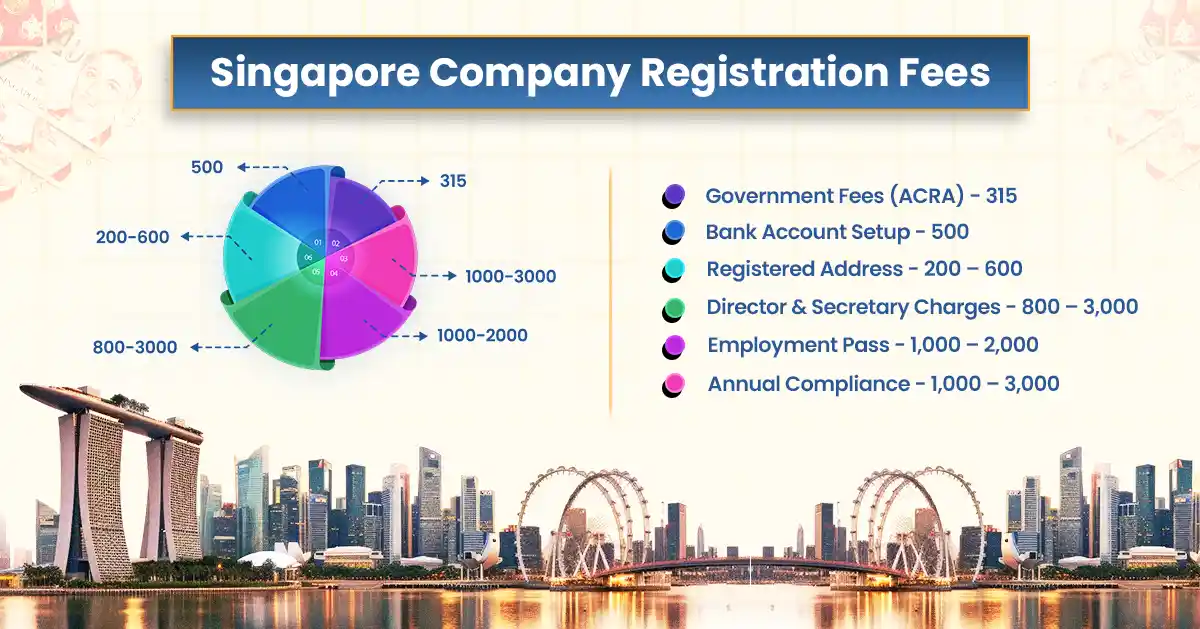
Singapore Company Registration Fees in 2026: Cost Breakdown for Indians
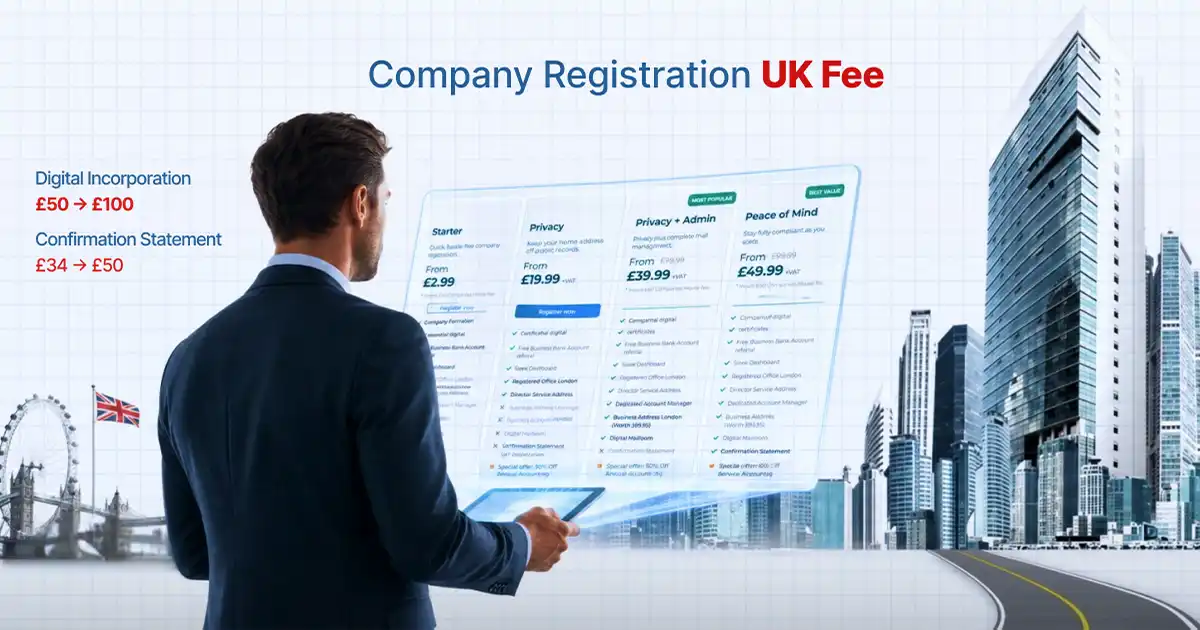
UK Company Registration Fees in 2026: Cost Breakdown for Indians

Nidhi Company Registration Fees in India: Govt Costs & Other Charges
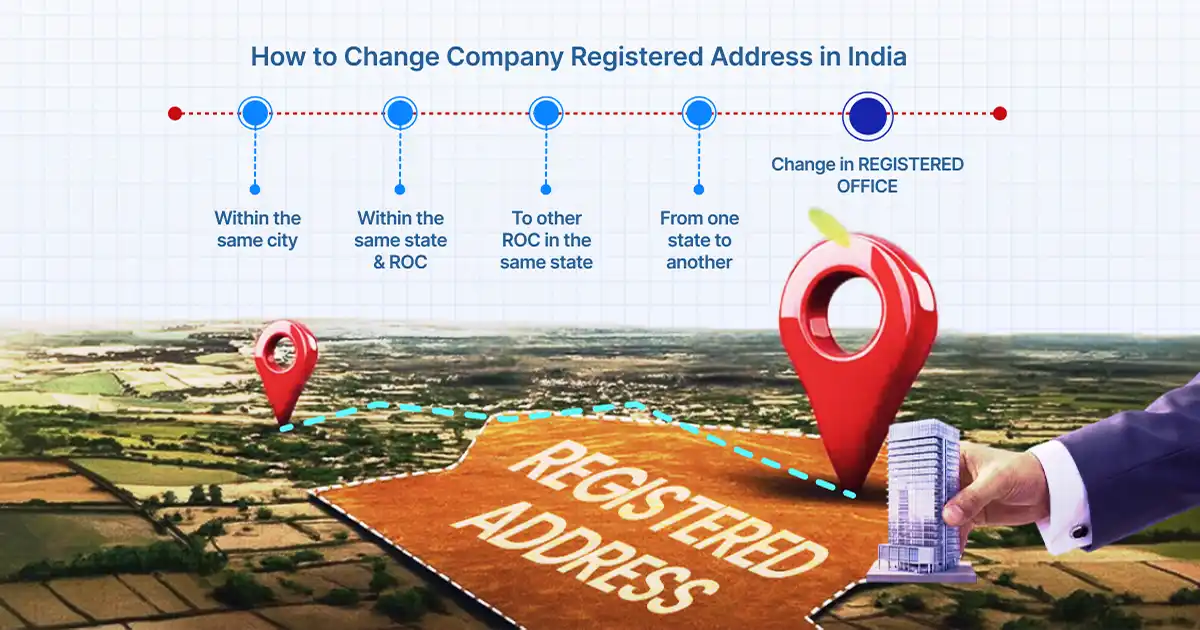
How to Change Company Registered Address in India: Complete Process
How to Register a Company in India from the USA: A Complete Guide

Documents Required for Sole Proprietorship Registration in India: Complete Checklist 2026
How to Set Up a Liaison Office in India: 2026 Guide
Featured In