


Class 41 is the trademark class for education, entertainment, training, sports, and cultural activities in India. It falls under the NICE Classification system, which organizes all trademarks into 45 classes: Classes 1 to 34 cover goods, while Classes 35 to 45 cover services. India adopts this system for all trademark filings under the Trade Marks Act, 1999. Every business offering educational, entertainment, or cultural services must file under the correct class to secure meaningful brand protection.
Latest Update: This guide reflects the NICE Classification 13th Edition (NCL 13-2026), which becomes effective on 1 January 2026 for all new trademark applications in India. Under this edition, smash rooms, rage rooms, and drone light shows are newly and expressly recognized within the trademark class for entertainment, Class 41. NCL 12-2025 governs applications that applicants file before 1 January 2026.
Key Takeaways
- Trademark Class 41 is a service class covering education, entertainment, training, sports, photography, and cultural activities.
- Filing fee: ₹4,500 per class for individuals, startups (DPIIT), and MSMEs (Udyam); ₹9,000 per class for companies, LLPs, and partnership firms (online filing via Form TM-A).
- Registration validity is 10 years from the date of application, renewable indefinitely in 10-year blocks using Form TM-R.
- Class 41 does not cover software development (Class 42), advertising (Class 35), broadcasting (Class 38), or wellness therapy (Class 44).
- NCL 13-2026 expressly added smash rooms, rage rooms, and drone light shows to Class 41 as entertainment services.
Which Trademark Class is Education In? (Class 41)
The trademark class for education in India is Class 41. The same applies to entertainment, training, coaching, sports, photography, and cultural services. They all fall under Class 41. So whether you run a coaching institute, an edtech platform, an event company, or a photography studio, Class 41 is where you file to protect your brand name and logo. (Only the software behind an edtech platform shifts to Class 42, and advertising to Class 35.)
Who Should Register Under Trademark Class 41?
Class 41 is the right choice for edtech platforms, coaching institutes, event organizers, fitness academies, and content creators looking to secure trademark registration. Here’s what registration under Class 41 actually gives you:
- Edtech platforms and online learning companies: E-learning courses, digital coaching, tutoring, and skill development services.
- Schools, colleges, and coaching institutes: Academic instruction, entrance exam preparation, and professional training.
- Event organizers and production houses: Concerts, live performances, cultural festivals, seminars, and conferences.
- Fitness trainers and sports academies: Gym training, yoga instruction, martial arts coaching, and sports training.
- Entertainment and media companies: Film production, OTT content creation, and theatre performances.
- Photographers and videographers: Professional photography, videography, and audiovisual production.
- Gaming and eSports companies: Online gaming platforms and eSports competitions.
- Publishers and course creators: Books, journals, and educational material, excluding advertising content.
- Translation and language service providers: Translation, interpretation, dubbing, and subtitling services.
Don’t stop at your institution’s main name. You can also trademark individual course or program names, such as a flagship coaching batch or workshop series, under trademark class 41.
What Services Does Trademark Class 41 Cover?
Class 41 in India protects a wide range of education, entertainment, training, and cultural services, including the trademark class for photography and videography. Businesses can protect this identity through various types of trademarks, such as word marks, logos, and slogans.
The table below summarises the key categories and examples:
| Service Category | Examples |
| Education and Training | Online courses, workshops, tutoring, coaching programs, entrance exam preparation, language schools, vocational training |
| Entertainment Services | Film and video production, theatre performances, live concerts, OTT content creation, digital entertainment, and stand-up comedy shows |
| Sports and Fitness Training | Sports academies, gym training, yoga instruction, martial arts coaching, personal training, sports event organization |
| Cultural Activities | Art exhibitions, cultural festivals, museum services, heritage programmes, and folk art events |
| Photography and Videography | Professional photography, videography, cinematography, audiovisual production, photo reporting |
| Publications (Non-Advertising) | Books, journals, magazines, educational material, digital publications, electronic publishing |
| Online Gaming and eSports | Online gaming platforms, eSports competitions, and interactive entertainment services |
| Translation and Interpretation | Language translation, interpretation, dubbing, and subtitling services |
| Library, Archive and Museum Services | Operating libraries, archives, museums, and related educational programmes |
| Event-Based Education and Entertainment | Seminars, conferences, workshops, TEDx-style events, quiz competitions |
| Writing and Creative Services | Screenwriting, songwriting, and creative content are offered as entertainment services |
| Educational Consultancy | Career counselling, academic advising, and education information services |
| NCL 13-2026 Additions | Smash rooms, rage rooms, and drone light shows (experiential entertainment services newly recognized in the 13th edition) |
A brand uses a trademark class search tool to confirm the correct class before filing. Choosing the right class at the application stage helps avoid rejections, saves refiling costs, and ensures the trademark covers the full scope of services offered.
Registering under the correct trademark class list ensures your services are fully protected and reduces the risk of objections during examination.
Services Not Covered Under Trademark Class 41
While Class 41 protects a broad range of education, entertainment, and cultural services, the following are explicitly excluded:
| Service Type | Correct Class |
| Advertising and commercial exhibitions | Class 35 |
| News agencies and information dissemination services | Class 38 |
| Software development for educational or entertainment platforms | Class 42 |
| Medical wellness consulting and therapeutic health services | Class 44 |
| Wedding planning and personal event organization | Class 45 |
Note: Online education via video conferencing remains under Class 41, while the telecommunication infrastructure falls under Class 38. Edtech platforms offering their own LMS should file under both Class 41 (education services) and Class 42 (software development).
How to Register Your Trademark in Class 41?
Here is a step-by-step breakdown of the trademark registration process under Class 41 in India:
1. Trademark Search
Before filing, verify whether a similar mark already exists under Class 41:
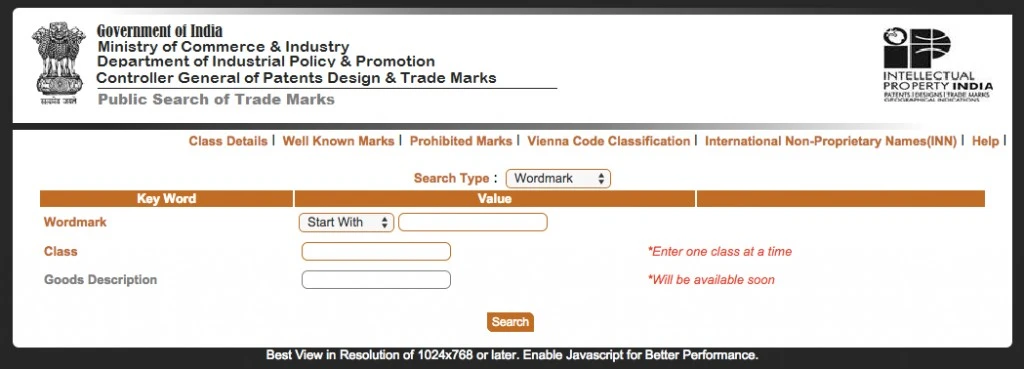
- Visit the IP India Trademark Public Search portal or use the RegisterKaro Trademark Search tool for a deeper analysis across phonetic and device-mark variations.
- Confirm Class 41 fits your services using the trademark class search tool.
- If you plan to expand internationally, also check the WIPO Global Brand Database.
- Enter your brand name or relevant keyword and review identical or similar marks along with their current status.
2. Complete Filing Process
After completing the trademark search, proceed with the formal application and registration stages:
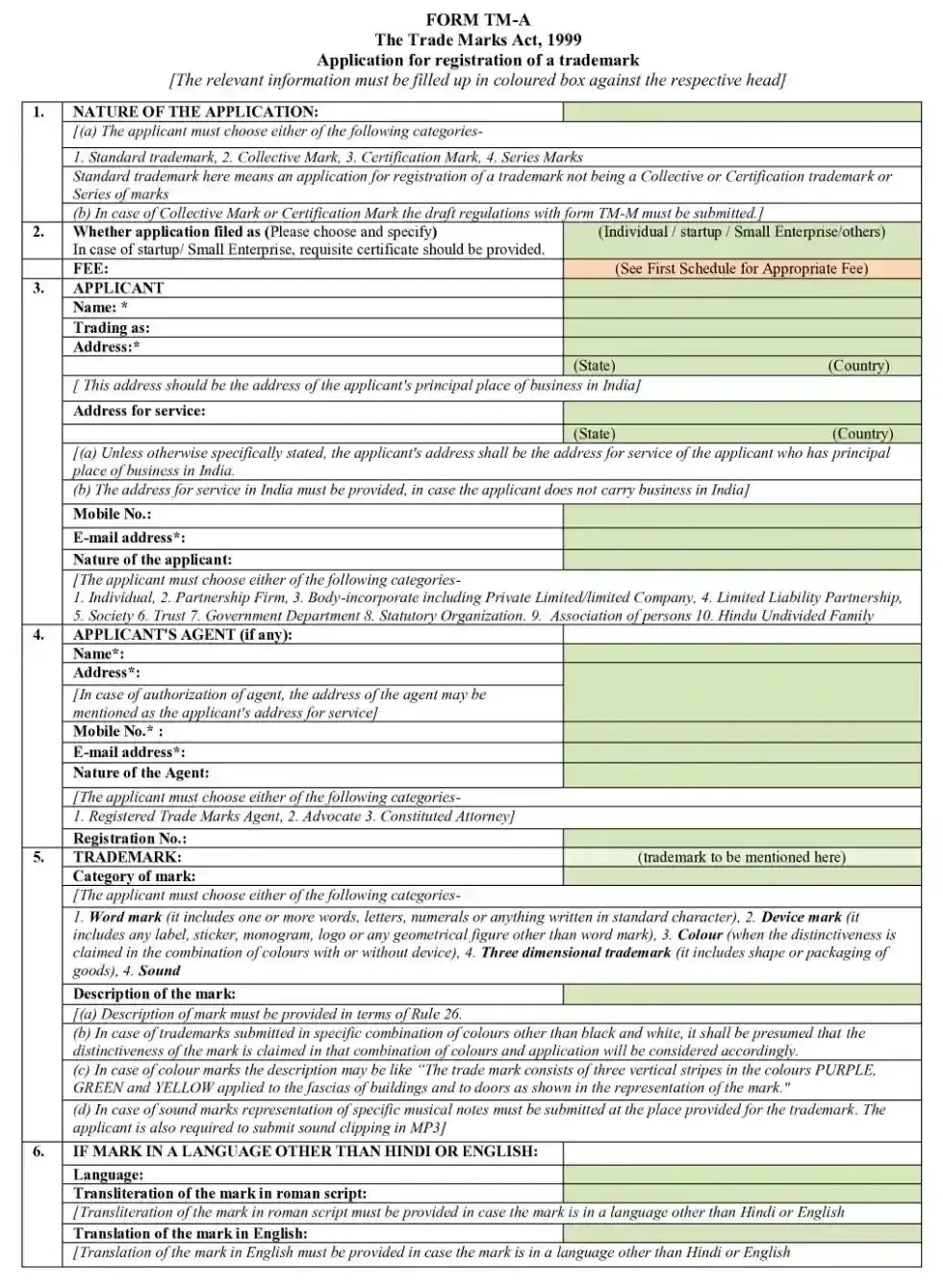
Step 1: Prepare the Application
Gather all applicant details and finalize your trademark logo or wordmark. Draft a precise description of your services under Class 41. If applicable, note the date of first use in commerce.
Step 2: File Form TM-A
Submit Form TM-A online through the IP India e-filing portal. Ensure Class 41 is correctly selected and pay the prescribed government fee at the time of submission. You may use the ™ symbol immediately upon filing.
Step 3: Examination by the Trademark Office
The Trademark Examiner reviews your application for correct classification, distinctiveness, and potential conflicts with existing registered marks.
Step 4: Reply to the Examination Report
If objections are raised under Section 9 (absolute grounds) or Section 11 (relative grounds) of the Trade Marks Act, 1999, you must file a written reply within 30 days of receiving the Examination Report. If further clarification is required, a hearing notice is issued with a scheduled date.
A well-drafted trademark objection reply backed by legal arguments and supporting evidence significantly improves the chances of acceptance.
Step 5: Publication in the Trademark Journal
Once accepted, the mark is published in the official Trademark Journal. From the date of publication, third parties have 4 months to file a Notice of Opposition under Sections 21 to 22 of the Trade Marks Act, 1999. If no opposition is received, the mark proceeds to registration.
If an opposition is filed, the applicant must respond by submitting counter-statements and supporting evidence, typically with the help of professional trademark opposition defence services.
Step 6: Registration and Certificate
Upon successful registration, the Trademark Registry issues a certificate, and you can begin using the ® symbol. The trademark remains valid for 10 years from the date of application. File for trademark renewal before expiry to maintain continuous protection indefinitely in 10-year increments. Regularly monitor your brand to detect and act against trademark infringement.
Trademark Class 41 Registration Fees in India
Registration under trademark Class 41 costs ₹4,500 per class for individuals, startups, and MSMEs filing online, and ₹9,000 per class for companies and other entities. Here’s the complete fee breakdown by applicant type:
| Applicant Type | Fee Per Class (Online) | Fee Per Class (Physical) |
| Individual / Sole Proprietor | ₹4,500 | ₹5,000 |
| Startup (with DPIIT recognition) | ₹4,500 | ₹5,000 |
| Micro or Small Enterprise (with Udyam registration) | ₹4,500 | ₹5,000 |
| Medium Enterprise (with Udyam registration) | ₹4,500 or ₹9,000 (verify before filing) | ₹5,000 or ₹10,000 |
| Company / LLP / Partnership Firm | ₹9,000 | ₹10,000 |
Fees apply per class at the time of filing Form TM-A. A multi-class application, such as Class 41 + Class 42 + Class 35, attracts the per-class fee multiplied by the number of classes. Professional fees, if engaged, are additional.
Note: Government fees are subject to change. Always verify the latest fee structure for trademark registration fees by checking the official IP India website before filing.
