SOFTEX (Software Export) Registration Online in India
Get SOFTEX registration services online in India with RegisterKaro. Expert support for setup, documentation, and approvals to ensure compliant software export reporting.
 Complete SOFTEX Registration Support from Start to ApprovalGuidance on SOFTEX Registration Requirements & ProcessAssistance with Documentation & STPI SubmissionsFast Online Registration with Dedicated SupportCustomised Packages for IT Companies, Startups, & Exporters

 What Sets Us ApartWhat Sets Us Apart
What is SOFTEX (Software Export) Registration?
SOFTEX (Software Export) Registration is a process that assigns a unique registration number to legal entities exporting software through non-physical media. The registration acts as a formal onboarding mechanism that identifies businesses, startups, and IT firms as authorised software exporters. This process ensures transparency in foreign exchange tracking and regulatory reporting.
Registration links your business to two key authorities:
- STPI/SEZ Authority: Identifies the exporters by recording basic entity details and office locations.
- Reserve Bank of India (RBI): Identifies exported goods by linking your business to the Foreign Exchange Management Act (FEMA).
SOFTEX compliance is mandatory for all software exporters in India receiving foreign exchange, as per RBI and FEMA guidelines. It enables banks and financial institutions to link your foreign remittances with export declarations, ensuring proper reporting under FEMA. Once you complete this one-time setup, you must perform SOFTEX filing as an ongoing compliance activity.
Regulatory Authorities for SOFTEX Registration in India
To complete SOFTEX Registration, you must interact with the designated regulatory authorities that oversee software exports in India. These are:
1. Software Technology Parks of India (STPI)
The STPI is the primary authority for most software exporters in India.
- Businesses operating from regular offices or home setups register as Non-STPI Units. This is a regulatory setup used only for filing purposes.
- Companies seeking additional benefits may register as STPI Units under specific schemes.
2. Special Economic Zone (SEZ) Authorities
If your business is physically located within a notified Special Economic Zone, you do not register with the STPI. Instead, your concerned regulatory authority is the Development Commissioner (DC) of that specific SEZ.
They handle your one-time onboarding and oversee your export declarations. Moreover, they align your operations with provisions related to SEZ in GST for export compliance.
3. Reserve Bank of India (RBI)
The RBI acts as the primary regulatory authority behind the SOFTEX mandate.
- It establishes the legal framework under FEMA for software exports.
- It monitors export transactions through systems like the Export Data Processing and Monitoring System (EDPMS).
This system links your export activity with banking records.
Purpose of SOFTEX Registration in India
SOFTEX Registration is the first step for software exporters to operate within India’s legal and regulatory framework. It:
- Ensures your business follows the FEMA regulations, which mandate that all software exports must be declared to the government.
- Allows regulators to monitor software exports and ensures that export earnings are properly realised in India.
- Enables banks to link foreign payments with export transactions, helping you avoid delays or compliance issues.
- Supports your eligibility to claim GST refunds on export-related expenses, improving cash flow.
- Strengthens trust with international clients, investors, and regulatory authorities.
- Helps you classify your activities correctly as software exports, which is critical for maintaining accurate financial records and audit trails.
By completing SOFTEX Registration, your business becomes officially recognized as a software exporter. This creates a strong foundation for compliant export operations.
Who Needs SOFTEX Registration in India?
SOFTEX Registration is a mandatory requirement for any entity that earns foreign currency by delivering software or IT services digitally. The following entities must complete the SOFTEX Registration process:
| Entity Type | Applicability | Examples |
| Software Developers & SaaS Companies | Export software products or subscription-based services | SaaS platforms, app developers, software product companies |
| IT-Enabled Service (ITeS) Providers | Deliver IT-based services to overseas clients | BPO, call centres, data entry, technical support |
| Digital Agencies & IT Consultants | Provide digital or software-related services internationally | Web development, app development, software testing |
| Freelancers & Individuals | Receive foreign payments for software or IT services | Freelance developers, remote consultants |
| All Business Structures | Applies regardless of legal structure | Private Limited Company, LLP, Partnership, Sole Proprietorship |
| Non-STPI Units | Operate outside designated tech parks | Home-based exporters, independent offices |
SOFTEX Registration applies regardless of project size or invoice value. Even small export transactions must be backed by proper registration to ensure your earnings are recognized as export income.
Benefits of SOFTEX Registration for Indian Exporters
By securing the SOFTEX Registration, you unlock several operational and financial advantages:
- Legal Recognition as an Exporter: This registration serves as official proof that your business earns foreign exchange through legitimate software exports.
- Seamless Banking and Fund Realization: It allows your bank to close export entries in the RBI’s EDPMS system. Without this, your foreign earnings remain unreconciled, which can lead to hefty penalties and frozen accounts.
- GST Refund Eligibility: Having a valid registration is a primary requirement when applying for refunds on the Input Tax Credit (ITC) you paid for business expenses.
- Avoidance of FEMA Violations: Since software is an invisible export, this registration keeps you on the right side of FEMA. It helps you avoid legal disputes with the Enforcement Directorate (ED).
- Enhanced Business Credibility: A formal STPI or SEZ registration certificate builds trust with international clients, investors, and government authorities. It helps when you bid for international government contracts or seek VC funding.
- Simplified Compliance Audit: It creates a clear record of your export activity, making annual financial audits and tax assessments easier.
- Access to Export Incentives: Registration positions your business to qualify for any new government schemes for startups, grants, or subsidies introduced for the Indian IT sector.
By securing this one-time registration, you ensure the Indian financial system fully recognizes and protects the money you earn.
Documents Required for SOFTEX Registration
SOFTEX Registration requires specific documents to verify an exporter’s legal identity, ownership, and compliance with government regulations. These documents are broadly divided into essential and additional requirements.
Essential Documents for SOFTEX Registration
These documents are mandatory for nearly every SOFTEX Registration application:
- Company Registration Certificate, which serves as proof of legal existence for companies and LLPs.
- PAN Card of the Company for primary identification and tax verification within India.
- Import Export Code (IEC), which is issued by DGFT and is mandatory for all exporters.
- GST Registration Certificate, which is required for tax compliance.
- Memorandum of Association (MoA) and Articles of Association (AoA) to define the company’s structure and business objectives.
- Bank Certificate/Account Proof verifying the company’s bank account for export transactions.
- Registered Office Address Proof, such as a utility bill, a lease agreement, or a similar document.
- Authorized Signatory KYC Documents like PAN card, Aadhaar, passport, or voter ID of the person applying.
- Board Resolution or Authorization Letter approving the representative submitting the registration.
Additional Documents for SOFTEX Registration
Depending on your company type or specific export requirements, you may also need to provide:
- Partnership Deed or LLP Agreement for partnerships or LLPs, confirming ownership and partner details.
- Trust Deed, if the exporter is a trust.
- Audited Financial Statements to verify financial standing when required.
- Regulatory Licenses or Permits for companies operating in regulated sectors, if applicable.
- Parent Company Details (if applicable) for ownership verification in subsidiaries or group companies.
- Technical Project Report outlining the nature of software services provided and a brief profile of the company.
- Export Contract or Purchase Order as evidence of an existing agreement with a foreign client.
Ensure all documents are clear, legible, and match the company’s official records to facilitate a smooth SOFTEX Registration process.
How to Get SOFTEX Registration? Step-by-Step Process
Applying for SOFTEX Registration in India is a critical onboarding step that ensures your digital exports are legally recognized. Here’s the step-by-step process to apply for SOFTEX Registration:
Step 1: Check Eligibility and Prepare Documents
Ensure your company is eligible to export software from India and gather your core compliance paperwork.
- Gather essential documents such as GST certificate, IEC, MoA, AoA, and bank account proof.
- Optional documents may include audited financial statements, partnership deed, or trust deed, depending on your legal structure.
Estimated Timeline: 1–2 days for document preparation
Step 2: Register on the STPI Online Portal
Create your digital identity on the official Software Technology Parks of India (STPI) platform.
- Visit the STPI Online Portal (stpionline.stpi.in) and select the option for new unit registration.
- Create a user account using the company’s official email ID of the authorized signatory.
- Complete the email verification process to activate your account and access the application dashboard.
Estimated Timeline: 10–15 minutes
Step 3: Fill the Online Application Form (Form-A)
Provide the technical and administrative details of your software export business.
- Log in and complete Form-A, the primary "New Unit Registration" form.
- Enter company details such as legal name, registered address, and nature of software exports (e.g., SaaS, IT consulting).
- Specify Authorized Signatories who will be responsible for managing all future monthly filings.
Estimated Timeline: 20–30 minutes
Step 4: Upload Required Documents and Authorizations
- Upload all essential documents in clear, legible formats for official review by the jurisdictional authorities.
- Attach the KYC documents of authorized signatories and board resolutions or authorization letters.
- Include additional documents if applicable, based on company type or export scope.
Estimated Timeline: 1–2 business days (internal preparation may vary)
Step 5: Pay Registration Fees
Submit the non-refundable processing fee to move your application into the review phase.
- Pay the one-time registration fee (typically ₹1,000 + GST) through the portal’s secure gateway.
- Use convenient methods like Net Banking, UPI, or Credit/Debit cards.
Confirm payment and retain receipts for future reference.
Estimated Timeline: A few minutes to process
Step 6: Verification by Authorities and Site Visit (if applicable)
Wait for the STPI authorities to validate your claims and physical existence.
- Officials will cross-check your data against government registries like the Ministry of Corporate Affairs (MCA) and Goods and Services Tax Network (GSTN).
- In some cases, officials may conduct a brief physical site inspection or a virtual meeting to verify your office premises and team size.
Respond promptly to any clarifications requested on the portal to prevent your application from being rejected or delayed.
Estimated Timeline: 5–10 business days
Step 7: Issuance of SOFTEX Registration Certificate
Receive your official authorization to operate as a recognized exporter.
- Upon successful verification, the Director of the jurisdictional STPI issues your Registration Certificate or Letter of Permission (LoP).
- This certificate features your unique Unit ID, which is required for SOFTEX filings and export reporting.
- The registration is typically valid for 3 years (depending on STPI or SEZ policies) and may require periodic renewal before expiry to remain active.
Estimated Timeline: 1–2 business days after final approval
Once issued, your SOFTEX Registration enables you to begin export operations. With this one-time onboarding complete, you can proceed to your monthly filing activities for each export invoice. This ensures your foreign earnings are legally reconciled.
Looking to complete your SOFTEX registration quickly and accurately? RegisterKaro offers end-to-end support, from document preparation to final approval. Our experts ensure smooth processing, minimal delays, and complete compliance so you can focus. Contact us today to grow your export business with confidence!
SOFTEX Registration Fees in India
SOFTEX Registration fees in India involve minimal government charges and are a low-cost, one-time expense.
Here’s a complete breakdown of SOFTEX Registration costs:
| Cost Component | Applicable To | Estimated Cost (₹) | Description |
| STPI Registration Fee | All applicants | 1,000 | One-time statutory fee paid to STPI for SOFTEX Registration |
| Documentation & Processing | All applicants | 0 – 2,000 | Minor internal/admin costs for preparing documents |
| Professional Service Fees (Optional) | If using consultants | 2,000 – 10,000+ | Charged by service providers for handling end-to-end registration |
| Digital Setup / Admin Costs | Case-specific | 0 – 3,000 | Includes notarization, scanning, certifications, etc. |
Note: Costs increase mainly due to professional services or business scale, not the registration itself.
SOFTEX Return and Compliance in India
SOFTEX return filing is a mandatory compliance requirement for software exporters in India. After completing each export transaction, exporters must submit SOFTEX forms to report the value of software exports to the relevant authorities.
This process ensures proper monitoring of foreign exchange inflows and compliance with regulations set by the RBI. Timely and accurate filing is essential to avoid penalties, delays in payments, or regulatory issues.
Key aspects of SOFTEX return compliance include:
- Filing SOFTEX forms for every software export transaction.
- Ensuring accurate declaration of export value and client details.
- Submitting SOFTEX returns within the prescribed timelines.
- Maintaining proper documentation for verification and audit purposes.
Failure to comply with SOFTEX filing requirements may lead to delays in foreign remittance realization and potential non-compliance with RBI guidelines.
Verification and Certification of SOFTEX Forms
Once the SOFTEX form is submitted, it undergoes a verification and certification process by the designated authority (such as STPI or SEZ officials).
- The submitted details are reviewed to ensure accuracy and consistency with export contracts and invoices.
- Supporting documents, including invoices and agreements, may be examined during verification.
- Any discrepancies must be clarified or corrected by the exporter within the specified time.
- Upon successful verification, the SOFTEX form is certified by the authority.
This certification confirms the legitimacy of the software export and enables proper tracking of export proceeds through the banking system. It is a crucial step in ensuring compliance with foreign exchange regulations in India.
Penalties for Non-Compliance with SOFTEX Regulations
As SOFTEX filings are a key mechanism for monitoring foreign exchange, non-compliance is treated as a serious violation under RBI and FEMA guidelines.
Key penalties and consequences include:
- Monetary Penalties: Delayed or non-submission of SOFTEX returns can attract significant fines. Under FEMA, penalties may extend up to three times the amount involved in the contravention, where quantifiable.
- Banking "Caution Listing": If you fail to reconcile your exports with SOFTEX filings, the RBI may place your entity on a Caution List. This can lead to banks refusing to process your future foreign remittances or even freezing your export-related accounts.
- Loss of GST Refunds: Tax authorities usually demand certified SOFTEX forms to process GST refunds on export services. Without these, your capital stays locked in ITC, hurting your cash flow.
- Compounding Proceedings: Serious or repeated violations may require compounding under FEMA. This involves voluntary disclosures, additional penalties, and procedural delays.
- Regulatory Audits: Frequent non-compliance often triggers detailed audits or investigations by the STPI, SEZ, or the Enforcement Directorate (ED). This can lead to a total suspension of your export benefits or your Authorized Exporter status.
- Operational Blockades: You may face difficulties in renewing your one-time SOFTEX Registration or applying for new licenses if your compliance track record is poor. This directly impacts your ability to scale or pivot your business.
To mitigate these risks, ensure timely and accurate SOFTEX return filing, supported by proper documentation for every export transaction.
SOFTEX Registration Certificate
The SOFTEX Registration Certificate is an official document issued upon successful completion of the SOFTEX Registration process in India. This certificate enables IT companies and software exporters to operate within the regulatory framework governing software exports in India. It is an essential document that establishes the entity’s eligibility to undertake export activities in the software sector.
Key features of the SOFTEX Registration Certificate include:
- Official Recognition: It establishes your entity as a government-registered software exporter in India.
- Regulatory Onboarding: It proves your business adheres to applicable export and foreign exchange regulations.
- Gateway to Filing: You must have this certificate to access portals for submitting recurring monthly SOFTEX forms.
- Facilitates Banking Processes: Banks require this certificate to link your AD Code to your profile for processing foreign remittances.
- Legal Proof: It serves as primary evidence during tax audits and GST refund applications.
Securely maintain this certificate at all times for your ongoing compliance and export reporting.
Connect with RegisterKaro and let our experts handle the legal hassle while you grow your business.
Frequently Asked Questions (FAQs)
What is SOFTEX Registration in India, and who is required to obtain it?
−SOFTEX Registration in India is an initial registration process required for any individual or business exporting software or IT services digitally and receiving foreign payments. If you deliver software, SaaS, or IT-enabled services to overseas clients, you must register. This applies to companies, startups, and freelancers alike.
Is SOFTEX Registration mandatory for freelancers providing software services to foreign clients?
+How to apply for SOFTEX Registration online in India step by step?
+What documents are required for SOFTEX Registration for software exporters in India?
+What is the difference between SOFTEX Registration and SOFTEX filing in India?
+How much does SOFTEX Registration cost in India for startups and IT companies?
+Can I export software without SOFTEX Registration in India?
+Which authority handles SOFTEX Registration for non-STPI and SEZ units in India?
+How long does it take to complete SOFTEX Registration in India?
+What are the benefits of SOFTEX Registration for software exporters in India?
+
Reviewed by
Joel DsouzaJoel Dsouza is a Chartered Accountant (CA) and compliance expert with over 7 years of hands-on experience in company registration, tax structuring, GST, ROC filings, and MCA compliance. As a qualified member of the Institute of Chartered Accountants of India (ICAI) and Co-Founder at RegisterKaro, he has personally advised more than 1,000 startups and SMEs across India, helping founders navigate incorporation, regulatory frameworks, and financial planning from Day 1. With deep expertise across all three levels of Finance and Portfolio Management, Joel is committed to promoting financial literacy and simplifying India's startup ecosystem through clear, actionable guidance that entrepreneurs can act on immediately.
Why Choose RegisterKaro for SOFTEX Registration?
Getting SOFTEX Registration in India can involve detailed documentation and strict compliance requirements. RegisterKaro simplifies the process with expert guidance and end-to-end support. Here’s how we help you:
- Expert Guidance: We ensure you understand eligibility, documentation, and regulatory requirements for accurate application submission.
- End-to-End Support: From document preparation to application filing and approval, we handle the complete registration process.
- Faster Processing: Our streamlined approach reduces errors and helps avoid unnecessary delays.
- Tailored Solutions: We offer services designed for startups, SMEs, and established IT exporters.
- Dedicated Assistance: Our experts provide continuous support throughout the registration process.
With RegisterKaro, you get a dependable partner for a smooth and compliant SOFTEX Registration experience.

What Our Clients Say
View All
Kesha Ram
 Verified
Register Karo is a company carryout all task which you demand from Registeration process to final compliance of commencement of the new company. My e... Read more

Jit
VerifiedRegister Karo is the best platform to register your company, @kajal chowhan helped me a lot, to make the process smoothly. Thank you team registerkaro

Guru
Verifiedprofessional work, good team work by the team allocated to us, on time delivery for incorporation of my company, Ankit followed a good workflow throug... Read more

yayati
VerifiedI reached out to registerkro for company windup. Would like to give shout out to Astha gupta who was extremly helpful throughout the process. Kudos to... Read more

Vijay Azad
VerifiedHi It was pleasure to contact you@alka for company registration .Happy with the dedication and support during process and working beyond timeline...

aravind raj
VerifiedWe did startup registeration with their team, it was point to point approach and they were clear in those procedures and their followup is too good...

vinay kumar
VerifiedYour staff Ankita Matta is a polite person the way of handling the issues was good. I hope in future register karo team handle the issues in a same wa... Read more

Riya Singh
VerifiedRegister karo demonstrated professionalism and expertise in navigating complex legal and regulatory issues related to our industry. Special thanks Ank... Read more

ganesh patil
VerifiedHad a great experience with Register Karo. The LLP registration process was handled smoothly and everything was explained clearly. Highly recommended!

Amit Kumar
VerifiedMs Vandana Sharma has done awesome work for me from Registerkaro . She worked late night with me . I appreciate her for these type of effort . Thanks... Read more
Related Blogs
View All
Startup India Certificate: How to Get, Download & Verify DPIIT Recognition (2026)

Startup India Registration Fees in 2026: Complete Cost & Charges Breakdown
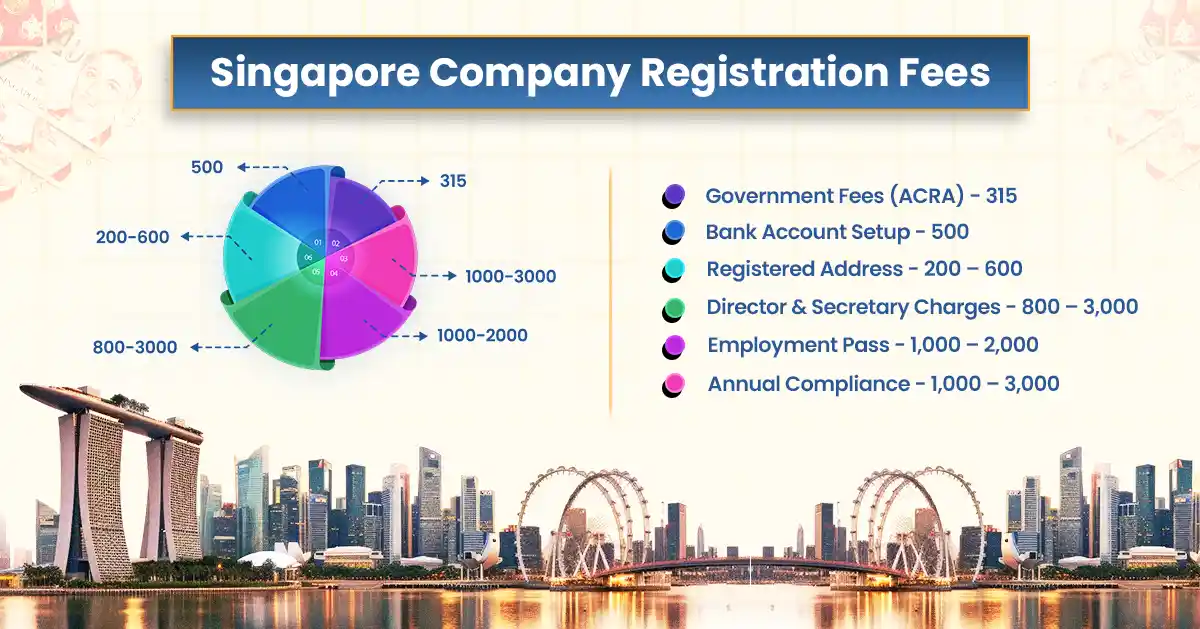
Singapore Company Registration Fees in 2026: Cost Breakdown for Indians
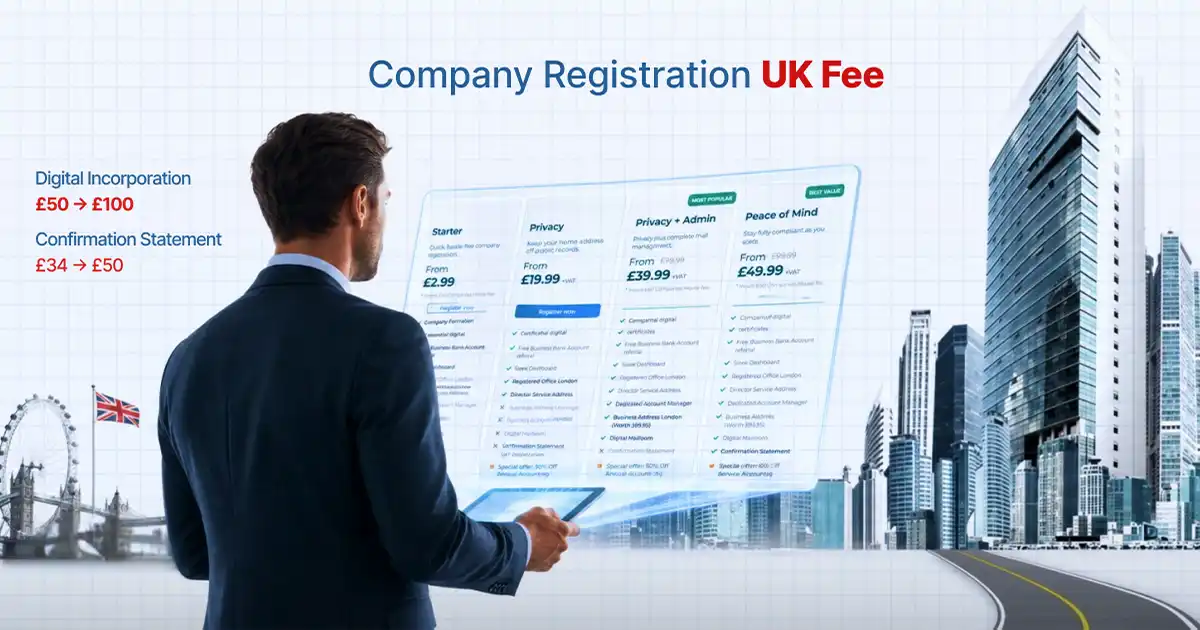
UK Company Registration Fees in 2026: Cost Breakdown for Indians

Nidhi Company Registration Fees in India: Govt Costs & Other Charges
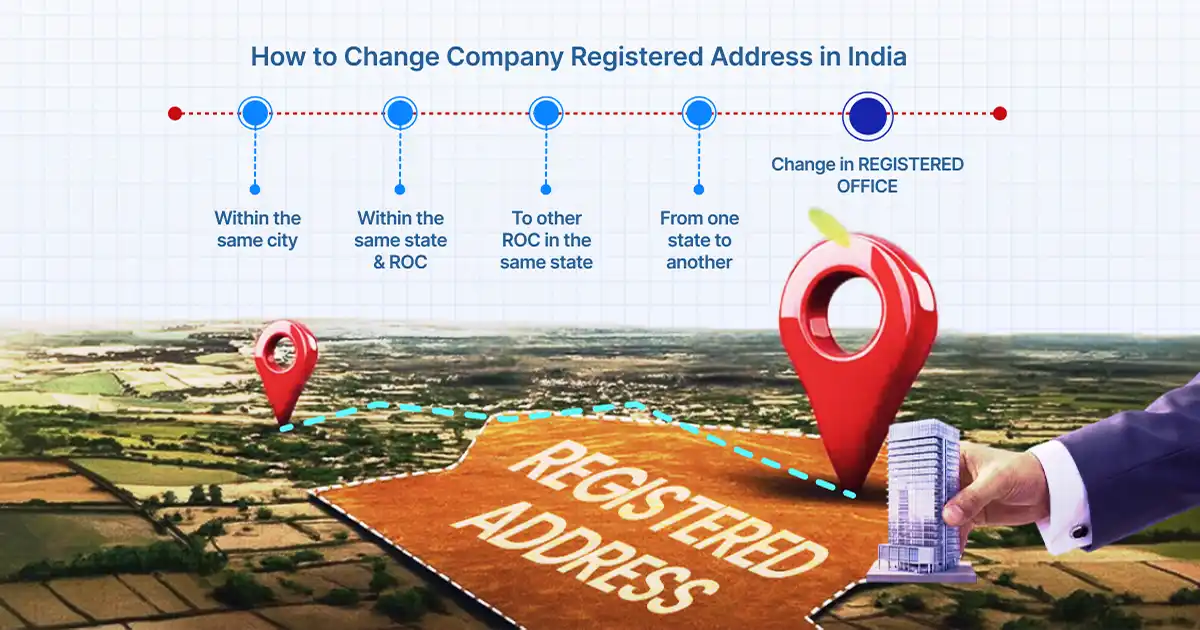
How to Change Company Registered Address in India: Complete Process
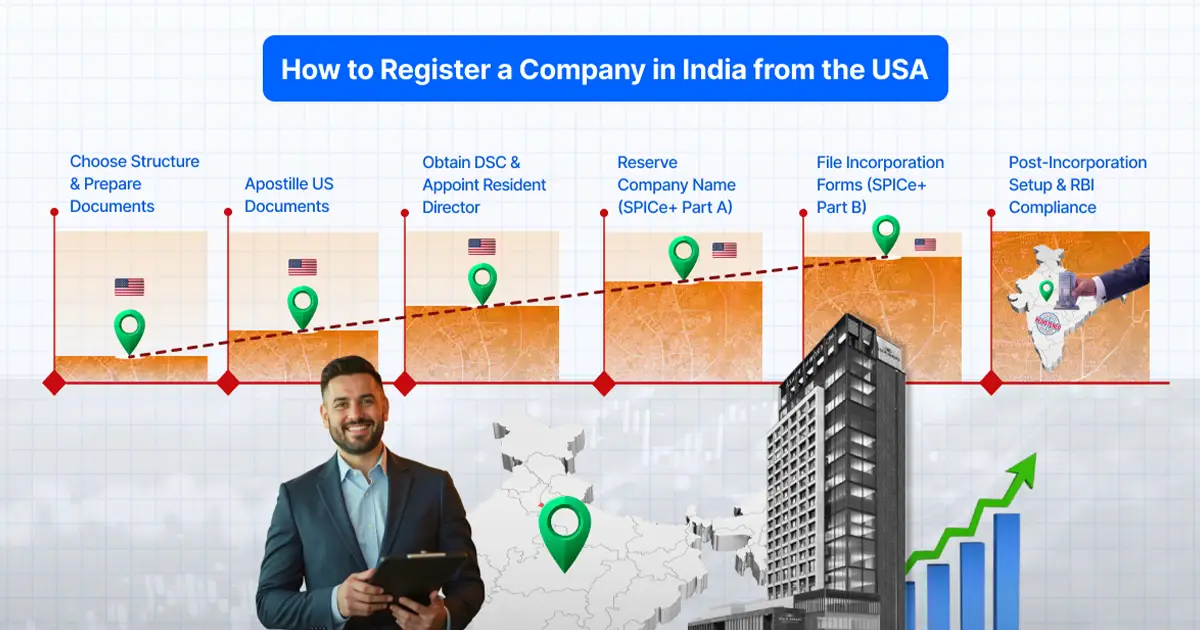
How to Register a Company in India from the USA: A Complete Guide

Documents Required for Sole Proprietorship Registration in India: Complete Checklist 2026
How to Set Up a Liaison Office in India: 2026 Guide

How to Set Up a Joint Venture in India: Step-by-Step Process
Featured In