Trade License in Jammu & Kashmir
Get your Trade License in Jammu & Kashmir with RegisterKaro. We help you avoid penalties with quick approvals, documentation, mandatory requirements, and expert guidance.
 Local Expertise Across Jammu & Kashmir MunicipalitiesCompliance Ensured with Jammu & Kashmir Trade License Rules100% Online Trade License RegistrationTransparent Fees with No Hidden ChargesFast Application and Quick Approval Support

 What Sets Us ApartWhat Sets Us Apart
What is a Trade License in Jammu & Kashmir?
A Trade License is an official approval issued by the municipal corporation, town committee, or the concerned local authority in Jammu & Kashmir. It permits individuals and businesses to carry out commercial activities within the notified limits of a city, town, or urban area in the Union Territory (UT).
Every shop owner, trader, service provider, and manufacturer must complete Trade License Registration before starting operations. This license confirms that the business premises comply with zoning norms, hygiene requirements, and municipal regulations. It also helps maintain planned and lawful business activities across towns, cities, and urban areas in the union territory.
Trade Licenses in Jammu & Kashmir are mainly regulated under the Jammu & Kashmir Municipal Act, 2000, and other relevant municipal rules. Running a business without a valid Trade License may lead to fines, penalties, or closure by local authorities.
Types of Trade Licenses in Jammu & Kashmir
Trade Licenses in Jammu & Kashmir are issued based on the nature of your business activity. Each license ensures compliance with safety, zoning, labor, and environmental rules.
Here are the main types of Trade Licenses in Jammu & Kashmir, along with the activities they are used for:
- Industrial Trade License: For factories, workshops, and small manufacturing units involved in production or processing. This license ensures compliance with industrial safety standards, labor laws, and pollution control norms in Jammu & Kashmir.
- Commercial Trade License: For shops, showrooms, hotels, restaurants, salons, and other commercial establishments that sell goods or provide services to the public.
- Professional or Service License: For professionals and service-based businesses such as clinics, coaching centers, consultancies, and fitness centers operating under municipal jurisdiction in Jammu & Kashmir.
- Shop and Establishment License: Mandatory for offices, shops, and commercial premises that employ staff or operate commercially. The Shop and Establishment License regulates working hours, employee rights, and workplace safety in the union territory.
- Food and Beverage License: Required for cafés, food stalls, restaurants, and catering services. Businesses dealing with food must also obtain an FSSAI License to comply with hygiene and food safety standards in Jammu & Kashmir.
- Medical Establishments: Clinics, nursing homes, pharmacies, diagnostic centers, and dental care facilities. For example, dentists must secure a trade license for a dental clinic to ensure adherence to hygiene, sterilization, and patient safety standards.
- Import and Export License: For businesses trading goods internationally or across states. The Import Export Code License is issued by the Directorate General of Foreign Trade (DGFT) to regulate lawful trade operations.
- Entertainment and Recreational License: For gyms, clubs, cinemas, amusement centers, and other recreational or entertainment establishments in the UT.
- Liquor and Excise License: Required for bars, liquor shops, breweries, and alcohol distributors. In Jammu & Kashmir, the Excise Department regulates Liquor License instead of the municipal authorities.
- Temporary or Event-Based License: For fairs, exhibitions, pop-up stalls, and short-term commercial activities organized for a limited duration in the UT.
- Home-Based Business License: For small-scale businesses operated from residential premises, such as tailoring, handicrafts, or online selling. These are allowed provided they follow residential zoning rules in Jammu & Kashmir.
- E-Commerce License: A trade license for online businesses is required to ensure compliance with local commercial regulations and operate digital businesses legally.
- Storage or Warehouse License: For cold storage units, godowns, and warehouses handling goods and distribution networks within municipal limits in Jammu & Kashmir.
- Transport or Logistics License: For courier services, goods carriers, and transport operators managing delivery and logistics activities across the union territory.
Each type of Trade License in Jammu & Kashmir has its own documentation and compliance requirements. Selecting the correct license ensures faster approval and smooth, lawful business operations.
Who Needs a Trade License in Jammu & Kashmir?
Any business or professional activity within local urban bodies in Jammu & Kashmir requires a Trade License. Some of these include:
- Retail shops, supermarkets, and wholesale outlets
- Restaurants, cafés, bakeries, and catering units
- Hotels, lodges, guest houses, and resorts
- Manufacturing units, small-scale industries, and workshops
- Clinics, diagnostic centers, and pharmacies
- Educational institutions, coaching centers, and training academies
- IT firms, startups, and online businesses
- Cinemas, gyms, gaming zones, and clubs
- Courier services, logistics providers, and transport businesses
- Businesses dealing with chemicals, fuels, or hazardous materials
- Construction companies, real estate developers, and contractors
- Franchise outlets and multi-location retail chains
Even if a business operates online but maintains a physical office, warehouse, or outlet in Jammu & Kashmir, it must obtain a Trade License for that location.
Businesses Exempt from the Trade License Requirement in Jammu & Kashmir
Certain business activities may not require a Trade License in Jammu & Kashmir, including:
- Small home-based businesses with very low customer footfall
- Freelancers, consultants, and online service providers working independently
- Local artisans, potters, handloom weavers, and handicraft sellers
- Farmers selling fresh produce in local markets or government-notified areas
- Street vendors operating in permitted vending zones under Jammu & Kashmir municipal and state vending rules
- Private tutors, yoga instructors, and personal trainers offering small-scale services
- Temporary stalls or seasonal setups during fairs, religious events, or local festivals
High-risk businesses must get the required Trade License or permit in Jammu & Kashmir. This ensures public safety, hygiene, and compliance with municipal and union territory regulations.
How to Apply for a Trade License Online in Jammu & Kashmir?
In Jammu & Kashmir, you can apply for a Trade License online through the official portal of your local municipal corporation, town committee, or district office.
Follow these steps for a quick and stress-free process:
Step 1: Visit the Official Portal
Go to the official portal of your municipal corporation, town committee, or district office in Jammu & Kashmir. For example, businesses in Jammu city can use the Jammu Municipal Corporation portal (jmc.jk.gov.in). This platform handles Trade License applications and manages approvals for businesses operating within the Union Territory.
Step 2: Create Your Account
- Register for a Trade License using your personal and business details.
- Keep your login credentials secure, as you will need them for renewals and future updates.
Step 3: Fill in the Application Form
Enter complete and accurate business details such as:
- Business name and type of trade
- Owner’s details and contact number
- Business address and operating hours
Ensure all information matches your supporting documents to avoid delays.
Step 4: Upload Required Documents
Attach scanned copies of:
- Owner’s ID and address proof
- Property tax receipt or rent agreement
- No Objection Certificate (NOC) from the property owner, if applicable
- Relevant trade, health, or pollution certificates for specific businesses
Upload only clear and readable files in the accepted format (PDF, JPG, or PNG).
Step 5: Pay the Application Fees Online
- Pay the Trade License fee using UPI, debit/credit card, or net banking.
- The fee amount depends on your business category, location, and the local authority’s regulations in Jammu & Kashmir.
Save the payment acknowledgment for your records.
Step 6: Submit the Application
- Review all entered details and uploaded documents.
- Submit the form for verification by the municipal authority.
In special cases, offline applications may also be accepted at your municipal office, town committee, or district office.
Step 7: Track Your Application
- Check the status of your application on the portal.
- You may also receive updates via email or SMS.
Step 8: Site Inspection (If Required)
- Officials may visit your business premises in Jammu & Kashmir.
- Follow safety, hygiene, and zoning rules to ensure smooth inspections.
- Rectify any issues immediately if instructed.
Step 9: Receive the Trade License
- Once approved, download the Trade License in PDF format.
- Keep a copy for records and display it at your premises if required.
- Store the license safely, as you will need it for renewals, inspections, or audits.
The entire process usually takes 7 to 15 working days, depending on document verification and inspection requirements.
Need help applying for a Trade License quickly and correctly? Get expert support with RegisterKaro and secure your Trade License in Jammu & Kashmir without stress. Contact us today!
Documents Required for Trade License in Jammu & Kashmir
In Jammu & Kashmir, Trade License documents generally fall into the following categories:
1. Identity and Address Proof
You must submit valid identity and address proof to complete your Trade License application in the UT.
Applicant’s Identity Proof (any one of the following):
- Aadhaar Card
- Voter ID
- Passport
- Driving License
- Photograph of the applicant or business owner
Business Premises Address Proof (any one of the following):
- Lease or Rent Agreement (if the premises are rented)
- Latest Property Tax Receipt (if the premises are owned)
- Electricity Bill or Water Bill (in the name of the owner or business entity)
- PAN Card of business
Note: A PAN card is mandatory for businesses in Jammu & Kashmir with a turnover above ₹2 crore or for tax-related purposes. It may not be required for very small shops or low-risk businesses.
2. Proof of Business Ownership
Depending on your business structure in Jammu & Kashmir, you must submit the following ownership documents:
For Companies:
- Certificate of Incorporation (CoI)
- Memorandum of Association (MOA) and Articles of Association (AOA)
For Partnership Firms:
- Partnership Deed
- Certificate of Firm Registration (if available)
For Proprietorships:
- Proprietorship Declaration or Certificate
- Any government-issued proof of proprietorship
For LLPs (Limited Liability Partnerships):
- LLP Registration Certificate
- LLP Agreement (if applicable)
3. Proof of Business Premises
To confirm your legal right to use the business premises in Jammu & Kashmir, submit any one of the following documents:
- Lease or Rent Agreement (if the premises are taken on rent)
- Property Tax Receipt (if the premises are owned)
- NOC from the property owner, neighbors, or the local authority, depending on the nature of the business
- Sale Deed or Conveyance Deed
Prepare all documents required for the trade license in advance to ensure a smoother application process and faster approval.
4. Other Supporting Documents (Jammu & Kashmir–Specific)
In some cases, businesses in the UT must submit additional documents based on trade type and risk level:
- Occupancy Certificate (to prove the premises are legally occupied)
- Layout Plan of the business premises (approved or certified by the local authority)
- Affidavit or Declaration stating the legality of the business
- Bank details of the business or entity
- Certificate of GST Registration (if applicable)
- Trade-specific clearances, such as an FSSAI License for food businesses or a Pollution Control NOC for manufacturing units
- NOC from the Fire Department for restaurants, factories, hotels, and large commercial establishments
- Consent or NOC from the Jammu & Kashmir Pollution Control Board for manufacturing or industrial activities
Note: Some documents, like the Occupancy Certificate, are usually required for industrial or large commercial premises in Jammu & Kashmir. They may not be mandatory for small retail shops or low-risk businesses.
5. Jammu & Kashmir–Specific Requirements
Certain municipal corporations, town committees, or district offices in Jammu & Kashmir may request additional documents based on your business type and location:
- Police Clearance Certificate: Required for high-risk businesses such as fuel outlets, liquor shops, or security services to support public safety and law enforcement compliance.
- Health or Sanitation Approval: Required for food businesses, hotels, restaurants, and healthcare establishments to meet local hygiene and sanitation standards.
Tip: Always confirm the latest document checklist with your local municipal corporation, town committee, or district office in Jammu & Kashmir. Requirements may vary depending on the type of business and exact location.
Trade License Fees in Jammu & Kashmir
The fee for obtaining a Trade License in Jammu & Kashmir generally ranges from around ₹500 to ₹10,000 per year. The exact amount depends on your business type, the size of your establishment, and the location of your premises within the UT.
License fees are usually calculated based on:
- Nature of business or trade
- Floor area of the establishment (in sq. ft.)
- Location type (residential, commercial, or industrial)
- Risk factors (fire hazards, waste generation, pollution, etc.)
The local municipal corporations, town committees, or district offices in Jammu & Kashmir determine the fee structure based on trade category, business scale, and area classification. Different wards or zones may follow different fee slabs. It is best to check the official municipal portal or contact the nearest office to know the exact fee for your business.
Trade License Application Fee Breakdown in Jammu & Kashmir
The fees for a Trade License in Jammu & Kashmir vary depending on the size, type, and location of your business. The main fee categories are:
- Small Shops & Local Businesses: Retail shops, tea stalls, small eateries, and salons usually pay lower Trade License fees.
- Medium-Sized Businesses: Restaurants, workshops, warehouses, and trading units pay moderate fees depending on the premises’ size and type of business activity.
- Large or High-Risk Businesses: Industries, factories, and businesses handling hazardous or flammable goods pay higher fees due to additional safety, inspection, and compliance requirements.
- Location-Based Fees: Businesses located in prime commercial areas of Jammu & Kashmir generally attract higher fees than those in residential zones or semi-urban areas.
In summary, trade license fees depend on business size, risk level, and location, with higher compliance requirements resulting in higher charges.
Trade License Certificate: Download and Verification in Jammu & Kashmir
The Trade License Certificate serves as legal proof that your business is authorized to operate within the municipal limits of Jammu & Kashmir.
How to Download Your Trade License Certificate in Jammu & Kashmir?
Once your Trade License in Jammu & Kashmir is approved, you can download the certificate online. Use the official portal of your municipal corporation, town committee, or district office and follow the provided steps:
- Visit the official portal of your municipal corporation, town committee, or district office in Jammu & Kashmir.
- Log in using your registered mobile number, email ID, or application credentials.
- Go to your dashboard and click on “View/Download Trade License Certificate.”
- Enter your application or reference number for verification.
- After verification, download the certificate in PDF format.
By completing these steps, you can quickly download a trade license certificate online and ensure your business remains compliant with municipal regulations.
How to Check Trade License Status and Verify Authenticity in Jammu & Kashmir?
You can track your Trade License application and verify its authenticity in Jammu & Kashmir through the official portal of the local municipal corporation, town committee, or district office. Both steps are simple and can be completed online:
Check Application Status
- Visit the official portal of your municipal corporation, town committee, or district office in Jammu & Kashmir.
- Click on “Application Status” or “Track Trade License Application.”
- Enter your application or reference number along with your registered mobile number.
- The portal will display whether your application is pending, in process, or approved.
Verify License Authenticity
- Open the “Verify Trade License” option on the same portal.
- Enter your Trade License number, business name, and year of issue.
- The system will display details such as validity period, owner name, and approval status.
Always keep both digital and printed copies of your Trade License ready for inspections and compliance checks.
Note: If you cannot access the portal or are in a remote area of Jammu & Kashmir, visit the nearest municipal, town, or district office for verification.
Trade License Renewal in Jammu & Kashmir
A Trade License in Jammu & Kashmir is generally valid for one financial year (April 1 to March 31) and must be renewed annually to continue business operations legally. Timely renewal keeps your business compliant with local authorities and helps avoid fines or suspension.
Online Trade License Renewal Process in Jammu & Kashmir
You can renew your Trade License in Jammu & Kashmir through the official portal of the concerned municipal authority. The steps are:
- Visit the official portal of your municipal corporation, town committee, or district office.
- Log in using your registered user ID and password.
- Open the “Trade License” section and select the “Renewal” option.
- Enter your existing Trade License number to fetch your business details.
- Verify the details and update any changes, such as address, ownership, or nature of business.
- Upload the required supporting documents, such as ID proof, address proof, and a copy of the previous license.
- Pay the renewal fee online using net banking, debit/credit card, or UPI.
- Submit the application and download the acknowledgment receipt.
After approval, download the renewed Trade License certificate from the portal.
Documents Needed for Renewal in Jammu & Kashmir
While requirements may vary slightly depending on the municipal office, standard documents for Trade License renewal in the UT usually include:
- The original Trade License certificate was issued for the previous year.
- The last year’s receipts or challans showing payment of the license fee.
- The latest property tax receipt for the business premises, if applicable.
- A copy of the rent or lease agreement if the premises are rented.
Importance of Timely Trade License Renewal in Jammu & Kashmir
Renewing your Trade License on time is essential for smooth and uninterrupted business operations. Here’s why it matters in Jammu & Kashmir:
- Legal Compliance: Ensures your business follows local municipal rules and remains aligned with Jammu & Kashmir regulations.
- Avoids Penalties: Prevents fines, notices, or legal action for operating with an expired license.
- Prevents Business Closure: Protects your business from temporary sealing of premises or suspension due to non-renewal.
- Maintains Credibility: A valid Trade License builds trust with customers, suppliers, and government departments. It is also often required for bank accounts, tenders, and official certifications.
Timely renewal helps you stay legally compliant, avoid penalties, and maintain a positive reputation with authorities and customers in Jammu & Kashmir.
Penalties for Late Renewal in Jammu & Kashmir
Trade License renewal should be applied for at least 30 days before the expiry date. Late renewal can result in:
- Fines: Penalties calculated as a percentage of the original license fee for each day or month of delay, as determined by municipal authorities.
- Legal Action: Notices, hearings, or prosecution for continuing business operations without a valid license.
- License Cancellation: The authority may cancel your license, forcing temporary or permanent closure and requiring a fresh application.
In short, timely Trade License renewal is crucial to operate legally and without interruptions in Jammu & Kashmir.
Key Benefits of Getting a Trade License in Jammu & Kashmir
Obtaining a Trade License in Jammu & Kashmir offers several advantages that help businesses operate smoothly while staying compliant with local and state laws. Key benefits include:
- Legal Authorization: A Trade License allows your business to operate legally under the local municipal or district authorities in Jammu & Kashmir. It ensures your business follows all applicable municipal and union territory regulations.
- Avoids Penalties and Legal Issues: Running a business in Jammu & Kashmir without a valid Trade License can lead to fines, suspension, or closure by municipal authorities. Holding a valid license protects your business from legal action and unnecessary disputes.
- Enhanced Credibility: A registered business in Jammu & Kashmir builds trust with customers, suppliers, and government departments. It strengthens your professional image and enhances your reputation in the local market.
- Access to Key Registrations and Services: A Trade License is often required for GST Registration, FSSAI certification, business loans, and other statutory approvals in Jammu & Kashmir. It streamlines these processes and prevents delays.
- Safety and Compliance: The license confirms that your business adheres to health, safety, and environmental norms set by municipal authorities in Jammu & Kashmir. This safeguards employees, customers, and the surrounding community from avoidable risks.
- Ease of Expansion: A valid Trade License in Jammu & Kashmir makes it easier to grow your business. It supports investment plans, allows participation in government schemes, and enables you to apply for official tenders without hurdles.
Obtaining a Trade License in Jammu & Kashmir is not just a legal formality. In fact, it lays a solid foundation for responsible business growth, credibility, and long-term success.
Specific Regulations & Local Considerations for Trade License in Jammu & Kashmir
Trade License issuance in Jammu & Kashmir follows municipal laws and the rules of local municipal corporations, town committees, and district authorities. Requirements differ depending on business type, scale, and location within the union territory.
1. Municipal Authority and Trade License Issuance in Jammu & Kashmir
In Jammu & Kashmir, Trade Licenses are issued by local municipal corporations, town committees, or district offices based on jurisdiction. These authorities regulate:
- The application and verification process
- Required documents and inspection standards
- License fees, determined by business type and size
- Compliance rules and annual renewal conditions
This system ensures fair, location-specific regulation for retail shops, offices, service providers, and small manufacturing units across the UT.
Note: Local authorities in Jammu & Kashmir may periodically revise Trade License fees depending on business category, risk level, and municipal regulations.
2. Specific Industries Requiring Special Trade Licenses in Jammu & Kashmir
Certain industries in Jammu & Kashmir need additional approvals due to health, safety, or environmental requirements:
- Food and Health Establishments: Restaurants, hotels, cloud kitchens, food processing units, and medical facilities must obtain a Health Trade License. They need to follow FSSAI standards and comply with sanitation and hygiene rules set by municipal authorities.
- Industrial and Manufacturing Units: Manufacturing, processing, or fabrication units must acquire an Industrial Trade License. Environmental Clearance from the Jammu & Kashmir Pollution Control Board is also mandatory before operations begin.
- High-Risk and Hazardous Trades: Businesses handling chemicals, fuels, or flammable materials must secure special permissions from the Fire Department and district authorities. They must install mandatory safety measures and undergo regular inspections to maintain compliance.
Getting the right Trade License in Jammu & Kashmir ensures legal compliance, safe practices, and sustainable growth.
Connect with RegisterKaro and let our experts handle the legal hassle while you grow your business.
Frequently Asked Questions (FAQs)
What is the validity period of a Trade License in Jammu & Kashmir?
A Trade License in Jammu & Kashmir is valid for one year from the date of issue, and business owners must renew it annually through the local municipal corporation or district office. Renewing on time ensures your business remains legally operational, complies with safety, hygiene, and zoning norms, and avoids late fees, penalties, or possible suspension of operations.
How long does it take to get a Trade License in Jammu & Kashmir?
Obtaining a Trade License in Jammu & Kashmir generally takes 7 to 15 working days after submitting a complete application with all required documents. The timeline may extend if officials need to verify documents, conduct site inspections, or if your business requires additional clearances, such as fire safety or environmental approvals. Applying online or directly at the municipal office can help speed up the process.
How to change the address in a Trade License in Jammu & Kashmir?
To change your business address on a Trade License in Jammu & Kashmir, submit an application to the local municipal authority along with valid proof of your new location, such as a rent agreement or property ownership document. Officials will verify your new premises, and once approved, you will receive an updated Trade License reflecting the correct address, keeping your business compliant with local regulations.
How to change the name on the Trade License in Jammu & Kashmir?
If you need to update your business name on a Trade License in Jammu & Kashmir, submit an application to the municipal authority with supporting documents, including a name change certificate, updated registration proof, or partnership deed. The authorities will review your request, and once verified, issue a revised Trade License with the new name to ensure your business records are accurate and legally recognized.
Can I operate a business without a Trade License in Jammu & Kashmir?
No, operating a business in Jammu & Kashmir without a valid Trade License is illegal. Municipal authorities can impose fines, issue closure notices, or even seal unlicensed premises. Every shop, office, factory, or commercial venture must obtain this license to follow safety, sanitation, and zoning regulations. A valid Trade License protects your business from legal issues and ensures smooth operations.
What happens if my Trade License application is rejected in Jammu & Kashmir?
If your Trade License application is rejected in Jammu & Kashmir, the municipal authority will provide a reason, such as missing documents or incorrect details. You can correct these issues and reapply with complete and accurate information. Reviewing official requirements before resubmission increases approval chances, and many business owners seek professional assistance to avoid repeated delays or errors.
Is a Trade License required for online businesses in Jammu & Kashmir?
Yes, all online businesses and home-based sellers in Jammu & Kashmir must obtain a Trade License if they conduct commercial activities. The license provides local legal recognition, facilitates GST registration, banking, and vendor contracts, and ensures compliance with municipal regulations. Even digital service providers or freelancers need it to operate lawfully within the region.
Can I renew my Trade License online in Jammu & Kashmir?
Yes, many municipal authorities in Jammu & Kashmir allow Trade License renewal through official district or municipal portals. You need to submit updated documents, pay the renewal fee, and complete the online application form. This system lets you track your application status conveniently, and timely renewal ensures your business remains compliant and avoids penalties due to an expired license.
How can I download my Trade License certificate in Jammu & Kashmir?
Once your Trade License in Jammu & Kashmir is approved, you can download the certificate from the official municipal portal using your application or registration number. The certificate is usually in PDF format, and it is essential to print and display it at your business location. This serves as proof that your business is legally operating during inspections or audits.
Can I modify Trade License details after issuance in Jammu & Kashmir?
Yes, you can update details like business name, address, or type of activity on your Trade License in Jammu & Kashmir. Submit an application with valid supporting documents to the municipal authority, and after verification, officials will issue an updated license. Keeping your Trade License information accurate ensures legal compliance and avoids potential penalties.
What is the difference between a Trade License and a Shop & Establishment License in Jammu & Kashmir?
A Trade License in Jammu & Kashmir ensures businesses comply with safety, hygiene, and zoning regulations, while a Shop & Establishment License focuses on labor laws, working hours, wages, and employee rights. Most businesses require both licenses to operate fully legally. Together, they protect public interest and help businesses run smoothly under state and municipal laws.
What are the consequences of not renewing a Trade License in Jammu & Kashmir?
Failing to renew a Trade License in Jammu & Kashmir on time can lead to penalties, fines, or suspension of business operations. Operating with an expired license violates local regulations. Renewing promptly keeps your business legally active, maintains credibility with customers and suppliers, and prevents unnecessary legal complications or closure notices.
Are there any exemptions for the Trade License in Jammu & Kashmir?
Some small, low-risk, or home-based businesses in Jammu & Kashmir may be eligible for exemptions under local rules. However, most commercial operations, especially in food, manufacturing, or public services, must obtain a Trade License. Always check with the municipal office to confirm exemption eligibility to avoid fines or closure for non-compliance.
Can I get a temporary Trade License in Jammu & Kashmir?
Yes, Jammu & Kashmir authorities issue temporary Trade Licenses for seasonal stalls, fairs, exhibitions, or short-term business activities. You must specify the duration and type of activity in your application. After approval and payment of the applicable fee, you will receive a license valid for that period, allowing your temporary business to operate legally and safely.
Where are Trade License applications handled in Jammu & Kashmir?
Trade License applications in Jammu & Kashmir are handled by the local municipal corporations, town committees, or district offices, depending on your location. You can submit documents online or visit the office in person for verification. These authorities process new applications, renewals, and modifications, ensuring businesses comply with local and state regulations.
Is a Trade License mandatory for small businesses in Jammu & Kashmir?
Yes, most small businesses in Jammu & Kashmir must obtain a Trade License if they conduct commercial activities within municipal limits. Shops, service providers, and vendors need this license to operate legally. It ensures adherence to safety, sanitation, and zoning regulations, helping small businesses avoid fines or legal issues.
Can I apply for a Trade License without a shop in Jammu & Kashmir?
Yes, you can apply for a Trade License in Jammu & Kashmir without a physical shop if your business is home-based or online. You must provide valid address proof for the business location. The municipal authorities verify that your activity complies with residential zoning rules before issuing the license, allowing you to operate legally even from a non-commercial space.

Reviewed by
Joel DsouzaJoel Dsouza is a Chartered Accountant (CA) and compliance expert with over 7 years of hands-on experience in company registration, tax structuring, GST, ROC filings, and MCA compliance. As a qualified member of the Institute of Chartered Accountants of India (ICAI) and Co-Founder at RegisterKaro, he has personally advised more than 1,000 startups and SMEs across India, helping founders navigate incorporation, regulatory frameworks, and financial planning from Day 1. With deep expertise across all three levels of Finance and Portfolio Management, Joel is committed to promoting financial literacy and simplifying India's startup ecosystem through clear, actionable guidance that entrepreneurs can act on immediately.
Why Choose RegisterKaro for Your Trade License in Jammu & Kashmir?
Managing Trade License requirements in Jammu & Kashmir can be challenging due to varying municipal rules, district-specific regulations, and area-based documentation. RegisterKaro simplifies the entire process, helping you stay compliant and avoid unnecessary delays. Here’s how we support you:
- Expertise in Local Regulations: We ensure your application and documents meet the rules of the local municipal corporation, town committee, or district office in Jammu & Kashmir.
- Convenient Online Support: Our experts guide you through form filling, document uploads, and fee payments so you can complete the process without stress or confusion.
- Quick Approvals: Our proactive coordination with municipal authorities helps reduce delays and prevents repeated visits to government offices in Jammu & Kashmir.
- End-to-End Service: RegisterKaro manages new applications, renewals, and updates to your business details. This ensures your Trade License in Jammu & Kashmir always stays valid and fully compliant.
- Transparent Pricing: We offer clear, upfront pricing with no hidden charges, making professional support affordable for businesses across Jammu & Kashmir.
With RegisterKaro, obtaining and managing your Trade License in Jammu & Kashmir becomes simple, fast, and completely stress-free.
What Our Clients Say
View All
Mohamed Ismail
 Verified
I've done company incorporation with Register Karo. Incorporation part all the documentation and follow ups everything the process was done smoothly b... Read more

sayyam jain
VerifiedThank you, Amarjeet Kumar, for your great support in getting my FSSAI license. The process was smooth and fast because of your guidance. Very professi... Read more

rajiv kuamr
VerifiedWe had a very good experience with the Registerkaro team , Special Thanks to Parul who helped me throughout the process and make the incorporation p... Read more

Kapil Wahi
VerifiedPrompt and proper is how I would define the service from register karo. Piyush Jamwal is exceptionally responsible and reliable. One call away to answ... Read more

shaurya gaur
VerifiedSwapnil from Registerkaro was extremely helpful throughout my company incorporation process. He handled everything smoothly and made the entire proces... Read more

Abhisek Agarwal
VerifiedIt was a nice experience getting my incorporation done through RegusterKaro. Jiya was a great help throughout the process. Thank you Jiya and Register... Read more

Ankita Mishra
VerifiedLast year I have registered my company by Register Karo . The fssai team(chinmay) is really good. They have shorted out my queries. And today I have g... Read more

Pooja
VerifiedWith RegisterKaro assistance, I recently incorporated my company, i appreciate the team's amazing support. Additionally a special thanks to GAURAV SIN... Read more

Harsh Kumar
VerifiedRegisterKaro offers a smooth and hassle-free experience for business registration and compliance services. Their platform is user-friendly, the proces... Read more

dinesh kumar
VerifiedVery satisfied with RegisterKro’s services. They managed all compliance services efficiently and kept us updated at every stage. Archana was quick to... Read more
Trade License in States Near Jammu and Kashmir
Other Business Services in Jammu and Kashmir
Related Blogs
View All
How to Start a Food Truck Business in India: Licenses & Cost
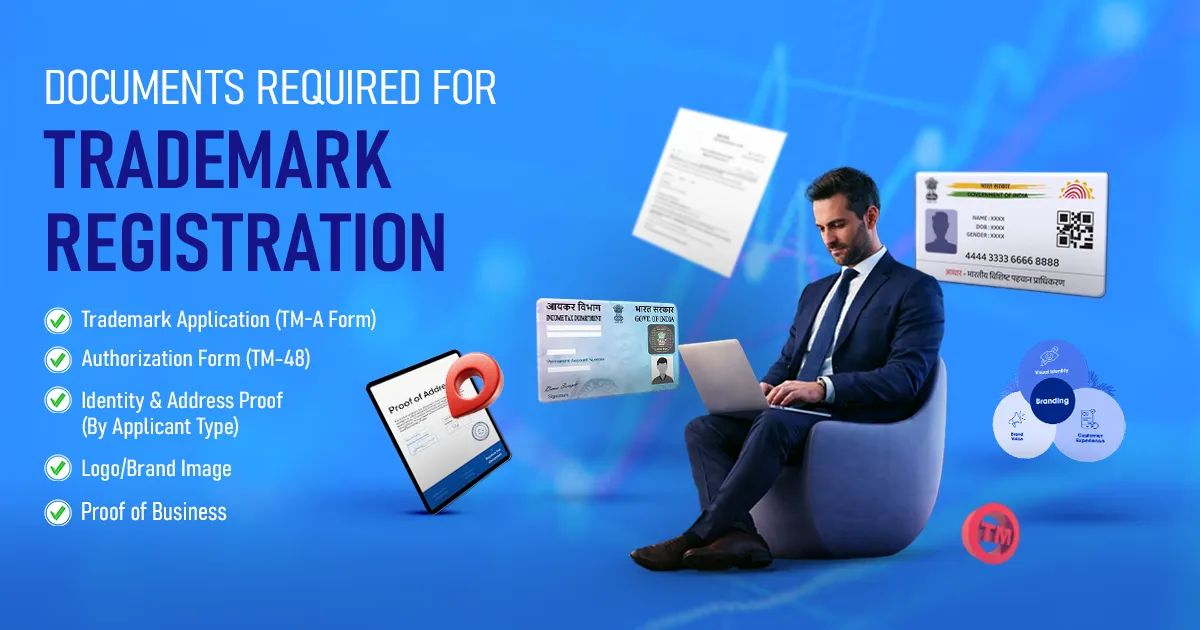
Documents Required for Trademark Registration in India (Checklist)

Trademark Class 35: Advertising & Business Services in India
Trademark Registration Fees in India: A Cost Guide 2026
Trademark Class 34 in India: Tobacco and Smoking Products
Trademark Registration Number: What It Is & How To Find?

Trademark Class 32: Water, Non-Alcoholic Beverages & Beer
Trademark Class 18: Leather, Luggage Bags & Leather Imitations

Trademark Class 27 in India: Carpets, Rugs, and Mats
Trademark Class 22 in India: Ropes, Sacks & Packing Bags