

Trademark Class 19 applies to non-metal construction and building materials. It covers products such as cement, tiles, plywood, and glass. India’s construction market is worth around ₹69.5 lakh crore in 2026 and is growing at nearly 7% annually. Cement dispatches have also grown by over 9% in 2026. This large market makes brand protection important. Trademark registration helps businesses protect their brand names from copied or similar marks.
Class 19 is part of the Nice Classification, an international trademark classification system maintained by the World Intellectual Property Organization (WIPO). India follows this system under the Trade Marks Act, 1999. Knowing the difference between Class 19 and related classes is important because building-material businesses may sell products across multiple classes.
Key Takeaways
- Class 19 covers non-metal building and construction materials, including cement, bricks, wood, plastic pipes, glass panels, and non-metal prefabricated structures.
- The classification test is based on material, not function. A steel pipe falls under Class 6, while a PVC pipe falls under Class 19, even though both serve the same purpose.
- It does not cover metal building materials (Class 6), machines (Class 7), or household appliances like washing machines and mixers, which fall under Class 7, not Class 11.
- Filing fees are ₹4,500 per class for individuals, startups, and MSMEs, and ₹9,000 per class for companies and other entities.
- Registration is valid for 10 years from the application date, not the registration date, and can be renewed every 10 years.
Who Should Choose the Class 19 Trademark in India?
Businesses involved in non-metal construction materials should register under Trademark Class 19. The main beneficiaries include:
- Wood and timber product manufacturers: Plywood, wooden panels, or flooring materials.
- Cement, brick, and concrete suppliers: Cement blocks, bricks, or construction aggregates.
- Plastic and synthetic building material suppliers: Plastic sheets, insulation materials, or pipes.
- Non-metal construction product traders: Glass, tiles, or fiber-based building materials.
- Exporters of non-metal building materials: Wood, cement, or plastic-based products, for global brand protection.
What Goods are Covered Under Trademark Class 19 in India?
Trademark Class 19 applies to non-metal building materials and construction products. Businesses dealing in wood, cement, bricks, plastic, or glass materials must choose Class 19 to secure proper brand protection.
The table below highlights the trademark Class 19 goods list:
| Goods Type | Description | Examples |
|---|---|---|
| Wood and timber products | Raw or processed wood items | Plywood, wooden panels, flooring |
| Cement and concrete products | Non-metal construction materials | Cement blocks, bricks, concrete slabs |
| Plastic and synthetic building materials | Construction items made of plastic or synthetic material | Plastic pipes, insulation sheets, tiles |
| Glass and ceramic products | Building or decorative materials | Glass panels, ceramic tiles |
| Non-metal prefabricated structures | Portable or modular units | Fiber-based sheds, prefabricated panels |
| Fixed non-metal building components | Permanently installed non-metal construction parts | Doors, windows, wall panels, partitions |
What is Not Covered in Trademark Class 19?
Many businesses assume that all building materials fall under Trademark Class 19, but several products belong to other Classes. The table below shows what is not covered under Class 19 and the correct classification:
| Goods Type | Examples | Correct Class |
|---|---|---|
| Metal building materials | Steel rods, metal sheets, pipes | Class 6 |
| Precious metals and jewelry | Gold, silver, and platinum items | Class 14 |
| Machines and mechanical tools | Industrial machines, engines | Class 7 |
| Electric household appliances | Washing machines, electric mixers | Class 7 |
| Fans, air conditioners | Cooling and ventilating appliances | Class 11 |
| Furniture and storage (non-metal) | Wooden cabinets, plastic shelves | Class 20 |
| Electrical and electronic goods | Switches, sensors, wiring devices | Class 9 |
Tip: Find the right trademark class for your goods with RegisterKaro’s Trademark Class Finder and file your application with confidence.
How to Register a Class 19 Trademark in India? Step-by-Step Guide
You can apply for a Class 19 trademark whether you are already using the brand or plan to use it in the future. Proper registration ensures legal ownership of your non-metal building materials brand in India. Follow these steps to register your trademark under Class 19 safely:
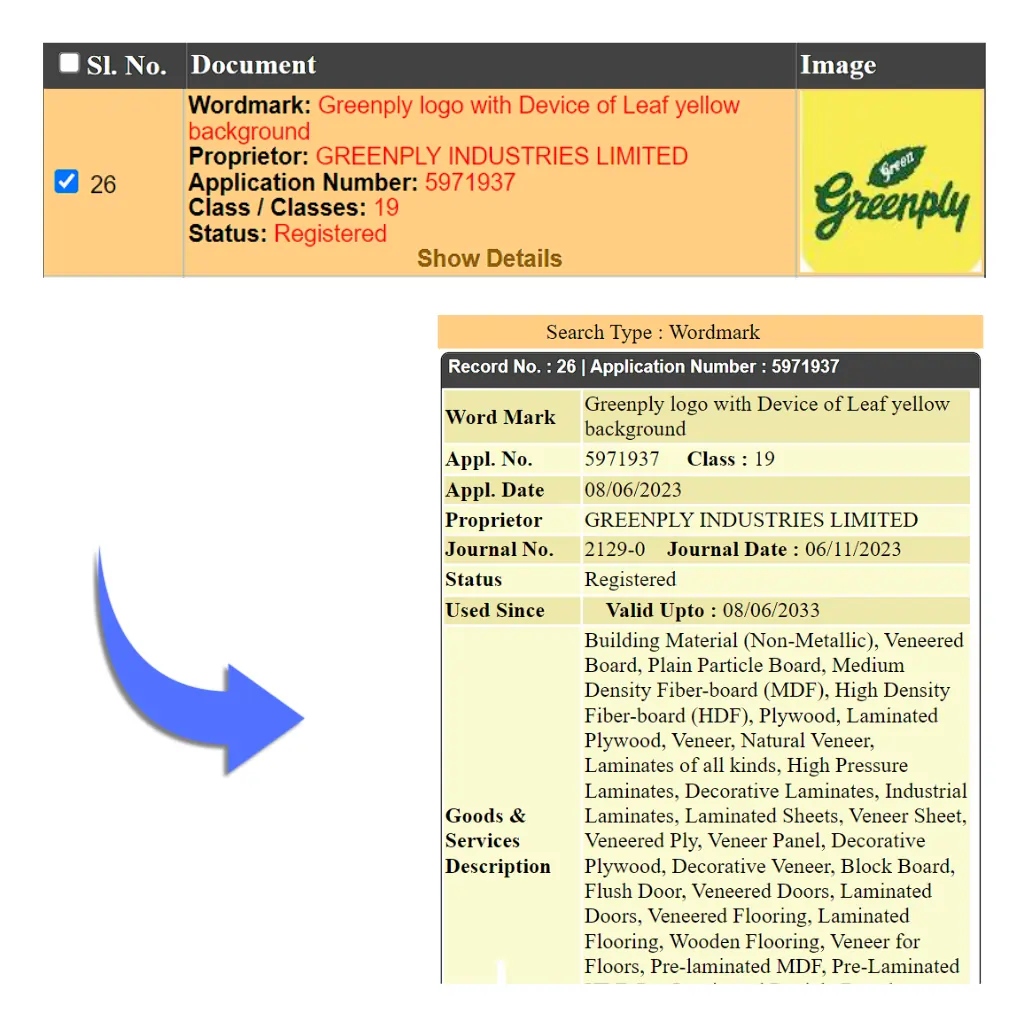
- Search first: Check the IP India portal or use RegisterKaro’s Trademark Search Tool. Make sure your brand name or logo is not already registered under Class 19.
- File Form TM-A: Apply online through the IP India Trademark Portal. Select Class 19. Choose a single-class application for Class 19 goods or a multi-class application if you need other classes.
- Pay the fee: The fee is ₹4,500 per class for individuals, startups, and MSMEs. Other entities pay ₹9,000 per class.
- Examination: The Trademark Registry checks the application and compares it with existing marks. It may issue an Examination Report if it finds any issues.
- Respond to objections: If needed, reply to trademark objections within 30 days.
- Publication: Once approved, the mark is published in the Trademark Journal. Third parties have 4 months to file a trademark opposition.
- Registration and renewal: Once registered, you can use the ® symbol. The trademark is valid for 10 years from the application date and can be renewed every 10 years.
The examination usually takes 6–12 months. The publication period takes another 4 months.
Common Mistakes While Registering for Trademark Class 19
Businesses often make several mistakes when applying for Trademark Class 19 in India. These errors can lead to objections, delays, or even rejection. Avoid the following pitfalls:
- Choosing the wrong Class: Some applicants confuse non-metal building materials with metal products or machinery.
- Using vague product descriptions: Broad terms like “construction materials” or “building products” can create confusion and raise objections.
- Skipping a trademark search: Filing without checking existing records can lead to conflicts with similar marks.
- Ignoring brand distinctiveness: Generic or descriptive names related to wood, cement, or plastic face a higher rejection risk. The brand must be unique, not just descriptive.
- Missing objections or deadlines: Failing to respond to examination reports within 30 days can result in application abandonment.
- Not planning for future products: Registering only current non-metal products may require new filings later if the business expands.
- Filing without professional guidance: Incorrect forms or incomplete documents delay approval. Expert assistance ensures accuracy and strengthens your application.
