Trade License in Sikkim
Get your Trade License online in Sikkim with RegisterKaro. We help you in compliance, avoid penalties, and operate your business smoothly with expert assistance and a transparent approval process.
 Local Expertise Across Sikkim Municipalities & Urban Local BodiesCompliance ensured with Sikkim Trade License Rules100% Online Trade License RegistrationTransparent Fees with No Hidden ChargesFast Application Processing & Quick Approval

 What Sets Us ApartWhat Sets Us Apart
What is a Trade License in Sikkim?
A trade license in Sikkim is a mandatory legal permit issued by the respective municipal authorities or urban local bodies. This includes the Gangtok Municipal Corporation or other town municipalities, depending on where your business operates. Getting a trade license allows you to legally run shops, offices, factories, restaurants, or any commercial activity within Sikkim’s municipal limits.
The license ensures your business complies with Sikkim’s Shops & Establishment Regulations, municipal laws, and other local rules, including safety, hygiene, and zoning norms.
Obtaining a trade license in Sikkim protects both your business and your customers, as authorities can inspect premises at any time. Operating without a valid license may result in penalties, suspension, or closure orders, making it essential for legal, safe, and smooth business operations.
Types of Trade Licenses in Sikkim
In Sikkim, trade licenses are broadly categorized into General Trade, Food-Related Trade, Industrial Trade,and Dangerous/Offensive Trades. Here’s how specific business activities fit under these categories:
1. General Trade
Covers commercial activities that do not fall under high-risk or strictly regulated sectors. Examples include:
- Shop and Establishment License: Mandatory for most retail shops, offices, warehouses, and other commercial premises. A Shop and Establishment License primarily regulates working hours, leave, employee rights, and overall establishment compliance.
- Home-Based Business License: For businesses operating from residential premises, ensuring adherence to local zoning and safety regulations.
- E-Commerce / Online Business License: For businesses running digitally or online, ensuring compliance with local commercial laws in Sikkim.Read more about the license from the blog - “Trade License for Online Business”
- Educational / Training Institute License: For schools, coaching centers, and vocational institutes, confirming compliance with local education and safety norms.
- Transport & Logistics License: For courier, freight, and logistics businesses operating commercially in Sikkim, complying with state transport and commercial vehicle regulations.
- Professional Trade License: Required for self-employed professionals practicing certain specialties, such as lawyers, accountants, and consultants, operating within the municipal limits.
2. Food-Related Trade
For businesses handling food or consumables, ensuring hygiene, health, and food safety:
- Food and Health Trade License: Mandatory for restaurants, hotels, bakeries, and other food-related businesses, regulated under FSSAI and Sikkim state guidelines.
3. Industrial Trade
For factories, manufacturing units, and other industrial operations:
- Industrial Trade License: Ensures adherence to safety, environmental, and pollution control norms under Sikkim’s industrial regulations.
- Environmental / Industrial Waste License: Industries that generate industrial waste, effluents, or emissions must obtain Environmental Clearance and a waste management license from the state to ensure compliance with environmental norms and pollution control regulations.
4. Dangerous/Offensive Trades
Covers high-risk or potentially hazardous activities that require stricter oversight:
- Liquor / Beverage Trade License: Bars, liquor shops, breweries, and establishments serving alcohol require a liquor license under the State Excise Act, which is separate from a general trade license.
- Medical & Pharmaceutical Trade License: For clinics, hospitals, pharmacies, and medical supply stores, ensuring adherence to health regulations and pharmacy laws in Sikkim.
- Entertainment License: Required for cinema halls, event management companies, and amusement centers, confirming compliance with safety and public entertainment norms.
- Import/Export Trade License: For businesses involved in international trade, obtaining an Import Export Code (IEC) License from the DGFT is mandatory. The IEC license enables the legal import and export of goods, ensuring compliance with customs and state trade regulations.
Who Needs a Trade License in Sikkim?
Businesses and professionals operating within the jurisdiction of Sikkim municipalities and urban local bodies must obtain a Trade License, which acts as official permission to carry out commercial activities. This requirement ensures legal compliance, public safety, and adherence to state regulations under the Sikkim Municipal Acts.
- Shops and Retailers: All types of commercial outlets, including grocery stores, clothing shops, hardware stores, medical stores, electronics/computer shops, and general retail businesses, must obtain a Trade License to operate legally.
- Food and Hospitality (Type A License): All establishments handling food are required to obtain a Health Trade License from the local municipal authority, along with mandatory FSSAI license registration. This includes hotels, restaurants, cafes, bakeries, food stalls, catering services, and provision stores selling items like meat, vegetables, or dairy products.
- Service Providers: Businesses offering commercial services in Sikkim are required to be licensed. Examples include salons, spas, gyms, laundry shops, repair workshops, and consultancy or advisory firms.
- Manufacturing and Industrial Units (Type B License): All production and processing units utilizing machinery, electricity, or industrial equipment, regardless of size, must obtain a Trade License. This covers factories, workshops, power looms, small manufacturing units, and flour mills.
- Medical Establishments: Health-related facilities, such as hospitals, clinics, nursing homes, diagnostic centers, and pharmacies, must have a Trade License to operate legally in Sikkim.
- Warehouses and Storage Units: Commercial storage facilities, godowns, and cold storage units for goods, materials, or agricultural produce must obtain a Trade License.
- Dangerous and Offensive Trades (Type C License): Businesses involved in high-risk or nuisance-causing activities, as specified under Sikkim’s municipal regulations, require stricter licensing. Examples include the storage or sale of flammable materials, the manufacturing of fireworks, candle production, or other hazardous trades.
- Entertainment and Leisure: Establishments such as movie theaters, event venues, amusement parks, and recreational centers must obtain a Trade License to ensure compliance with public safety norms.
Businesses Exempt from the Trade License Requirement in Sikkim
While municipal authorities mandate a Trade License for most commercial entities, certain businesses are exempt or governed under separate regulations:
- Registered MSMEs and Large Industries: Under Sikkim’s Industrial Policy, MSME units registered with the Department of Industries and large industrial units may be exempt from obtaining a general Trade License from municipal authorities.
- Professional Occupations: Professionals like doctors, lawyers, chartered accountants, or consultants may sometimes be exempt. However, their offices or clinics typically require Shops & Establishment Registration.
- Farmers: Individuals selling raw, unprocessed agricultural produce directly to consumers are generally exempt.
- Street Vendors and Hawkers: Small vendors, tea stalls, fruit and vegetable sellers, and similar roadside businesses often fall under separate licensing regulations under the Sikkim Street Vendors Act.
- Rural Areas: Businesses operating in rural regions under Gram Panchayats are often exempt from municipal Trade Licenses, reducing compliance burdens and encouraging small-scale entrepreneurship.
- Home-Based Businesses: Small food businesses, home bakers, or other home-based services with minimal public interaction.
Note: Even if exempt from a municipal Trade License, businesses must comply with other applicable laws, such as:
- Sikkim Shops and Commercial Establishments Act registration.
- FSSAI License for food-related businesses.
- Pollution Control Board (PCB) NOC for industrial units.
- Fire Safety Clearances for hazardous trades.
How to Apply for a Trade License Online in Sikkim?
Applying for a trade license in Sikkim ensures your business operates legally under the Sikkim Municipal Acts and local regulations set by the urban local bodies and municipalities.
Step 1: Visit the Official Portal
- Visit the official citizen service portal for your municipal authority in Sikkim, such as the Gangtok Municipal Corporation portal (gmcsikkim.org ), or the state’s unified local body platform, if available.
- Always ensure you are on the correct municipal or state-mandated portal for accurate processing.
Step 2: Register Your Account
- Create an account on the portal using valid personal and business credentials.
- Use a secure login ID and password to access the trade license online in the Sikkim application form.
- Keep your login details safe for future trade license renewal online in Sikkim and status tracking.
Step 3: Fill the Application Form
- Enter complete details about your business, including owner information, business type, trade activities, operational hours, and the address of the premises.
- Accuracy is crucial, as incorrect information may delay approval or lead to rejection.
- Use the trade license application form from the Sikkim corporation section to submit details.
Step 4: Upload Required Documents
- Upload scanned copies of identity proof, address proof, and business-related documents.
- Include documents such as a lease agreement, NOC from the property owner (if applicable), and trade-specific licenses.
- Ensure the files meet the portal’s format and clarity requirements for smooth processing.
Step 5: Pay Fees Online
- Pay the applicable trade license fees in Sikkim online using net banking, UPI, or debit/credit card.
- Fees vary based on business size, type, and municipal regulations.
- Keep the payment receipt for reference and verification during license issuance or future trade license renewal in Sikkim.
Step 6: Submit the Application
- Review all details carefully before submission.
- Ensure all mandatory fields are filled, and documents are uploaded correctly.
- Submit the application for verification by municipal authorities.
Step 7: Track Application Status
- Once your trade license application is submitted, regularly check its progress through the “Trade License Status Sikkim” section on the official portal.
- Updates may also be sent via email or SMS.
- Contact municipal support if any delays or clarifications are needed.
Step 8: Inspection (If Required)
- Some businesses may require a physical inspection by municipal officers.
- Ensure your premises meet safety and zoning standards.
- Address any observations promptly to avoid rejection of your trade license in Sikkim.
Step 9: Receive the Trade License
- Once approved, download your trade license certificate for Sikkim in PDF format.
- Keep a copy for records and display it at your business premises if required.
- This certificate will also be used for future trade license renewal online in Sikkim, audits, or official verification.
Top business consultants like RegisterKaro can help you upload all documents and submit the application seamlessly. Talk to an expert now!
Documents Required for a Trade License in Sikkim
Delays in obtaining a trade license in Sikkim often happen due to incomplete documentation. Preparing the required documents in advance ensures a smooth and faster process. The required documents typically fall into the following categories:
1. Identity and Address Proof
- Applicant’s Identity Proof (any one of the following):
- Aadhaar Card
- Voter ID
- Passport
- Driving License
- Business Premises Address Proof (any one of the following):
- Lease/Rent Agreement (if the property is rented)
- Latest Property Tax Receipt (if owned)
- Electricity/Water Bill (in the name of owner or entity)
- PAN Card of the business
Note: A PAN card is mandatory for businesses with a turnover above ₹2 crore or for tax purposes, and is not always required for small shops.
2. Proof of Business Ownership
Depending on the type of business, you will need different ownership documents:
- For Companies
- For Partnership Firms
- Partnership Deed
- Certificate of Company Registration (if available)
- For Proprietorships
- Proprietorship Declaration/Certificate
- Any government-issued proof of proprietorship
3. Proof of Business Premises
To confirm the legal right to use the premises:
- Lease/Rent Agreement (if rented)
- Property Tax Receipt (if owned)
- NOC (No Objection Certificate) from the property owner, neighbors, or local body (depending on the nature of business).
4. Other Supporting Documents
In some cases, extra documents may be required based on the type of trade:
- Occupancy Certificate (to prove the premises are legally occupied)
- Layout Plan of the business premises (approved/certified)
- Affidavit or Declaration stating the legitimacy of the business
- Bank Details of the business/entity
- Certificate of GST Registration (if applicable to your business activity)
- Trade-specific clearances like FSSAI License for food businesses or Pollution Control NOC for manufacturing units.
Note: Some documents, like an Occupancy Certificate, are generally required for industrial premises but not for small retail shops.
Sikkim-Specific Requirements for Trade License
Obtaining a trade license in Sikkim requires adherence to local rules and regulations. Ensuring that all necessary approvals, documents, and compliance measures are in place helps businesses avoid delays and operate legally within the state.
- Municipal Authority Approval: The application must comply with the regulations of the respective municipal authority or urban local body where the business is located.
- Shops & Establishment Act Compliance: All businesses must follow the Sikkim Shops & Commercial Establishments Act, including employee rights, working hours, and statutory requirements.
- Local NOCs: Certain trades may require additional No Objection Certificates from local authorities, fire departments, or police for safety-sensitive businesses.
- Zone-Specific Guidelines: Specific commercial or industrial zones may have additional rules regarding signage, waste disposal, or operational timings, which must be submitted with the license application.
Additional Tips for Trade License Applicants in Sikkim
- Renew on Time: Always renew your trade license before its expiry to avoid legal penalties.
- Avoid Delays: Late renewal may result in fines or suspension/cancellation of your license by municipal authorities.
- Display License: Keep your trade license prominently displayed at your business premises for inspections and verification.
- Update Records: Promptly update the license in case of changes in ownership, business address, or type of business activity to remain compliant with Sikkim regulations.
Trade License Fees in Sikkim
The fee for obtaining a trade license in Sikkim depends on factors such as the type of business, its size, and the location of the business premises. Generally, trade license fees in Sikkim range from ₹500 to ₹10,000 per year, depending on these factors.
Municipal authorities in Sikkim, including Gangtok Municipal Corporation and other urban local bodies, have their own fee structures. For example, the fee for a restaurant is calculated based on its seating capacity and area, while for a manufacturing unit, it depends on the number of workers and the type of industry.
Basic Fee Breakdown of Trade License in Sikkim
- Small Shops & Local Businesses: General retail shops, tea stalls, salons, and similar establishments pay a basic fee.
- Medium-Sized Businesses: Slightly higher charges apply to warehouses, restaurants, workshops, and trading businesses.
- Large or High-Risk Businesses: Industries, factories, and businesses handling hazardous goods pay higher fees due to safety inspections and compliance requirements.
- Location-Based Fees: Fees may vary between municipal areas, with urban centers such as Gangtok generally having slightly higher rates.
Renewal Fees and Late Penalties in Sikkim
Timely renewal of your trade license is crucial to remaining compliant and avoiding penalties. Key points include:
- Annual Renewal: Trade licenses in Sikkim are generally valid for one year and must be renewed before the expiry date.
- Renewal Charges: Renewal fees are usually similar to the initial application fee, sometimes slightly lower. As a guideline, fees range from ₹500 for small shops to over ₹10,000 for larger industrial or commercial establishments, depending on the municipal authority. Some municipalities charge a fixed fee, while others link it to annual turnover.
- Late Penalties: Delayed renewal attracts a penalty. The amount varies depending on the number of days/months delayed and municipal rules.
- Non-Renewal Consequences: Failure to renew on time may result in suspension or cancellation of the license, along with fines.
Trade License Certificate: Download and Verification in Sikkim
After your trade license application is approved in Sikkim, the respective municipal authority or urban local body issues a Trade License Certificate. This certificate serves as official proof that your business is legally authorized to operate in a specific area of Sikkim. You can easily download it online.
How to Download Your Trade License Certificate in Sikkim?
Once approved, follow these steps to download the trade license certificate online:
- Visit the Official Portal: Open the website of your municipal authority or urban local body in Sikkim, such as Gangtok Municipal Corporation or other municipal portals.
- Log in to Your Account: Enter your registered email ID or mobile number along with your password.
- Access Trade License Section: Select the option to download your Trade License Certificate.
- Enter Application/License Number: Provide the reference number received at the time of application.
- Download Certificate: After confirmation, the system will allow you to download the certificate in PDF format.
How to Check Trade License Status and Verify Authenticity in Sikkim?
It is important to confirm the status of your application and ensure that your license is authentic. Sikkim’s municipal authorities provide online facilities for both tracking and verification.
1. Check Application Status
- Visit your municipal authority’s official website.
- Select “Application Status” or “Track Application.”
- Enter your application/reference number.
- The portal will display whether your application is pending, under review, or approved.
2. Verify License Authenticity
- Access the “Verify Trade License” section on the portal.
- Enter your trade license number, year of issue, and registered business name.
- The system will display details such as validity, ownership, and official confirmation of the license.
Note: In areas without online access, verification can be done at the Municipal Council office. Always keep both a digital copy and a printed copy of your Trade License in Sikkim for inspections or compliance checks.
How to Renew a Trade License in Sikkim?
A Trade License issued by Sikkim’s municipal authorities or urban local bodies is a legally binding document with limited validity, typically valid for one year (typically April 1st to March 31st). To ensure the continuous and lawful operation of your business, it is mandatory to renew the trade license annually.
Online Trade License Renewal Process in Sikkim
The renewal process in Sikkim can be completed conveniently online through the municipal authority’s official portal or the state government’s unified citizen services platform, depending on your municipality.
- Access the Portal: Log in to the official municipal Trade License portal (for example, Gangtok Municipal Corporation’s online services) or the relevant section under the state citizen services website.
- Access the Renewal Section: Navigate to the “Trade License” section and select “Renewal of License.”
- Enter Application Details: Enter your existing Trade License Number or File Number to retrieve your business details. Municipal authorities may also send SMS notifications with payment or renewal details if you renewed online previously.
- Verify and Update Information: Review the pre-filled business and proprietor information. Make any necessary updates, such as changes in:
-
- Business address
- Trade activity
- Contact details
- Upload Required Documents: Upload digital copies of all necessary documents. Depending on updated regulations, additional compliance documents may be requested by municipal authorities.
- Pay Renewal Fee: The portal will automatically calculate the required renewal fee, including any applicable charges (such as Solid Waste Management fees) and penalties for late renewal.
-
- Pay securely online using Debit/Credit Card or Net Banking.
- Provisional Certificate & Final Submission: Upon successful payment, you may download a Provisional Trade License immediately.
-
- The final application is processed by municipal authorities, and after verification (which may include an inspection), the new Trade License will be available for download.
Documents Typically Needed for Renewal in Sikkim
While exact requirements may vary by municipality, standard documents include:
- Original Trade License certificate or a digital copy from the previous year.
- Last year’s receipts or challans for trade license fee payments.
- Up-to-date Property Tax paid receipt for the business premises.
- Rental/Lease Agreement or a No Objection Certificate (NOC) from the owner if the premises are leased.
- Aadhaar/PAN copy of the proprietor or firm for identity verification.
Importance of Timely Trade License Renewal in Sikkim
Renewing your trade license on time is crucial to ensure the smooth and uninterrupted operation of your business in Sikkim. Timely renewal helps you stay compliant with legal requirements, avoid penalties, and maintain a good reputation with municipal authorities and customers alike.
- Legal Compliance: A valid trade license is a mandatory requirement under the Sikkim Shops & Commercial Establishments Regulations and relevant municipal laws. Timely renewal ensures your business remains compliant with these regulations.
- Avoids Penalties: Operating a business with an expired license is a violation that can result in financial penalties and legal action from municipal authorities in Sikkim.
- Prevents Business Closure: In severe cases of non-compliance, municipal authorities in Sikkim, including the Gangtok Municipal Corporation or other town municipalities, have the authority to seal or shut down your business premises until the license is renewed and any penalties are cleared.
- Maintains Credibility: A current and valid trade license enhances your business’s credibility and trustworthiness, which is important for securing contracts, loans, or other official registrations like GST or FSSAI.
Penalties for Late Renewal in Sikkim
It is mandatory to apply for renewal at least 30 days before the expiry date. Failure to do so can result in:
- Fines: Municipal authorities may impose a penalty, often calculated as a percentage of the original license fee, for each day or month of delay.
- Legal Action: Continued non-compliance can lead to more serious consequences, including prosecution under state laws.
- License Cancellation: The local municipal body has the right to cancel your trade license, forcing your business to cease operations. In such cases, you would need to reapply for a new license, which can be time-consuming and costly.
Key Benefits of Having a Trade License in Sikkim
Obtaining a Trade License from the municipal authorities or urban local bodies in Sikkim is more than just a legal formality. It is a strategic step that provides a solid foundation for your business’s long-term success. A valid license offers several advantages that ensure legal compliance, enhance business credibility, and enable smooth operations within the limits of Sikkim’s municipalities.
a. Legal Compliance and Business Credibility
A Trade License is the primary legal permit required to operate a business within the specific jurisdiction of Sikkim’s municipalities. Holding this license demonstrates that your business is recognized by local authorities and adheres to the state’s commercial and municipal regulations.
- Official Recognition: The license acts as proof that your business is legitimate and operating under Sikkim’s municipal regulations.
- Enhanced Reputation: A licensed business builds trust with customers, suppliers, and investors. It signals adherence to ethical and regulatory-compliant practices within Sikkim.
- Avoidance of Penalties: Without a valid Trade License, your business may face fines, legal action, or even closure by municipal authorities.
b. Access to Financial & Government Support
Having a legally recognized business in Sikkim opens opportunities for financial assistance and government support.
- Eligibility for Loans: Banks and NBFCs require a valid Trade License for business loan applications, confirming the legal existence of the entity.
- Government Support: A licensed business is often eligible for state or central government schemes, subsidies, and grants aimed at promoting entrepreneurship in Sikkim.
c. Smooth Business Operations
A Trade License ensures uninterrupted business operations within municipal limits, providing stability and security.
- Prevention of Disruptions: A valid license protects your business from inspections, forced closures, or disputes with local health, revenue, or municipal authorities.
- Ease of Further Registrations: It simplifies obtaining other necessary licenses, such as GST registration or an FSSAI License for food establishments.
Specific Regulations and Local Angles for Sikkim
Obtaining a Trade License in Sikkim is governed by state and local municipal regulations, ensuring public safety, health, and compliance.
1. Municipal Authority Oversight
- In Sikkim, the authority to issue and regulate Trade Licenses is vested in urban local bodies and municipal authorities, such as Gangtok Municipal Corporation and other town municipalities.
- Licensing functions are typically managed jointly by the Health and Revenue Departments of the municipal body.
2. Trade Categories Requiring Special Licenses
Municipal authorities categorize trades based on risk level, which dictates the type of license required and the level of scrutiny:
- Type A (Food & Health): Required for all food service establishments such as restaurants, cafes, bakeries, and food stalls. Municipal health officers inspect these businesses to ensure hygiene and sanitation compliance. Businesses also need an FSSAI License alongside the Type A Trade License.
- Type B (Manufacturing & Industrial): Applies to units involved in manufacturing, processing, or trades using machinery and electricity. Necessary clearances include safety, pollution control, and building usage compliance.
- Type C (Hazardous/High-Risk): For high-risk trades like fireworks production, chemical handling, or sawmill operations. These require special clearances, including a Fire Department NOC and Sikkim State Pollution Control Board clearance.
3. Recent Changes and Digital Initiatives in Sikkim
The Government of Sikkim has actively promoted digitalization to streamline business regulatory processes, enhancing ease of doing business across the state.
- Online and Unified Portal: Applications and renewals are primarily managed through the official portals of municipal authorities in Sikkim, such as the Gangtok Municipal Corporation portal or other town municipality platforms. This shift enables a faster, paperless, and more transparent process for applicants.
- Self-Certification and Inspection: Sikkim is moving towards self-certification for various compliances under the Trade License for small businesses, reducing the need for immediate physical inspections and speeding up the issuance of the registration certificate.
- Integration with NSWS: Sikkim leverages the National Single Window System (NSWS), a central platform for all business clearances, making it easier for investors and larger businesses to identify and apply for all necessary state-level registrations and licenses in a single process.
You can also consider applying for a trade license in Assam to expand your business and reach a wider market while staying fully compliant with local regulations.
Connect with RegisterKaro and let our experts handle the legal hassle while you grow your business.
Frequently Asked Questions (FAQs)
What is a Trade License in Sikkim?
A trade license in Sikkim is a legal authorization issued by municipal authorities to allow businesses to operate within municipal limits. It ensures compliance with local laws, safety norms, and health regulations. Shops, offices, factories, and restaurants must obtain this license to function legally. Operating without it can lead to fines, closure, or legal actions. It is mandatory for most commercial activities in Sikkim.
How to get a Trade License in Sikkim?
To get a trade license in Sikkim,
- Visit the official portal of your municipal authority or urban local body in Sikkim, such as the Gangtok Municipal Corporation portal.
- Fill in the online trade license application form with accurate business details.
- Upload all the required documents as specified by the municipal authority.
- Pay the applicable fees online through the portal.
- Submit the completed application for processing.
- Municipal authorities may conduct inspections of your business premises before approval.
- Once verified, the trade license is issued and must be displayed at your business location.
How to renew a Trade License in Sikkim?
Trade license renewal in Sikkim is mandatory before the license expires to avoid penalties.
- Log in to the official municipal or urban local body portal in Sikkim.
- Navigate to the trade license renewal section.
- Verify your existing business details and update them if necessary.
- Upload any updated or additional documents required by the municipal authority.
- Pay the renewal fees online through the portal.
- Upon verification, the renewed trade license is issued digitally.
- Regular renewal ensures the uninterrupted legal operation of your business.
What are the documents required for a Trade License in Sikkim?
Key documents for a trade license in Sikkim include:
- Identity proof: Aadhaar card, PAN card, or passport.
- Business address proof: Lease agreement, property tax receipt, or utility bill.
- Proof of business ownership: Incorporation certificate, partnership deed, or proprietorship proof.
- Trade-specific licenses: FSSAI license, pollution clearance NOC, if applicable.
- Local NOCs or permissions: Any additional clearances required by the municipal authority.
- Occupancy certificate: Required for certain trades or business premises.
Preparing these documents in advance ensures a smooth and faster application process.
How to verify a Trade License in Sikkim?
Trade license verification in Sikkim confirms the authenticity and validity of the license.
- Visit the official portal of your municipal authority or urban local body in Sikkim, such as the Gangtok Municipal Corporation website.
- Navigate to the “Verify Trade License” section on the portal.
- Enter the trade license number, year of issue, and registered business name.
- The system will display the license status, owner details, and expiry date.
- Verification helps ensure authenticity and is essential for audits, business transactions, and official compliance checks.
What is the Trade License fee in Sikkim?
Trade license fees in Sikkim depend on the type, size, and location of the business. Small shops may pay around ₹500, while large industrial units may pay ₹10,000 or more annually. Fees may vary slightly across municipal corporations. Renewal fees are generally similar or slightly lower than the initial application fee. Timely payment is necessary to avoid late penalties or suspension.
Is a Trade License mandatory in Sikkim?
Yes, a trade license is mandatory for most businesses operating within Sikkim’s municipal limits. It ensures legal operation, public safety, and compliance with Shops & Establishment laws. Exemptions exist for registered MSMEs, rural businesses under Gram Panchayats, and certain professionals. Food, industrial, and high-risk trades require strict licensing. Operating without it may lead to fines or closure.
How to change the address in a Trade License in Sikkim?
To change the business address in a Sikkim trade license:
- Log in to the official municipal or urban local body portal in Sikkim.
- Select the “Modification” or “Update Details” option for trade licenses.
- Update the new business address details in the application form.
- Upload supporting documents, such as lease agreements or NOCs, for verification.
- Pay any applicable fees for the address change, if required.
- The municipal authority verifies the documents and updates the trade license digitally.
How to change the name in a Trade License in Sikkim?
Changing the business or proprietor name in a Sikkim trade license requires submitting a modification request online. Update the name details in the portal and upload supporting documents such as legal name change proof or company board resolutions. Pay any applicable fees for processing. The municipal authority reviews the changes and updates the license. The new certificate can be downloaded once approved.
How to search Trade License by name in Sikkim?
Sikkim’s municipal portals allow trade license search by business name. Visit the verification section and enter the registered business name. The system retrieves license details, including license number, issue date, and validity.
This feature is useful for verifying business authenticity or checking compliance. It ensures transparency and trust in commercial transactions.
How to cancel a Trade License in Sikkim?
To cancel a trade license in Sikkim, log in to the municipal portal and submit a cancellation request. Provide details like license number, reason for cancellation, and supporting documents. Municipal authorities may verify the request before approval. Once processed, the license is revoked digitally. Cancellation is required when a business closes or relocates outside municipal limits.
How to get a Health Trade License in Sikkim?
Health trade licenses in Sikkim are mandatory for restaurants, cafes, bakeries, and other food-related businesses. Apply online through the municipal portal with FSSAI registration, identity, and address proofs. Municipal health officers may inspect the premises before approval. Pay the applicable fees online for issuance. This license ensures food hygiene, safety, and compliance with Sikkim regulations.

Reviewed by
Joel DsouzaJoel Dsouza is a Chartered Accountant (CA) and compliance expert with over 7 years of hands-on experience in company registration, tax structuring, GST, ROC filings, and MCA compliance. As a qualified member of the Institute of Chartered Accountants of India (ICAI) and Co-Founder at RegisterKaro, he has personally advised more than 1,000 startups and SMEs across India, helping founders navigate incorporation, regulatory frameworks, and financial planning from Day 1. With deep expertise across all three levels of Finance and Portfolio Management, Joel is committed to promoting financial literacy and simplifying India's startup ecosystem through clear, actionable guidance that entrepreneurs can act on immediately.
Why Choose RegisterKaro for Your Trade License in Sikkim?
Obtaining a trade license in Sikkim can be complex due to varying municipal regulations. RegisterKaro simplifies the process, ensuring your business remains compliant.
- Expertise in Sikkim Regulations: Our consultants are well-versed in state and municipal licensing procedures, ensuring your application is complete and compliant.
- Seamless Online Process: We assist with online form submission, document uploads, and fee payments through official portals, making the process quick and transparent.
- Timely Approvals: Our team coordinates with municipal officials to track and expedite your trade license approval, preventing unnecessary delays.
- Dedicated Support: From initial application to renewals, modifications, and inspections, RegisterKaro offers step-by-step guidance.
- Transparent Pricing: Cost-effective packages with no hidden charges, ideal for small traders, entrepreneurs, and established businesses across Sikkim.
What Our Clients Say
View All
Rahul Menaria
 Verified
Great team ! Everything handled smoothly. All of our procedures were completed by Ankita matta ,Shivansh and Naveen sharam who did a great job of keep... Read more

Nandu more
VerifiedWe have a company called Quiv Kart. We used the services of Registerkaro for our company registration, and their team was extremely helpful throughout... Read more

Richa Goyal
VerifiedAshirwad from the team has really been helpful and diligent. He explained all the prices really well and was always prompt with services and queries.... Read more

Sanjit das
VerifiedGood and on-time service thank you Anukul and Ayushi. Also thanks to GST team for great job and specially Mr. Ammar Hussain for his support. Thank you... Read more

Mokshit koul
VerifiedThe whole process was quick and easy, and the team was very helpful throughout. Big thanks to RegisterKaro for the smooth experience, and special than... Read more

Chanchal Singla
VerifiedRazorpay is fantastic! The platform is intuitive, and customer service is stellar. Special thanks to Jiya for her timely assistance and for making the... Read more

NITISH KUMAR
VerifiedI had a seamless experience working with RegisterKaro for my GST and ROC compliance. The team managed everything efficiently, ensuring all filings wer... Read more

LALIT bansal
Verified"I recently utilized RegisterKaro for my company’s incorporation, and the experience was exceptional. Bindiya provided expert guidance, ensuring a sea... Read more

Mohammed Faiz R
VerifiedFive stars to RegisterKaro, especially Shubham Bharti, for delivering such a smooth and professional experience. His guidance and consistent support m... Read more

Deeraj Singh
VerifiedI had a great experience with RegisterKaro. The entire process was smooth, professional, and hassle-free. A special thanks to Samra for being extremel... Read more
Trade License in Sikkim Cities
Trade License in States Near Sikkim
Other Business Services in Sikkim
Related Blogs
View All
How to Start a Food Truck Business in India: Licenses & Cost
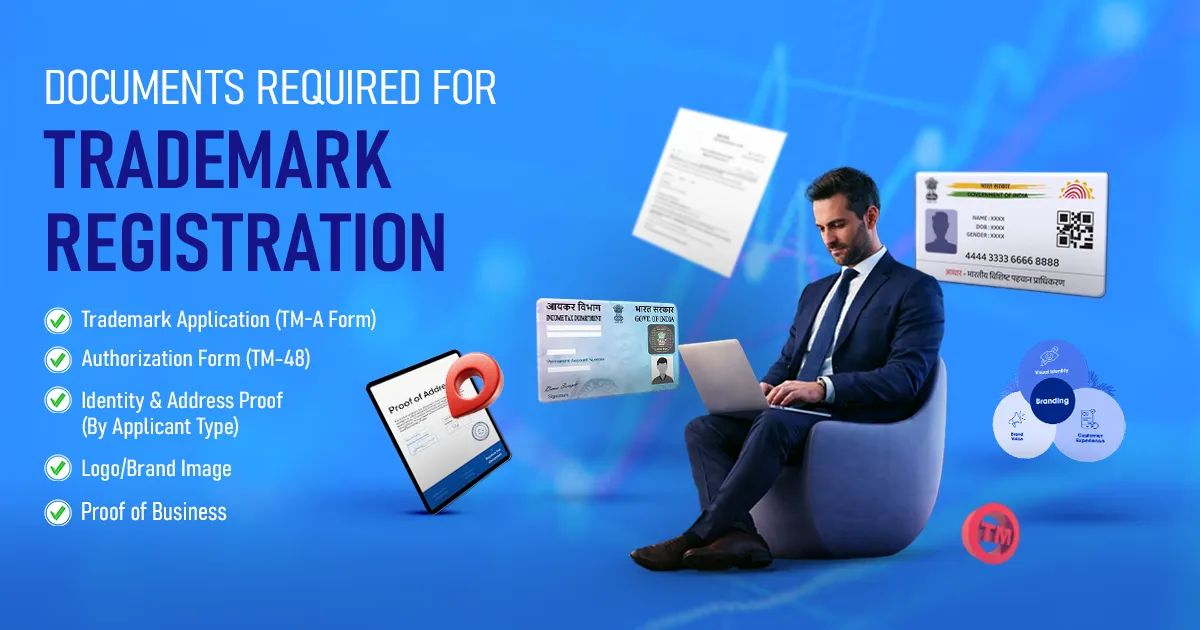
Documents Required for Trademark Registration in India (Checklist)

Trademark Class 35: Advertising & Business Services in India
Trademark Registration Fees in India: A Cost Guide 2026

Trademark Class 34 in India: Tobacco and Smoking Products
Trademark Registration Number: What It Is & How To Find?

Trademark Class 32: Water, Non-Alcoholic Beverages & Beer

Trademark Class 18: Leather, Luggage Bags & Leather Imitations

Trademark Class 27 in India: Carpets, Rugs, and Mats
Trademark Class 22 in India: Ropes, Sacks & Packing Bags