

Trademark Class 38 in India covers telecommunication and broadcasting services. These services transmit information between people or systems. Class 38 protects brands in telecom, broadcasting, and digital communication. It focuses on information transmission, not the content or technology used. In simple terms, it protects the brand behind the connection, not the hardware, software, or creative content.
Trademark registration under Class 38 is important as streaming and digital communication services continue to grow. Airtel, Jio, and SonyLIV rely on Class 38 protection to safeguard their brand identity.
Key Takeaways
- Class 38 protects telecom and broadcasting brands, covering transmission of information, not the content, hardware, or software involved.
- It does not cover communication hardware/software (Class 9), content creation like films or podcasts (Class 41), advertising (Class 35), or network infrastructure development (Class 7/42).
- Filing fees are ₹4,500 per class for individuals, startups, and MSMEs, and ₹9,000 per class for companies and LLPs.
- Validity runs 10 years, renewable indefinitely via Form TM-R.
- Multi-class filing is common, Zee TV registers broadcasting under Class 38, content production under Class 41, and marketing under Class 35.
What is Trademark Class 38 in India?
Trademark Class 38 protects businesses that provide telecommunication and broadcasting services. It is part of the Nice Classification system, an international standard for categorizing goods and services. The Trade Marks Act, 1999 governs registration and enforcement in India.
Registration under Class 38 gives businesses exclusive brand rights in telecom and broadcasting. It also prevents confusingly similar names, builds trust with partners and investors, and supports expansion, franchising, and licensing.
Who Should Register Under Trademark Class 38?
Businesses that enable people to communicate, transmit information, or broadcast content over various channels should register under this class:
- Telecom operators and internet service providers (ISPs).
- Cable, DTH, and satellite television broadcasters.
- Radio stations and streaming platforms.
- Video conferencing and internet calling services.
- Any business offering data transmission or live broadcasting services.
When businesses register under Class 38, they protect their brand identity and prevent trademark infringement.
What are the Services Covered Under Trademark Class 38?
Here’s a breakdown of the key services under the Class 38 trademark protection:
| Category | Examples of Services |
|---|---|
| Telecommunication Services | Streaming and OTT transmission platforms, live digital broadcasts, video conferencing services, messaging platforms, webinar transmission, and podcast transmission |
| Broadcasting Services | Television broadcasting (satellite, cable, DTH), radio broadcasting (FM, AM, internet radio), live news transmission |
| Digital, OTT & Online Communication | Email transmission services, secure electronic messaging, and enterprise communication systems |
| Electronic Mail & Messaging Services | Providing access to telecom networks, managed connectivity services, communication gateways, and access time to global computer networks |
| Online Communication Platforms | Chat rooms, online forums, virtual communication platforms, community-based messaging services |
| Data Transmission & Network Services | Transmission of audio, video, images, and data; telecommunication routing and switching; network traffic management |
| Telecommunication Network Access | Satellite signal transmission, international telecommunication services, and global network access |
| Satellite & Global Communication | Transmission of news and information via telecommunications, wire, or news agency transmission services |
| Multimedia Transmission Services | Transmission of music, videos, and audiovisual content over networks (excluding content creation) |
| Message Transmission Services | Text, image, voice, and multimedia message transmission services for others |
| Paging & Legacy Communication Services | Paging services, telegraph services, telex services |
| Database & Information Access Services | Providing telecommunication-based access to online databases and information networks |
| Rental of Telecommunication Equipment | Rental or leasing of telephones, modems, facsimile apparatus, and communication equipment |
| Location-Based Communication Services | Geolocation communication services provided via telecommunication networks |
| Telecommunication Channels & Infrastructure Use | Providing telecommunication channels for teleshopping, remote services, and digital connectivity |
Which Services are Not Covered Under Trademark Class 38?
While Trademark Class 38 protects telecommunication and broadcasting services, it excludes certain related areas. Businesses in these areas must consider other trademark classes:
- Communication hardware and devices: Telephones, routers, modems, and other equipment (Class 9).
- Software and apps: Messaging, communication, or broadcasting software itself (Class 9).
- Content creation and media production: Films, TV shows, radio programs, podcasts, or news articles (Class 41).
- OTT content creation: Producing or curating original content for OTT platforms (Class 41). Transmission of existing content falls under Class 38.
- Advertising and marketing services: Promotion, media buying, or brand campaigns (Class 35).
- Technology manufacturing and development: Building networks, servers, or broadcast equipment (Class 7 or Class 42).
Use RegisterKaro’s trademark Class Finder to confirm your service belongs in Class 38 before filing.
How to Register a Trademark Under Class 38 in India?
You can file on a “proposed to be used” basis if your service hasn’t launched, or “already in use” if it’s live. Here’s the process for trademark Class 38:
- Search first: Check the Indian Trademark Registry or use RegisterKaro’s trademark availability check tool to confirm your brand name or logo isn’t already registered under Class 38.
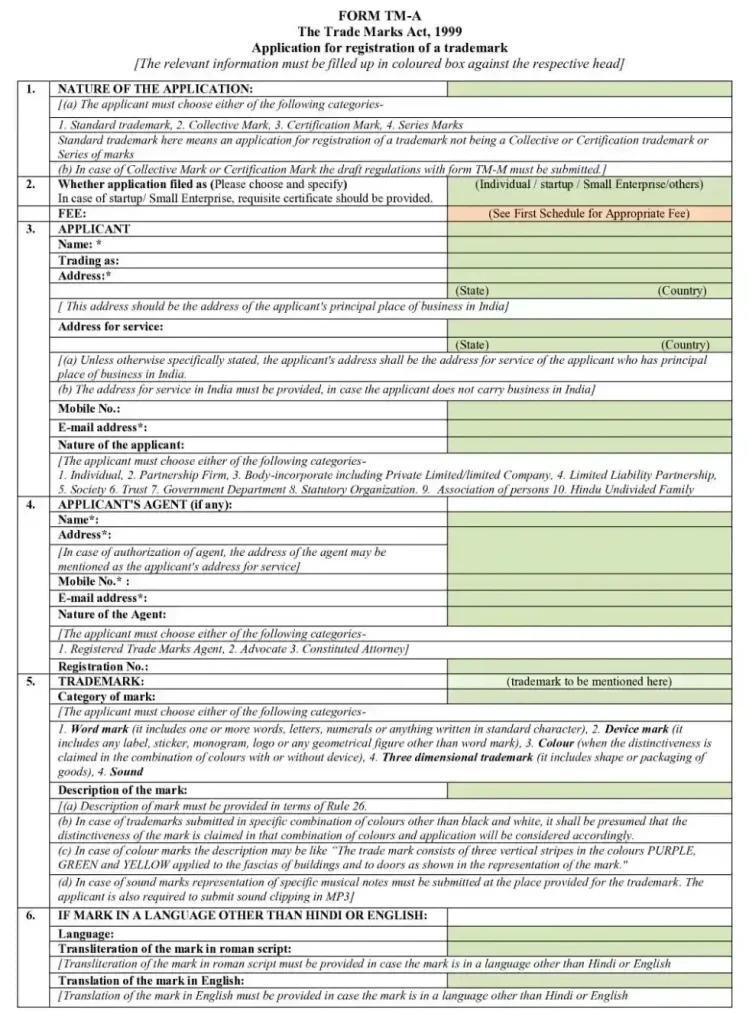
- Prepare and file Form TM-A: Include your brand name, logo, and a precise service description, then submit online through the IP India website or offline at a Trademark Registry office.
- Examination: The Registry checks for conflicts, similarity with existing marks, and compliance. Respond to any trademark objections with clarifications or amendments as needed.
- Publication and opposition window: Once accepted, the mark is published in the Trademark Journal for 4 months, during which third parties can file trademark opposition.
- Registration: If unopposed, or objections are resolved, the Registry issues your certificate, valid for 10 years and renewable indefinitely via trademark renewal.
Multi-Class Filings: Trademark Classes Similar to Class 38
Many businesses in telecommunication and broadcasting operate across multiple areas, which can involve software, devices, or content creation.
Here are some trademark classes that are commonly filed alongside Class 38 for broader brand protection:
| Trademark Class | What It Covers | Relation to Class 38 |
|---|---|---|
| Class 9 | Communication devices, software, apps, computers | Covers the hardware and software that support communication services, not the services themselves |
| Class 41 | Education, training, and content creation services | Includes media production, broadcasting programs, and content-related services |
| Class 35 | Business management, advertising, and marketing | Covers promotional services for telecom or broadcasting brands |
| Class 42 | Technology and IT services, scientific research | Includes developing, maintaining, or managing telecom networks and digital infrastructure |
| Class 45 | Legal services | Relevant for companies offering legal advisory or regulatory consultancy specific to broadcasting and communication |
Zee TV is a leading Indian media and entertainment brand. It protects its broadcasting identity under Class 38, content production under Class 41, and marketing and promotions under Class 35.
