Trademark Registration for Ecommerce Businesses
Protect your ecommerce brand with trademark registration in India and secure exclusive rights over your business name, logo, or slogan.
 Prevent Brand Misuse Across Digital MarketplacesEstablish Exclusive Legal Ownership of AssetsStrengthen Consumer Trust Through Brand ProtectionEnd-to-End Support for Filing & DocumentationTrusted by Thousands of E-commerce Businesses

 What Sets Us ApartWhat Sets Us Apart
Overview of Trademark Registration for E-commerce Business
For any Indian e-commerce business, trademark registration is crucial for safeguarding your brand's identity and securing its future. A trademark, which can be your brand name, logo, slogan, or even product packaging, provides exclusive legal rights, preventing others from copying. This protection is vital in the competitive online marketplace, where establishing customer trust and brand recognition is paramount.
Beyond legal security, a registered trademark transforms your brand into a valuable business asset. This value is recognized by major platforms like Amazon Brand Registry and Flipkart Brand Hub, which offer authenticated brands enhanced protection against counterfeits and access to exclusive selling tools.
Therefore, meticulously choosing the correct trademark classes for your e-commerce services (typically Class 35) and your specific product categories is essential to ensure comprehensive protection and avoid costly rejections or insufficient coverage.
What is a Trademark and Why Does Your Online Business Essentially Need One?
Simply put, a trademark is a unique identifier for your goods or services. It can be a word, a logo, a slogan, or even a design that distinguishes your products from those of your competitors.
Think of iconic brands like "Myntra" or "McDonald's" – their names and logos are trademarks that instantly tell you who they are. Your online business needs a trademark for several critical reasons:
- Exclusive Legal Protection: A registered trademark grants you the sole right to use your brand name, logo, or slogan for your specific products or services across India. This legal exclusivity is your strongest legal tool against others trying to copy or misuse your brand.
- Preventing Brand Confusion and Infringement: In the crowded e-commerce space, identical or similar brands can easily confuse customers. A trademark clearly distinguishes your offerings, preventing competitors from free-riding on your reputation and allowing you to take legal action against infringers.
- Building Trust and Credibility: A registered trademark signals professionalism and legitimacy to your customers. It helps build a strong, trustworthy brand image, encouraging customer loyalty and attracting new buyers who recognize and trust your mark.
- Creating a Valuable Asset: Your trademark is an intangible asset that appreciates as your business grows. It can be licensed, sold, or even used as collateral, significantly increasing your business's overall valuation.
- Access to E-commerce Platform Brand Protections: Platforms often require a registered trademark to access their advanced brand protection tools, combat counterfeiting, and gain greater control over your product listings.
- Deterring Counterfeiters and Scams: A registered trademark provides the legal backing to fight against the proliferation of counterfeit products and fraudulent sellers who might try to exploit your brand's reputation online.
- Safeguarding Marketing Investments: You invest heavily in marketing and building your brand's presence. A trademark protects these investments by ensuring that your brand identity remains unique and cannot be easily mimicked by competitors seeking to capitalize on your efforts.
Going Beyond a Logo: What Can You Trademark?
While a logo is often the first thing people associate with a brand, the scope of what you can trademark is much broader.
You can trademark various elements that identify your e-commerce business and its offerings:
| Trademark Type | Description | Examples |
| Logo | A graphic symbol or design representing your brand | Nike’s swoosh, Apple’s apple symbol |
| Brand Name | The name used to identify your business or product | Coca-Cola, Google |
| Tagline or Slogan | A catchy phrase associated with your brand | Nike’s “Just Do It”, McDonald’s “I’m Lovin’ It” |
| Product Shape (Trade Dress) | Unique shape or packaging that identifies the product | Coca-Cola bottle shape, Toblerone chocolate bar shape |
| Sound Marks | Distinctive sounds associated with a brand | MGM lion roar, Intel’s four-note chime |
| Color | A specific color or combination of colors that is uniquely associated with a brand. | Tiffany Blue, UPS Brown |
| Motion Marks | Moving images or animations that represent the brand | The Twitter bird animation, the MGM logo animation |
| Domain Name | Website addresses associated with a brand | Amazon.com, Facebook.com Note: The brand name used in the domain can be trademarked (e.g., 'Amazon' in Amazon.com), which helps in disputes over domain ownership. |
Is Trademark Registration Compulsory for E-commerce in India?
While the law doesn't strictly compel you to register your trademark to start selling online, it's highly advisable. Think of it this way: unregistered trademarks offer very limited protection. If someone else starts using a similar name or logo, your recourse is much weaker, often relying on proving "passing off" – a difficult and lengthy legal battle.
A registered trademark, on the other hand, provides concrete legal rights and makes enforcement significantly easier and more effective. It serves as public notice of your ownership and grants you exclusive rights across India. So, while not strictly compulsory, it is an essential step for serious e-commerce businesses.
How a Trademark Gets You into Amazon Brand Registry & Flipkart Brand Hub
For e-commerce sellers, getting onto platforms like Amazon Brand Registry and Flipkart Brand Hub is a game-changer.
- Mandatory Requirement for Brand Registry/Hub: Both Amazon Brand Registry and Flipkart Brand Hub explicitly require you to have a registered trademark for your brand name or logo. Without it, you simply cannot enrol in these programs and access their advanced features.
- Proof of Brand Ownership: A registered trademark serves as legal proof that you are the legitimate owner of your brand. This authenticity is what these platforms prioritise to combat counterfeiting and ensure a trustworthy shopping experience for their customers. They want to work with verified brand owners.
- Enhanced Brand Protection Tools: Once registered, you unlock powerful tools that proactively protect your brand. This includes the ability to report intellectual property infringements, remove counterfeit listings, and prevent unauthorised sellers from listing your products. This safeguards your brand's reputation and your sales.
- Increased Control Over Your Listings: Brand Registry and Brand Hub empower you with greater control over your product detail pages. You can ensure your product information is accurate and utilise advanced content features like A+ Content (Amazon) to create richer, more engaging listings.
- Access to Advertising and Marketing Benefits: Trademarked brands often gain access to exclusive advertising options and marketing insights that are not available to unregistered sellers. This helps you boost visibility, drive traffic, and analyse customer behaviour, leading to increased sales and brand recognition on these platforms.
Choose the Right Trademark Class for E-commerce
Understanding trademark classes is critical. The Indian Trademark Registry follows the Nice Classification system, which divides goods and services into 45 different classes. Registering your trademark in the correct class(es) ensures adequate protection.
Choosing the wrong trademark class for e-commerce can lead to insufficient protection or even rejection of your application.
| Category | Trademark Class | Description | Examples / Notes |
| Goods (Classes 1-34) | Classes covering various products from chemicals to clothing and food | ||
| Services (Classes 35-45) | Classes covering services including advertising, retail, education, and financial services | ||
| Core E-commerce Services | Class 35 | Advertising, business management, and retail services via electronic media (e.g., e-commerce websites) | Essential for all e-commerce websites |
| Online Clothing & Fashion Stores | Class 25 | Clothing, footwear, headgear | Register here for apparel sales, plus Class 35 for online retail services |
| Electronics & Gadget Stores | Class 9 | Electronics, computers, software, gadgets | Primary class for tech products, plus Class 35 for e-commerce services |
| Food, Grocery & Restaurant E-commerce | Class 29 | Meat, fish, poultry, processed fruits & vegetables, dairy, edible oils | Food products |
| Class 30 | Coffee, tea, sugar, bread, pastries, confectionery, spices | Food & grocery products | |
| Class 31 | Fresh fruits, vegetables, grains, live animals, and agricultural products | Fresh produce and related goods | |
| Class 32 | Non-alcoholic beverages (beer, mineral water, fruit drinks) | Beverages | |
| Class 33 | Alcoholic beverages | If applicable | |
| Class 43 | Food and drink services, temporary accommodation | Online restaurants, food delivery services |
Note for US Sellers: While India uses the classes outlined above, sellers in the United States filing with the USPTO should also focus on Class 35 for online retail store services. The product classes (9 for electronics, 25 for apparel, etc.) are broadly similar, but always consult the USPTO's official classification system.
What Happens If You Choose the Wrong Class?
Choosing the wrong trademark class for e-commerce can have severe and costly consequences, undermining your entire brand protection strategy.
- Application Rejection: The most immediate and common outcome is that your trademark application may be rejected by the Trademark Registry. This means your time, effort, and filing fees are wasted, and you'll have to restart the entire application process, leading to delays in securing your brand protection.
- Insufficient Protection: Even if your application somehow gets approved, registering your trademark under an incorrect class means your brand is not protected. This leaves loopholes, allowing competitors to use similar marks in unprotected areas, undermining your brand's exclusivity.
- Rejection from Official Platforms: As highlighted, e-commerce platforms rely on trademark registrations. If your trademark isn't registered in the correct classes for your products and services, your application will likely be rejected, depriving you of valuable anti-counterfeiting tools.
- Costly Legal Battles: If a competitor starts using a similar mark in a class you failed to protect, you'll have a much weaker legal standing to challenge them. This can lead to expensive and lengthy legal disputes, with a high risk of losing because your original registration did not cover the relevant area, costing you significant financial resources.
- Loss of Brand Value: If your trademark is not properly protected, your brand's overall value diminishes.
Documents Required for Trademark Registration for E-commerce
The documents required depend on the type of business entity you operate. Generally, you'll need:
| Document | Purpose | Notes |
| Logo or Wordmark (in JPEG format) | To represent your brand visually or textually | Optional if registering a wordmark only |
| Proof of Business (e.g., GST, MSME, or Udyam Registration) | To establish that you're an active e-commerce seller | Helps qualify for a government fee concession (in some cases) |
| Identity Proof of Applicant | To verify ownership and authority | PAN Card, Aadhaar Card, Passport, or Voter ID of proprietor/partner/director |
| Address Proof of Applicant | To validate the business owner's address | Utility bills, bank statement, or Aadhaar with current address |
| Authorization Document (TM-48 Form) | Legal document authorizing a trademark agent or attorney to file on your behalf | Must be signed by the applicant |
| User Affidavit (if already in use) | To claim prior usage of the trademark before filing | Required if the brand has been in use before the application date |
| Invoice Copies or Website URL Screenshots | To support usage claims in e-commerce operations | Especially important if claiming prior use or reputation online |
| Partnership Deed / Incorporation Certificate (if applicable) | For entities like LLPs, partnerships, or companies | Confirms the legal status of the business entity applying for the trademark |
Step-by-Step Trademark Registration Process for E-commerce in India
Navigating the trademark registration process can seem complex, but by following these steps, you can successfully secure your brand's future:
Step 1: Conduct a Comprehensive Trademark Search
Before you even think about filing, conduct a thorough trademark search. This helps you identify if any identical or similar trademarks already exist in India for similar goods or services. Skipping this step is a common and costly mistake. A comprehensive search vastly reduces the risk of your application being objected to or opposed later. We help you conduct an exhaustive trademark search for e-commerce.
Step 2: File the Application (Form TM-A)
Once your search confirms that the desired trademark is available, you’ll proceed to file an online application using Form TM-A through the Indian Trademark Registry. This application must include accurate details about your brand, the nature of your goods or services, and the specific trademark classes relevant to your business—especially crucial for e-commerce sellers dealing across multiple product categories. Precision is key here, as any errors can lead to unnecessary delays or rejections.
Step 3: The Examination – What the Registry Checks For
Once filed, a Trademark Examiner reviews your application to ensure your mark is distinctive, correctly classified, and doesn’t conflict with existing trademarks. This review considers both absolute and relative grounds for refusal. If issues arise, an examination report will be issued, and you'll need to respond within the deadline, justified with supporting documents or clarifications. For e-commerce businesses, where brand visibility is high and competition is intense, addressing objections promptly is essential to safeguard your brand’s identity.
Step 4: Publication in the Trademark Journal – The Public Test
Once your application clears examination (and any objections, if raised, are resolved), it gets published in the official Trademark Journal. This acts as a public announcement, giving third parties a four-month window to file an opposition if they believe your mark conflicts with theirs. For e-commerce brands operating in a competitive digital marketplace, this step is critical, as any challenge can delay your legal protection.
Step 5: Receive the Registration Certificate
If no opposition is filed, or if any raised are successfully defended, your trademark proceeds to final registration. The Trademark Registry then issues the official certificate, granting you the right to use the ® symbol. For online sellers, this marks a vital milestone. Your brand is now legally protected across India, helping you build trust and stand out on e-commerce platforms.
Common Mistakes to Avoid When Registering Your E-commerce Trademark
Even with a clear process, people often make mistakes. Avoid these common pitfalls to ensure a smooth trademark registration journey for your e-commerce brand:
- Choosing a Generic or Descriptive Name: Avoid trademarks that are too generic or describe the products/services directly, as they are harder to protect.
- Not Conducting a Thorough Search: Failing to check existing trademarks can lead to rejection or legal disputes. Always do a comprehensive trademark search first.
- Incorrect Trademark Class Selection: Registering under the wrong class can limit your protection. Ensure you select all relevant classes for your products and services.
- Ignoring Proper Use Requirements: Trademark protection requires actual use in commerce. Registering a mark you don’t use can cause cancellation.
- Delaying Registration: Waiting too long increases the risk of someone else registering a similar mark first. File early to secure your rights.
- Inadequate Documentation: Submitting incomplete or incorrect documents can delay the process or cause rejection. Follow the checklist carefully.
- Overlooking Renewal Deadlines: Trademarks must be renewed periodically. Missing renewal dates can lead to the loss of rights.
- Attempting the Process Without Legal Guidance: The complexities of trademark law can lead to costly errors if you are unfamiliar with the process.
Connect with RegisterKaro and let our experts handle the legal hassle while you grow your business.
Frequently Asked Questions (FAQs)
What is the government fee for trademark registration in India?
The government fee for trademark registration in India varies depending on the applicant's entity type. For individuals, startups, and small enterprises, the fee is Rs. 4,500 per class. For all other entities, it is Rs. 9,000 per class.
How long does the entire trademark registration process take?
The entire trademark registration process in India, assuming no objections or oppositions, typically takes around 9 months to a year. However, you receive an application number within 1-2 days of filing, allowing you to use the ™ symbol immediately.
When can I start using the ™ symbol?
You can start using the ™ (trademark) symbol as soon as you file your trademark application with the Indian Trademark Registry. This indicates that you claim common law rights over the mark.
When can I use the ® symbol?
You can only use the ® (registered trademark) symbol once your trademark has been officially registered by the Indian Trademark Registry and you have received the registration certificate. Using it before actual registration is illegal.
Can I register a trademark without having a registered company?
Yes, absolutely! Individuals and sole proprietors can also apply for trademark registration in India. You do not necessarily need a registered company to own a trademark.
Is my Indian trademark valid internationally?
No, a trademark registered in India is only valid within the territorial boundaries of India. To protect your trademark in other countries, you must apply for registration in each country where you want protection, either directly or through international systems like the Madrid Protocol.
What is the difference between a trademark and a company name registration?
A company name registration (e.g., with the Ministry of Corporate Affairs) simply registers your company's legal identity. A trademark registration, on the other hand, protects your brand name, logo, or slogan for specific goods and services, giving you exclusive rights to use it in the marketplace. They serve different purposes, though your company name can often be your brand name and thus trademarked.
Do I need to file separately for my brand name and logo?
You have options. You can file for your brand name (word mark) and your logo (device mark) separately, or you can file a combined application for both in a specific arrangement. Filing separately offers more flexibility if you plan to use your name independently of the logo or modify the logo in the future. We can help you decide the best strategy for your trademark for e-commerce.

Reviewed by
Abhilash ShuklaAbhilash Shukla is an Intellectual Property Attorney and Commercial Legal Professional with over 13 years of experience advising businesses on trademark law, brand protection, intellectual property strategy, and commercial legal matters. His tenure as an Examiner of Trade Marks & Geographical Indications with the Government of India allowed him to gain first-hand expertise in trademark examination, registrability assessment, classification, and trademark registry procedures. With a deep understanding of both legal and commercial considerations, Abhilash helps businesses develop practical strategies to protect and scale the value of their brands.
Why Choose RegisterKaro for the E-commerce Trademark Registration Service?
Registering a trademark for your e-commerce business doesn't have to be a daunting task. At Registerkaro, we specialise in making the process seamless and stress-free.
- Specialised Trademark Expertise: Deep knowledge of trademark laws ensures smooth, error-free filings.
- End-to-End Trademark Solutions: From trademark search to registration and renewal, we handle it all under one roof.
- Customised Advice for Brand Protection: Tailored strategies to protect your unique brand identity in competitive markets.
- Legal Support & Dispute Resolution: Assistance with oppositions, objections, and infringement issues whenever they arise.
- Secure Document Management: Access your trademark documents anytime through our safe, user-friendly online portal.

What Our Clients Say
View All
daniel paul
 Verified
Avantika helped me with all the details and she was very helpful in the process. She was very patient and she was very co-operative. I recommend her f... Read more

Sumit Maindola
VerifiedReally satisfied with the services provided by RegisterKaro. The entire team was very supportive and professional throughout the process. A special th... Read more

Abhishek Sharma
VerifiedMs. Sneha from Register Karo team helped me and guided me to get my company's incorporation before time. Great experience with Register Karo and with... Read more

Vijay Bhaskar
VerifiedHello friends, i recently launched my startup, where Register karo help me in every step of mine and guided in the right direction, they had professio... Read more

Akash Rai
VerifiedIt was a seamless experience with all the compliances done. Sunidhi was very helpful and patient throughout the process. Very professional service. Hi... Read more

tonsing kh
VerifiedI had a great experience with the overall service provided. The strike-off procedure was completed within an adequate timeframe, and the entire proces... Read more

Aman Shrivastava
VerifiedI recently got my compliance work done through RegisterKaro, and the experience was really smooth. The team was patient, answered all my queries, and... Read more

Deepanshu Dhiman
VerifiedA very supportive environment with smooth and easy communication regarding company compliances. The team makes the entire firm registration process si... Read more

Mridul Kumar
VerifiedI had a great experience with Register Karo while opening my LLP. The team was professional, responsive, and guided me through every step of the proce... Read more

Mradul Agnihotri
Verified“It was great to experience the efficient and smooth services of Register Karo. A big thank you to Kanishk Singh Kakan for his prompt support and exce... Read more
Related Blogs
View All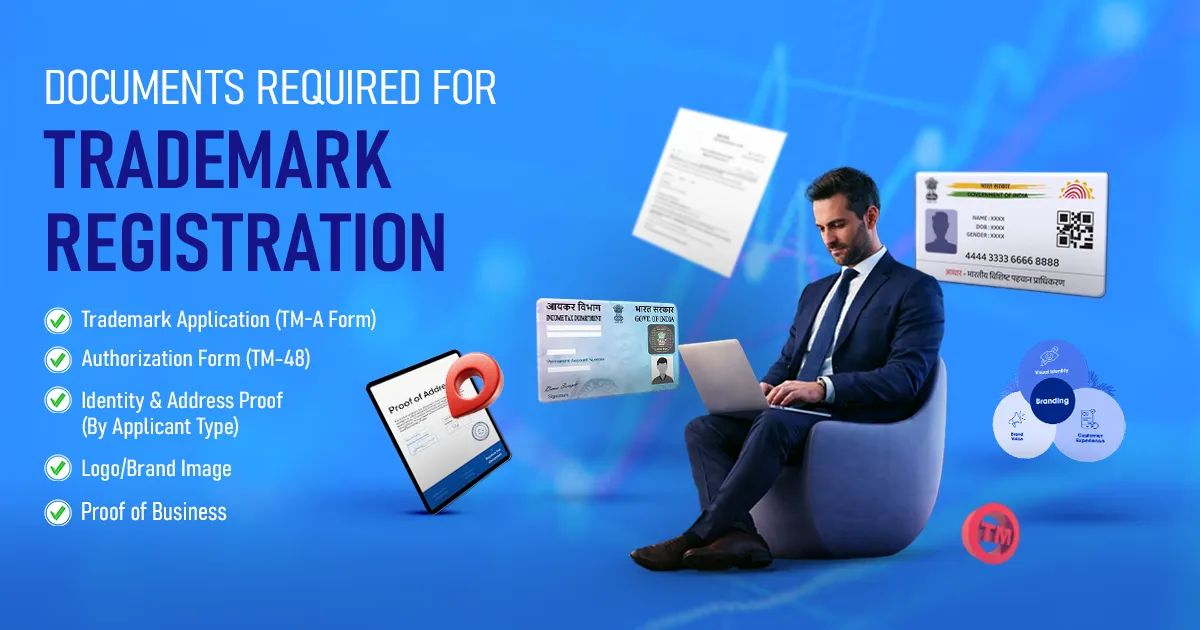
Documents Required for Trademark Registration in India

Trademark Class 35: Advertising & Business Services in India

Trademark Registration Fees in India: A Cost Guide 2026

Trademark Class 34 in India: Tobacco and Smoking Products

Trademark Registration Number: What It Is & How To Find?

Trademark Class 32: Water, Non-Alcoholic Beverages & Beer

Trademark Class 18: Leather, Luggage Bags & Leather Imitations

Trademark Class 27 in India: Carpets, Rugs, and Mats

Trademark Class 22 in India: Ropes, Sacks & Packing Bags

What Does Abandoned Mean in a Trademark & How to Revive It?